
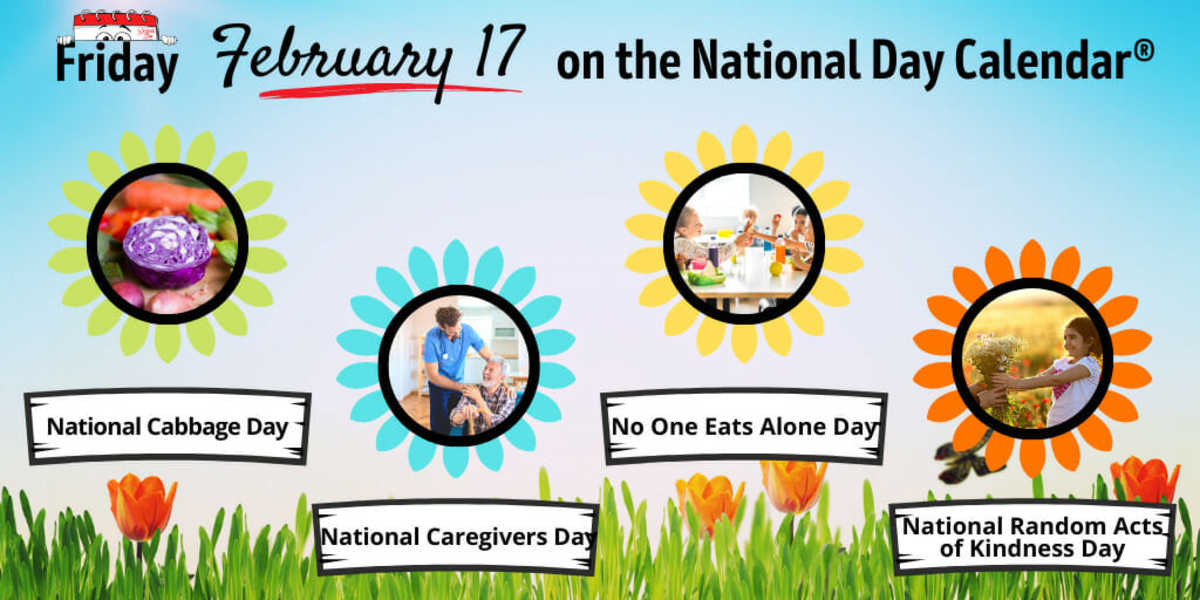
In the modern marketplace, the traditional marketing calendar is often dominated by high-stakes consumer holidays like Black Friday, Cyber Monday, and the frenzy of the December holiday season. However, for brand strategists and corporate identity experts, the most profound opportunities for building long-term loyalty often lie in the quieter moments. February 17th marks “Random Acts of Kindness Day”—a date that, while not a federal holiday, holds immense potential for brands seeking to transition from transactional entities to relational icons.
In an era defined by skepticism and “brand fatigue,” February 17th offers a unique platform for organizations to showcase their core values without the pressure of a hard sell. This article explores how brands can strategically utilize this specific date to enhance their corporate identity, foster community engagement, and build a “human-centric” brand architecture.

The Significance of February 17th in the Branding Ecosystem
For a brand to resonate in the 21st century, it must possess a “personality” that consumers can relate to. February 17th serves as an ideal catalyst for this humanization. Unlike Valentine’s Day, which is heavily commercialized, Random Acts of Kindness Day is rooted in altruism, providing a cleaner slate for authentic brand expression.
Identifying the Opportunity: Random Acts of Kindness Day
At its core, branding is the management of perception. When a brand participates in February 17th, it signals to its audience that it values people over profits. This isn’t just about “doing good”; it’s about strategic alignment. By identifying this date as a focal point for brand activity, companies can differentiate themselves from competitors who are merely waiting for the next major sales cycle. The “holiday” acts as a seasonal bridge, allowing brands to maintain visibility during the late-winter lull.
Moving from Transactional to Relational Marketing
Traditional marketing is often transactional: “We give you a product; you give us money.” Relational marketing, however, focuses on the lifetime value of a customer and the emotional bond they share with the brand. February 17th provides a narrative framework to strengthen this bond. When a brand performs an unexpected act of kindness—be it a surprise discount, a heartfelt thank-you note, or a community donation—it triggers the psychological principle of reciprocity. The consumer no longer views the company as a faceless corporation but as a positive contributor to their social environment.
Strategic Integration: How Brands Can Operationalize Kindness
Kindness as a brand strategy must be executed with precision. If it feels performative or “gimmicky,” it can lead to a PR backlash. To successfully leverage February 17th, brands must integrate kindness into their operational DNA rather than treating it as a one-off social media post.
Case Studies of High-Impact Kindness Campaigns
Consider the strategy of “Surprise and Delight.” Brands like Zappos have built their entire corporate identity around extreme customer service that mirrors the spirit of February 17th. On this day, a brand might identify its most loyal customers and send them a personalized gift that has nothing to do with a recent purchase.
Another example involves “Micro-Interactions.” A coffee brand might announce on February 17th that every tenth customer’s order is covered by the house. This creates an “event” within the retail space that encourages organic sharing on social media. The goal is to create a story that the customer wants to tell their peers, thereby turning them into a brand advocate.
The Role of Social Proof and User-Generated Content
One of the most powerful tools in a brand strategist’s arsenal is User-Generated Content (UGC). On February 17th, brands can pivot the spotlight away from themselves and onto their community. By encouraging followers to share their own “acts of kindness” and tagging the brand, companies can curate a feed of positive, value-aligned content. This does two things: it builds social proof that the brand’s community is compassionate, and it boosts engagement rates through authentic storytelling rather than paid advertisements.
Building Corporate Identity Through Consistent Values
A brand’s identity is not just a logo or a color palette; it is the sum of its actions. February 17th offers a recurring opportunity to reinforce the “Value Pillar” of a corporate identity.
Aligning Charity with Core Brand Mission
For an act of kindness to feel authentic, it must align with what the brand actually does. A tech company might offer free coding workshops for underprivileged youth on February 17th, while a financial services firm might provide free debt-counseling sessions. This alignment ensures that the “kindness” doesn’t feel random in a negative sense, but rather like a logical extension of the brand’s expertise and mission. This consistency is what builds “Brand Authority.”
Internal Branding: Starting Kindness from Within
A common mistake in brand strategy is focusing exclusively on the external customer while neglecting the internal stakeholder—the employee. A brand that promotes kindness on February 17th but treats its staff poorly will eventually suffer from “brand hypocrisy.”
Strategic branding starts inside the office walls. On February 17th, leadership should implement internal acts of kindness: unexpected bonuses, extra time off, or public recognition of staff achievements. When employees feel the brand’s values are lived internally, they become more effective ambassadors of the brand’s identity to the outside world. The “employee experience” (EX) is inextricably linked to the “customer experience” (CX).
Measuring the ROI of Purpose-Driven Branding
In professional circles, the question always arises: “What is the Return on Investment (ROI) of kindness?” While February 17th initiatives may not always result in an immediate spike in the quarterly sales report, their impact on brand equity is profound.
Qualitative vs. Quantitative Metrics
While it is easy to measure likes, shares, and mentions on February 17th (quantitative), the real value lies in sentiment analysis (qualitative). Are people using words like “trustworthy,” “caring,” and “authentic” when they talk about the brand?
To measure the success of a February 17th campaign, brands should look at:
- Net Promoter Score (NPS): Does the act of kindness increase the likelihood of customers recommending the brand?
- Customer Churn Rate: Does the emotional connection built on these “off-holidays” lead to higher retention?
- Earned Media Value: How much “free” publicity did the brand receive through news outlets or influencers because of their unique approach to the day?

The Long-Term Value of Brand Equity and Loyalty
Brand equity is a financial asset. It allows companies to command premium pricing and ensures resilience during economic downturns. By consistently showing up on February 17th with genuine, value-driven initiatives, a brand deposits “social capital” into its account. When a brand eventually makes a mistake—as all brands do—the community is more likely to be forgiving if the brand has a documented history of kindness and integrity.
In conclusion, February 17th is far more than just a date on the calendar; it is a strategic window for brand maturation. By moving beyond the “holiday” aspect and viewing it as a platform for human-centric branding, organizations can build a corporate identity that is not only profitable but also profoundly respected. In a world of digital noise, kindness remains one of the most effective ways to be heard.
aViewFromTheCave is a participant in the Amazon Services LLC Associates Program, an affiliate advertising program designed to provide a means for sites to earn advertising fees by advertising and linking to Amazon.com. Amazon, the Amazon logo, AmazonSupply, and the AmazonSupply logo are trademarks of Amazon.com, Inc. or its affiliates. As an Amazon Associate we earn affiliate commissions from qualifying purchases.