
In the high-stakes world of corporate identity and marketing strategy, there is a pervasive yet often unaddressed phenomenon known as “brand masturbation.” This term describes the self-indulgent habit of a company focusing its messaging, design, and strategy entirely on itself—its history, its “innovative” features, and its internal achievements—without regard for the actual needs or desires of the consumer. It is the ultimate expression of corporate narcissism.
When a brand is caught in this loop, it feels good internally. Marketing teams pat themselves on the back for sleek brochures and “visionary” mission statements that use buzzwords like synergy and disruption. However, much like the biological counterpart of the term, brand masturbation is a solitary act that yields no fruit. It creates a closed loop of self-gratification that fails to result in a meaningful connection or “conception” with the market.
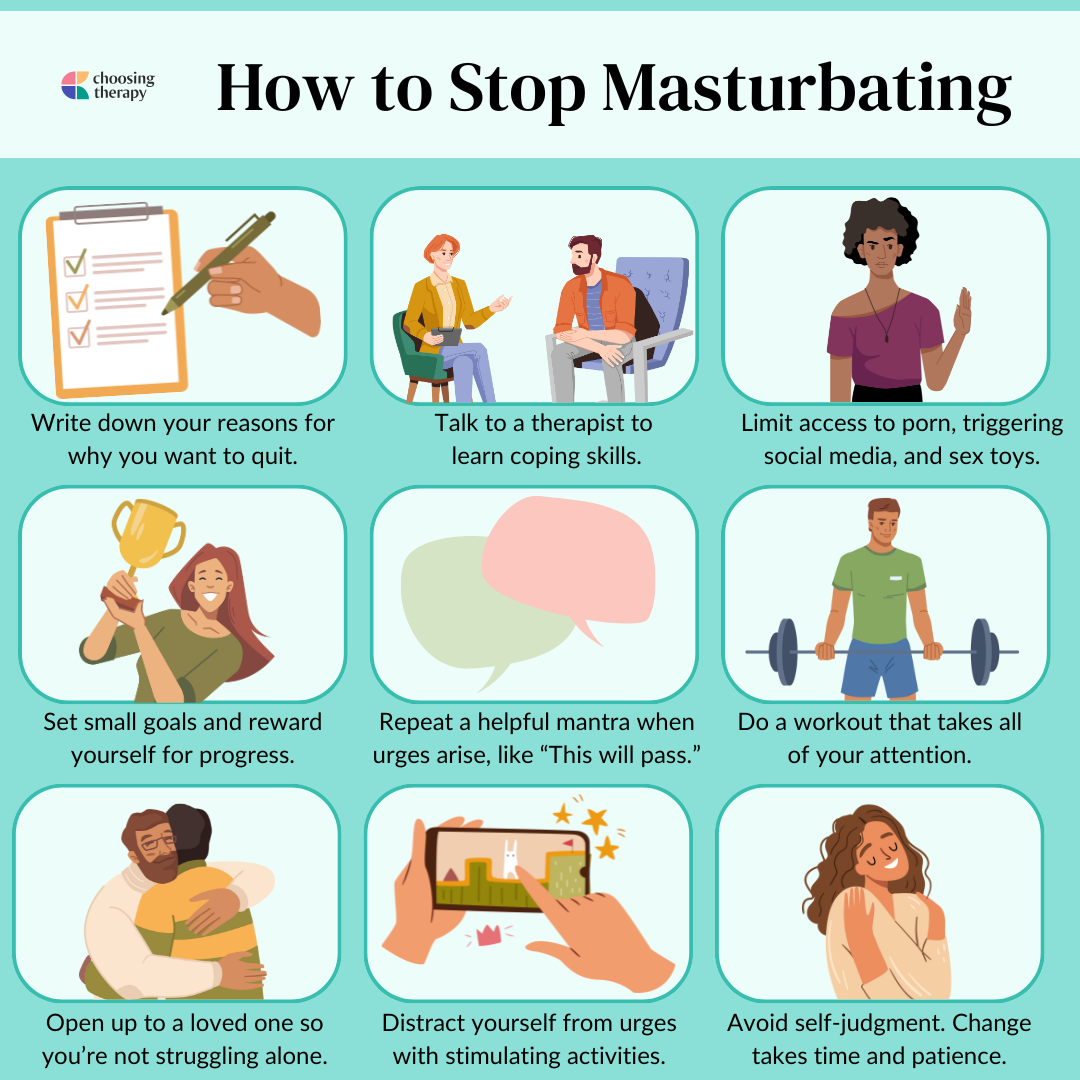
So, what happens when you stop? When a brand finally ceases the habit of self-obsession and turns its gaze toward the customer, the transformation is often jarring, uncomfortable, and ultimately revolutionary.
The Anatomy of Brand Masturbation in Modern Marketing
To understand what happens when the habit stops, we must first diagnose the symptoms of the behavior. Brand masturbation isn’t just a lack of quality; it is a specific strategic misalignment where the company becomes its own primary audience.
Defining the Self-Indulgent Narrative
Most legacy brands fall into the trap of the “I/We” narrative. Their websites are filled with statements like, “We have been the industry leader since 1984,” or “Our proprietary technology is the best in the world.” While these might be facts, they are not benefits. In this stage, the brand is “pleasuring” itself with its own accolades. From a strategic standpoint, this creates a barrier to entry for new customers who are looking for solutions to their own problems, not a resume of a company’s past glories.
The Trap of Internal Validation
The reason this habit is so hard to break is that it is reinforced by internal feedback loops. Executives love to see their names in press releases. Design teams love to win awards for “experimental” aesthetics that might confuse the actual user but look great in a portfolio. When a brand is masturbating, it is prioritizing the ego of its stakeholders over the utility of its stakeholders. This results in “The Echo Chamber Effect,” where the brand loses touch with market reality, leading to a slow decline in relevance.
The Immediate Consequences of Ceasing “Me-Centric” Content
When a brand decides to “quit” this behavior, the immediate aftermath can feel like a crisis. There is a period of withdrawal where the internal culture of the company must be completely recalibrated.
The Initial Drop in Vanity Metrics
One of the first things that happens when you stop brand masturbation is a perceived dip in engagement from certain circles. If you stop posting self-congratulatory content, the people who were liking those posts—usually employees, board members, and industry peers—might stop engaging. This can look like a failure on a spreadsheet. However, this is a “detox” phase. You are clearing out the noise to make room for the signal. The vanity metrics (likes from people who will never buy your product) decrease, which allows the marketing team to see the raw, unvarnished truth of their market position.
Identifying Your Real Audience
By removing the “me-centric” noise, the brand is forced to look at who is actually left. This is a moment of clarity. When you stop talking about yourself, you are forced to listen. This transition marks the shift from “Broadcast Marketing” to “Conversational Strategy.” Companies often discover that the customers they thought they had are not the ones actually using the product, or that the “hero features” they were so proud of are actually secondary to a minor utility that users actually value.

Transitioning to a Customer-Centric Brand Identity
Once the self-indulgence stops, the real work of brand strategy begins. This involves moving from a state of self-importance to a state of service.
Solving Problems vs. Listing Features
The hallmark of a brand that has stopped “masturbating” is the disappearance of the features list in favor of the benefit narrative. Instead of a tech company saying, “Our software has a 128-bit encryption algorithm,” they say, “Your data is safe enough that you can sleep at night.” This shift requires deep empathy. It requires the brand to inhabit the pain points of the user. When you stop focusing on your own “equipment,” you start focusing on the user’s “experience.”
Building Authentic Community Engagement
A brand that doesn’t talk about itself is a brand that people want to talk to. By ceding the spotlight, the brand allows the community to fill the vacuum. This is where “Brand Advocacy” is born. When a brand stops telling everyone how great it is, it gives customers the opportunity to say it for them. In modern brand strategy, a customer’s tweet about a product is worth ten times more than a company’s billboard. Stopping the self-talk is the only way to hear—and encourage—the talk of the consumer.
The Impact on Corporate Identity and Design
The “cessation” of self-indulgence also has a profound impact on the visual and structural identity of a brand. This is where the “Brand” moves from a mask to a tool.
From Ego-Design to UX-Design
In the “masturbatory” phase, design is often used to show off. This leads to over-designed logos, complex websites with unnecessary animations, and packaging that is beautiful but impossible to open. When you stop this behavior, design becomes functional. The focus shifts to User Experience (UX). The question changes from “How can we make this look impressive?” to “How can we make this as easy as possible for the customer?” This minimalism is a sign of brand maturity; it shows the brand is confident enough in its value that it doesn’t need to “dress up” to get attention.
Internal Cultural Alignment
Perhaps the most significant change happens within the walls of the company. When the leadership stops focusing on internal vanity, the employees follow suit. The corporate identity shifts from one of “We are the best” to “We serve the best.” This creates a culture of accountability. When the goal is no longer to make the company look good, the goal becomes making the product work better. This pivot often leads to higher employee retention and a more genuine sense of purpose within the workforce.
Long-term Growth and Brand Equity Post-Narcissism
The ultimate result of stopping brand masturbation is the accumulation of genuine Brand Equity. While self-indulgence provides a short-term ego boost, customer-centricity provides long-term financial stability.
Sustainable Loyalty and Trust
Trust is the currency of the modern economy. A brand that is constantly shouting about its own greatness is inherently untrustworthy; it sounds like a salesman who won’t let you get a word in edgewise. By stopping the self-obsession, a brand begins to build a “Trust Reservoir.” This is done through consistent, quiet delivery of value. When you stop trying to convince people you are great, and simply are great through your actions and your focus on them, loyalty becomes a natural byproduct.

The ROI of Strategic Empathy
Finally, there is the financial reality. Brands that focus on themselves have high customer acquisition costs because they have to constantly scream to be heard. Brands that focus on their customers have high customer lifetime value because they become an integral part of the consumer’s life. The ROI of stopping brand masturbation is found in the reduction of marketing waste and the increase in organic growth.
In conclusion, stopping the habit of brand masturbation is not merely a cosmetic change in marketing tactics; it is a fundamental shift in the soul of the business. It requires the courage to stop looking in the mirror and start looking out the window at the people you serve. The process is painful, as it requires the dismantling of the corporate ego, but the result is a brand that is no longer just “pleasuring” itself—it is a brand that is creating real, lasting value in the world.
aViewFromTheCave is a participant in the Amazon Services LLC Associates Program, an affiliate advertising program designed to provide a means for sites to earn advertising fees by advertising and linking to Amazon.com. Amazon, the Amazon logo, AmazonSupply, and the AmazonSupply logo are trademarks of Amazon.com, Inc. or its affiliates. As an Amazon Associate we earn affiliate commissions from qualifying purchases.