
In the high-stakes ecosystem of King’s Landing, character trajectories often mirror the volatile cycles of corporate branding and market positioning. While many viewers analyze the narrative arc of “Game of Thrones” through the lens of fantasy tropes, a strategic brand analysis reveals a deeper story of personal branding, market adaptation, and the catastrophic consequences of a failed pivot. The story of Shae—from her introduction as a camp follower to her role as a key witness in a high-profile trial—serves as a masterclass in how a personal brand can be built, leveraged, and ultimately destroyed through poor risk management.
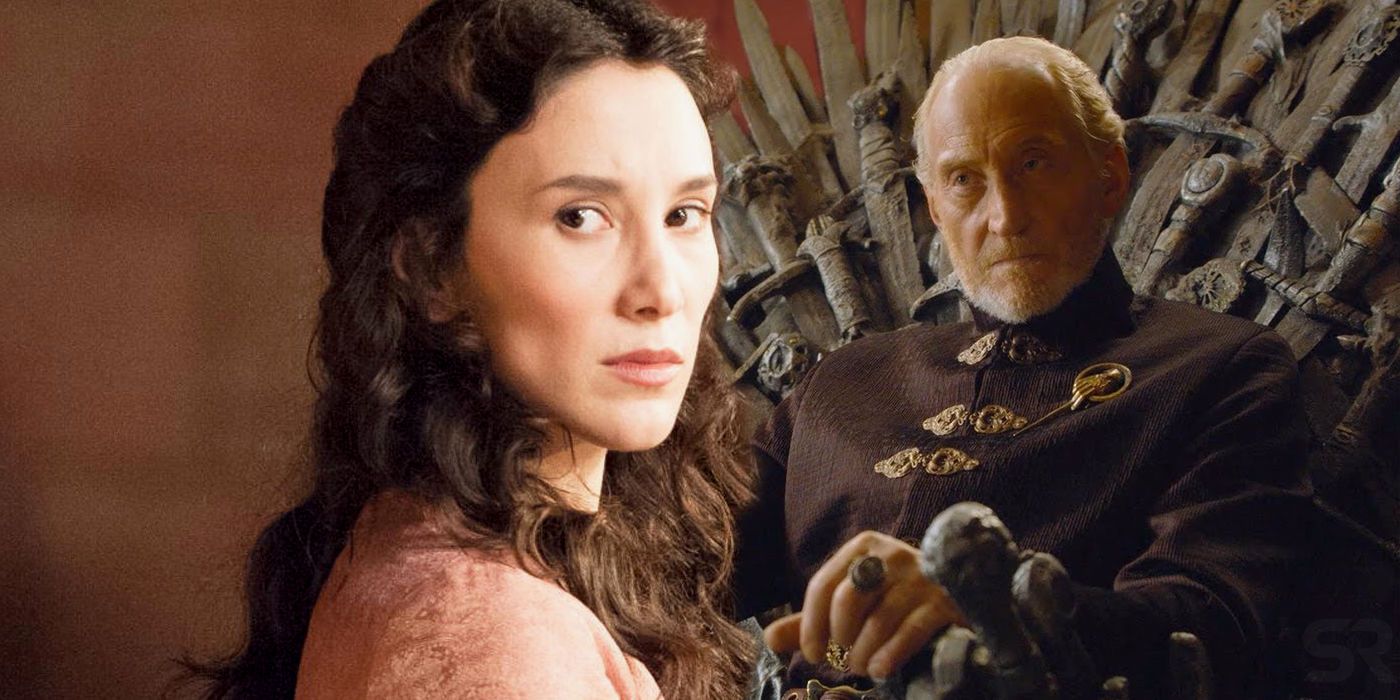
Defining the Brand Identity: Positioning Shae in the King’s Landing Market
Every successful personal brand begins with a clear Unique Value Proposition (UVP). Shae’s brand was built on the premise of exclusivity, loyalty, and perceived authenticity in a marketplace (the Red Keep) dominated by superficiality and deception. To understand what happens to Shae, we must first understand how she positioned herself within the competitive landscape of the Seven Kingdoms.
The Importance of a Unique Value Proposition (UVP)
In the context of brand strategy, a UVP is what sets an entity apart from its competitors. Shae’s initial positioning was that of the “honest confidante.” In a world where every advisor had an ulterior motive, Shae presented herself to Tyrion Lannister as a brand that offered emotional security and unvarnished truth. This was a high-value asset in the King’s Landing market. By maintaining a persona that transcended the political machinations of the court, she secured a premium “client”—the Hand of the King—thereby ensuring her own upward mobility.
Strategic Networking and High-Stakes Partnerships
Brand growth often relies on strategic partnerships. Shae’s “merger” with Tyrion allowed her brand to infiltrate circles that were previously inaccessible. However, like any brand entering a new market, she faced the challenge of “brand fit.” To maintain her position, she had to diversify her offerings, eventually taking on the role of Sansa Stark’s handmaiden. This was a strategic move in personal branding: it provided her with “social proof” and a legitimate cover (corporate identity) that allowed her brand to operate under the radar of the Lannister “parent company.”
The Fragility of a Brand Built on Secrecy: Managing Reputational Risk
One of the most critical aspects of brand strategy is risk management. A brand that relies on a single point of failure—in Shae’s case, the secrecy of her relationship with Tyrion—is inherently fragile. As the political climate shifted, the “regulatory environment” of King’s Landing became increasingly hostile to her brand’s existence.
Navigating Hostile Corporate Environments
In business, a hostile environment requires a brand to be agile. Shae’s brand, however, became stagnant. She refused to accept the “market indicators” that suggested her current positioning was no longer sustainable. When Tyrion attempted to initiate an “exit strategy” by sending her away with a significant severance package (diamonds and a comfortable life in Pentos), Shae viewed this as a breach of brand loyalty rather than a strategic divestment. This emotional attachment to a failing brand strategy is a common pitfall in personal branding.
The Dangers of Brand Dependency
Shae’s brand was entirely dependent on Tyrion’s political capital. In the world of marketing, this is known as “platform dependency.” Just as a digital brand might suffer if an algorithm changes, Shae’s personal brand suffered when Tyrion’s influence waned. Because she had not built a diversified “brand portfolio” or established independent alliances, she was left vulnerable when her primary stakeholder was indicted for regicide. This vulnerability is what led to the eventual, and tragic, rebranding of Shae.
The Pivot: Rebranding as a Strategy for Survival
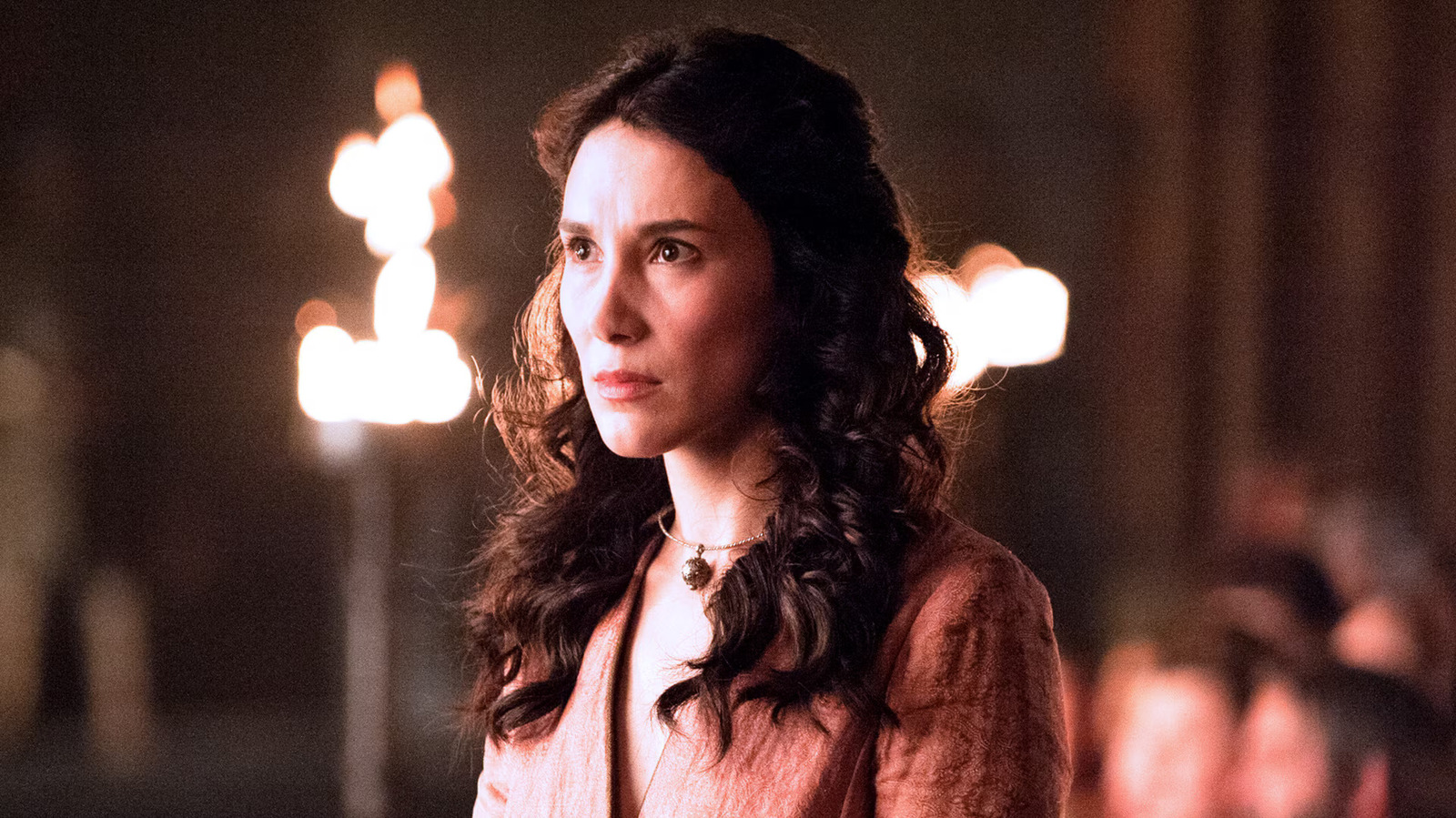
When a brand faces an existential crisis, it must pivot. A pivot is a fundamental shift in business strategy to compensate for a lack of growth or a change in the market. Shae’s transition from a loyal confidante to a witness for the prosecution was perhaps one of the most shocking “rebrands” in the history of the series.
Damage Control and Public Perception
The trial of Tyrion Lannister represented the ultimate public relations crisis. Shae had two options: maintain her original brand identity and face the same “liquidation” as Tyrion, or undergo a radical rebranding to align with the new market leaders (Tywin and Cersei Lannister). She chose the latter. By testifying against Tyrion, she effectively rebranded herself as a victim of his manipulation. This was a calculated move to gain “brand protection” from the crown.
Leveraging Testimony as a Brand Refresh
In her testimony, Shae utilized a tactic often seen in corporate whistleblowing: she took the existing brand narrative and inverted it. She painted a picture of herself as an innocent party coerced by a powerful figure. This “brand refresh” allowed her to survive in the short term, but it came at the cost of her brand’s core value: authenticity. In the world of high-stakes branding, a pivot that sacrifices the brand’s soul often leads to long-term devaluation, even if it provides immediate relief.
The Ultimate Failure: When a Personal Brand Loses Authenticity
The final chapter of Shae’s story—what ultimately happens to her—is a cautionary tale for any brand strategist. After the trial, she was discovered in the bed of Tywin Lannister, the very person who had orchestrated the downfall of her former partner. This revelation was the final blow to her brand equity.
The High Cost of Disloyalty in Long-term Branding
A brand is essentially a promise. When Shae broke her promise of loyalty to Tyrion, she didn’t just hurt a person; she destroyed the “trust equity” she had built. In personal branding, your reputation is your most valuable asset. Once Shae was perceived as a “brand for hire” who would sell out her closest allies for survival or status, her value plummeted. She had moved from a high-value niche brand to a commodity, easily replaced and ultimately discarded.

Lessons in Crisis Management and Exit Strategies
The tragic end of Shae’s story—her death at the hands of Tyrion—serves as a metaphor for the total collapse of a brand. When a brand’s internal contradictions become too great, it self-destructs. Shae’s failure to execute a clean exit strategy when it was offered to her resulted in a “hostile takeover” of her life and reputation.
From a brand strategy perspective, the lessons are clear:
- Know your market: Shae failed to recognize that the political market of King’s Landing had no room for her original brand once the power dynamics shifted.
- Diversify your stakeholders: Relying on one “client” for your entire brand’s survival is a recipe for disaster.
- Authenticity is non-negotiable: Once a brand is perceived as fraudulent or opportunistic, it is nearly impossible to recover its original value.
- Execute exit strategies early: In both business and life, recognizing when a partnership has reached its “end of life” cycle is crucial for protecting your personal brand.
In conclusion, what happens to Shae in “Game of Thrones” is more than just a plot point in a fantasy epic. It is a complex narrative of a personal brand that rose to incredible heights through strategic positioning, only to fall due to a lack of risk management and a catastrophic failure in ethical branding. Her story reminds us that in the marketplace of power, your brand is only as strong as the integrity and foresight behind it. Whether you are a corporate entity or an individual navigating a career, the “Shae Pivot” serves as a permanent reminder of the dangers of losing sight of your brand’s core values in the face of market volatility.
aViewFromTheCave is a participant in the Amazon Services LLC Associates Program, an affiliate advertising program designed to provide a means for sites to earn advertising fees by advertising and linking to Amazon.com. Amazon, the Amazon logo, AmazonSupply, and the AmazonSupply logo are trademarks of Amazon.com, Inc. or its affiliates. As an Amazon Associate we earn affiliate commissions from qualifying purchases.