
The character of Frank Gallagher from the long-running series Shameless serves as a chaotic, albeit fascinating, case study in unconventional personal finance. While most viewers see Frank as a degenerate patriarch, a financial analyst might see him as a master of “off-the-books” revenue streams and a cautionary tale regarding the total absence of long-term asset management. To understand what happens to Frank at the conclusion of his journey, one must look past the narrative drama and examine the fiscal reality of a man who lived entirely outside the traditional banking system.
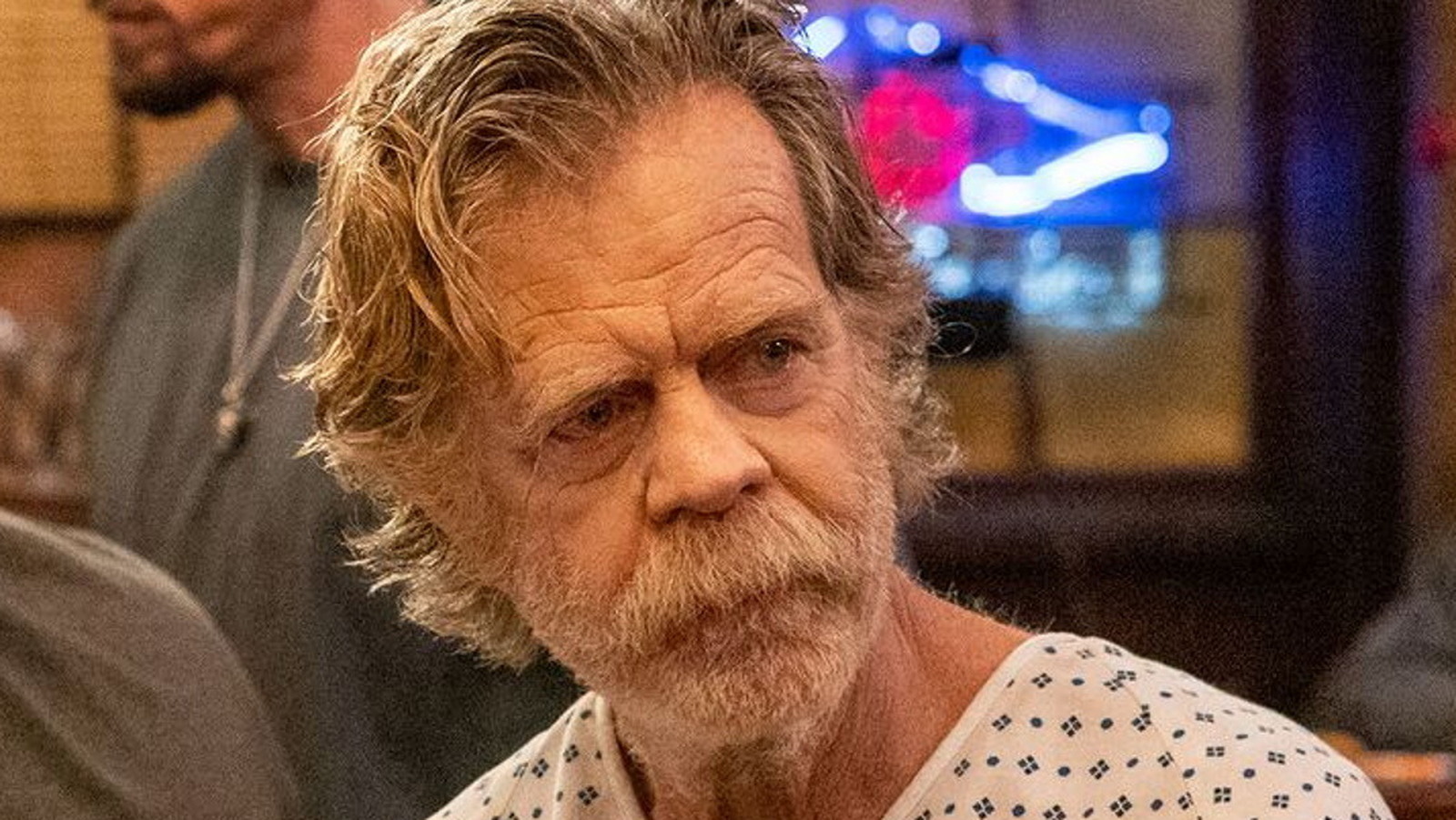
Frank’s end is not merely a biological failure; it is the ultimate liquidation of a life built on high-risk, low-reward financial maneuvers. Below, we analyze the financial mechanics of Frank Gallagher’s lifestyle, the side hustles that sustained him, and the eventual collapse of his “economic empire.”
The Art of the Eternal Side Hustle: Analyzing Frank Gallagher’s Revenue Streams
Frank Gallagher was, in many ways, the original pioneer of the gig economy—albeit a dark, unregulated version of it. He viewed the world not as a place for career development, but as a series of liquidity events waiting to happen. His survival depended on his ability to identify “free money” and exploit systemic loopholes.
Exploiting the System: Government Benefits and Disability Fraud
The cornerstone of Frank’s financial portfolio was his mastery of social safety nets. From cashing checks belonging to deceased relatives to faking injuries for disability settlements, Frank treated the government as a primary investor. In the world of personal finance, this represents a strategy of “guaranteed floor income,” though Frank achieved it through fraudulent means. His ability to navigate the bureaucracy of the South Side to extract monthly stipends was a testament to his understanding of institutional inefficiencies. However, this revenue stream was inherently fragile, requiring constant upkeep and the evasion of audits—a high-stakes game that left him with zero social security or pension benefits of his own.
High-Risk Arbitrage: The Ethics of Unconventional Income
Beyond fraud, Frank engaged in what could be termed “high-risk arbitrage.” Whether it was selling stolen goods, mediating shady deals, or leveraging his children’s meager earnings, Frank was always looking for a margin. He understood the value of information and the desperation of others. In a business context, Frank operated like a distressed debt collector, finding value in things others had discarded. The problem with this “business model” was the lack of scalability. Every dollar earned was immediately spent on liabilities (alcohol and substances), preventing any form of capital accumulation.
The Hidden Costs of Financial Irresponsibility: A Macro Look at Personal Finance
While Frank’s ability to find cash in a vacuum was impressive, his failure to understand the basics of wealth preservation led to his inevitable downfall. His life serves as a brutal example of what happens when a person ignores the principles of insurance, emergency funds, and compound interest.
Lack of Emergency Funds and the Cycle of Poverty
The Gallagher household lived in a state of perpetual “cash-flow insolvency.” Frank, specifically, never maintained a cash reserve. In the world of finance, an emergency fund is the barrier between a temporary setback and total ruin. Because Frank chose to liquidate every asset for immediate consumption, he had no “moat” to protect him from the volatility of life. When health crises eventually arose, he had no private insurance, no savings, and no institutional support, forcing him to rely on the already overstretched public health system.

Debt Management and the Total Lack of Credit
Frank Gallagher was a “ghost” in the credit system. While avoiding traditional debt might seem like a positive, his lack of a credit profile meant he could never leverage capital to improve his living situation. He was locked into a high-interest life. Everything he bought was at a premium because he couldn’t access wholesale markets or financing. This “poverty tax” is a real-world financial phenomenon where the poor pay more for basic services. Frank’s refusal to participate in the formal economy ensured that he would remain at the bottom of the socioeconomic ladder, regardless of how much “hustle” he exerted.
The Ultimate Liquidation: What Happens to Frank’s “Estate” at the End
As Shameless reaches its conclusion, we see the total physical and financial insolvency of Frank Gallagher. After a lifetime of abusing his body and the system, he is diagnosed with alcoholic dementia and eventually contracts COVID-19. His end is a stark reminder of the “cost of negligence.”
The Cost of Chronic Negligence on Long-term Wealth
Frank’s health was his only real capital, and he spent it recklessly. In financial terms, he depreciated his primary asset to zero. By the time he reached the end of the series, he had no “equity” left in his body or his mind. He spent his final days wandering a city that had outpaced him, a victim of the very “short-termism” that defined his financial life. His death in a hospital, alone, was the final audit of a life spent avoiding accountability.
Succession Planning and the Gallagher Legacy
What did Frank leave behind? In a traditional sense, an estate consists of property, stocks, and cash. Frank left none of these. The Gallagher house, the only significant asset associated with the family, was never truly “his” to pass down; it was a contested piece of real estate maintained by his children’s labor. Frank’s “succession plan” was non-existent. Instead of leaving a financial legacy, he left a “legacy of trauma” and a blueprint of what not to do. His children, particularly Lip and Debbie, spent the final episodes of the series trying to figure out how to liquidate the family home just to find a fresh start—a difficult task when the patriarch has left the title and taxes in a state of total disarray.
Modern Financial Takeaways from a Shameless Lifestyle
Looking at Frank’s trajectory through a professional financial lens, we can extract several key lessons that apply to the modern investor and the average worker.
Diversification vs. Desperation
Frank was “diversified” in his schemes, but they were all correlated to the same risk: getting caught or getting sick. A true financial strategy requires diversifying into non-correlated assets. Frank’s “portfolio” of scams was entirely dependent on his physical presence and his ability to lie in the moment. When he lost his mental faculties, his income vanished instantly. This highlights the importance of passive income—not the “get rich quick” version promoted on social media, but the kind found in index funds and legitimate real estate that works even when you cannot.

The Importance of a Legitimate Financial Foundation
Ultimately, Frank’s story is a defense of the “boring” parts of finance. Tax planning, insurance premiums, and retirement contributions may seem antithetical to the “shameless” lifestyle, but they are the only things that prevent a person from becoming a ward of the state. Frank’s end was a result of his failure to invest in his future self. He lived for the “current quarter” and ignored the “long-term forecast.”
In the end, what happened to Frank in Shameless was the inevitable result of a lifetime of bad math. He gambled on the idea that he could always outrun the bill, but in the economy of life, the house always wins. His story serves as a powerful reminder that while the “hustle” might get you through the day, only a sound financial strategy will get you through the years. Frank Gallagher died as he lived: in the red, with his accounts empty and his debts finally settled by the only currency he had left—his life.
aViewFromTheCave is a participant in the Amazon Services LLC Associates Program, an affiliate advertising program designed to provide a means for sites to earn advertising fees by advertising and linking to Amazon.com. Amazon, the Amazon logo, AmazonSupply, and the AmazonSupply logo are trademarks of Amazon.com, Inc. or its affiliates. As an Amazon Associate we earn affiliate commissions from qualifying purchases.