
In the landscape of global music, few figures present a more complex and compelling case study in personal branding than Adidja Palmer, known professionally as Vybz Kartel. While many artists struggle to maintain relevance during a six-month hiatus, Kartel achieved the unthinkable: he remained the undisputed “King of Dancehall” during a thirteen-year period of incarceration. This phenomenon is not merely a testament to musical talent; it is a masterclass in brand strategy, audience psychology, and the art of maintaining brand salience in the face of absolute physical absence.
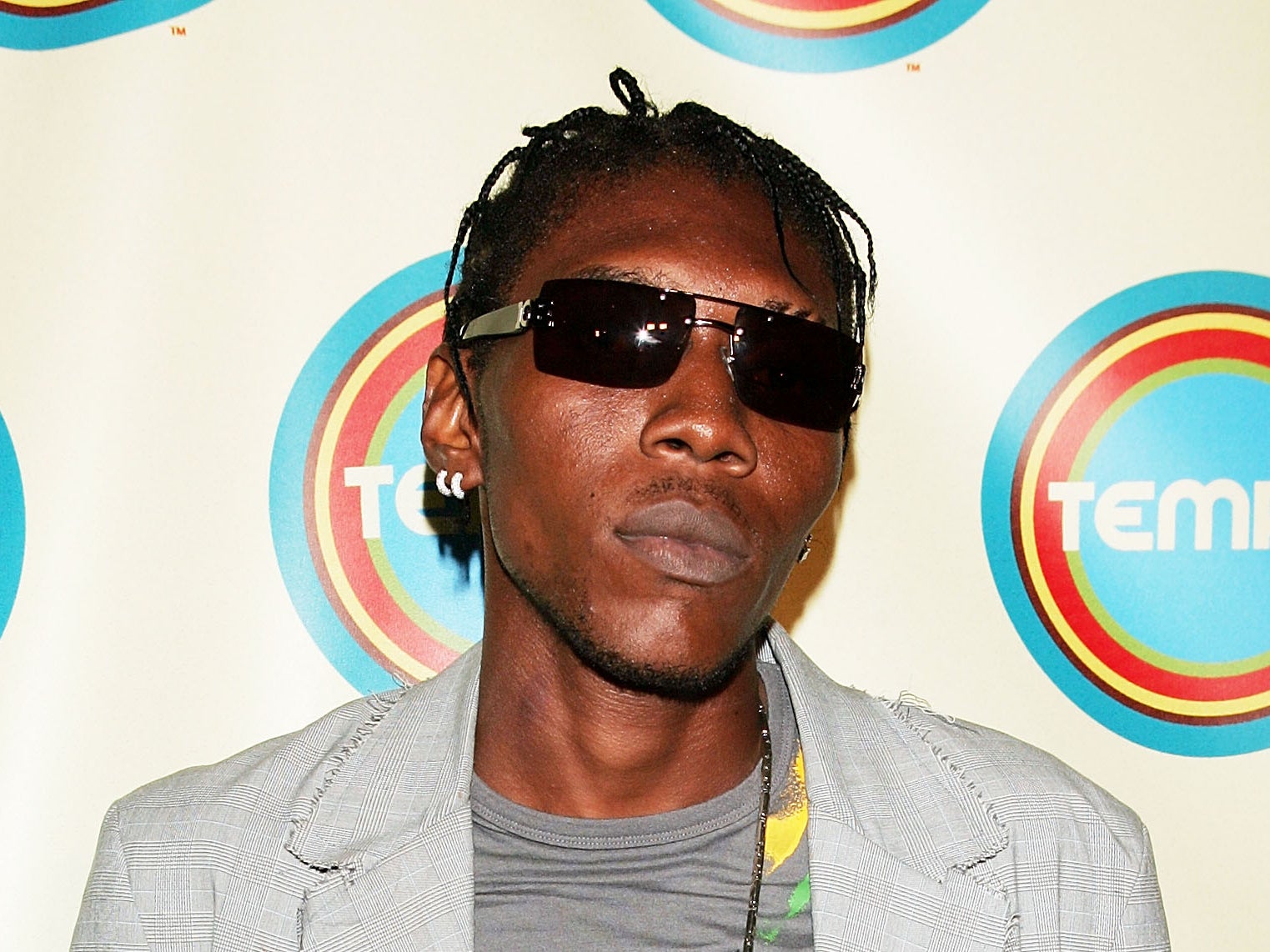
Understanding “what happened to Vybz Kartel” from a branding perspective requires looking beyond the legal headlines and examining how a singular individual transformed himself into an indestructible corporate identity.
Building the Gaza Empire: The Foundation of a Musical Brand
The foundation of the Vybz Kartel brand was built on the strategic use of tribalism and narrative-driven marketing. Long before social media “stans” became a recognized force in digital marketing, Kartel understood that a brand is most powerful when it provides its audience with a sense of identity and belonging.
Identifying the Archetype: The Rebel and the Anti-Hero
Kartel’s brand was meticulously crafted around the “Outlaw” or “Rebel” archetype. In marketing theory, this archetype appeals to consumers who feel alienated from the mainstream or who value freedom and revolution. By positioning himself as a voice for the marginalized residents of Portmore (his hometown, rebranded as “Gaza”), he created a brand that was not just about music, but about a lifestyle and a socio-political stance. This “Gaza” identity became a badge of honor for his followers, creating a level of brand loyalty that mirrored religious or political devotion.
Narrative Control through Feuds and Rivalries
One of the most effective tools in Kartel’s early brand strategy was the “Gaza vs. Gully” rivalry. This was a classic “Us vs. Them” marketing tactic, similar to the rivalry between Mac and PC or Coca-Cola and Pepsi. By engaging in a highly publicized feud with fellow artist Mavado (who represented “Gully”), Kartel forced the entire dancehall demographic to choose a side. This polarization didn’t just generate headlines; it increased “brand engagement” to unprecedented levels, ensuring that his name was constantly discussed in both traditional and informal media channels.
The Physics of Absence: Maintaining Brand Salience from Incarceration
The ultimate test of any brand is its ability to survive a crisis. For Vybz Kartel, his 2011 arrest and subsequent 2014 conviction represented a potential brand extinction event. However, the ensuing decade proved that a sufficiently strong brand can transcend the physical limitations of its founder.
Content Consistency as a Trust Signal
In the world of branding, consistency is the bedrock of trust. Despite being behind bars, the “Vybz Kartel” brand continued to release a staggering volume of content. Through a combination of unreleased archives and savvy digital distribution, Kartel’s team ensured that his voice remained a constant fixture on the airwaves and streaming platforms. This high frequency of “product launches” signaled to the market that the brand was still active, vibrant, and relevant, preventing competitors from filling the vacuum his absence might have created.
Leveraging the “Street Cred” Currency
In the niche of dancehall and hip-hop, “street credibility” is a high-value intangible asset. While incarceration would be a brand-killer for a corporate executive, for an artist rooted in the “Rebel” archetype, it can paradoxically increase brand equity. Kartel’s legal battles were integrated into his brand narrative, framing him as a victim of “the system.” This turned his legal status into a marketing asset, deepening the emotional connection with his core audience who felt similarly oppressed by societal structures.
Visual Identity and Commercial Expansion
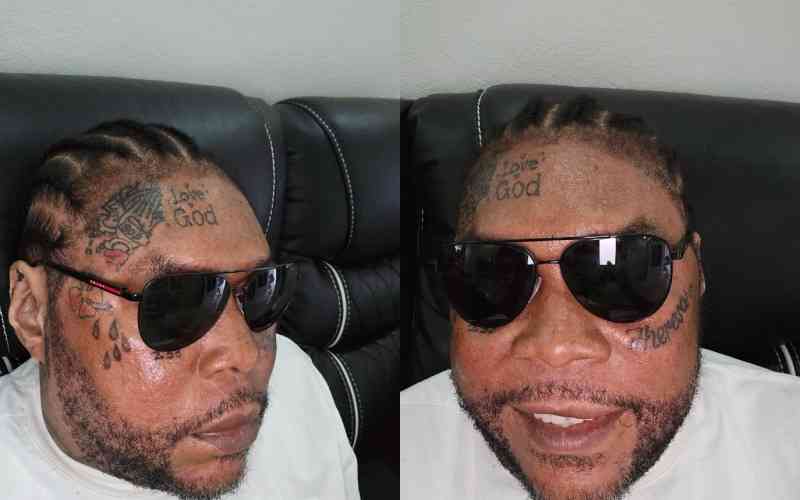
A brand is more than a voice; it is a visual and commercial ecosystem. Vybz Kartel’s brand strategy involved radical shifts in visual identity that kept the public captivated and the brand in a state of constant evolution.
Skin Bleaching and the Aesthetics of Controversy
Perhaps the most controversial chapter in the Kartel brand history was his decision to lighten his skin. From a branding perspective, this was an audacious move in “Attention Economics.” It generated massive amounts of earned media—publicity that is gained through means other than paid advertising. By challenging social norms and sparking global conversations about colorism and identity, Kartel ensured that his visual brand was as disruptive as his lyrical content. Whether the public approved or disapproved was secondary to the fact that they were talking about him.
Merchandise and Ecosystem Thinking
Kartel was one of the first dancehall artists to fully embrace the “ecosystem” model of branding. He didn’t just sell music; he sold products that allowed fans to physically interact with the brand. From his “Street Vybz” rum to his “Daggerin” condoms and his “Addi’s” shoe line, he extended his brand into multiple lifestyle categories. This diversification ensured that the brand remained visible in retail environments and daily life, further cementing his status as a cultural icon rather than just a musician.
Brand Resilience in the Face of Legal Crisis
The period between his conviction and his eventual release in 2024 served as a longitudinal study in brand resilience. When a brand’s “CEO” is incapacitated, the brand must rely on its core values and the strength of its community to survive.
Rebranding the Narrative: From Convict to Martyr
As the years of his incarceration passed, the Gaza movement shifted its marketing focus. The narrative moved from the aggressive “Gaza” posturing to a more somber, justice-oriented campaign. The “Free Kartel” slogan became a powerful brand extension, appearing on t-shirts, social media hashtags, and even in the lyrics of other artists. This transition successfully rebranded Kartel from a convicted felon into a “political prisoner” or a martyr for the culture, a move that preserved his brand’s dignity and marketability for over a decade.
Digital Footprint and Social Media Stewardship
In the digital age, a brand lives on the internet. During Kartel’s absence, his social media presence was meticulously managed. By using these platforms to share throwback content, legal updates, and messages to “Gaza Nation,” his management team maintained a direct line of communication with his audience. This digital stewardship ensured that when the news of his conviction being overturned finally broke in 2024, the brand was perfectly positioned to capitalize on the moment. The “re-launch” of Vybz Kartel was not a cold start; it was the activation of a warmed-up, highly expectant market.
Lessons for Modern Personal Branding
The story of Vybz Kartel offers several profound insights for entrepreneurs, influencers, and brand strategists operating in any industry.
The Power of Community Over Audience
The most significant takeaway from the Kartel brand is the distinction between an “audience” and a “community.” An audience watches; a community participates. By creating the “Gaza” identity, Kartel built a community that took ownership of his brand. They defended him in comment sections, bought his merchandise, and kept his music trending. For any personal brand, the goal should be to move beyond passive followers and create a “tribe” that feels a personal stake in the brand’s success.
Authenticity vs. Adaptability
Kartel’s brand demonstrates the delicate balance between being “authentic” to one’s roots and being “adaptable” to changing circumstances. While his core message of rebellion remained consistent, his methods of delivery—from physical records to streaming dominance, and from “badman” personas to “family man” glimpses in later years—evolved. This adaptability allowed the brand to age with its audience while still attracting new, younger fans.

Conclusion: The Indestructible Identity
What happened to Vybz Kartel is more than a legal saga; it is the story of a brand that refused to die. Through strategic archetype alignment, consistent content delivery, controversial visual identity, and masterful community building, Adidja Palmer created a personal brand that proved to be stronger than the walls of a prison. As he re-enters the physical world in 2024, he does so not as a forgotten relic of the past, but as a brand that is more valuable, more resilient, and more culturally significant than ever before. In the annals of marketing and personal branding, the “World Adid” remains a singular, peerless example of how to build an identity that can survive anything.
aViewFromTheCave is a participant in the Amazon Services LLC Associates Program, an affiliate advertising program designed to provide a means for sites to earn advertising fees by advertising and linking to Amazon.com. Amazon, the Amazon logo, AmazonSupply, and the AmazonSupply logo are trademarks of Amazon.com, Inc. or its affiliates. As an Amazon Associate we earn affiliate commissions from qualifying purchases.