
The legends of Olympus did not vanish into the mists of history; they simply migrated from the marble temples of the Mediterranean to the glass-walled boardrooms of the global economy. If you find yourself wondering what happened to the Greek gods, you need look no further than the labels in your closet, the apps on your phone, or the coffee cup in your hand. In the modern era, the pantheon has been repurposed. The divine attributes once attributed to Zeus, Athena, and Hermes have been distilled into brand equity, corporate identity, and strategic marketing.
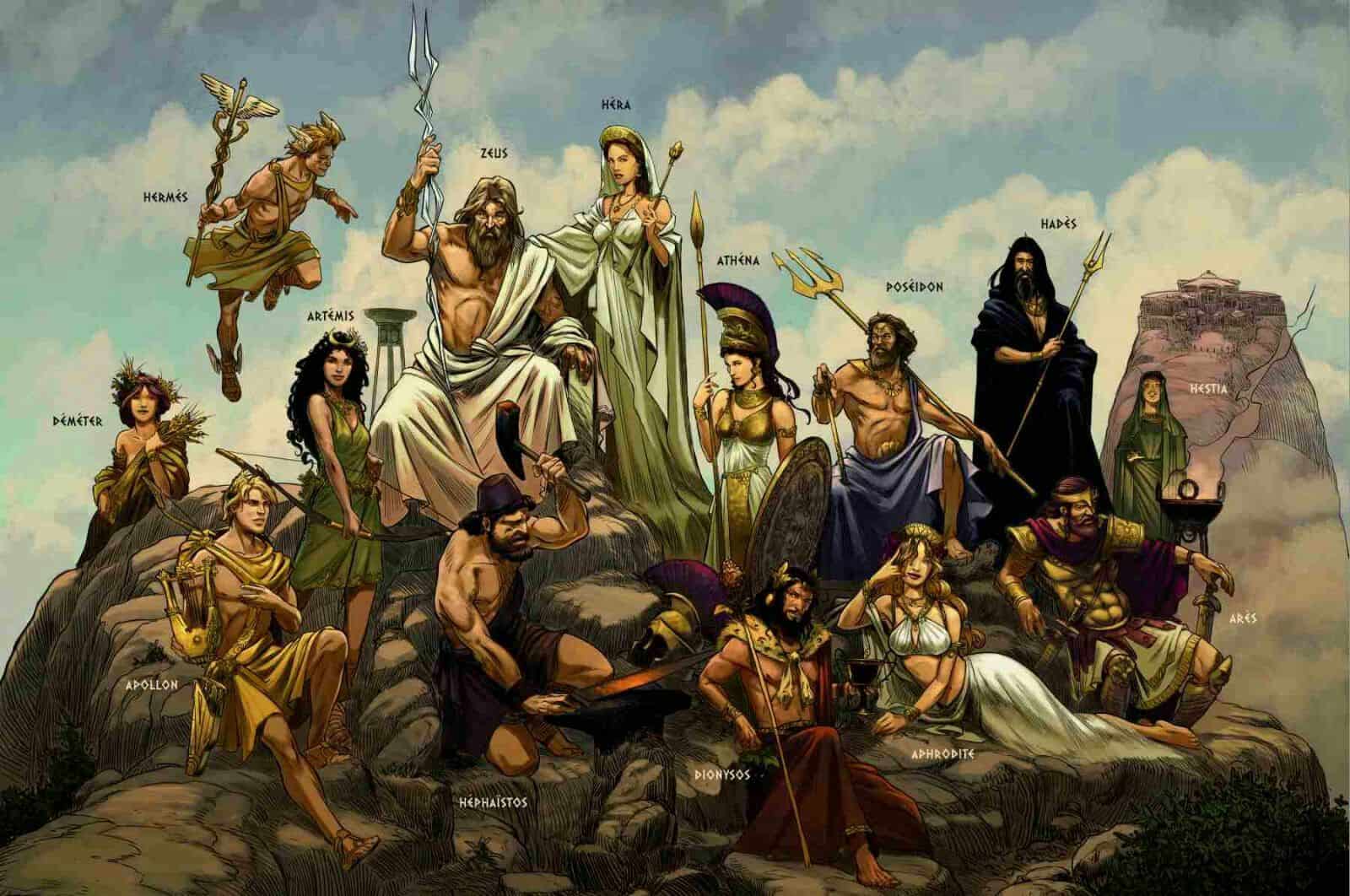
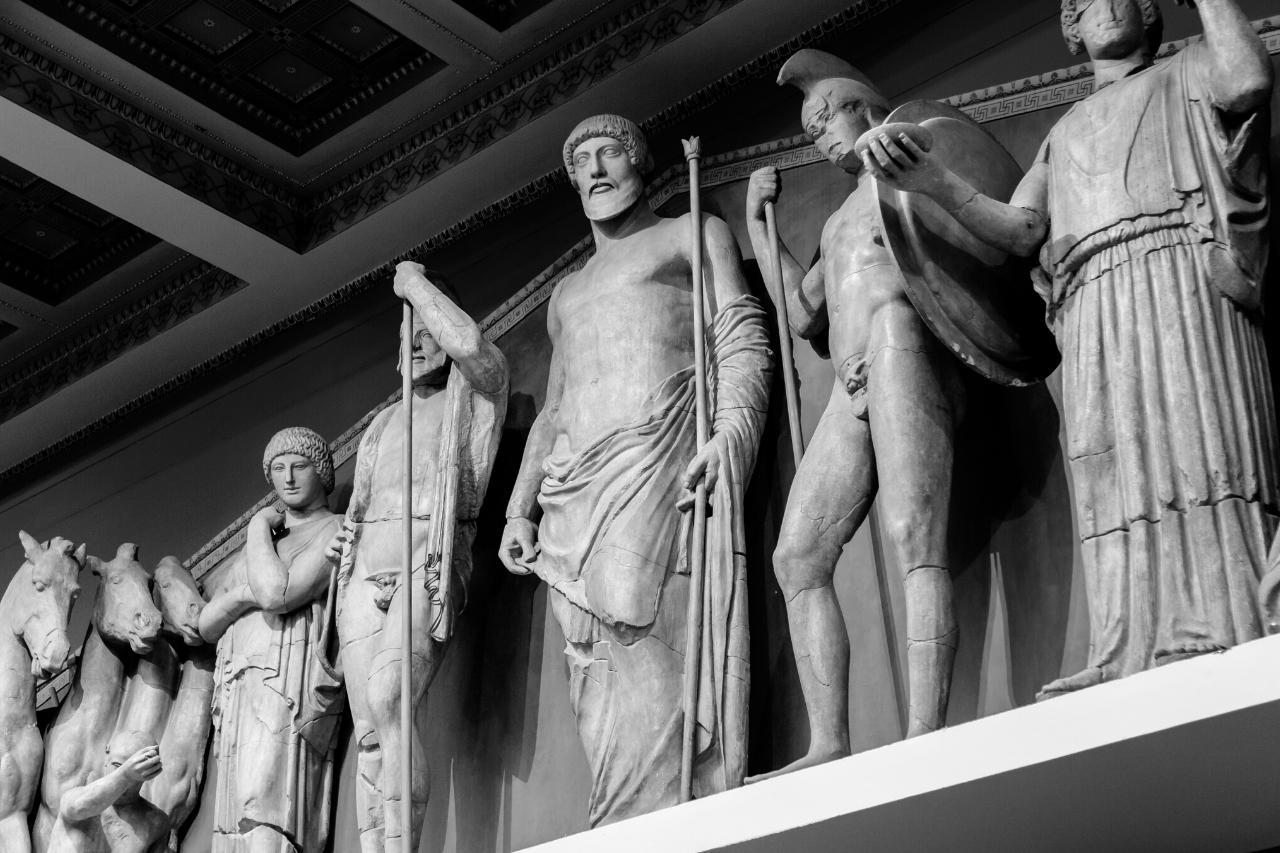
The transition from mythology to commerce is not accidental. As brand strategy has evolved from simple product labeling into deep psychological storytelling, companies have turned to ancient archetypes to build immediate resonance with consumers. By co-opting the visual and narrative power of the Greek gods, modern corporations have achieved a level of “divinity” in the marketplace, ensuring their longevity through the use of symbols that have already survived for millennia.
The Metamorphosis: From Mythological Figures to Corporate Idols
To understand what happened to the Greek gods, one must first understand the fundamental shift in how human beings perceive authority and power. In antiquity, gods were the arbiters of fate; today, brands are the arbiters of lifestyle and identity. This metamorphosis was driven by the need for companies to establish instant credibility and emotional connection in an increasingly crowded marketplace.
The Power of Symbolic Association
Brand strategy is, at its core, the management of perceptions. When a brand adopts a Greek name or symbol, it is bypassing the rational mind and speaking directly to the collective unconscious. The Greeks spent centuries refining these characters to represent specific human virtues: wisdom, speed, strength, and beauty. By tethering a corporate identity to these established “shortcuts,” a brand does not need to spend decades explaining its values. If a brand is named after Ares, the consumer immediately understands it as aggressive and competitive; if it is named after Athena, it is viewed as strategic and wise.
From Mount Olympus to Madison Avenue
The mid-20th century marked the “Golden Age” of mythological branding. As the advertising industry matured, creative directors realized that the Greek pantheon offered a pre-vetted library of intellectual property. These figures were in the public domain, yet they carried a “premium” aura that elevated mundane products. What happened to the Greek gods was a strategic commodification. They were transformed from objects of worship into high-performance marketing assets. This shift allowed brands to claim a sense of heritage—even if the company was founded only a few years prior—by piggybacking on the 3,000-year history of the Hellenic tradition.
Case Studies in Divine Branding: The Modern Pantheon
The most successful brands in history are those that didn’t just borrow a name, but fully integrated the “god-complex” into their corporate DNA. By examining these case studies, we see exactly how ancient archetypes are functioning in the 21st-century economy.
Nike: The Goddess of Victory as a Global Icon
Perhaps the most famous example of a Greek god’s survival is Nike. In 1971, Blue Ribbon Sports rebranded itself after the Greek goddess of victory. The choice was a masterclass in brand positioning. Nike was not just a winged deity; she was the personification of the moment of triumph. The “Swoosh” logo itself is a minimalist representation of the goddess’s wing.
By aligning with Nike, the brand moved away from being a mere shoe manufacturer and became a facilitator of the “victory” archetype. Every time a consumer puts on a pair of sneakers, they are participating in a ritual of empowerment. The goddess didn’t disappear; she became a global shorthand for athletic excellence.
Hermes and the Logistics of Modern Commerce
While the luxury house Hermès takes its name from its founder, Thierry Hermès, the brand’s identity is inextricably linked to the Greek messenger god, Hermes (Mercury in the Roman tradition). Hermes was the god of travelers, boundaries, and commerce. In the world of brand strategy, the Hermes archetype represents the “facilitator”—the one who moves goods and messages between worlds.
We see this archetype replicated across the logistics and tech sectors. Whether it is the winged foot in a delivery company’s logo or the rapid-fire communication of a messaging app, the spirit of Hermes remains the patron saint of the global supply chain. The god of the “liminal space” now governs the efficiency of our digital and physical deliveries.
Starbucks and the Siren: Capturing Ancient Allure
Though not a “god” in the traditional sense, the Starbucks Siren is a direct descendant of Greek mythology. The original sirens were creatures that lured sailors with their enchanting music. In a brilliant—and perhaps slightly subversive—bit of branding, Starbucks chose the Siren to represent the “allure” of their coffee.
The brand strategy here was to position the product as something irresistible, a “calling” that the consumer cannot ignore. Over the years, the Siren logo has been stylized and simplified, moving from a literal mythological figure to a green-and-white icon. What happened to the Siren is what happens to all successful brand gods: she became a “super-sign,” a symbol so powerful it no longer needs a name to be recognized.
Why Archetypes Endure in Brand Strategy
The persistence of Greek mythology in modern branding is not merely a matter of aesthetic preference; it is rooted in deep-seated psychological and strategic principles. In a world of fleeting trends, the “gods” offer a sense of permanence.
Psychological Resonance and Jungian Theory
Carl Jung proposed that archetypes are universal, inborn models of people, behaviors, or personalities that play a role in influencing human behavior. Modern brand strategy utilizes these archetypal “gods” because they trigger predictable emotional responses. A brand that adopts the “Protector” archetype (like Hera) or the “Creator” archetype (like Hephaestus) taps into a pre-existing neurological pathway in the consumer. This makes the brand feel familiar, safe, and “right,” even upon the first encounter.
Building Trust through Historical Weight
In the “Money” and “Tech” sectors, trust is the primary currency. One of the greatest challenges for a new brand is the lack of history. By invoking the Greek gods, a brand effectively “borrows” the weight of history. It suggests that the brand is part of a lineage that stretches back to the foundations of Western civilization. This is why we see “Oracle” in tech and “Titan” in finance. These names suggest a level of stability and foresight that a completely invented, abstract name often fails to communicate.
The Future of Mythological Branding in a Digital Age
As we move further into the 21st century, the way we use Greek mythology in branding is shifting from literal names to “mythological behaviors.” The gods are being reimagined for the era of Artificial Intelligence, Big Data, and Personal Branding.
Personal Branding and the Cult of the Individual
What happened to the Greek gods is that they have become blueprints for “Personal Brands.” In the age of social media, influencers and CEOs often adopt the traits of specific deities to build their following. A tech mogul might project the “Zeus” persona—the thunderbolt-wielding, top-down leader—while a wellness influencer might lean into the “Demeter” or “Aphrodite” archetype. The pantheon has been decentralized; we are no longer just consumers of the gods, we are encouraged to embody them to increase our own “market value.”
Moving Beyond the Pantheon: Niche Mythologies
While the primary Olympians have been thoroughly claimed by corporate giants, modern brand strategy is beginning to look toward more obscure myths and “New Myths” to differentiate in a saturated market. Brands are now looking for the “untold” stories of mythology to create a sense of exclusivity and niche expertise. However, the core principle remains the same: the human brain craves narrative, and the Greek gods provide the most robust narrative framework ever devised.
Conclusion: The Immortality of the Brand-God
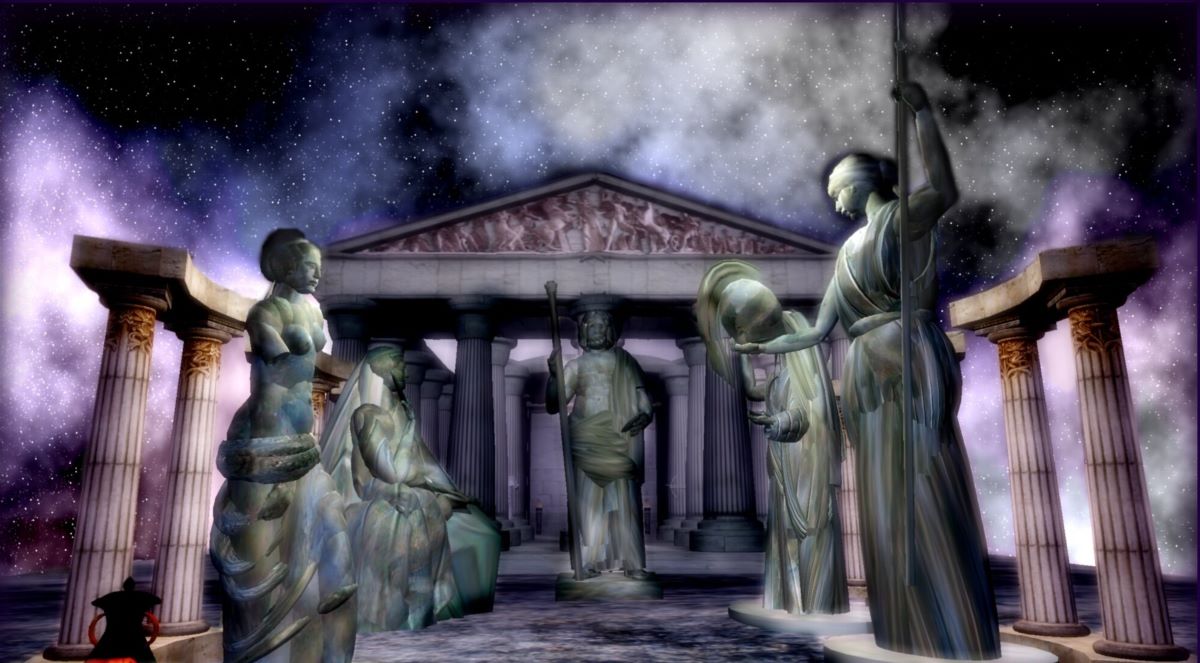
The question of “what happened to the Greek gods” has a definitive answer: they became the architecture of our modern commercial world. They didn’t die out with the rise of new religions or the fall of empires; they simply found a more efficient way to remain immortal. By embedding themselves in our logos, our company names, and our brand stories, they continue to influence our choices, our aspirations, and our identities.
For the modern brand strategist, the Greek gods are a reminder that while technology and mediums change, human nature does not. We still look for wisdom, we still crave victory, and we are still lured by the siren call of a well-told story. As long as brands need to communicate complex values in a single glance, the gods of Olympus will continue to reign over the global marketplace, proving that the most effective way to build a brand for the future is to anchor it in the myths of the past.
aViewFromTheCave is a participant in the Amazon Services LLC Associates Program, an affiliate advertising program designed to provide a means for sites to earn advertising fees by advertising and linking to Amazon.com. Amazon, the Amazon logo, AmazonSupply, and the AmazonSupply logo are trademarks of Amazon.com, Inc. or its affiliates. As an Amazon Associate we earn affiliate commissions from qualifying purchases.