
The Challenger disaster on January 28, 1986, remains one of the most significant turning points in the history of aerospace technology. While the visual of the Space Shuttle breaking apart 73 seconds into flight is etched into the global consciousness, the technical reality of what followed—the search, the recovery, and the forensic identification of the crew—represents a massive undertaking in deep-sea engineering and pathological science. Understanding what happened to the bodies of the Challenger crew requires a deep dive into the specialized technology used to locate remains in the Atlantic Ocean and the forensic breakthroughs that transformed how we analyze catastrophic structural failures.
The Mechanics of Structural Failure and the Survival of the Crew Cabin
To understand the recovery efforts, one must first analyze the technical specifications of the breakup. Contrary to popular belief, the Challenger did not “explode” in the traditional sense. Instead, a failure in the O-ring seal of the right Solid Rocket Booster (SRB) allowed pressurized hot gas to reach the external fuel tank. This caused a structural failure of the tank, releasing liquid hydrogen and oxygen which ignited, creating a massive fireball.
Aerodynamic Forces and Cabin Integrity
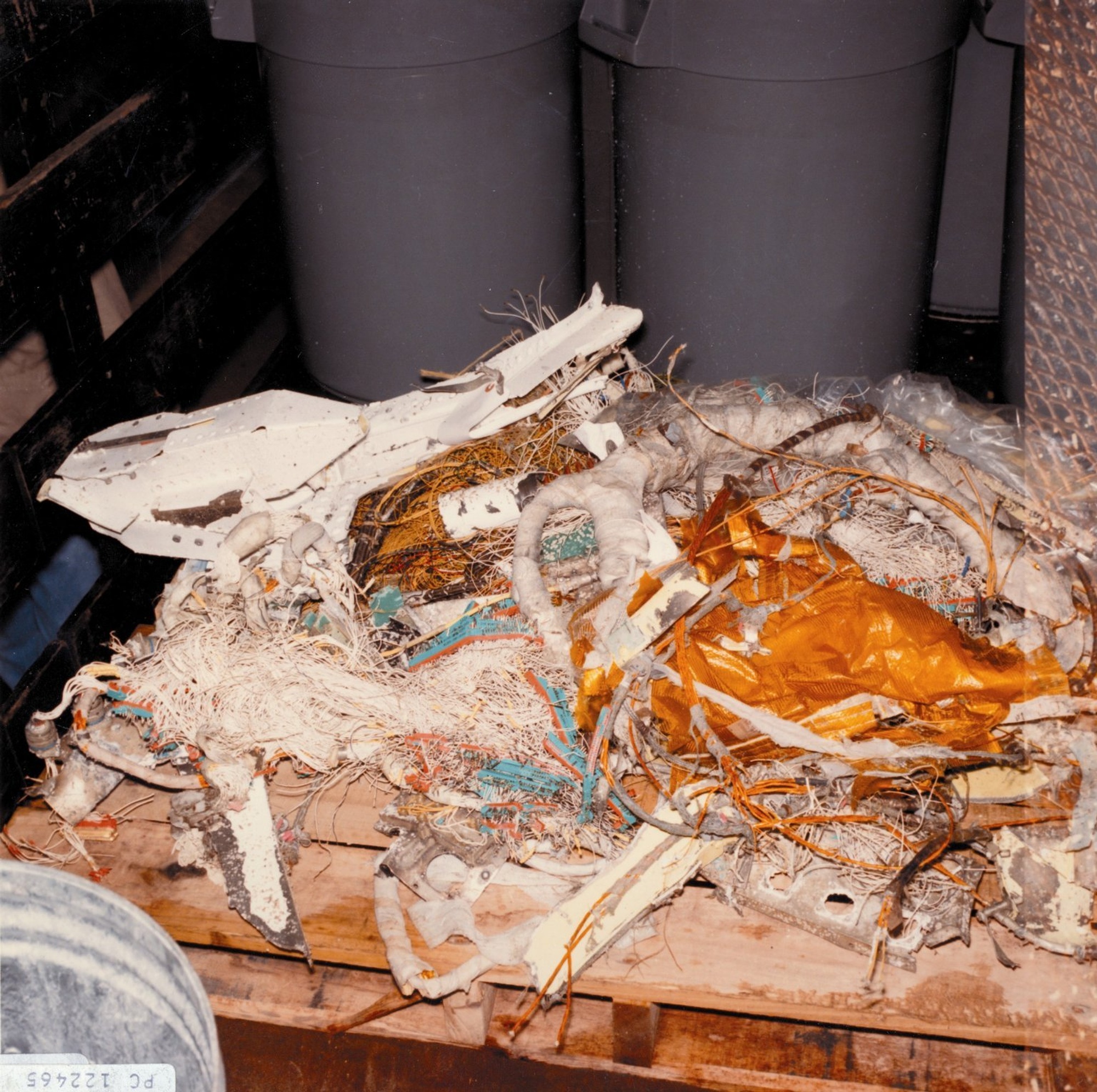
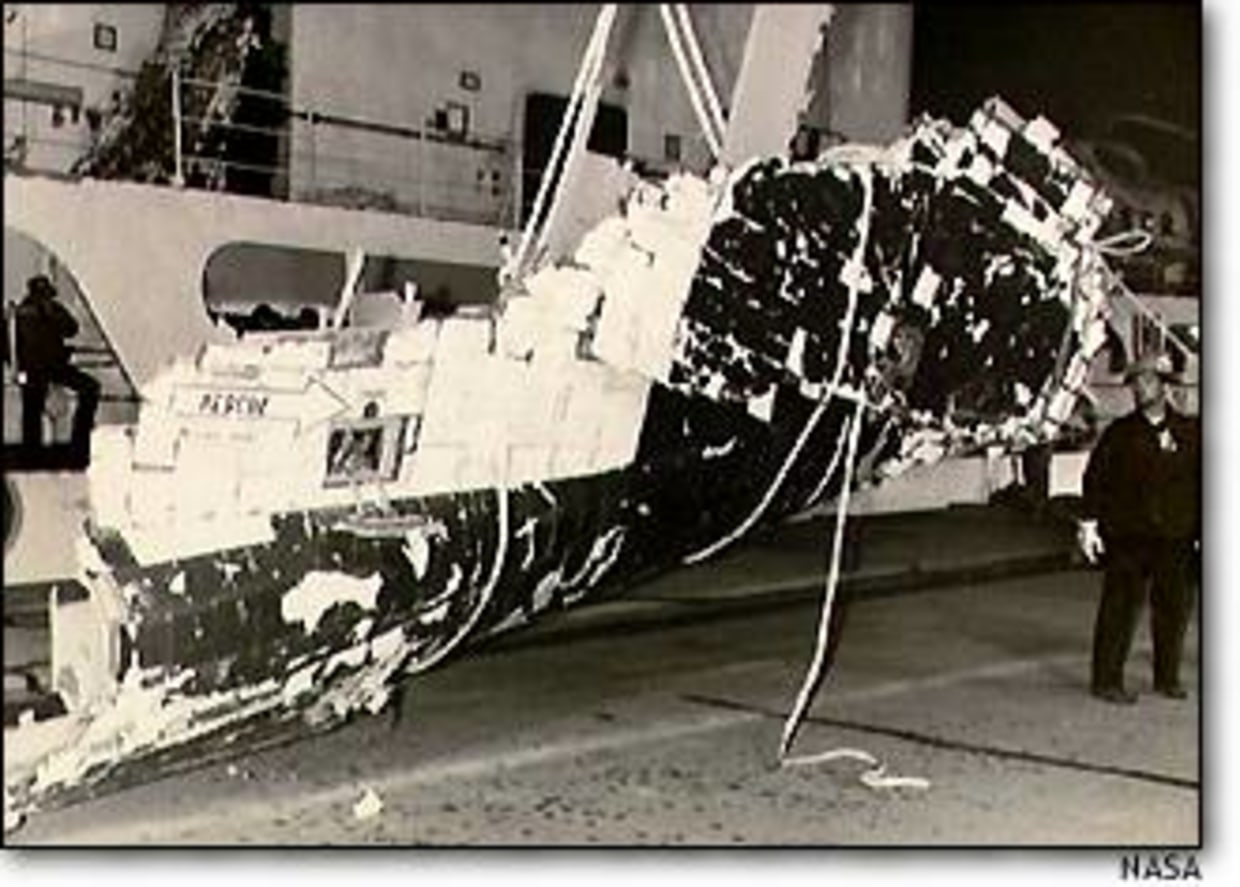
The crew cabin, constructed of reinforced aluminum and designed to withstand the rigors of spaceflight, was the most robust part of the shuttle. When the orbiter disintegrated due to extreme aerodynamic loads, the crew compartment remained largely intact. It was severed from the rest of the vehicle and continued on a ballistic trajectory. Technical analysis of the recovered wreckage later confirmed that the cabin reached an altitude of approximately 65,000 feet before beginning a freefall toward the ocean.
Telemetry and Life Support Data
The data recovered from the crew’s Personal Egress Air Packs (PEAPs) provided chilling technological insights. Analysis showed that several of the air packs had been manually activated, a task that would have been impossible if the crew had been instantly killed or rendered unconscious by the initial breakup. This technical evidence suggested that the crew survived the initial structural failure and remained conscious until the cabin impacted the surface of the Atlantic at roughly 200 miles per hour. The force of this impact—estimated at 200 Gs—was the definitive cause of death, far exceeding the structural limits of both the cabin and the human body.
Deep-Sea Recovery and Remote Sensing Technology
The mission to recover the Challenger crew was one of the largest maritime salvage operations in history, involving the U.S. Navy, the Coast Guard, and private contractors. The search area covered over 450 square nautical miles, requiring a sophisticated suite of remote sensing technologies to locate debris at depths ranging from 70 to 1,200 feet.
Side-Scan Sonar and Magnetic Detection
The primary tools used for the initial search were side-scan sonar and towed pinger locators. Side-scan sonar works by transmitting sound pulses toward the seafloor and recording the intensity of the echoes. By analyzing the “acoustic shadows” cast by objects, searchers could identify man-made structures amidst the natural topography of the ocean floor. Because the shuttle’s components were made of specific metal alloys, magnetic anomaly detectors were also deployed to pinpoint high-density debris fields that could contain the crew compartment.
The Role of Submersibles and ROVs
Once potential targets were identified, the Navy deployed manned submersibles and Remotely Operated Vehicles (ROVs). The NR-1, a nuclear-powered deep-submergence research submarine, played a critical role. Equipped with high-resolution cameras and external manipulators, the NR-1 allowed engineers to visually confirm the location of the crew cabin on the ocean floor. The recovery of the remains required extreme precision; divers and ROVs had to navigate a “tangle of wire and jagged metal” to respectfully and securely retrieve the crew members. The technology used here paved the way for modern underwater forensic recovery, emphasizing the need for stabilized platforms and high-definition optical sensors in turbid environments.
Forensic Identification and Pathological Analysis Technology
Once the remains were brought to the surface and transported to the Life Sciences pathology lab at Cape Canaveral, the focus shifted from engineering to forensic science. The identification of the seven crew members—Francis R. Scobee, Michael J. Smith, Judith A. Resnik, Ellison S. Onizuka, Ronald E. McNair, Gregory B. Jarvis, and Christa McAuliffe—required a multi-disciplinary technical approach.
Dental Radiography and Skeletal Mapping
In 1986, DNA sequencing was not yet the streamlined tool it is today. Forensic pathologists relied heavily on comparative dental radiography and skeletal mapping. By comparing antemortem (before death) X-rays with postmortem data, medical examiners could confirm identities with 100% certainty. The technology used to clean and stabilize remains recovered from salt water was also highly specialized, as the corrosive nature of the ocean environment can rapidly degrade biological evidence.
Impact Biomechanics and Forensic Modeling
A significant portion of the forensic work involved “impact biomechanics”—the study of how high-velocity forces affect human tissue and bone. By analyzing the fractures and trauma patterns, scientists could reconstruct the orientation of the crew at the moment of impact. This data was fed into computer models to determine whether any safety equipment could have saved the crew. The conclusion was a technological catalyst: at those speeds, no existing restraint or cushioning system could have prevented the tragedy. This realization shifted the focus from “surviving the impact” to “preventing the impact” through abort systems and escape capsules.
Technological Legacy: The Evolution of Launch Escape Systems
The recovery and subsequent analysis of the Challenger crew led to a total overhaul of NASA’s safety technology. The “Return to Flight” program was not just about fixing a faulty O-ring; it was about redesigning the interface between the human crew and the machine.
The Redesign of the Solid Rocket Booster (SRB)
The most immediate tech fix was the redesign of the SRB joints. Engineers added a “capture latch” to provide a mechanical seal even if the O-rings failed, and a third O-ring was added to the design. Furthermore, heaters were installed to ensure that the rubber seals would remain pliable even in freezing temperatures, addressing the specific hardware failure that led to the disaster. These sensors and heating elements became standard components in subsequent shuttle missions.
Crew Escape Systems and Modern Innovations
Perhaps the most lasting technological impact was the development of the Crew Escape System (CES). For the remaining years of the Shuttle program, NASA implemented a telescopic “escape pole” and specialized pressurized flight suits (the “pumpkin suits”). While these were designed for bailouts during gliding flight rather than mid-launch disasters, they represented a shift in safety philosophy.
Today, this legacy is seen in the “Launch Abort Systems” (LAS) used by SpaceX’s Crew Dragon and Boeing’s Starliner. Unlike the Shuttle, which had “black zones” where escape was impossible, modern capsules are equipped with powerful abort engines that can pull the crew cabin away from a failing rocket at any stage of the flight. This “puller” technology is a direct technological descendant of the hard lessons learned from the Challenger recovery.
Data Preservation and the Future of Forensic Engineering
The Challenger disaster taught the tech world that hardware failure is often a precursor to systemic failure. The recovery of the crew’s remains was not just an act of closure for the families, but a critical data-gathering mission that informed thirty years of aerospace engineering.
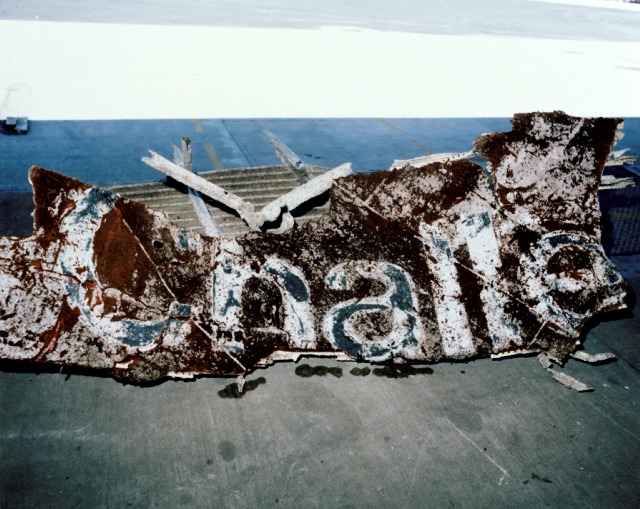
The debris from the Challenger, including the remnants of the crew cabin, is currently entombed in two abandoned Minuteman missile silos at Cape Canaveral Space Force Station. These silos serve as a grim but necessary archive of engineering data. Periodically, as new scanning technologies emerge, researchers look back at the Challenger data to refine their understanding of hypersonic fluid dynamics and structural fatigue.
In conclusion, what happened to the bodies of the Challenger crew was a tragedy that was met with the full force of 20th-century technology. From the side-scan sonar that found them in the depths of the Atlantic to the forensic modeling that explained their final moments, the process was a testament to the importance of technical rigor. The tech derived from this disaster ensures that today’s astronauts fly in vehicles designed with a “safety-first” architecture, turning a moment of profound loss into a foundation for the future of space exploration.
aViewFromTheCave is a participant in the Amazon Services LLC Associates Program, an affiliate advertising program designed to provide a means for sites to earn advertising fees by advertising and linking to Amazon.com. Amazon, the Amazon logo, AmazonSupply, and the AmazonSupply logo are trademarks of Amazon.com, Inc. or its affiliates. As an Amazon Associate we earn affiliate commissions from qualifying purchases.