
The mobile gaming landscape is one of the most volatile sectors in the technology industry. Apps that surge to the top of the charts one month can vanish into digital obscurity the next, often leaving users wondering what happened to the software they spent hours engaging with. One of the most high-profile examples of this phenomenon in recent years is Mighty DOOM. Developed by Alpha Dog Games and published by Bethesda Softworks, Mighty DOOM represented a significant technical and stylistic pivot for one of the most storied franchises in gaming history. However, despite a polished launch and a dedicated user base, the game was officially sunset in August 2024.

Understanding what happened to Mighty DOOM requires a deep dive into the technical lifecycle of mobile software, the shifts in the broader tech ecosystem, and the brutal reality of the “live service” model that dominates modern app development.
The Evolution of the DOOM Franchise into the Mobile Space
The transition of a hardcore, triple-A franchise like DOOM—known for its intense graphics and high-speed gameplay—into a mobile-friendly app was no small technical feat. Mighty DOOM was designed to bring the “slay and tear” philosophy to a portrait-oriented, single-touch interface, representing a unique experiment in software adaptation.
Adapting Triple-A Mechanics for Touchscreens
The primary challenge for Alpha Dog Games was translating the complex movement and combat of DOOM Eternal into a mobile environment. From a tech perspective, this required a radical simplification of inputs. The developers settled on a “top-down shooter” framework with roguelite elements. This allowed the app to utilize a “one-touch” control scheme where the player moves with a virtual joystick and the software handles targeting and firing automatically based on proximity.
This technical choice was critical for the app’s accessibility. By automating the most mechanically demanding aspects of the shooter genre, the developers optimized the experience for mobile hardware, ensuring that the game felt fluid even on mid-range smartphones. This accessibility helped the app gain millions of downloads shortly after its global release in March 2023.
The “Run-and-Gun” Loop in a Mobile Context
To maintain user engagement, Mighty DOOM utilized a sophisticated gameplay loop driven by procedural generation and incremental upgrades. Each “run” through a level was technically distinct, a common feature in modern mobile apps designed to increase replayability without requiring massive amounts of static storage space. By utilizing randomized room layouts and power-up combinations, the software remained lightweight while offering a sense of depth. This marriage of legacy IP and modern mobile tech trends initially positioned Mighty DOOM as a standout performer in Bethesda’s mobile portfolio.
The Technical Infrastructure of a Live Service Mobile Game
Like most modern mobile applications, Mighty DOOM was built as a “live service” product. This meant that the game was not a static piece of software but a dynamic platform that relied heavily on cloud-based infrastructure and constant server-side updates.
Cloud Dependencies and the “Always-Online” Mandate
One of the defining technical characteristics of Mighty DOOM was its requirement for a constant internet connection. The app relied on remote servers to validate player progress, manage the in-game economy, and distribute daily challenges. While this allowed for real-time adjustments and anti-cheat measures, it also created a fundamental vulnerability. The software’s lifespan was tethered directly to the maintenance of these servers. Unlike traditional software that can be owned and run locally, Mighty DOOM existed as a bridge between the client-side app on the user’s phone and the host-side infrastructure managed by Bethesda.
Post-Launch Updates and Technical Scaling
In the tech world, the launch of an app is merely the beginning of its lifecycle. For over a year, Mighty DOOM received regular “seasons” and technical patches. These updates were necessary to keep the app compatible with evolving mobile operating systems (iOS and Android) and to introduce new content to prevent user churn.
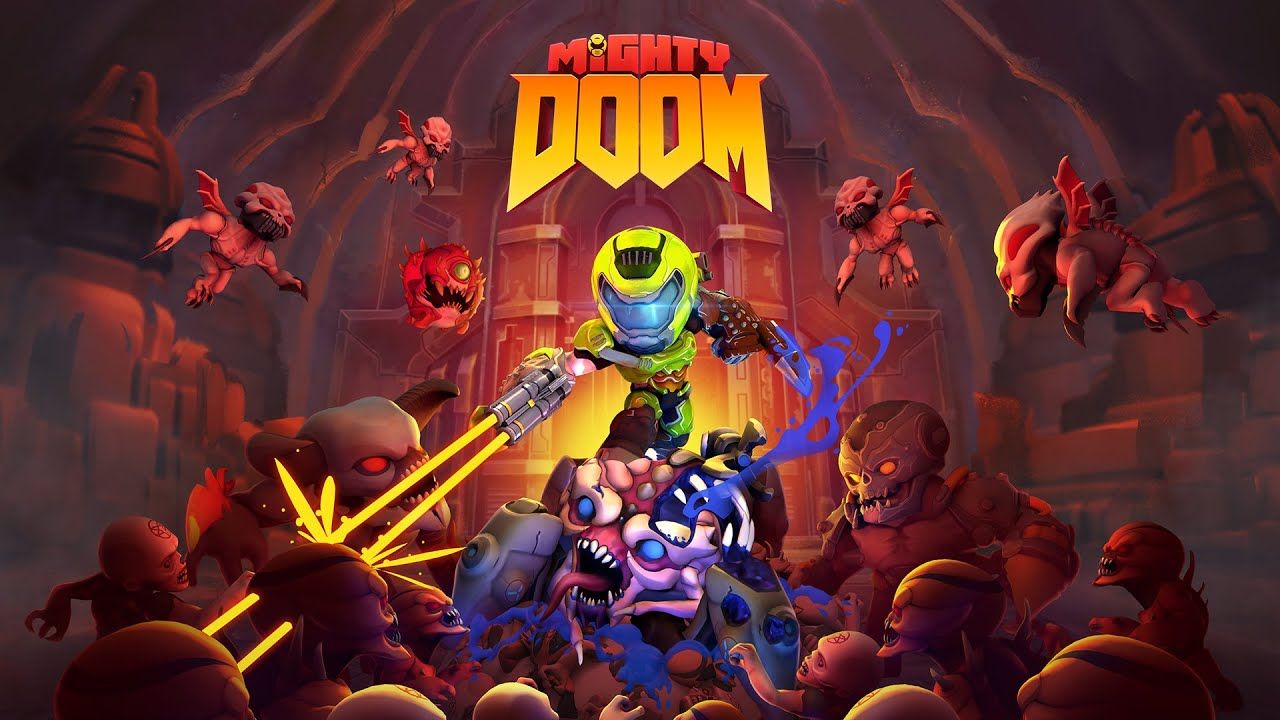
The technical scaling involved in these updates included new 3D assets, refined enemy AI, and seasonal events that changed the game’s aesthetic. However, maintaining this level of constant iteration requires a dedicated team of developers, QA testers, and server engineers. When the cost of this technical maintenance begins to outweigh the revenue generated by the app, the software’s future becomes precarious.
Why the Servers Went Dark: The Reality of Modern App Ecosystems
Despite its technical polish, Mighty DOOM became a casualty of larger shifts within the technology and corporate landscape. The answer to “what happened” lies not in the failure of the app itself, but in a strategic pivot by its parent companies, Microsoft and ZeniMax Media.
The Volatility of the Mobile App Market
The mobile app market is currently facing a “saturation crisis.” With millions of apps vying for user attention, even high-quality products can struggle to maintain a profitable “Daily Active User” (DAU) count. For a tech giant like Microsoft, which acquired ZeniMax (and by extension Bethesda) in 2021, the threshold for success is incredibly high. If an app is not performing at a “megahit” level, the technical resources required to keep it running are often reallocated to higher-priority projects.
In May 2024, Microsoft announced a major restructuring of its gaming division. This included the closure of several studios, including Alpha Dog Games, the creators of Mighty DOOM. With the development team disbanded, the technical roadmap for the app effectively ceased to exist.
Microsoft’s Strategic Pivot and Studio Consolidation
The decision to shut down Mighty DOOM was part of a broader trend in the tech industry toward consolidation and efficiency. As the cost of capital has risen, major tech firms have moved away from experimental or niche software in favor of “core” franchises and services.
The shutdown process for Mighty DOOM followed a standard technical “sunset” protocol:
- Disabling Microtransactions: In May 2024, the ability to make in-game purchases was removed.
- Removal from Stores: The app was delisted from the Apple App Store and Google Play Store, preventing new users from downloading it.
- Server Decommissioning: On August 7, 2024, the servers were officially turned off. Because the game was built on an “always-online” architecture, the app became completely unplayable, even for those who still had it installed on their devices.
Lessons Learned: The Future of Legacy IP in the App Store
The story of Mighty DOOM serves as a cautionary tale about the intersection of legacy brands and modern mobile technology. It highlights several critical trends that will define the future of the app ecosystem.
The Sustainability of Licensed Software
When a tech company licenses a famous IP like DOOM for a mobile app, it creates a high-pressure environment. The app must not only be technically sound but also align with the brand’s identity while meeting aggressive monetization targets. Mighty DOOM proved that it is possible to translate “hardcore” IP into a “casual” mobile format successfully, but it also demonstrated that technical success does not guarantee long-term survival in a corporate environment focused on massive scalability.

Preservation Challenges in the Digital-Only Era
Perhaps the most significant tech-related takeaway from the disappearance of Mighty DOOM is the issue of software preservation. In the era of physical media, a game could be played decades after its release. In the modern tech era, particularly with mobile apps, software is often “ephemeral.”
Because Mighty DOOM was a server-dependent application, it has effectively ceased to exist as a functional piece of technology. This “digital ghosting” is becoming more common as companies retire apps that are no longer deemed financially viable. For the tech community, this raises important questions about how we preserve the history of mobile software and the work of developers when the underlying infrastructure is proprietary and cloud-based.
In conclusion, Mighty DOOM didn’t disappear because of a lack of quality or a technical failure. It vanished because the technical and financial costs of maintaining a live service app in a hyper-competitive market eventually clashed with the strategic consolidation goals of one of the world’s largest tech companies. As we move forward, the lifecycle of Mighty DOOM—from a highly anticipated release to a total server shutdown in less than 18 months—will likely become a standard case study for the volatility of the mobile software industry.
aViewFromTheCave is a participant in the Amazon Services LLC Associates Program, an affiliate advertising program designed to provide a means for sites to earn advertising fees by advertising and linking to Amazon.com. Amazon, the Amazon logo, AmazonSupply, and the AmazonSupply logo are trademarks of Amazon.com, Inc. or its affiliates. As an Amazon Associate we earn affiliate commissions from qualifying purchases.