
The story of the Menendez family is often framed through the lens of true crime and psychological drama. However, beneath the sensational headlines of the 1990s lies a complex and cautionary tale of high-net-worth estate management, asset depletion, and the volatile nature of inherited wealth. When Jose and Kitty Menendez were killed in their Beverly Hills home in 1989, they left behind an estate valued at approximately $14.5 million. Today, that fortune—which would be worth over $35 million in inflation-adjusted dollars—is effectively non-existent.
Understanding what happened to the Menendez estate requires a deep dive into the mechanics of probate, the crushing weight of estate taxes, and the financial drain of protracted legal battles. It serves as a stark case study for personal finance enthusiasts and estate planners on how quickly a multi-million dollar portfolio can evaporate when faced with mismanagement and unforeseen liabilities.
The Valuation of the Menendez Empire in 1989
At the time of his death, Jose Menendez was the epitome of the “American Dream” corporate success story. As the CEO of LIVE Entertainment (a subsidiary of Carolco Pictures), he had amassed a portfolio that spanned real estate, corporate stock, and significant life insurance policies. To the public, the Menendez brothers, Lyle and Erik, were poised to inherit a dynasty.
Real Estate Assets: The Beverly Hills Mansion and Beyond
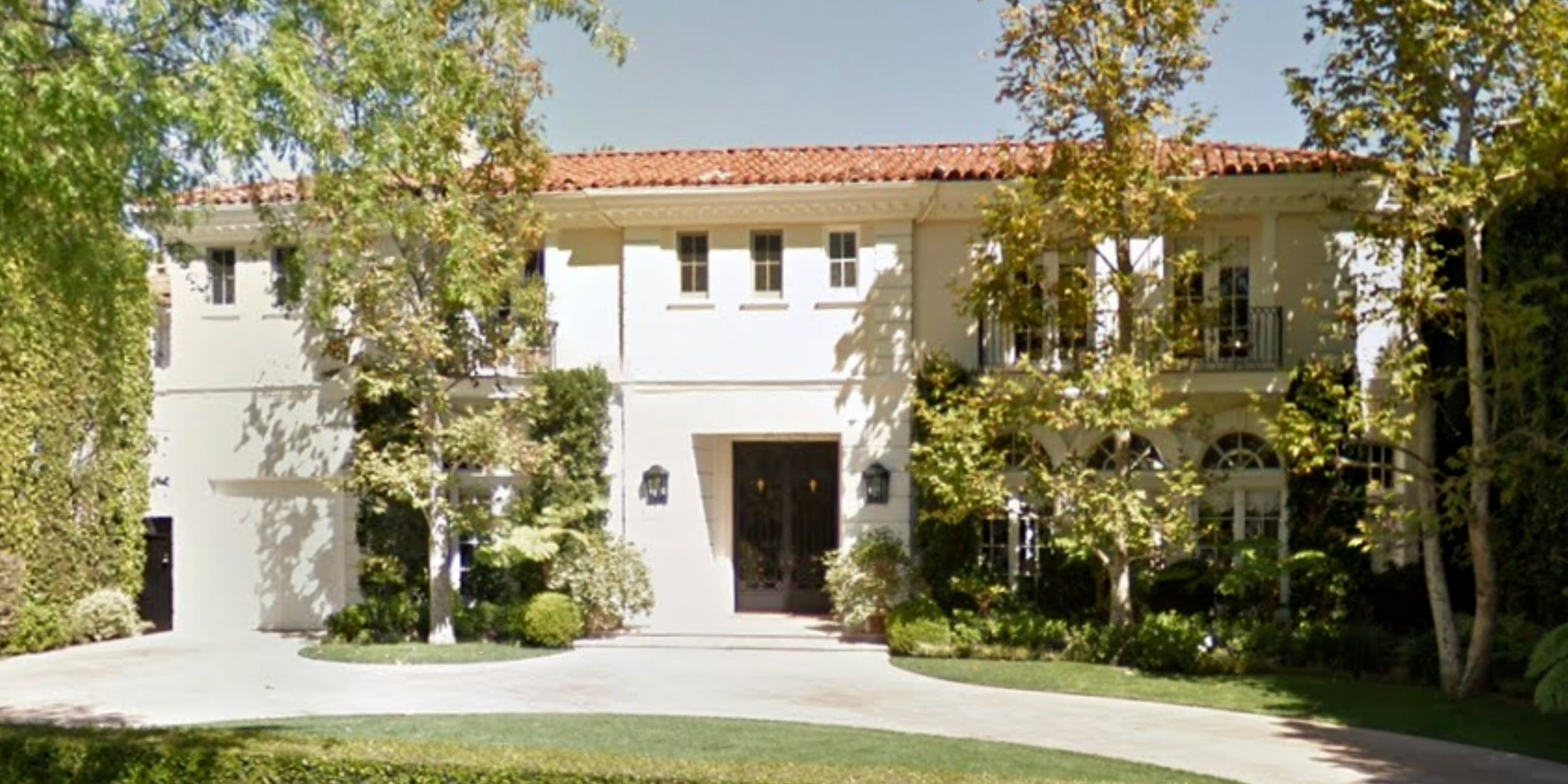
The crown jewel of the estate was the Mediterranean-style mansion located at 722 North Elm Drive in Beverly Hills. Purchased by Jose in 1988 for $4 million, the property was a symbol of his arrival in the upper echelons of Hollywood society. Additionally, the family owned a secondary property in Calabasas and held various land interests. In the context of 1980s real estate, these were “blue chip” assets, expected to appreciate significantly. However, as we will see, real estate value is highly sensitive to “stigma,” a financial factor that would later decimate the home’s marketability.
Corporate Holdings and Life Insurance Liquidations
Beyond physical property, a significant portion of the $14.5 million valuation was tied to Jose’s executive compensation packages and life insurance. Initially, there were rumors of a $15 million life insurance policy. However, it was later revealed that while Jose had applied for such a policy, he had not completed the required physical examination before his death. The estate did receive a $5 million payout from a policy held by LIVE Entertainment, but even this influx of liquidity was quickly earmarked for debts and corporate obligations rather than the beneficiaries’ pockets.
The Rapid Erosion of Wealth: Probate, Taxes, and Legal Fees
High-net-worth estates are rarely as liquid as they appear on paper. The gap between “gross value” and “net value” is often a chasm filled with government claims and administrative costs. The Menendez estate became a prime example of how “phantom wealth” disappears during the probate process.
The Impact of Estate Taxes on High-Net-Worth Individuals
In the early 1990s, the federal estate tax (often called the “death tax”) was significantly more aggressive than it is today. For an estate valued at over $10 million, the marginal tax rate reached upwards of 55%. Because the Menendez estate was not shielded by a sophisticated network of irrevocable trusts or charitable foundations—tools often used by the ultra-wealthy to minimize exposure—the Internal Revenue Service (IRS) became the primary “heir.”
Before the brothers could see a cent, the estate had to settle massive tax bills. When the assets were eventually sold, the proceeds went directly to the government to satisfy these liens. This highlights a critical lesson in business finance: wealth preservation is just as important as wealth creation. Without liquidity to pay taxes, the estate was forced into “fire sales” of its most valuable assets.
The Million-Dollar Defense: How Legal Costs Consumed the Principal
Perhaps the most famous drain on the Menendez fortune was the legal defense of Lyle and Erik. The brothers hired top-tier legal talent, including Leslie Abramson, whose fees were reportedly in the high six figures. Between 1990 and 1996, across two high-profile trials, the estate paid out millions in attorney fees, expert witness costs, and private investigator expenses.
In the world of personal finance, this is known as “capital erosion.” The estate was essentially funding the very legal battle that would eventually lead to the disqualification of its beneficiaries. By the mid-90s, the liquid cash from insurance payouts and stock sales had been entirely exhausted by the defense fund, leaving only the illiquid real estate.

Market Realities: Selling a “Stigma Property”
In real estate investment, the value of a property is determined by “comparable sales.” However, when a property is the site of a high-profile crime, it becomes a “stigma property” or “psychologically impacted property.” This status drastically alters the financial math of the asset.
Stigma Property Valuation and the Real Estate Market
The Beverly Hills mansion on North Elm Drive should have been a lucrative flip. However, the notoriety of the Menendez case made it a difficult sell. The house sat on the market for years, accruing maintenance costs, property taxes, and mortgage interest. When it finally sold in 1991, it went for roughly $3.6 million—less than Jose had paid for it and far below its appraised market value of $4.8 million.
For the estate, this was a catastrophic loss. Not only did they lose equity, but the “carrying costs” (the cost of holding the asset while waiting for a buyer) ate away at the remaining margins. This serves as a reminder that in business finance, the “liquidation value” of an asset is often much lower than its “book value.”
The Calabasas and Beverly Hills Liquidations
Similarly, the family’s Calabasas home and other smaller investments were liquidated under duress. When an estate is forced to sell assets to pay off creditors or legal fees, it loses its bargaining power. The Menendez estate was a “motivated seller” in the worst possible sense. By the time the mortgage on the Beverly Hills home was settled, along with the back taxes and the closing costs, the “millions” expected from the sale had dwindled to nearly zero.
The Final Balance Sheet: Why the Brothers Inherited Nothing
By the time Lyle and Erik Menendez were convicted in 1996, the $14.5 million fortune was a ghost. While many assume the brothers lost their money because they were sent to prison, the financial reality is that the money was gone long before the final verdict.
The Slayer Rule and Financial Disqualification
From a legal and financial standpoint, the “Slayer Rule” is a common law doctrine that prohibits a person from inheriting property from someone they have murdered. Technically, this rule would have prevented the brothers from receiving any remaining assets. However, the Slayer Rule was almost an afterthought in this case.
Because the estate was technically insolvent by the conclusion of the trials, there was nothing left for the state to bar them from. The IRS, the banks, and the defense lawyers had already “inherited” the estate through the process of debt satisfaction and service payments.
Lessons in Estate Planning and Asset Protection
The disappearance of the Menendez estate offers a sobering look at the importance of asset protection. For business owners and high-net-worth individuals, the case emphasizes three major pillars:
- Liquidity Planning: Ensuring there is enough cash (often through life insurance) to cover estate taxes without forcing the sale of assets.
- Trust Structures: Using trusts to move assets out of the taxable estate.
- Contingency Management: Understanding how external shocks (legal battles, market stigma) can decimate a portfolio.

Conclusion: The Legacy of a Vanished Fortune
What happened to the Menendez estate is a story of total financial collapse. A $14.5 million empire was dismantled by a combination of high-stakes litigation, aggressive federal taxation, and the devaluation of stigmatized assets. It stands as a powerful example of how quickly wealth can be reclaimed by the systems that govern it—taxes, debt, and the law.
For those analyzing the case through a financial lens, the takeaway is clear: wealth is not merely what you own, but what you are able to protect and pass on. The Menendez fortune, once a symbol of corporate triumph, ended up as a series of line items in a probate court ledger, eventually balancing out to zero. In the end, the only thing that remained of the Menendez estate was the cautionary tale of how easily a legacy can be erased when the cost of one’s actions exceeds the value of one’s assets.
aViewFromTheCave is a participant in the Amazon Services LLC Associates Program, an affiliate advertising program designed to provide a means for sites to earn advertising fees by advertising and linking to Amazon.com. Amazon, the Amazon logo, AmazonSupply, and the AmazonSupply logo are trademarks of Amazon.com, Inc. or its affiliates. As an Amazon Associate we earn affiliate commissions from qualifying purchases.