
In the competitive landscape of historical narratives and modern personal branding alike, the concept of “ancestry” functions much like a heritage brand. It provides instant market recognition, built-in trust, and a legacy that a newcomer can leverage. In the hit series Vikings, few characters represent the struggle for brand legitimacy as poignantly as Magnus. Allegedly the son of Ragnar Lothbrok and Queen Kwenthrith of Mercia, Magnus’s entire existence was defined by his attempt to claim a “brand association” that he could never quite prove.
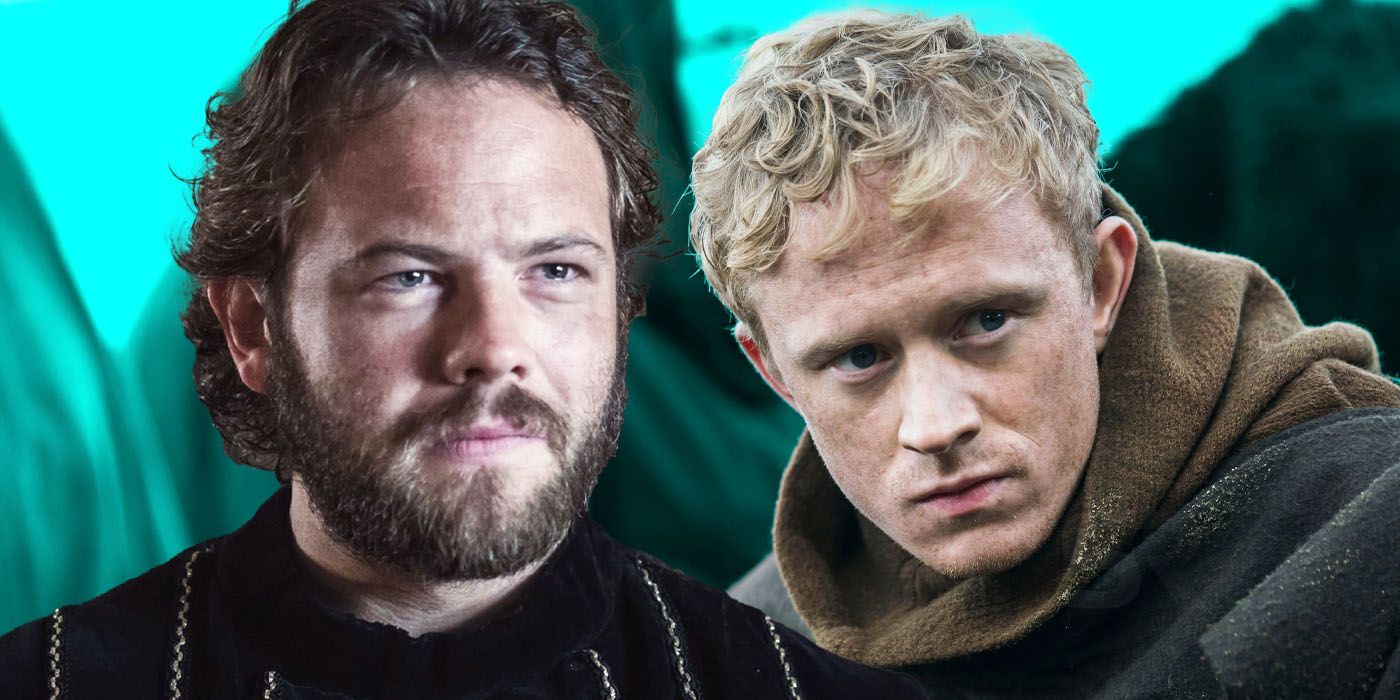
From a brand strategy perspective, the story of Magnus is not just a tale of historical fiction; it is a profound case study in the dangers of false brand claims, the difficulty of rebranding under pressure, and the ultimate necessity of social proof in establishing a lasting personal identity.
The Power of Association: Leveraging the Lothbrok Brand
In the world of Vikings, “Ragnar Lothbrok” was more than a name; it was a premium global brand. To be a son of Ragnar was to possess immediate social equity, military authority, and a “unique selling proposition” (USP) that demanded respect from both allies and enemies. Magnus’s arrival on the scene was an attempt to enter this high-value market by riding the coattails of an established industry giant.
Identifying the Core Asset: The Ragnar Connection
Magnus’s primary strategy for survival and advancement was built entirely on his claimed lineage. In brand terms, this is known as “Brand Extension.” Just as a luxury fashion house might launch a more affordable “bridge line” using the parent name to gain traction, Magnus sought to use the “Lothbrok” name to validate his place in a world that otherwise saw him as an outsider.
For Magnus, the “Ragnar brand” represented power and protection. As a child in the Saxon court of Wessex, his identity as a potential Viking heir was a political tool used by King Ecbert. Magnus leaned into this, believing that his heritage was his greatest asset. However, a brand is only as strong as its authenticity. Because Magnus lacked the “product testing”—the shared experiences and recognition from the other “stakeholders” (Ragnar’s known sons)—his brand was built on a shaky foundation.
The Risks of False Brand Claims
In modern marketing, making a claim about a product that cannot be substantiated leads to a “brand crisis.” Magnus faced this crisis when he finally met Ragnar Lothbrok. In a devastating blow to Magnus’s brand equity, Ragnar publicly denied ever having sexual relations with Kwenthrith, effectively issuing a “cease and desist” on Magnus’s use of the Lothbrok name.
This moment highlights a critical lesson in brand strategy: you cannot build a sustainable identity on a lie. When the “Founder” (Ragnar) explicitly disavows a “Sub-Brand” (Magnus), the market value of that sub-brand plummets. Magnus was left without a narrative, forced into exile, and stripped of the only value proposition he had ever known.
Pivot and Rebranding: Magnus’s Transition from Saxon to Viking
After being cast out of Wessex and rejected by his supposed father, Magnus spent years in the wilderness. When he re-emerged in the later seasons, he attempted a radical “Rebranding Strategy.” No longer the sheltered Saxon prince, he presented himself as a devout follower of the Norse gods and a fierce Viking warrior. This pivot was an attempt to find “Market-Fit” within a new demographic.
Cultural Adaptation as a Rebranding Strategy
A successful rebrand requires more than just a new logo or a change in aesthetics; it requires a fundamental shift in values and behavior. Magnus attempted to shed his Christian, Saxon upbringing (his “legacy brand”) to adopt the aesthetics and rhetoric of the Great Heathen Army. He traded his silks for furs and his prayers for boasts of Valhalla.
From a strategic standpoint, Magnus was attempting to align himself with the winning side. The “Viking brand” was expanding across Europe, and Magnus recognized that his survival depended on successful integration. However, his rebranding felt “performative.” In branding, consumers—and in this case, the Viking warriors—can sense when a brand’s values are not deeply rooted. Magnus was “over-marketing” his Viking-ness, trying too hard to prove he belonged, which often had the opposite effect.
Overcoming a Weak Initial Value Proposition
Magnus’s return was centered on a new partnership with Bjorn Ironside. By aligning himself with Ragnar’s most successful “brand ambassador,” Magnus hoped to gain the social proof he lacked. He positioned himself as a strategic ally, offering his knowledge of England to help Bjorn’s cause.
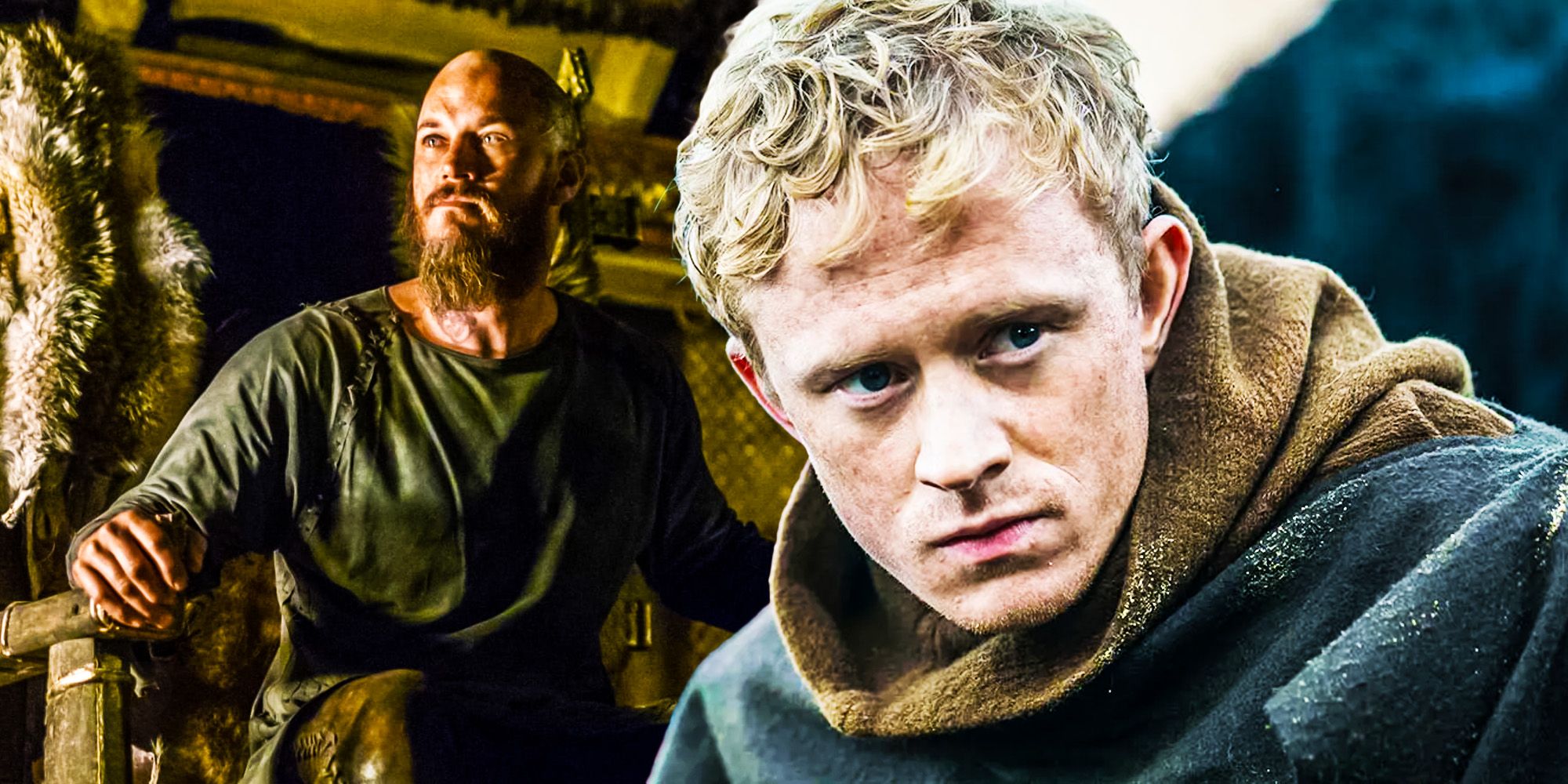
This is a common tactic in corporate strategy: a struggling startup (Magnus) seeks an endorsement or partnership with a market leader (Bjorn) to gain credibility. While Bjorn allowed Magnus to remain in his circle, he never fully “acquired” the Magnus brand. The lack of a “due diligence” period meant that the other sons of Ragnar, particularly Ubbe and Hvitserk, remained skeptical. Magnus’s value proposition was too reliant on external validation and lacked the internal substance (combat prowess and cultural understanding) to back it up.
Narrative Dissolution: Why the Magnus Brand Failed to Convert
The ultimate downfall of Magnus occurs during the siege of Kattegat. Despite his claims of being a great warrior and a true Viking, his performance “in the field” failed to meet the expectations set by his marketing. In the end, Magnus’s brand did not lead to a “conversion”—he never truly became a Viking, and he never regained his status as a prince.
Inconsistency in Brand Messaging
One of the cardinal sins of branding is inconsistency. Throughout his arc, Magnus vacillated between his Saxon roots and his Viking aspirations. At his core, he was a character caught between two worlds, unable to fully commit to the “brand guidelines” of either. During moments of extreme stress, his “original brand” (his Saxon identity and fear) would resurface, undermining the “new brand” he was trying to project.
When a brand’s messaging is inconsistent, the audience becomes confused and loses trust. The Viking warriors saw a man who talked like a Norseman but lacked the “DNA” of their culture. This disconnect between “Brand Promise” (being a son of Ragnar) and “Brand Delivery” (his actual behavior in battle) led to his eventual irrelevance and death.
The Importance of Social Proof in Leadership Branding
Leadership branding relies heavily on “Social Proof”—the idea that people will follow someone if they see others doing the same, and if that person has a track record of success. Magnus lacked a “portfolio” of victories. Unlike Ivar the Boneless, who used a combination of fear and strategic genius to build his brand, or Bjorn, who used physical prowess and exploration, Magnus had only words.
In the final battle, Magnus’s death was almost an afterthought. He died not as a legendary hero, but as a casualty of a conflict he didn’t truly belong to. This is the ultimate “brand failure”: disappearing from the market without leaving a lasting impact. Because he failed to build a community of loyal “brand advocates,” his story ended with him, unmourned and unremembered by the legacy he so desperately tried to join.
Lessons for Modern Personal Brands: Insights from a Viking Exile
The trajectory of Magnus provides several vital takeaways for modern professionals, entrepreneurs, and brand strategists. Whether you are launching a new product or building a personal brand on social media, the story of the “forgotten son” serves as a cautionary tale.
Authenticity as the Foundation of Longevity
The most successful brands are those that are rooted in a fundamental truth. Magnus tried to build a brand on a “perceived truth” that was ultimately debunked. In the digital age, where information is transparent and “fact-checking” is instantaneous, attempting to leverage a false association is a recipe for disaster.
If you are building a personal brand, focus on your unique strengths—your “Proprietary Data”—rather than trying to mimic the success of others. Magnus might have been more successful if he had embraced his unique position as a bridge between Saxons and Vikings, rather than trying to erase one side of his identity to fit a mold.
Dealing with Market Rejection
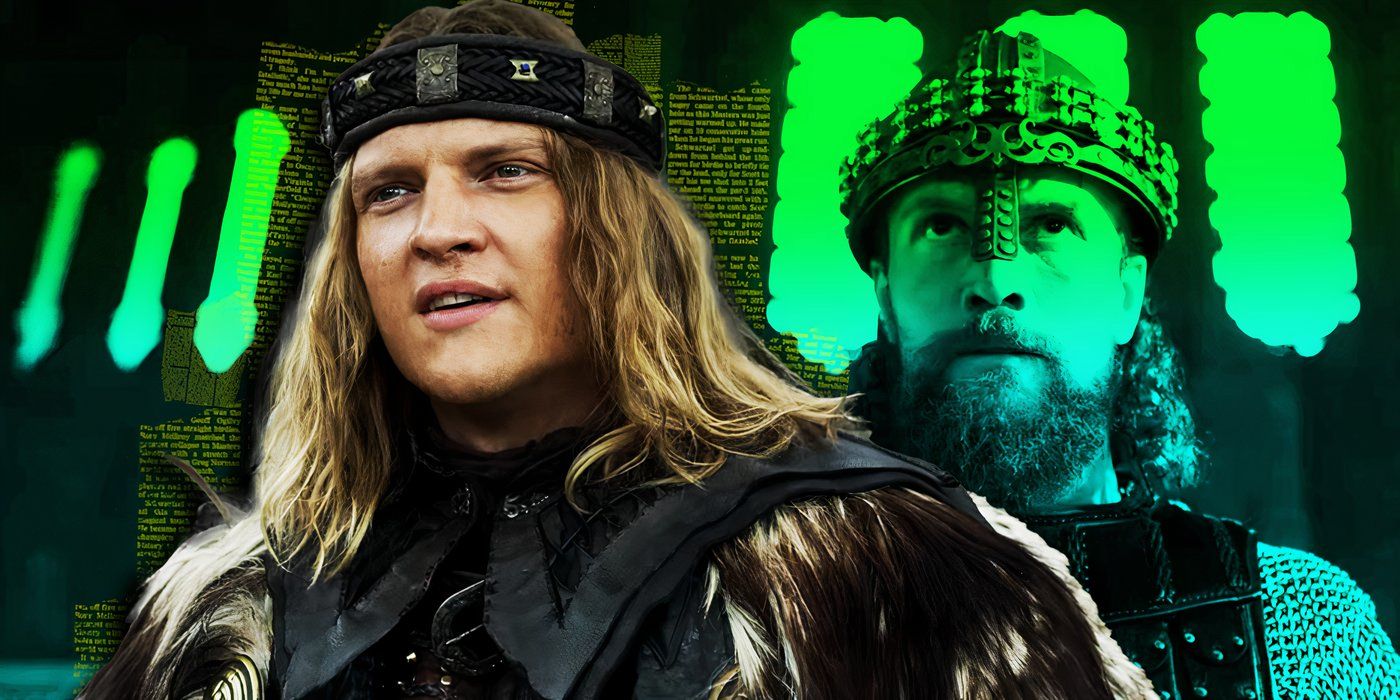
Market rejection is a natural part of any brand’s lifecycle. When Ragnar rejected Magnus, Magnus had a choice: he could have “pivoted” into a completely new niche, perhaps using his knowledge to become a merchant or a diplomat. Instead, he doubled down on a “failing product line”—his identity as a Viking warrior.
Strategic agility requires the ability to recognize when a brand direction is not working and having the courage to change course. Magnus’s obsession with the “Lothbrok brand” blinded him to other opportunities for growth. In business, sticking to a failing strategy because of “sunk costs” (the years Magnus spent dreaming of Ragnar) is a common mistake that leads to eventual dissolution.
In conclusion, the story of Magnus in Vikings is a masterclass in the complexities of brand identity. It illustrates that a name can open doors, but only character and consistency can keep them open. Magnus chased a legacy that wasn’t his, and in doing so, he failed to create a brand of his own. For modern strategists, his journey serves as a reminder: identity cannot be inherited or stolen; it must be built, verified, and lived.
aViewFromTheCave is a participant in the Amazon Services LLC Associates Program, an affiliate advertising program designed to provide a means for sites to earn advertising fees by advertising and linking to Amazon.com. Amazon, the Amazon logo, AmazonSupply, and the AmazonSupply logo are trademarks of Amazon.com, Inc. or its affiliates. As an Amazon Associate we earn affiliate commissions from qualifying purchases.