
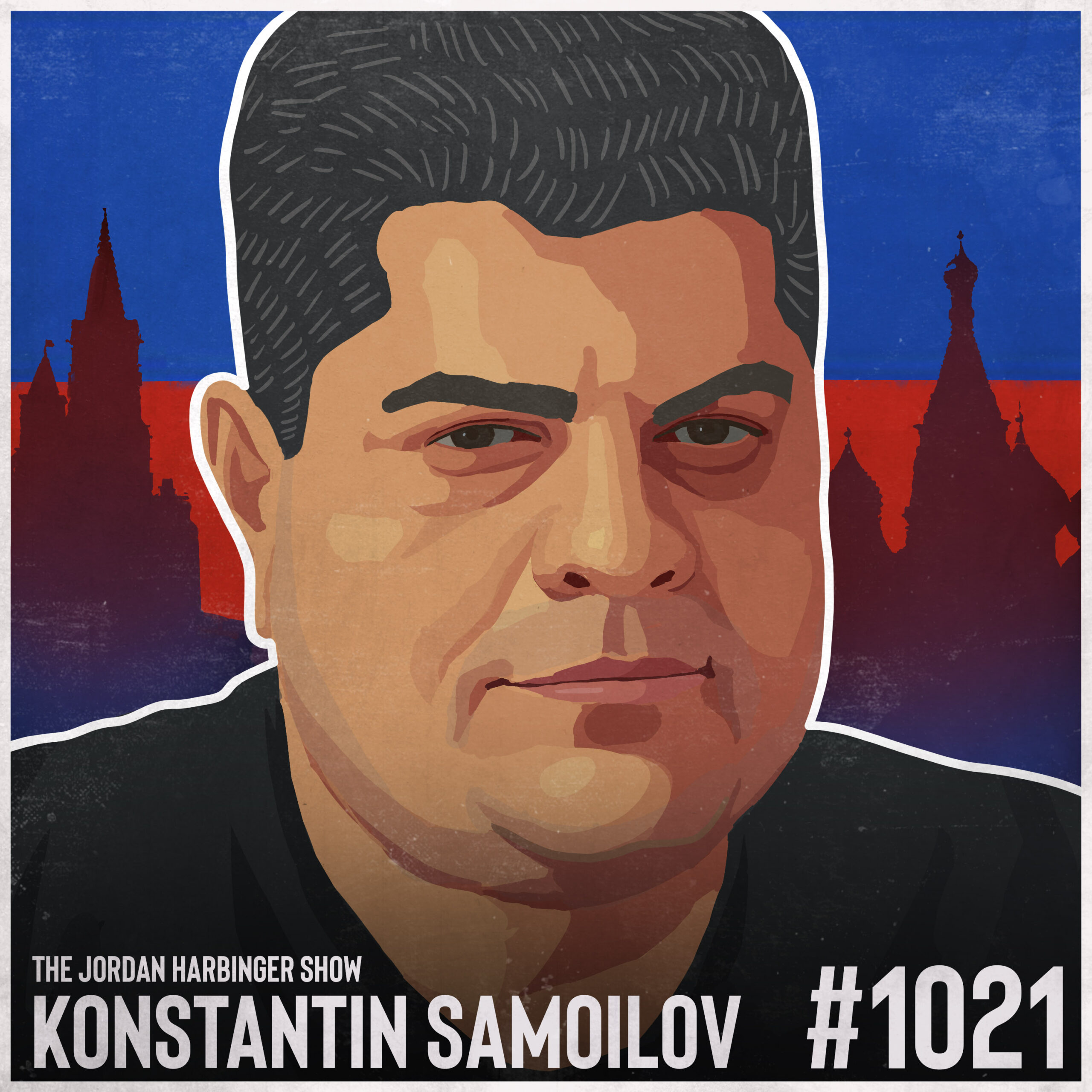
The story of “Konstantin”—a placeholder for the modern, tech-savvy Russian professional and digital entrepreneur—serves as a poignant case study in navigating a sudden and total financial decoupling from the global economy. When geopolitical shifts in 2022 led to unprecedented sanctions, individuals like Konstantin, who relied on international revenue streams and global banking standards, found themselves in a unique economic vacuum. Understanding what happened to Konstantin inside Russia requires a deep dive into the mechanics of personal finance, the collapse of traditional banking corridors, and the resilient pivot to alternative wealth management strategies.
The Great Decoupling: The Collapse of Traditional Banking Infrastructure
For years, Konstantin’s financial life was integrated with the West. He used Visa and Mastercard for daily transactions, kept savings in diversified currency accounts, and utilized SWIFT transfers to move capital for business investments. Within a matter of weeks, this infrastructure evaporated.
The Visa and Mastercard Exit
When the major payment gateways suspended operations in Russia, the immediate impact was a domestic-only lockdown of capital. While the National Payment Card System (NSPK) and the Mir card system allowed Konstantin to continue buying groceries locally, his ability to pay for international subscriptions, cloud services, and travel was instantly severed. This created a “walled garden” economy where rubles became increasingly difficult to convert or spend outside the border.
The SWIFT Disconnection
The removal of major Russian banks from the SWIFT messaging system was perhaps the most significant blow to Konstantin’s business finance. For a professional accustomed to receiving foreign currency payments for consulting or digital products, the “piping” of the financial world was broken. He had to navigate a landscape of “intermediary banks” and “correspondent accounts” that grew more restrictive by the day, with many European banks refusing to accept any transfers originating from Russia, regardless of the individual’s sanctioned status.
Monetization in a Post-Global Market: Shifting Revenue Streams
Before the shift, Konstantin’s income was largely “borderless.” He earned via YouTube AdSense, international affiliate marketing, and freelance contracts paid in USD or EUR. When Google suspended monetization for Russian-based creators and platforms like Upwork exited the market, his primary income sources vanished overnight.
The Pivot to Domestic Platforms
To survive, Konstantin had to repatriate his brand and his business model. This led to the adoption of “Boosty” (a Russian alternative to Patreon) and the massive expansion of his Telegram presence. Inside Russia, Telegram is not just a messaging app; it is a financial ecosystem. Konstantin began leveraging Telegram’s integrated ad market and private subscription channels to collect payments in rubles via local banking apps like Tinkoff or Sberbank.
The Rise of Direct Sponsorships
With programmatic ad revenue gone, Konstantin shifted toward a direct-to-brand sponsorship model. This required a fundamental change in financial planning. Instead of receiving a predictable monthly check from a global platform, he had to negotiate individual contracts with local Russian companies looking to fill the void left by exiting Western brands. These contracts are often paid in lump sums, requiring a more disciplined approach to cash flow management and tax reporting under the Russian “Self-Employed” or “Individual Entrepreneur” (IP) tax regimes.
The Pivot to Decentralized Finance and Digital Assets

Perhaps the most fascinating aspect of what happened to Konstantin inside Russia is his transition toward a “crypto-first” financial existence. In an environment where the ruble was volatile and foreign exchange was strictly regulated, stablecoins became the new reserve currency.
USDT as the Shadow Dollar
For Konstantin, Tether (USDT) became the primary tool for preserving purchasing power. By utilizing Peer-to-Peer (P2P) markets on various digital asset exchanges, he was able to convert his ruble earnings into a digital asset pegged to the US dollar. This allowed him to bypass the predatory exchange rates offered by local banks and provided a way to move capital across borders when he needed to pay for overseas services or support family abroad.
The Risk Profile of P2P Markets
However, this financial adaptation was not without risk. Moving from regulated banking to P2P markets meant Konstantin had to become his own compliance officer. He faced the constant threat of “card blocking” by local banks under Anti-Money Laundering (AML) laws, as frequent P2P transfers are often flagged as suspicious activity. This required a sophisticated strategy of spreading liquidity across multiple accounts and maintaining high levels of transparency with bank auditors.
The Cost of Living and Inflationary Pressure
The financial reality for Konstantin inside Russia is also defined by the shifting value of the ruble and the “gray market” for consumer goods. While official inflation figures might suggest one reality, the “personal inflation” felt by a tech-oriented professional was often much higher.
The Premium on Imported Tech
As a digital professional, Konstantin’s “tools of the trade”—MacBooks, cameras, and servers—became significantly more expensive. With official distributions halted, “Parallel Imports” became the norm. These goods travel through third-party countries like Dubai, Kazakhstan, or Armenia before reaching Russian shelves. For Konstantin, this meant budgeting 30% to 50% more for hardware upgrades compared to his peers in Europe or the US.
Currency Volatility and Budgeting
Managing a budget in a volatile currency requires a high level of financial literacy. Konstantin had to adopt a strategy of “constant conversion.” Whenever he received a large ruble payment, he had to decide whether to keep it in rubles (earning high interest in a local savings account, which sometimes peaked at 15-20%) or convert it immediately to digital assets to hedge against a potential ruble devaluation. This constant balancing act became a secondary job in itself.
Building a Resilient Financial Future Under Sanctions
What happened to Konstantin inside Russia is a story of forced innovation. He represents a segment of the population that has learned to operate in a dual-track financial system: one foot in the local ruble-based economy and the other in the decentralized, global digital economy.
Diversification of Jurisdiction
One of the most important financial lessons Konstantin learned was the necessity of “jurisdictional diversification.” Many professionals in his position sought to open “Remote Bank Accounts” in neighboring CIS countries like Kyrgyzstan or Armenia. These accounts served as a bridge, allowing them to maintain a link to the global financial system while physically remaining in Russia. This strategy involves navigating complex tax residency laws and reporting requirements (CFC rules) to stay compliant with Russian law.
The Long-Term Outlook for Personal Wealth
Looking forward, Konstantin’s financial strategy has shifted from “growth” to “resilience.” In an era of uncertainty, the focus is on liquid assets, portable wealth, and the diversification of income sources. The traditional path of long-term domestic stock market investing has lost its luster for many, replaced by a preference for hard assets and international digital portfolios.
In conclusion, the financial evolution of Konstantin inside Russia illustrates the incredible adaptability of the modern entrepreneur. By leveraging fintech, crypto-assets, and local market shifts, he has managed to maintain a level of financial stability that seemed impossible when the first wave of sanctions hit. His journey is a masterclass in financial survival, proving that even when a country is disconnected from the global grid, those with the right financial tools and knowledge can find a way to navigate the storm. He remains a testament to the fact that in the 21st century, capital and talent are increasingly difficult to truly lock down.
aViewFromTheCave is a participant in the Amazon Services LLC Associates Program, an affiliate advertising program designed to provide a means for sites to earn advertising fees by advertising and linking to Amazon.com. Amazon, the Amazon logo, AmazonSupply, and the AmazonSupply logo are trademarks of Amazon.com, Inc. or its affiliates. As an Amazon Associate we earn affiliate commissions from qualifying purchases.