
The trajectory of a personal brand in the digital age is often more volatile than the most speculative stock market assets. In the creator economy, the individual is the product, the marketing department, and the executive leadership all rolled into one. When we ask “what happened to Gabbie Hanna,” we are not merely inquiring about the whereabouts of a former Vine star; we are analyzing a profound case study in personal brand erosion, the limitations of the “authenticity” marketing pivot, and the consequences of strategic mismanagement in the face of public scrutiny.
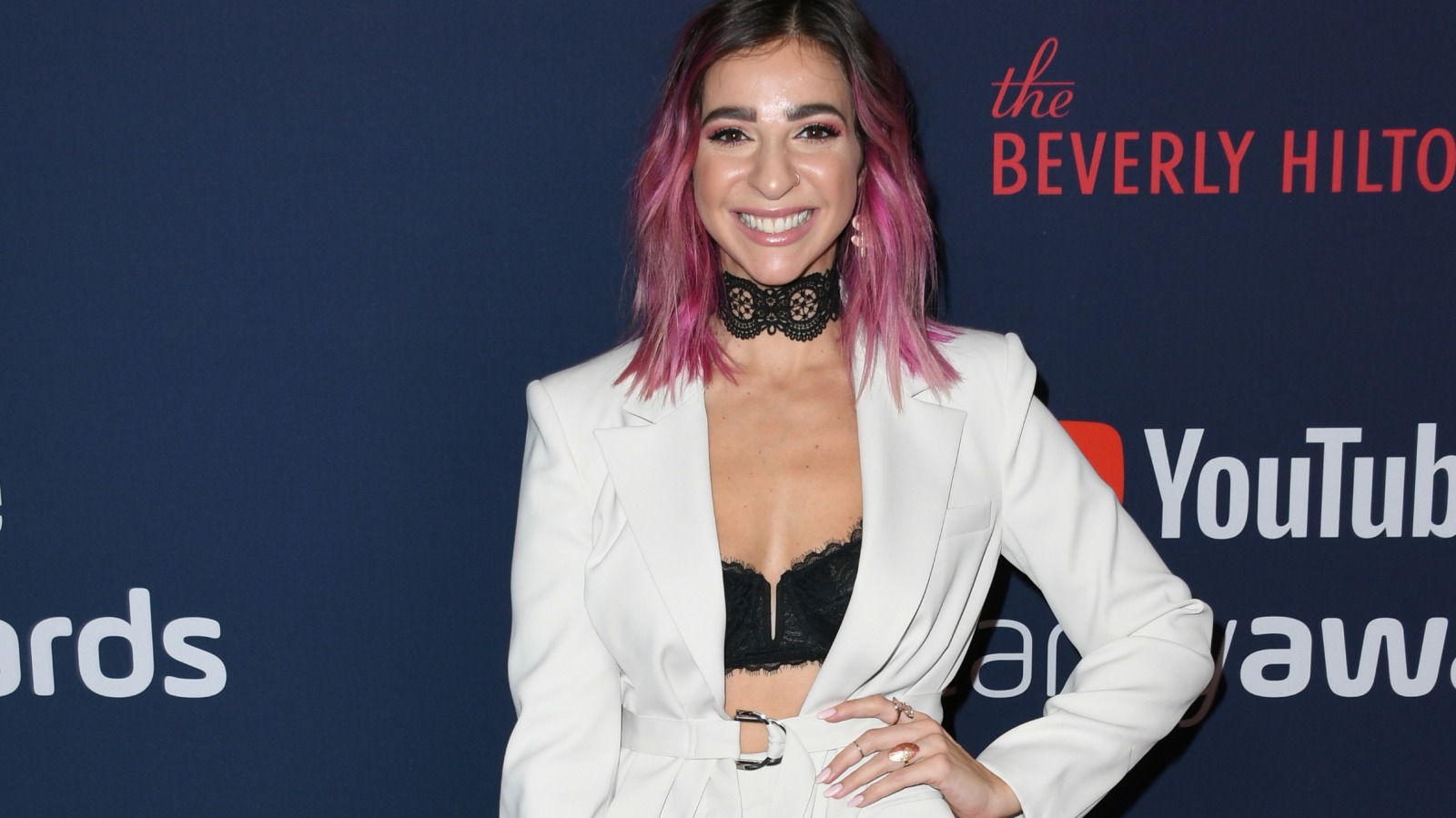
Gabbie Hanna’s journey from a top-tier digital influencer to a cautionary tale offers critical insights for brand strategists, digital marketers, and solo-preneurs. It illustrates the thin line between high-engagement controversy and total brand collapse.
The Anatomy of a High-Growth Personal Brand
To understand the decline, one must first recognize the strength of the initial brand equity Gabbie Hanna built. During the peak of the YouTube “storytime” era, Hanna was a master of narrative-driven content. Her brand was built on three foundational pillars that are essential to any successful personal brand: relatability, multi-platform synergy, and a distinct “Unique Selling Proposition” (USP).
Multi-Platform Synergy and the Vine Transition
Hanna was one of the few creators who successfully navigated the death of Vine. Her transition to YouTube was not accidental; it was a calculated brand expansion. While many Viners struggled to adapt to longer-form content, Hanna leveraged her persona—”The Gabbie Show”—to create a lifestyle brand that felt both expansive and intimate. This synergy allowed her to cross-pollinate audiences between Twitter, Instagram, and YouTube, creating a robust ecosystem of followers that served as a protective moat for her business interests for several years.
Authenticity as a Brand USP
In the mid-2010s, the “authentic” creator was the most valuable currency. Hanna’s USP was her perceived vulnerability. By sharing “unfiltered” stories about her life, dating, and struggles, she created a high level of parasocial investment. For a brand, this level of trust is a double-edged sword. While it fosters intense loyalty, it also means that any perceived breach of that authenticity is felt as a personal betrayal by the consumer base. This “radical transparency” became the core of her brand identity, eventually becoming the catalyst for her brand’s over-exposure.
The Crisis Management Paradox: When Personal Brand Overpowers Professional Strategy
In corporate branding, a crisis is typically managed by a PR team that separates the company’s identity from the event. In personal branding, however, the creator is the crisis. For Gabbie Hanna, the transition from a beloved storyteller to a controversial figure happened through a series of public relations failures that highlighted a lack of strategic oversight.
The Cycle of Conflict and Engagement Metrics
Hanna’s brand began to shift toward “conflict-based engagement.” From a data perspective, controversy often drives short-term spikes in views and interactions. However, from a brand health perspective, it is toxic. By engaging in public feuds with other creators and responding to every critique with long-form video rebuttals, Hanna shifted her brand category from “Lifestyle/Entertainment” to “Drama/Commentary.” This pivot alienated premium advertisers and shifted her audience demographic from loyal fans to “hate-watchers,” a segment that provides high volume but low long-term value.
Brand Erosion through Repetitive Controversy
Brand equity is built on consistency. When a brand becomes synonymous with chaos, it loses its ability to sell products or ideas effectively. Hanna’s ventures into music and poetry were intended to diversify her brand, but they were consistently overshadowed by her public image. In brand strategy, this is known as “overshadowing,” where the negative associations of the parent brand (Hanna’s persona) prevent the sub-brands (her music and books) from gaining independent traction. The constant state of defense she maintained meant her brand was no longer proactive, but purely reactive.
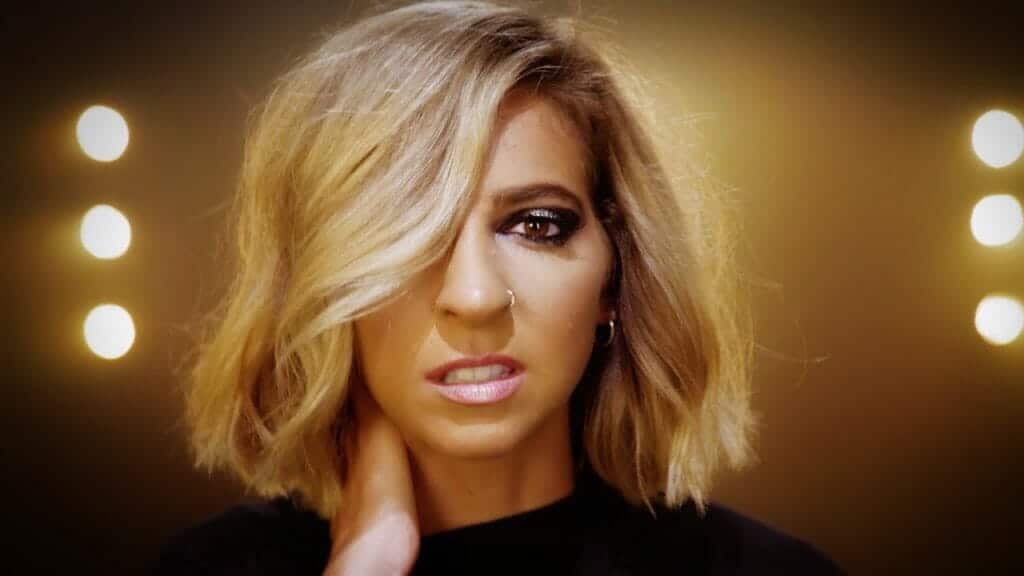
Strategic Pivot or Brand Collapse? The Digital Detachment Era
The most recent chapter of the Gabbie Hanna story—her relative disappearance from the mainstream digital spotlight—raises questions about the sustainability of the creator lifestyle. Following a series of highly publicized mental health crises and erratic posting schedules, particularly in 2022, the brand entered a state of “digital detachment.”
The Risks of the “Over-Share” Economy
The modern digital landscape encourages creators to monetize their most private moments. Hanna’s brand was a victim of this “over-share” economy. When a creator’s mental health becomes the primary content for their channel, the brand ceases to be a professional entity and becomes a spectacle. From a strategic standpoint, this is the point of no return for most personal brands. Once the audience views the creator with pity or concern rather than admiration or entertainment, the commercial viability of the brand is severely compromised.
Mental Health Advocacy vs. Brand Volatility
There is a significant difference between a brand that advocates for mental health and a brand that is defined by its instability. Many creators, like Emma Chamberlain, have successfully integrated mental health discussions into their brands by maintaining a professional distance. Hanna’s approach, however, lacked the “brand guardrails” necessary to protect both her personal well-being and her professional reputation. The result was a brand that became too volatile for traditional partnerships, leading to a forced hiatus.
Lessons for Modern Creators: Sustainable Branding in the Age of Scrutiny
What happened to Gabbie Hanna serves as a masterclass in the importance of brand sustainability. In the race for clicks, many creators forget that they are building a long-term business asset. Maintaining a personal brand requires more than just “being yourself”; it requires a disciplined approach to public identity.
Diversification of Content vs. Consistency
One of the key takeaways from Hanna’s career is the danger of losing brand focus. While she was talented in multiple areas—comedy, music, writing—she failed to create a cohesive brand umbrella that could house all of them. For a brand to scale, the audience needs to know what to expect. When the content becomes a rollercoaster of tone and temperament, the brand loses its “market fit.” Successful creators today learn to bifurcate their content, keeping their professional output distinct from their personal volatility.
Rebuilding Trust in a Post-Cancel Culture World
For any brand that has suffered significant reputational damage, the path to recovery is slow and requires a total “rebranding.” In the rare instances where Hanna has resurfaced, there appears to be an attempt at a quieter, more grounded presence. However, in the digital archive of the internet, a brand’s past is always present. To truly rebuild, a creator must demonstrate a fundamental change in their “Brand Promise.” For Hanna, this would mean moving away from the “defensive” posture that defined her for years and offering a new value proposition to her audience—one based on stability and maturity rather than raw, unedited emotion.

Conclusion: The Lifecycle of the Digital Persona
The story of Gabbie Hanna is not just about a single person; it is about the evolution of the creator economy itself. It marks the end of the “wild west” era of YouTube, where unmanaged authenticity was enough to build an empire. Today, personal brands must operate with the same strategic rigor as Fortune 500 companies. They need crisis management plans, content boundaries, and a clear understanding of their brand equity.
Ultimately, Gabbie Hanna’s “disappearance” from the top of the algorithms is a reflection of a brand that burnt too bright and too fast without the necessary infrastructure to support its growth. For the next generation of creators, her career offers a blueprint of what to avoid: the prioritization of short-term engagement over long-term brand health. In the world of personal branding, your reputation is your only true currency; once it is spent, it is incredibly difficult to earn back.
aViewFromTheCave is a participant in the Amazon Services LLC Associates Program, an affiliate advertising program designed to provide a means for sites to earn advertising fees by advertising and linking to Amazon.com. Amazon, the Amazon logo, AmazonSupply, and the AmazonSupply logo are trademarks of Amazon.com, Inc. or its affiliates. As an Amazon Associate we earn affiliate commissions from qualifying purchases.