
In the landscape of modern media, long-running television procedurals function less like simple entertainment and more like multi-billion-dollar corporate entities. When Shemar Moore announced his departure from Criminal Minds in Season 11, the reaction from the global fanbase was not merely an emotional one—it was a significant disruption to a high-value brand ecosystem. The character of Derek Morgan was not just a profile on the Behavioral Analysis Unit (BAU); he was a cornerstone of the Criminal Minds brand identity.
Understanding what happened to Derek Morgan requires looking past the script and into the sophisticated intersection of personal branding, talent retention, and franchise management. His exit serves as a premier case study for brand managers and creators on how to navigate the departure of a “key asset” without devaluing the parent brand.
The Power of Character Branding in Long-Running Procedurals
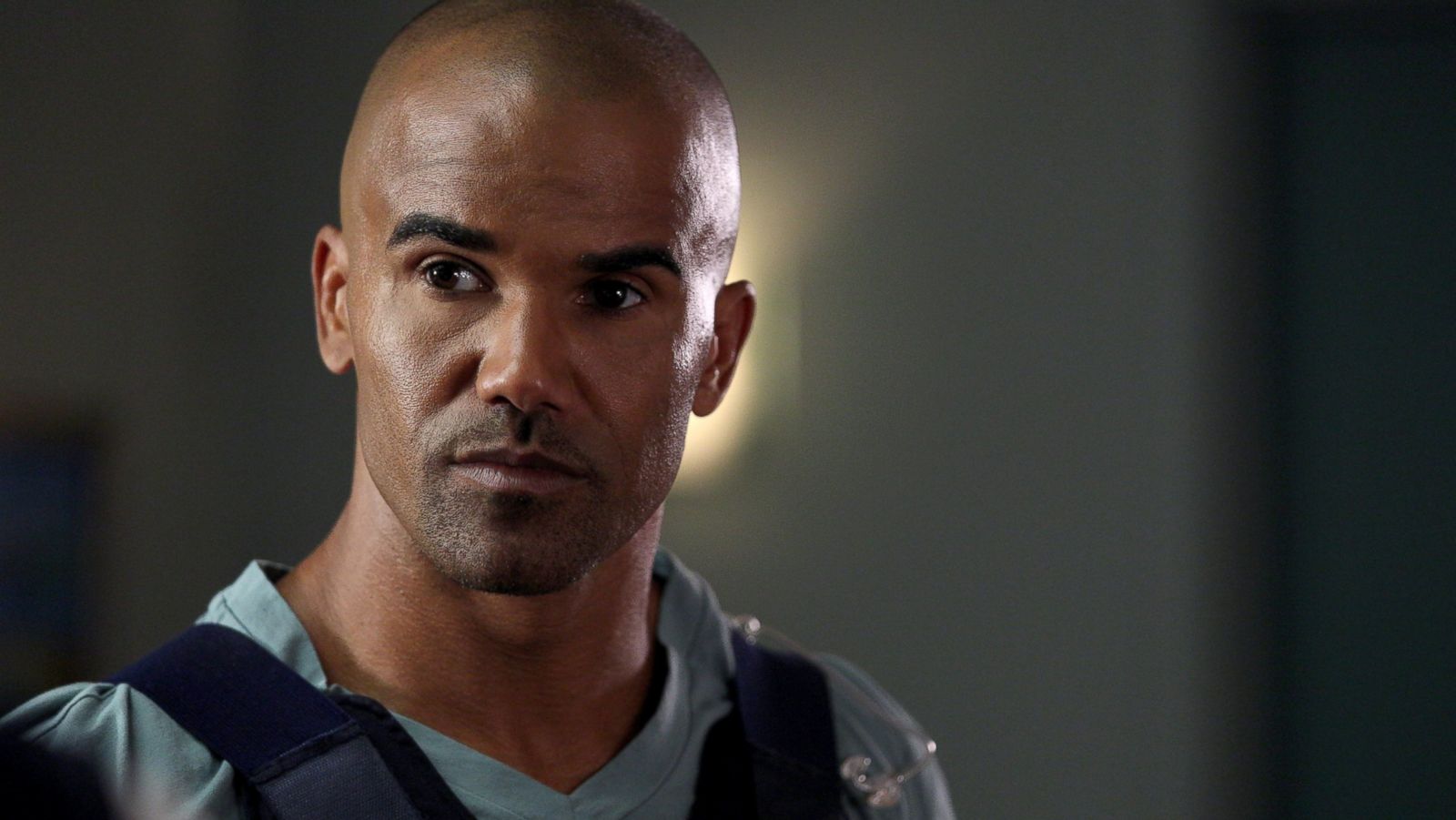
The success of a brand is often built on the reliability of its core components. In the context of Criminal Minds, those components are the characters. For eleven seasons, Derek Morgan represented the “muscle” and the “heart” of the BAU. From a brand perspective, Morgan was a masterclass in consistent messaging.
Derek Morgan as the Emotional Anchor
Every strong brand needs an emotional hook. Derek Morgan provided this through his intense loyalty and his protective nature. By establishing specific “brand signals”—such as his legendary rapport with Penelope Garcia—the show created a unique sub-brand within the series. This relationship, often referred to as “the heart of the show,” became a proprietary asset that distinguished Criminal Minds from other procedurals like CSI or Law & Order. When a brand possesses an asset that competitors cannot replicate, the departure of that asset creates a “brand vacuum” that must be managed with extreme precision.
The “S.W.A.T.” Transition: Shemar Moore’s Brand Evolution
From the perspective of personal branding, Shemar Moore’s decision to leave was a strategic move to avoid “brand stagnation.” In any career, there is a risk of becoming synonymous with a single product. Moore had spent over a decade building the Derek Morgan brand, and for a professional actor, the next step in brand growth is often “product diversification.”
Moore sought to prove that his personal brand was larger than the ensemble of the BAU. His transition to starring in and producing S.W.A.T. was a classic example of a “brand spin-off.” He took the rugged, heroic attributes associated with Derek Morgan and applied them to a new lead role (Hondo Harrelson), effectively upgrading his personal brand from “ensemble lead” to “franchise anchor.”
Managing Brand Risk When a Key Asset Departs
When a major component of a brand is removed, the parent company faces immediate risk. For the producers of Criminal Minds, the exit of Derek Morgan threatened the show’s “customer retention”—the viewers who tuned in specifically for his character arc.
Preserving the “Criminal Minds” Corporate Identity
The corporate identity of Criminal Minds is built on the concept of the “team as family.” To mitigate the damage caused by Moore’s exit, the show’s showrunners utilized a “narrative cushion.” Instead of killing off the character—which would have created a permanent negative association with the brand—they opted for a “soft exit.”
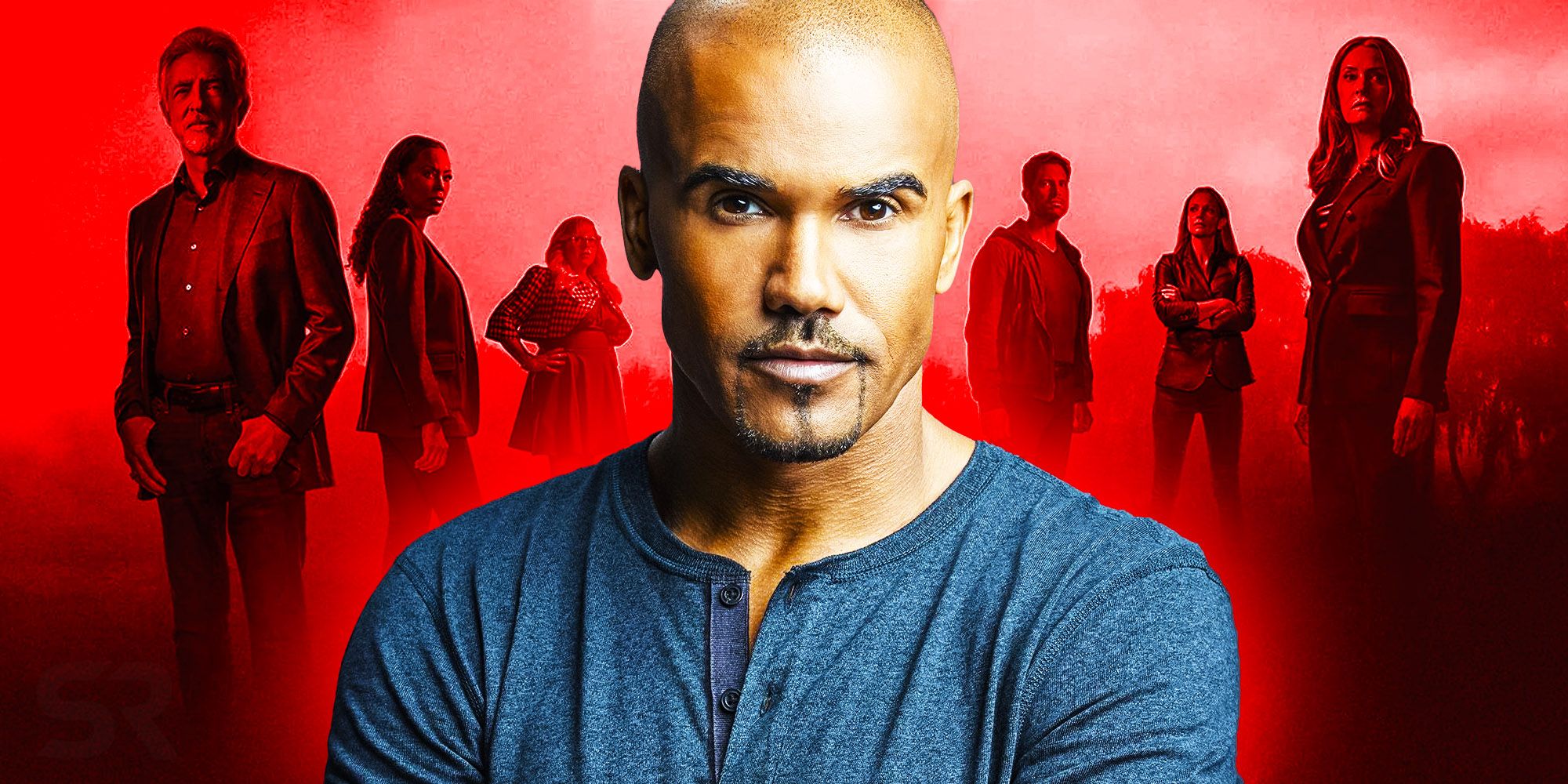
By having Derek Morgan leave the BAU to focus on his newborn son and wife, the brand maintained its integrity. This move respected the character’s “brand promise” of being a protector and a family man. It also left the door open for future “brand collaborations” (guest appearances), ensuring that the fans’ investment in the character remained intact even if he was no longer a daily fixture.
Narrative Strategy as a Retention Tool
In marketing, when a flagship product is discontinued, the brand must quickly introduce a replacement that satisfies the same consumer need. The introduction of Luke Alvez (played by Adam Rodriguez) was a strategic rebranding effort. Alvez was designed to fill the “action-oriented” niche vacated by Morgan, but with enough tactical differences to avoid being seen as a “generic knockoff.” This is a standard maneuver in brand management: when a core feature changes, you must provide a “new and improved” alternative that honors the original’s legacy while offering fresh value.
The Synergy Between Actor and Persona
The exit of Derek Morgan also highlights the complex relationship between a professional’s public persona and the roles they inhabit. In the digital age, a brand is never just the work it produces; it is the person behind the work.
Maintaining Authenticity Post-Exit
Shemar Moore’s exit was handled with a level of transparency that bolstered his personal brand. He engaged directly with the fanbase via social media, explaining that his departure was about personal growth rather than conflict. In brand terms, this is “proactive crisis communication.” By controlling the narrative, Moore ensured that his exit was viewed as a positive evolution rather than a desertion. This maintained his “brand equity” and ensured that his followers would migrate with him to his next project.
Digital Presence and the Modern Fan Connection
The “Derek Morgan” brand lives on through digital syndication and social media. Even years after his exit, the character remains a top-searched term for the franchise. This “legacy brand” effect is a testament to how deeply the character was integrated into the audience’s lifestyle. For the Criminal Minds franchise, the continued popularity of Derek Morgan serves as a “top-of-funnel” marketing tool, drawing new viewers into the series through clips of his most iconic moments, thereby sustaining the show’s relevance in a crowded streaming market.
Lessons for Modern Brand Managers
The story of what happened to Derek Morgan on Criminal Minds offers valuable insights for any professional or organization looking to manage talent and brand identity.
Succession Planning in Talent-Driven Industries
No brand should be entirely dependent on a single individual. Criminal Minds survived the loss of Derek Morgan (and several other high-profile exits, including Thomas Gibson and Mandy Patinkin) because the “parent brand” was stronger than any individual “sub-brand.” Organizations must build a corporate identity that can withstand the turnover of its most visible stars. This involves creating a set of core values and a “vibe” that exists independently of the person currently occupying the role.
The “Soft Exit” vs. The “Shock Exit”
In the corporate world, how an executive leaves a company dictates the brand’s health for months to come. A “shock exit”—firing a CEO or a sudden resignation—causes market volatility. A “soft exit”—a planned transition with a clear “why”—preserves stability. The narrative choice to have Derek Morgan retire from the BAU to be a father was the ultimate soft exit. It protected the emotional investment of the “customers” and ensured that the brand’s reputation for “family” remained unsullied.

The Importance of Brand Legacy
Finally, the Derek Morgan case proves that a brand’s influence doesn’t end when the product is no longer on the shelf. The character’s exit was a “Beautiful Disaster” (the name of his final episode as a series regular), designed to be a definitive, high-quality conclusion to a decade-long story. By investing in a high-quality “exit product,” the producers ensured that the Derek Morgan brand would remain a positive asset for the franchise’s long-term legacy.
In conclusion, Derek Morgan didn’t just leave Criminal Minds; he completed a strategic brand cycle. For Shemar Moore, it was a move toward brand expansion and leadership. For CBS, it was a challenge in brand resilience and rebranding. For the audience, it was a lesson in the power of a well-crafted brand narrative. Whether in Hollywood or the corporate boardroom, the management of a key asset’s departure is the ultimate test of a brand’s strength and longevity.
aViewFromTheCave is a participant in the Amazon Services LLC Associates Program, an affiliate advertising program designed to provide a means for sites to earn advertising fees by advertising and linking to Amazon.com. Amazon, the Amazon logo, AmazonSupply, and the AmazonSupply logo are trademarks of Amazon.com, Inc. or its affiliates. As an Amazon Associate we earn affiliate commissions from qualifying purchases.