
In the late 1990s, Circuit City was the undisputed king of consumer electronics. With its iconic “plug” storefronts and a presence in nearly every major American market, it was a darling of Wall Street and a fixture of the retail landscape. Jim Collins even featured the company in his management masterpiece Good to Great, highlighting its incredible 10-year stock performance that outperformed the general market by a factor of 18. Yet, by 2009, the “plug” had been pulled. The company shuttered all 567 of its U.S. stores, leaving behind thousands of unemployed workers and empty warehouses.
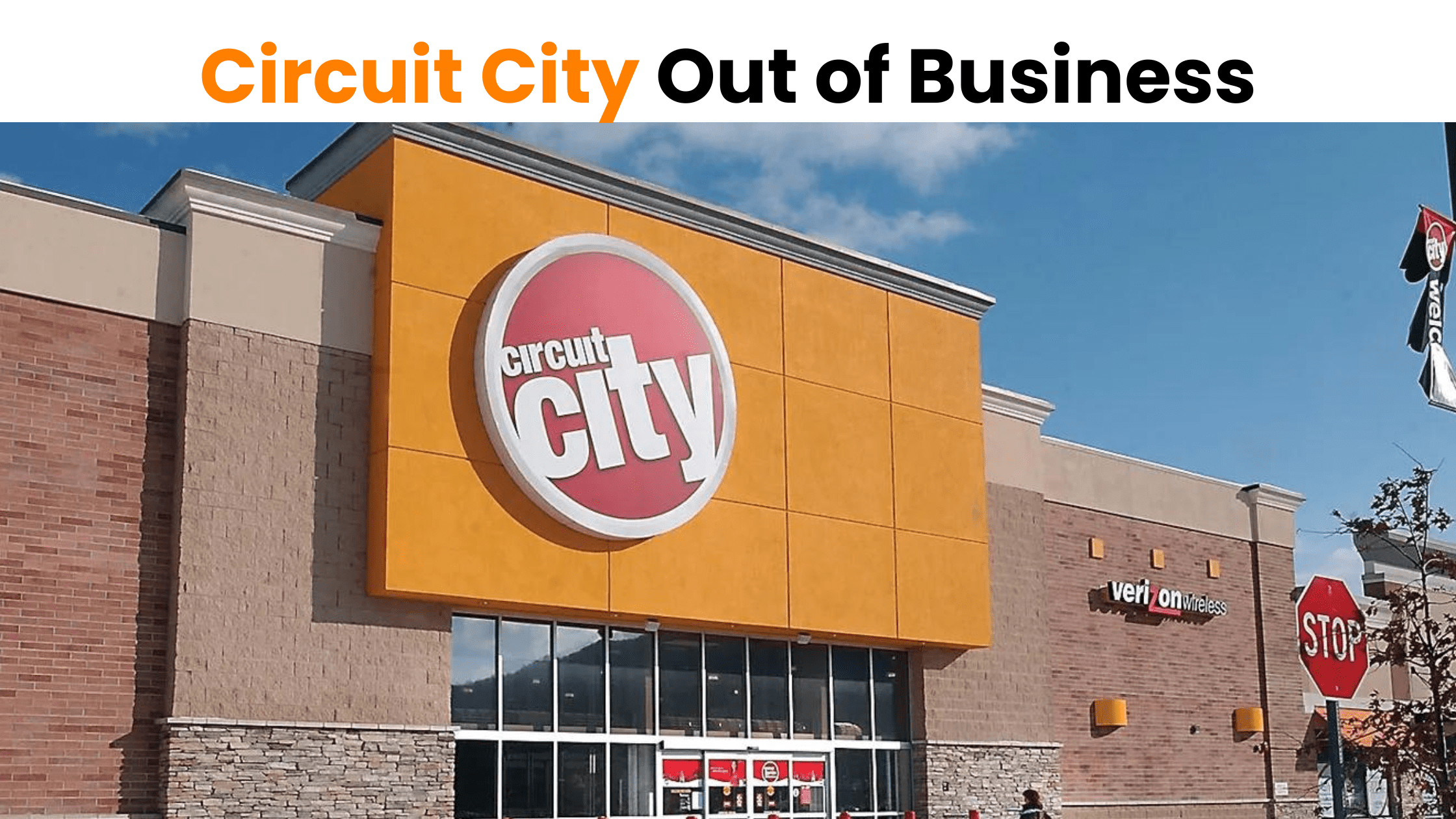
The downfall of Circuit City is often simplified as a story of “Amazon winning,” but the truth is far more complex and rooted deeply in financial mismanagement, poor capital allocation, and a fundamental misunderstanding of the relationship between human capital and revenue. This article explores the financial trajectory of Circuit City, analyzing the specific fiscal decisions that turned a multibillion-dollar powerhouse into a cautionary tale of corporate insolvency.
The Golden Era and the Roots of Financial Complacency
To understand the collapse, one must first recognize the sheer scale of Circuit City’s early financial success. Throughout the 1980s and early 90s, the company pioneered the “big box” electronics format. Its business model was built on high-margin sales of televisions, stereos, and appliances, supported by an aggressive, commission-based sales force.
The Good to Great Paradox
During its peak, Circuit City was a financial juggernaut. Between 1982 and 1992, the company provided the highest total return to investors of any company on the New York Stock Exchange. This success, however, bred a dangerous level of financial complacency. Management became convinced that their model was invincible, leading them to ignore emerging competitors and shifts in consumer spending habits. They focused on stock buybacks and dividends rather than reinvesting in the modernization of their aging store fleet or their digital infrastructure.
Over-reliance on the “Big Box” Model
The company’s capital was heavily tied up in large-format retail spaces. While these stores were profitable in an era of limited competition, they carried massive overhead. As the 2000s approached, the cost of maintaining these massive footprints began to eat into net margins. Instead of diversifying their real estate portfolio or experimenting with smaller, more efficient store designs, Circuit City doubled down on the expensive, high-square-footage model, creating a fixed-cost structure that would eventually become unsustainable.
The Dividend and Buyback Trap
In an effort to keep share prices high, Circuit City’s board authorized significant stock buybacks and consistent dividend payments. While this rewarded shareholders in the short term, it depleted the company’s cash reserves at a time when the retail landscape was undergoing a tectonic shift. When the time came to pivot toward e-commerce and a better customer experience, the “war chest” was significantly thinner than it should have been.
Fatal Strategic and Financial Missteps
While external factors certainly played a role, Circuit City’s demise was accelerated by three specific internal financial decisions that destroyed the company’s value proposition and liquidity.
The Divestiture of CarMax
Perhaps the most significant missed opportunity in retail history was Circuit City’s handling of CarMax. Circuit City actually founded CarMax in 1993, applying its “big box” retail logic to the used car market. It was a massive success. However, in 2002, Circuit City chose to spin off CarMax as a completely independent company. While this move was intended to “unlock value” for shareholders, it deprived Circuit City of its most profitable and fastest-growing division. Had Circuit City retained even a partial stake or utilized CarMax’s cash flow to subsidize its electronics turnaround, the bankruptcy of 2009 likely could have been avoided.
The Commission Structure Blunder
In 2003, in a desperate bid to cut costs and improve the bottom line, Circuit City made a catastrophic financial decision. They fired 3,400 of their most experienced, highest-paid sales associates—those who were making the most in commissions—and replaced them with lower-wage, hourly workers. On paper, this was projected to save the company roughly $45 million annually.
In reality, the move destroyed the company’s revenue-generating engine. These experienced associates were the ones who knew how to “attach” high-margin warranties and accessories to hardware sales. When they were replaced by inexperienced staff, sales plummeted, and the customer experience cratered. The $45 million in “savings” resulted in hundreds of millions of dollars in lost revenue, proving that cutting human capital is often a false economy in high-touch retail.
Real Estate Liabilities and Inflexible Leases
Circuit City’s financial health was further compromised by its real estate strategy. Many of its stores were located in secondary locations, tucked away from the high-traffic “power centers” where competitors like Best Buy and Target were setting up shop. Furthermore, the company was locked into long-term, inflexible lease agreements. As sales declined, these leases became a massive anchor on the balance sheet. Unlike more agile retailers, Circuit City could not easily shutter underperforming locations without incurring massive financial penalties, leading to a slow drain on cash reserves.
The Best Buy Rivalry and Margin Erosion
While Circuit City was struggling with internal mismanagement, its primary competitor, Best Buy, was executing a more sophisticated financial and operational strategy. The battle between the two retailers was a war of margins, and Circuit City was losing on every front.
Losing the Price War
Best Buy leveraged its superior scale to negotiate better pricing from vendors like Sony, Samsung, and Apple. This allowed Best Buy to offer lower prices to consumers while maintaining healthier gross margins. Circuit City, burdened by higher operational costs and less favorable vendor terms, found itself in a “race to the bottom” that it could not win. Every dollar cut from a television’s price tag hurt Circuit City significantly more than it hurt Best Buy.
Inventory Management Failures
Efficient inventory turnover is the lifeblood of any electronics retailer. Due to aging logistics systems and poor forecasting, Circuit City frequently found itself with “dead inventory”—products that were obsolete but still sitting on the books at cost. Carrying this inventory tied up capital that should have been used to purchase the newest gadgets. By the time Circuit City moved to clear out old stock through heavy discounting, the losses were already baked into the quarterly reports.
Failure to Adapt to E-Commerce Financials
The rise of Amazon and other online retailers introduced a new financial reality: price transparency. Consumers could now compare prices in real-time on their smartphones. Circuit City’s financial model, which relied heavily on the “opaque” pricing of the 1990s and high-margin service contracts, was ill-equipped for this era. They failed to invest early enough in an omni-channel strategy, allowing online-first retailers to capture the growth in the sector while Circuit City was left defending a shrinking pie of brick-and-mortar sales.
The 2008 Financial Crisis: The Final Blow
By 2008, Circuit City was already on life support. The onset of the Great Recession and the subsequent credit crunch provided the final, fatal blow to the company’s finances.
Credit Crunch and Vendor Relations
Retailers rely on “trade credit”—the ability to receive goods from manufacturers and pay for them 30 to 90 days later. As Circuit City’s financial position weakened, credit insurers began to withdraw their support. Fearing they wouldn’t be paid, major vendors like Sony and Zenith stopped shipping products to Circuit City during the crucial 2008 holiday season. Without new inventory to sell, the company’s cash flow stopped entirely.
The Chapter 11 Filing
In November 2008, Circuit City filed for Chapter 11 bankruptcy protection. The goal was to restructure the company’s debt, close underperforming stores, and find a buyer or an infusion of capital. However, the timing could not have been worse. The global financial system was in a state of collapse, and traditional sources of financing had dried up. Potential buyers looked at Circuit City’s balance sheet—filled with lease liabilities and declining sales—and walked away.
Liquidating Assets vs. Restructuring
When a “stalking horse” bidder failed to materialize, the bankruptcy court ordered the company to move from Chapter 11 (restructuring) to Chapter 7 (liquidation). The company’s remaining assets—from the inventory on the shelves to the fixtures on the walls—were sold off at fire-sale prices. For investors, the equity was wiped out. For creditors, they received only pennies on the dollar. The brand name was eventually sold to a private equity firm for a fraction of its former value, marking the end of a retail era.
Lasting Lessons for Business Finance
The story of Circuit City serves as a masterclass in how financial decisions can make or break a company, regardless of its previous market dominance.
The Importance of Liquidity
Circuit City’s downfall reinforces the old adage: “Revenue is vanity, profit is sanity, but cash is king.” The company’s inability to maintain liquidity during a market downturn was its ultimate undoing. Businesses must maintain a healthy cash reserve and access to credit, especially when operating in low-margin, high-volatility industries like consumer electronics.
Human Capital as a Financial Asset
The decision to fire high-earning sales staff remains one of the most cited examples of “penny wise, pound foolish” accounting. Financial leaders must recognize that some costs are actually investments in revenue generation. When those costs are cut indiscriminately, the resulting loss in top-line revenue often far outweighs the bottom-line savings.

Agility in Capital Allocation
Finally, Circuit City’s failure to pivot away from its “big box” real estate model and its decision to divest CarMax show the dangers of rigid capital allocation. In a rapidly changing economy, the ability to reallocate capital toward growth areas and away from declining legacy segments is the difference between long-term survival and total collapse. Circuit City stayed the course for too long, and by the time they tried to turn the ship, they had run out of ocean.
aViewFromTheCave is a participant in the Amazon Services LLC Associates Program, an affiliate advertising program designed to provide a means for sites to earn advertising fees by advertising and linking to Amazon.com. Amazon, the Amazon logo, AmazonSupply, and the AmazonSupply logo are trademarks of Amazon.com, Inc. or its affiliates. As an Amazon Associate we earn affiliate commissions from qualifying purchases.