
In the world of global intellectual property, few “brands” carry the weight, history, and consumer loyalty of Captain America. When Avengers: Endgame concluded with an aged Steve Rogers passing his iconic vibranium shield to Sam Wilson, it wasn’t just a narrative conclusion to a cinematic era; it was a high-stakes masterclass in brand succession. In the corporate world, transitioning a legacy brand—whether it is a CEO retiring or a product line being overhauled—is fraught with risk. For Marvel Studios, “Captain America” is a premier sub-brand under the Disney umbrella, and the transition post-Endgame provides a fascinating case study in how to evolve a brand identity while maintaining core equity.
The Anatomy of a Heroic Brand: Defining the Steve Rogers Era
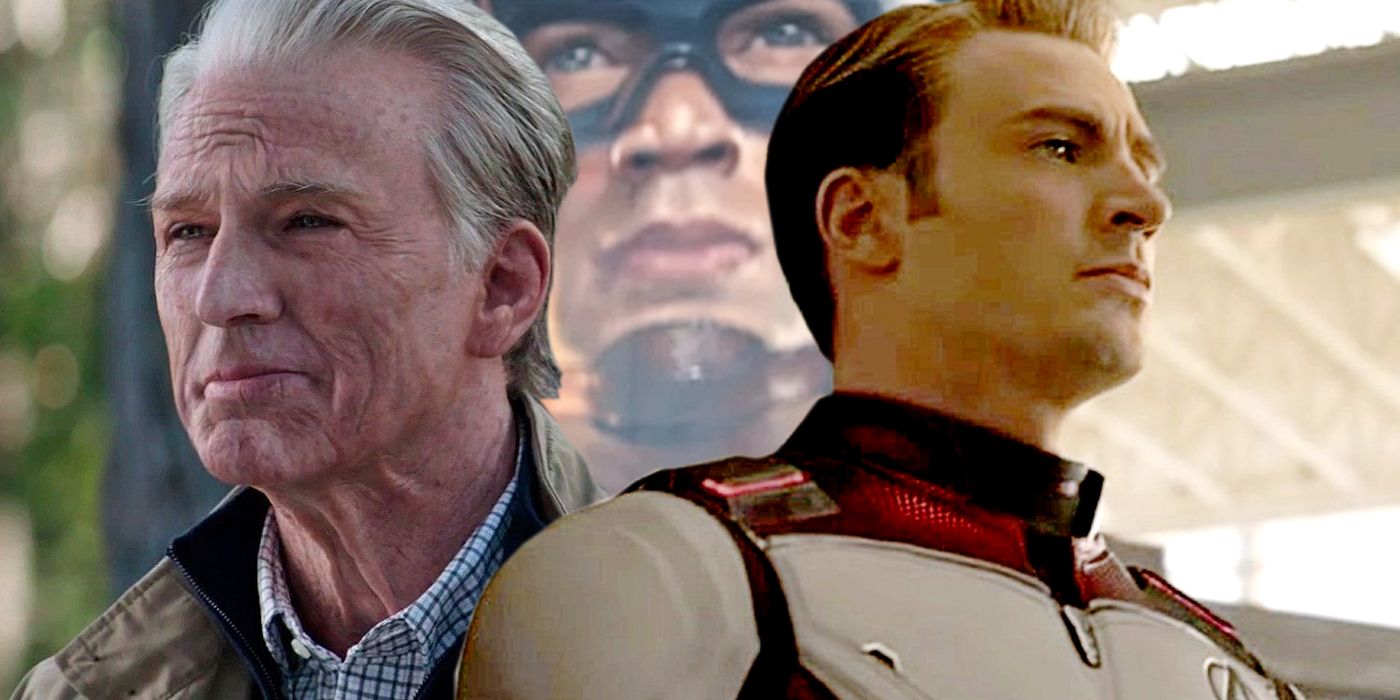
Before we can understand what happened to the Captain America brand after Endgame, we must analyze the brand equity established by Steve Rogers. For nearly a decade, the “Captain America” brand was synonymous with Steve Rogers, a visual and ideological anchor for the Marvel Cinematic Universe (MCU).
Core Values and Brand Consistency
Every successful brand is built on a foundation of core values. For the Steve Rogers iteration of Captain America, those values were integrity, sacrifice, and a steadfast moral compass. From a branding perspective, Rogers represented “Heritage Branding.” He was the reliable, “classic” choice—much like a century-old luxury watchmaker or a legacy financial institution. His brand promise was simple: he would always do the right thing, regardless of the cost. This consistency allowed the audience (the consumers) to develop deep emotional resonance with the character, making the brand incredibly valuable but also difficult to change.
The Symbolism of the Shield as a Visual Asset
In branding, visual assets are often as important as the service or product itself. The shield is the “Swoosh” or the “Golden Arches” of the Captain America brand. It is an instantly recognizable logo that communicates protection, resilience, and American ideals. Post-Endgame, the challenge for Marvel was to decouple the physical asset (the shield) from the original brand ambassador (Steve Rogers) and transfer its equity to a new representative. This is a strategy often seen when a fashion house hires a new creative director; the logo remains the same, but the interpretation of the brand’s “voice” begins to shift.
The Challenge of Brand Succession: Why “Endgame” Was a Pivot Point
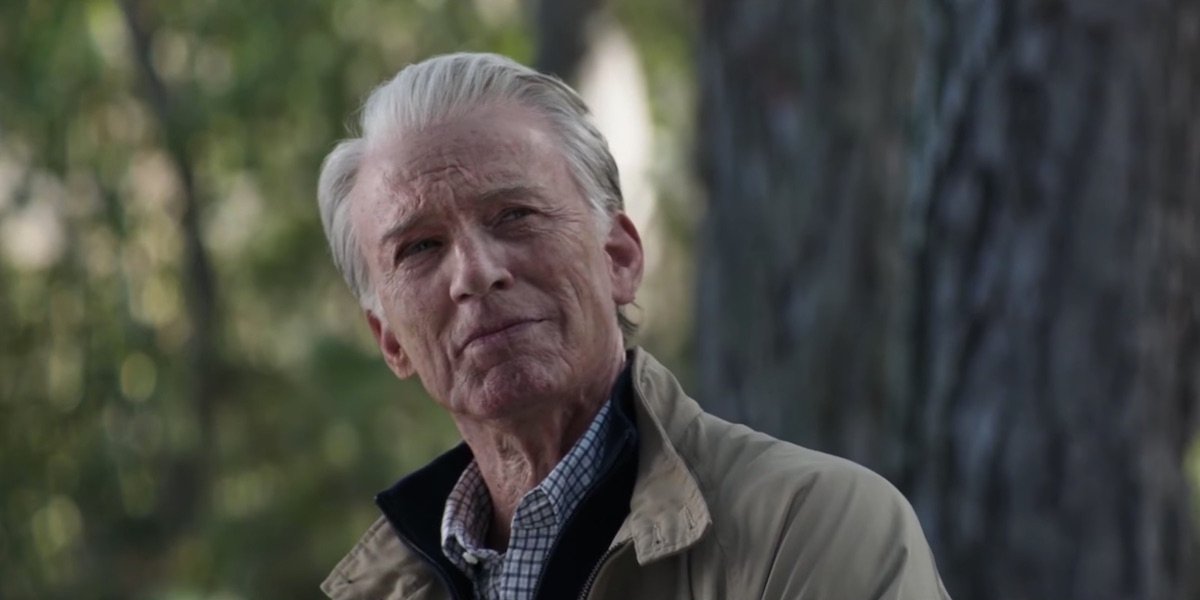
The conclusion of Endgame served as the “sunset phase” for the Steve Rogers product line. In business, a sunset phase must be handled with precision to avoid alienating the existing customer base. If the transition is too abrupt, the brand loses its “authenticity”; if it is too slow, the brand becomes stagnant and loses its competitive edge in a fast-moving market.
Managing Consumer Expectations
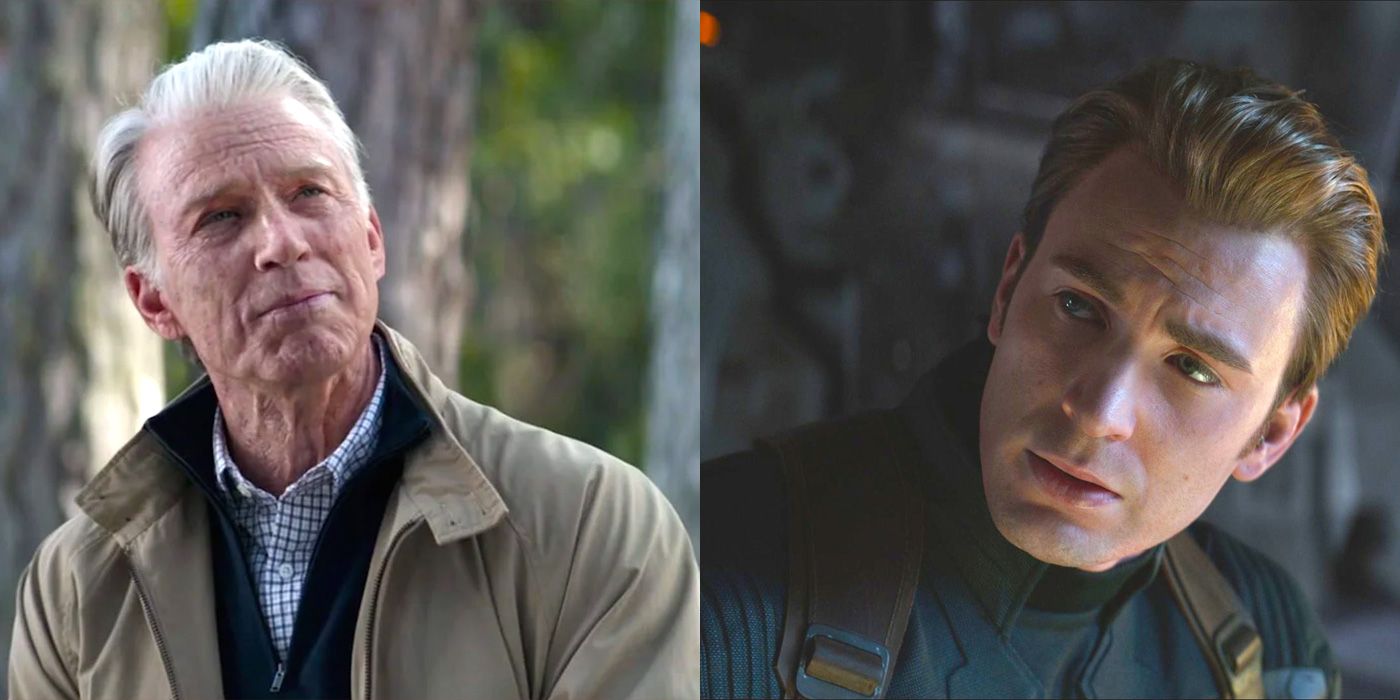
When Sam Wilson was handed the shield, the “consumer” (the audience) was faced with a brand crisis. Could the Captain America brand exist without Steve Rogers? This is the same question investors ask when a visionary founder leaves a tech giant. Marvel’s strategy post-Endgame was to lean into the discomfort of the transition rather than ignore it. By acknowledging that Sam Wilson initially felt he wasn’t “ready” for the brand, Marvel humanized the rebranding process. This allowed the audience to go on a journey of brand discovery alongside the character, building a new layer of loyalty through shared vulnerability.
The Risks of Legacy Replacement
One of the primary risks in brand succession is “The New Coke” syndrome—replacing a beloved staple with an iteration that feels forced or artificial. Post-Endgame, Marvel faced the risk that any successor would be viewed as a “discount version” of the original. To mitigate this, the narrative in The Falcon and the Winter Soldier acted as a corporate restructuring period. It addressed the “John Walker” experiment—a cautionary tale of what happens when a brand tries to force a successor who shares the aesthetic but lacks the core values. This effectively “cleansed the palate” for Sam Wilson to take the mantle on his own terms.
Rebranding the Sentinel of Liberty: Sam Wilson’s New Market Position
The evolution of Captain America after Endgame is not a mere replacement; it is a strategic rebranding. Sam Wilson’s Captain America represents a “Modernization Strategy,” designed to make a legacy brand relevant to a changing global demographic.
Inclusive Branding and Modern Social Relevance
Steve Rogers’ brand was rooted in the 1940s—a “Greatest Generation” idealism. Sam Wilson’s brand is rooted in the complexities of the 21st century. By positioning a Black man as the face of the Captain America brand, Marvel engaged in a powerful exercise of “Inclusive Branding.” This wasn’t just about optics; it was about expanding the brand’s reach and deepening its social relevance. In the corporate world, this is akin to a brand like Nike or Ben & Jerry’s taking a definitive stance on social issues. It creates a “Brand Purpose” that goes beyond the product, fostering a community of consumers who value the brand’s societal impact as much as its utility.
Differentiation Without Alienation
A successful rebrand must offer something new while honoring the old. Sam Wilson’s Captain America differentiates itself through a new “Product Feature Set”: he uses wings, he has no super-soldier serum, and he utilizes drone technology (Redwing). From a brand strategy perspective, this is “Brand Extension.” You keep the core name and the logo (the shield), but you update the delivery mechanism to feel fresh and high-tech. By emphasizing Sam’s background as a veteran’s counselor, Marvel shifted the brand’s focus from “Power” to “Empathy,” offering a new market position that appeals to a contemporary audience that values emotional intelligence.
Strategic Storytelling: How Narrative Drives Brand Longevity
What happened to Captain America after Endgame is ultimately a story of how narrative acts as the engine for brand equity. Without a compelling story, a brand is just a logo. Marvel used the vacuum left by Steve Rogers to create a “Narrative Scarcity” that made the eventual reveal of the new Captain America even more impactful.
Content as a Vehicle for Brand Equity
The transition of the Captain America brand was primarily executed through a high-budget limited series on Disney+. This was a strategic choice to use “Long-form Content Marketing” to rebuild the brand. Unlike a two-hour movie, a six-episode series allowed the brand to breathe, addressing the nuances of the transition. It gave the “consumers” time to habituate to the new brand identity. In the business world, this is equivalent to a company launching a comprehensive “Behind the Brand” campaign to explain a change in leadership or a shift in corporate mission.
Lessons for Corporate Identity Transitions
The post-Endgame journey of Captain America offers three vital lessons for any brand undergoing a transition:
- Respect the Heritage: You cannot build the new without honoring the old. Sam Wilson’s respect for Steve Rogers’ legacy validated the audience’s long-term investment.
- Acknowledge the Friction: Don’t pretend a transition is seamless. Acknowledge the challenges, and your audience will trust you more.
- Innovate the Value Proposition: A rebrand needs a reason to exist. Sam Wilson didn’t just become “Steve Rogers 2.0”; he became a version of Captain America that the modern world specifically needed.
In conclusion, what happened to Captain America after Endgame was a calculated, brilliant transformation of a multi-billion dollar asset. By treating the mantle of Captain America as a living brand rather than a static character, Marvel ensured that the Sentinel of Liberty would remain relevant for a new generation. The “Captain America” brand is no longer just about one man; it is a platform for ideals, adapted for a modern marketplace that demands authenticity, diversity, and purposeful leadership. Through Sam Wilson, the brand has been successfully “future-proofed,” ensuring that the shield will continue to represent a premium standard of heroism for decades to come.
aViewFromTheCave is a participant in the Amazon Services LLC Associates Program, an affiliate advertising program designed to provide a means for sites to earn advertising fees by advertising and linking to Amazon.com. Amazon, the Amazon logo, AmazonSupply, and the AmazonSupply logo are trademarks of Amazon.com, Inc. or its affiliates. As an Amazon Associate we earn affiliate commissions from qualifying purchases.