
For decades, the standard for the American retail landscape on December 25th was a total cessation of activity. Streets were quiet, shutters were down, and the economy took a brief, collective breath. However, in the modern financial ecosystem, the question of “what store is open on Christmas” has evolved from a simple logistical inquiry into a complex study of labor economics, consumer behavior, and corporate financial strategy.
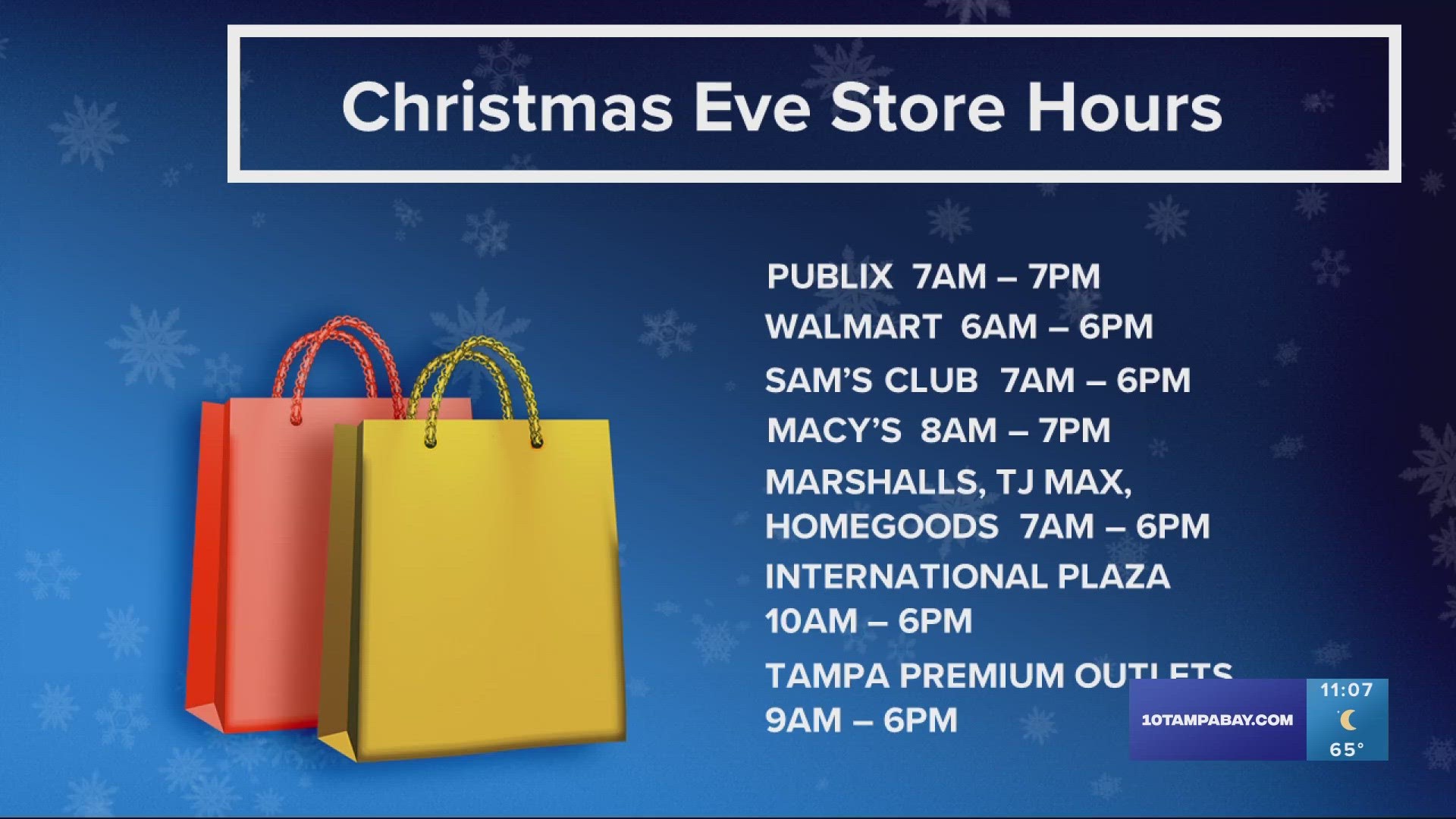
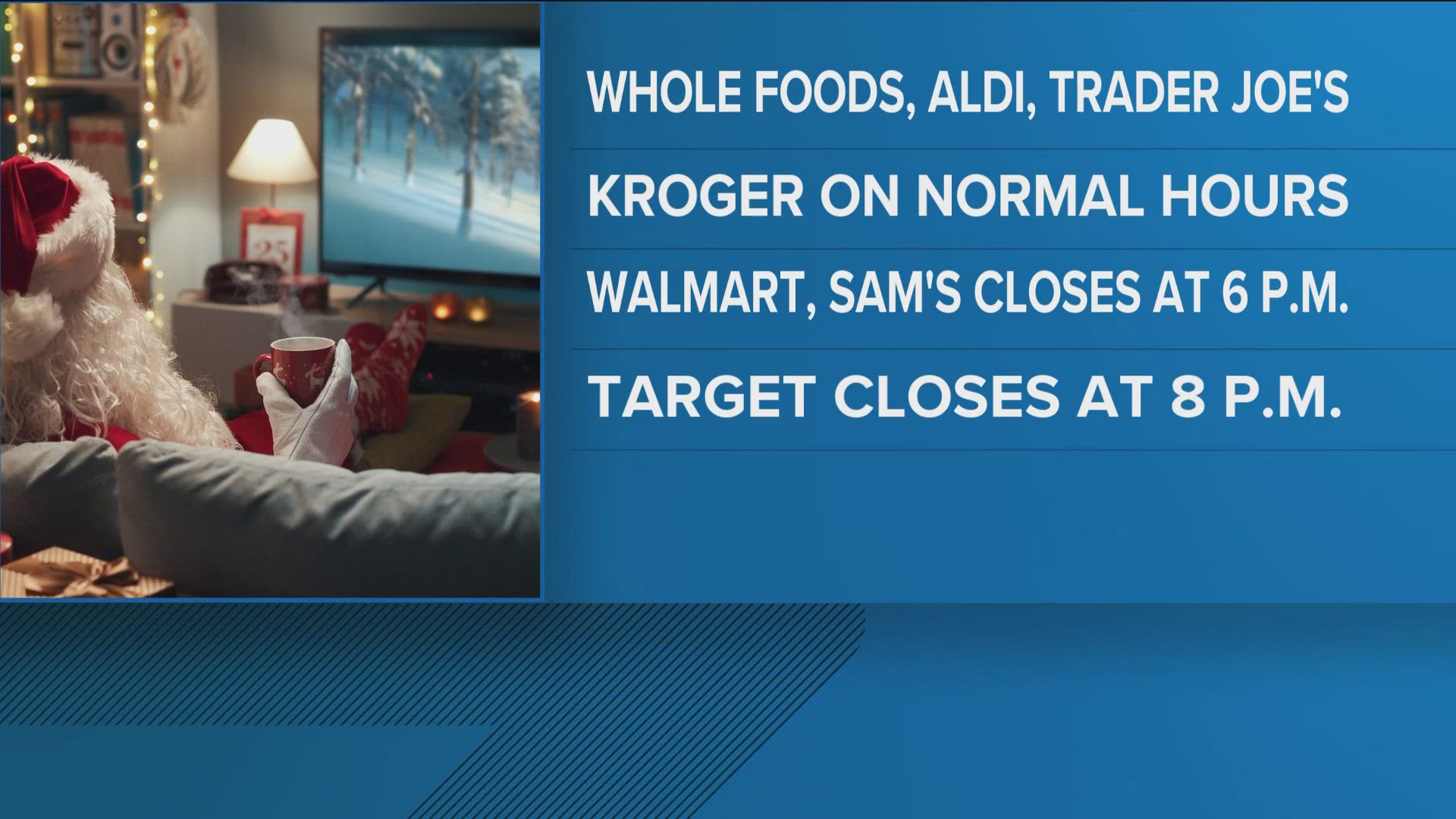
While many major big-box retailers like Walmart and Target have recently recommitted to closing on the holiday to prioritize employee well-being, a significant segment of the retail sector remains operational. This decision is rarely a matter of tradition; it is a calculated move driven by profit margins, market share acquisition, and the rising costs of “always-on” consumer expectations.
The Financial Drivers Behind Christmas Day Operations
The decision to keep a storefront operational on Christmas is a high-stakes balancing act between operational overhead and potential revenue. For most businesses, the financial “break-even” point on a holiday is significantly higher than on a standard Tuesday.
Analyzing the Cost-Benefit of Holiday Staffing
The primary expenditure for any business open on Christmas is labor. In many jurisdictions and corporate policies, holiday pay—often ranging from time-and-a-half to double-time—is mandatory or expected to incentivize staffing. From a business finance perspective, management must calculate whether the projected foot traffic can offset a 50% to 100% increase in hourly labor costs. For high-volume convenience hubs, the answer is often a resounding yes.
Revenue Projections vs. Operational Overhead
Beyond wages, the cost of keeping the lights on includes utilities, security, and supply chain logistics. However, the lack of competition on Christmas Day creates a unique market phenomenon: a monopoly on local demand. When 90% of retail options are closed, the remaining 10% capture the entirety of the market’s “emergency” or “last-minute” spending. This spike in volume often justifies the inflated operational costs.
The Market Share Battle: Convenience as a Competitive Edge
In the world of brand strategy and finance, being the “only one open” is a powerful customer acquisition tool. Pharmacies and convenience stores use Christmas Day availability to build long-term brand loyalty. If a consumer knows a specific brand is reliable during a crisis—be it a forgotten ingredient or a medical need—they are more likely to return throughout the fiscal year. This “halo effect” translates into a higher Customer Lifetime Value (CLV).
Retail Resilience: The Sectors That Profit Most on December 25th
Not all retail is created equal on Christmas. The sectors that remain open typically fall into categories where consumer demand is inelastic—meaning people need these items regardless of the date or price.
Essential Services and Pharmacies: The Recession-Proof Holiday Model
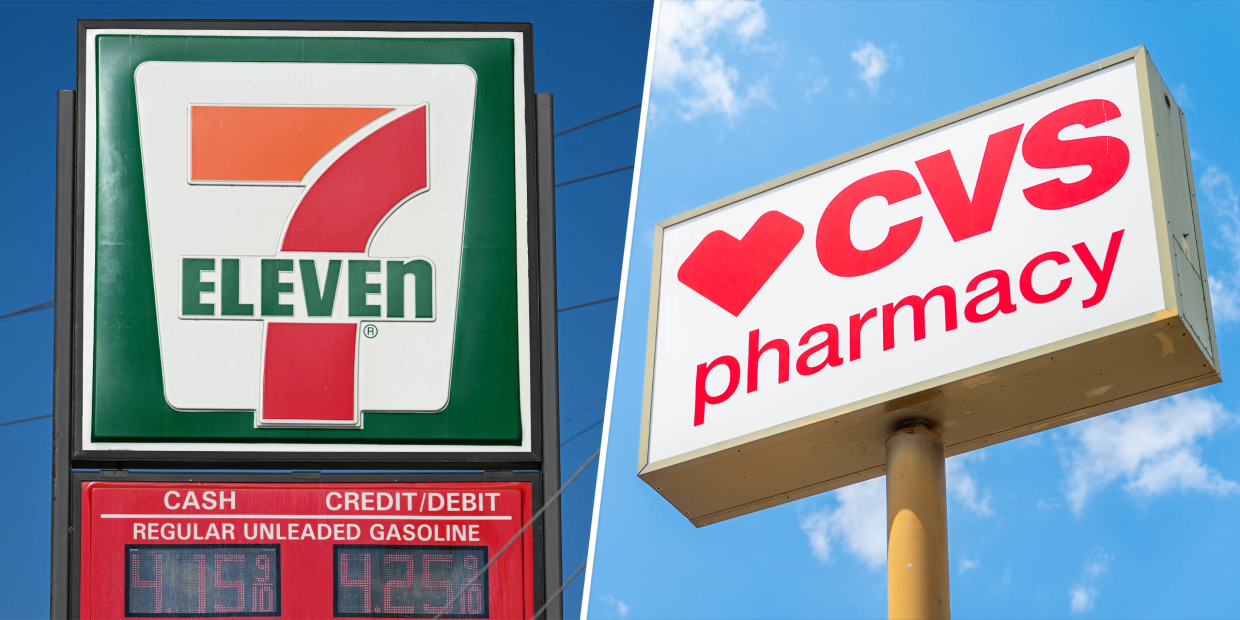
National chains like CVS and Walgreens have mastered the art of holiday profitability. By remaining open, they serve as the primary destination for health-related needs. From a financial standpoint, these stores operate as high-margin hubs. While a customer may enter for a prescription, the “attachment rate”—the likelihood of them purchasing high-margin items like batteries, gift cards, or snacks—skyrockets when no other options exist.
Convenience Stores and Gas Stations: High-Margin Holiday Traffic
7-Eleven and similar franchises are the backbone of Christmas Day commerce. Their business model is built on low-cost, high-frequency transactions. On Christmas, these locations benefit from “traveler spending.” With millions of people on the road visiting family, the demand for fuel, coffee, and prepared foods creates a steady stream of revenue that is largely unaffected by the holiday closures of traditional department stores.
The Surge in On-Demand Delivery and the Gig Economy
Perhaps the most significant shift in the Christmas economy is the rise of the gig worker. Apps like DoorDash and UberEats do not “close.” While the physical restaurants might be shuttered, those that remain open—often ethnic restaurants or local franchises—experience a massive surge in orders. This creates a secondary market where independent contractors can capitalize on “surge pricing” and higher tips, effectively turning Christmas into one of the most profitable “side hustle” days of the year.
Labor Economics: The Side Hustle and Overtime Incentives
From a personal finance perspective, the question of whether a store is open on Christmas is also a question of income opportunity. For many hourly workers, the holiday represents a significant financial boon.
The Lure of Holiday Pay: Calculating the ROI of Working Christmas
For employees living paycheck to paycheck or those aggressively pursuing financial independence, working a 10-hour shift at double-time is equivalent to 20 hours of standard labor. This creates an internal economy within the workforce where employees often volunteer for holiday shifts to pad their year-end savings or pay down high-interest debt accrued during the shopping season.
The Rise of “Always-Open” Digital Income Streams
The modern worker is no longer tied to a physical storefront to generate income on Christmas. The “Money” niche has seen a massive expansion in automated income. Affiliate marketers, e-commerce dropshippers, and content creators see some of their highest traffic on Christmas Day as people unwrap new gadgets and immediately begin searching for tutorials, apps, or accessories. This “digital retail” operates with zero incremental labor cost, representing the pinnacle of holiday profit efficiency.
Balancing Employee Retention with Profitability
Smart corporations are beginning to realize that forcing employees to work on Christmas can lead to high turnover, which is an expensive hidden cost. The “quit rate” in retail often spikes in January. To combat this, companies are shifting toward a voluntary model, offering significant financial bonuses rather than mandates. This maintains the brand’s reputation while ensuring the store remains a viable profit center.
The Shift to E-Commerce: Digital Storefronts and 365-Day Revenue
While physical stores debate the merits of opening, the digital marketplace has rendered the question of “holiday hours” largely obsolete. The financial landscape of Christmas has moved from the cash register to the cloud.
Automated Revenue: How AI and Tech Fuel Holiday Sales
Modern retail platforms use AI-driven algorithms to manage “Christmas Day Sales” without a single human being in the office. Automated email marketing campaigns are timed to hit inboxes just as consumers are relaxing after lunch. These systems capture “impulse spend” that was previously unavailable to retailers. For a business owner, this is the ideal financial scenario: 100% automation with 24/7 revenue generation.
Logistics and Fulfillment: The Hidden Costs of Christmas Orders
While the website is open, the fulfillment centers often pause. This creates a “logistical debt” that must be repaid in the days following the holiday. Analysts look closely at how companies like Amazon manage this backlog. The efficiency with which a company can transition from the Christmas Day lull to the “Return Season” (the week after Christmas) is a major indicator of its operational health and quarterly earnings potential.
Investing in the “Holiday Economy”: Long-term Trends for Shareholders
For the savvy investor, the activity of stores on Christmas Day provides valuable data points regarding a company’s management philosophy and market positioning.
Q4 Earnings Reports: The Weight of Late-December Transactions
The final week of December can account for a disproportionate percentage of a retailer’s annual profit. Investors track “Same-Store Sales” (SSS) during this period to gauge consumer strength. A store that can successfully navigate the Christmas Day opening—balancing high labor costs with high-volume sales—often shows a more robust bottom line in the Q4 report.
Consumer Sentiment and Its Impact on Retail Stock Volatility
There is an increasing trend of “conscious capitalism,” where consumers may penalize a brand for remaining open, viewing it as a lack of empathy for workers. Conversely, some investors view the commitment to 24/7 operations as a sign of an aggressive, growth-oriented company. Analyzing the stock performance of “Always-Open” retailers versus “Closed-on-Christmas” retailers reveals a fascinating split in market philosophy. Companies like Costco (always closed on holidays) have seen incredible growth by focusing on employee satisfaction, proving that staying closed can be just as profitable a “Money” strategy as staying open.
Conclusion: The Bottom Line on Holiday Hours
The question of “what store is open on Christmas” is no longer just about where to buy a gallon of milk. It is a window into the current state of our global economy. It highlights the tension between the “Always-On” digital world and the physical limits of human labor.
From a financial perspective, the holiday has become a bifurcated event. On one side, we have the traditional shutdown, used as a tool for brand building and employee retention. On the other, we have the strategic, high-margin operations of pharmacies, convenience stores, and the gig economy, all of which capitalize on the unique supply-and-demand vacuum of December 25th.
For the consumer, the worker, and the investor, Christmas Day represents a unique moment of economic theater. Whether it is a side hustle for an extra paycheck or a multi-million dollar corporate strategy to capture market share, the commerce of Christmas is a vital, albeit quiet, engine of the modern financial world. As we move forward, expect the digital side of this equation to continue its dominance, making the physical “open or closed” sign a secondary concern to the “always-processing” power of the online economy.
aViewFromTheCave is a participant in the Amazon Services LLC Associates Program, an affiliate advertising program designed to provide a means for sites to earn advertising fees by advertising and linking to Amazon.com. Amazon, the Amazon logo, AmazonSupply, and the AmazonSupply logo are trademarks of Amazon.com, Inc. or its affiliates. As an Amazon Associate we earn affiliate commissions from qualifying purchases.