
Gardening, for many, is a rewarding hobby that offers a direct connection to nature and a bounty of fresh produce. For others, however, it presents a viable avenue for generating income, whether through farmers’ markets, CSA (Community Supported Agriculture) programs, or even direct sales to local restaurants. Regardless of your motivation, efficient gardening practices are paramount to success. When it comes to popular and prolific crops like zucchini, understanding the art of companion planting can significantly enhance yields, deter pests, improve soil health, and ultimately, boost your bottom line. This isn’t just about growing more food; it’s about growing smarter, which translates directly into financial gain.

The Economic Advantage of Strategic Zucchini Companions
Zucchini is a cornerstone of many summer gardens due to its rapid growth and abundant fruit production. However, a single zucchini plant, if not managed effectively, can become a space hog with questionable returns. Strategic companion planting unlocks the true economic potential of zucchini by creating a symbiotic ecosystem within your garden beds. By carefully selecting plants that thrive alongside zucchini, you can achieve several key financial benefits:
Enhanced Yields and Quality for Higher Market Value
The primary driver of profitability in any agricultural endeavor is the quantity and quality of the produce. Companion plants can directly influence zucchini’s growth in ways that lead to more abundant and higher-quality harvests.
Nutrient Cycling and Soil Enrichment
Certain companion plants, particularly legumes, are nitrogen-fixers. They draw nitrogen from the atmosphere and convert it into a form that zucchini plants can readily absorb. Nitrogen is a crucial nutrient for leafy growth and fruit development. By naturally enriching the soil, these companions reduce the need for expensive synthetic fertilizers, directly cutting operational costs. For a market gardener, this cost saving on inputs translates into a larger profit margin per harvest. Furthermore, improved soil health leads to stronger, more resilient zucchini plants that are less susceptible to diseases and stress, resulting in fewer crop losses and a more consistent supply for buyers.
Natural Pest Deterrence and Reduced Pesticide Costs
Pests are a constant threat to garden profitability. Aphids, squash bugs, and cucumber beetles can decimate zucchini crops, leading to significant financial losses and the need for costly pest control measures. Many companion plants possess natural repellent properties. For instance, planting aromatic herbs like basil, rosemary, or mint nearby can confuse and deter common zucchini pests. Marigolds are well-known for their ability to repel nematodes in the soil and other insects above ground. By employing these natural defense mechanisms, gardeners can significantly reduce or eliminate the need for chemical pesticides, which are not only expensive but also carry environmental and health concerns, potentially impacting brand reputation. A “pesticide-free” or “organically grown” label can command a premium price in many markets, further enhancing profitability.
Optimized Space Utilization and Increased Crop Diversity
In a commercial or even an ambitious home garden, space is a valuable commodity. Companion planting allows for a more efficient use of this space, leading to a greater overall output from a given area.
Vertical Growth and Intercropping
Zucchini plants are sprawling vines. While they are the main event, their broad leaves can cast shade on smaller, ground-level crops. However, by intelligently intercropping, you can maximize vertical space. For example, planting vining crops that grow upwards, such as pole beans or certain types of cucumbers, can utilize the vertical space above and around the zucchini, provided adequate support structures are in place. This “stacking” of crops means you’re harvesting multiple valuable products from the same plot of land, significantly increasing your revenue potential. For a farmer’s market vendor, offering a diverse array of produce from a smaller footprint can be a significant competitive advantage.
Maximizing Yield per Square Foot
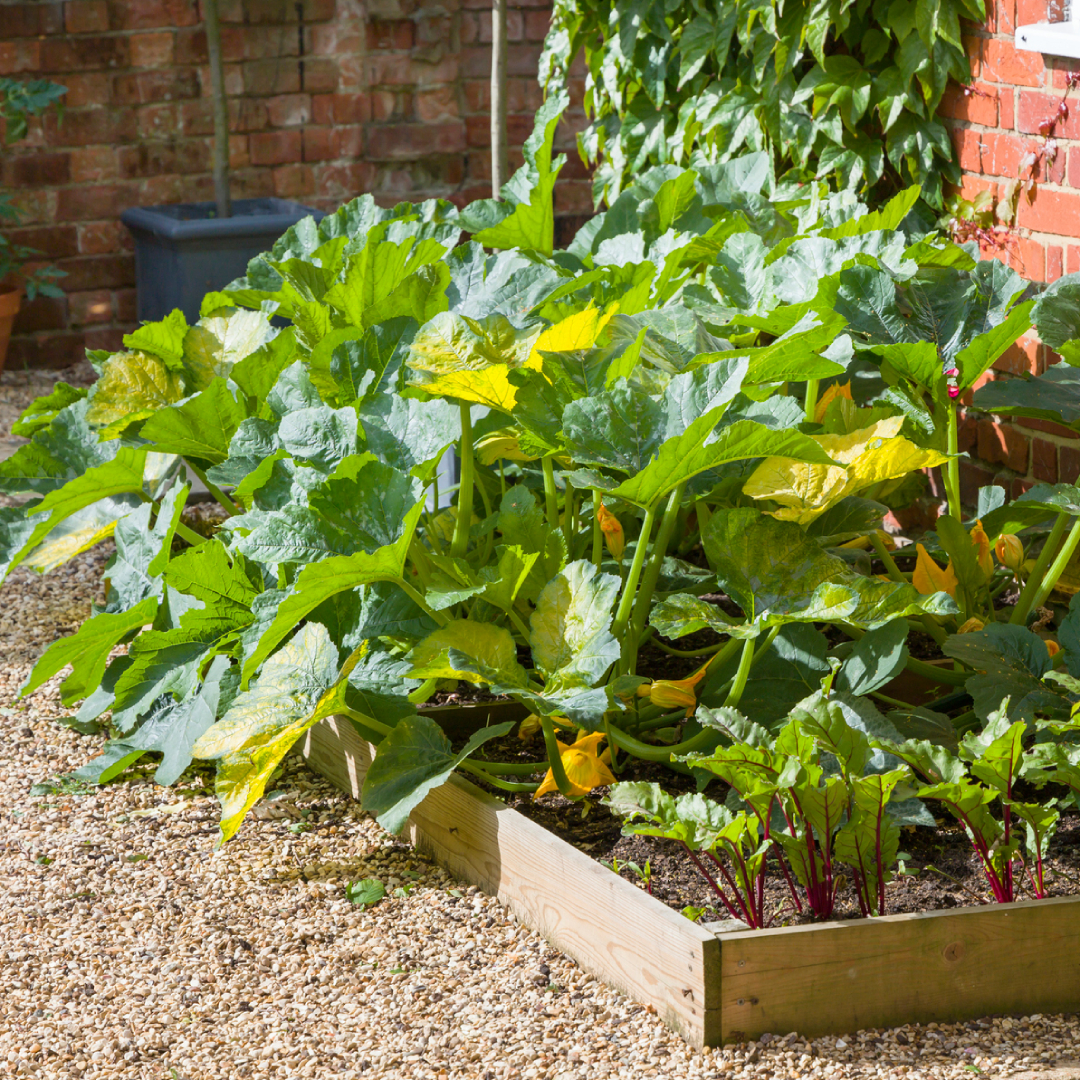
When zucchini is planted in monoculture, it can monopolize resources. Companion planting with plants that have different root depths and nutrient requirements can lead to a synergistic effect. For example, shallow-rooted plants can thrive in the upper soil layers while zucchini draws from deeper reserves. This allows for a higher density of productive plants in a given area without direct competition. Imagine a single raised bed producing not only a substantial crop of zucchini but also an abundance of herbs, leafy greens, or root vegetables. This densification of output is a direct pathway to increased revenue and a more resilient income stream, as you are not solely reliant on the success of a single crop.
Cultivating Smart Companions for Zucchini: A Financial Blueprint
The choice of companion plants is critical. Some pairings are detrimental, while others offer significant economic advantages. Here’s a look at some of the most beneficial companions for zucchini, viewed through a financial lens:
The Powerhouse Partnerships: Proven Profit Boosters
Certain plant pairings are consistently lauded for their mutual benefits, directly impacting the profitability of zucchini cultivation.
Radishes: The Early Bird Gets the Worm (and the Revenue)
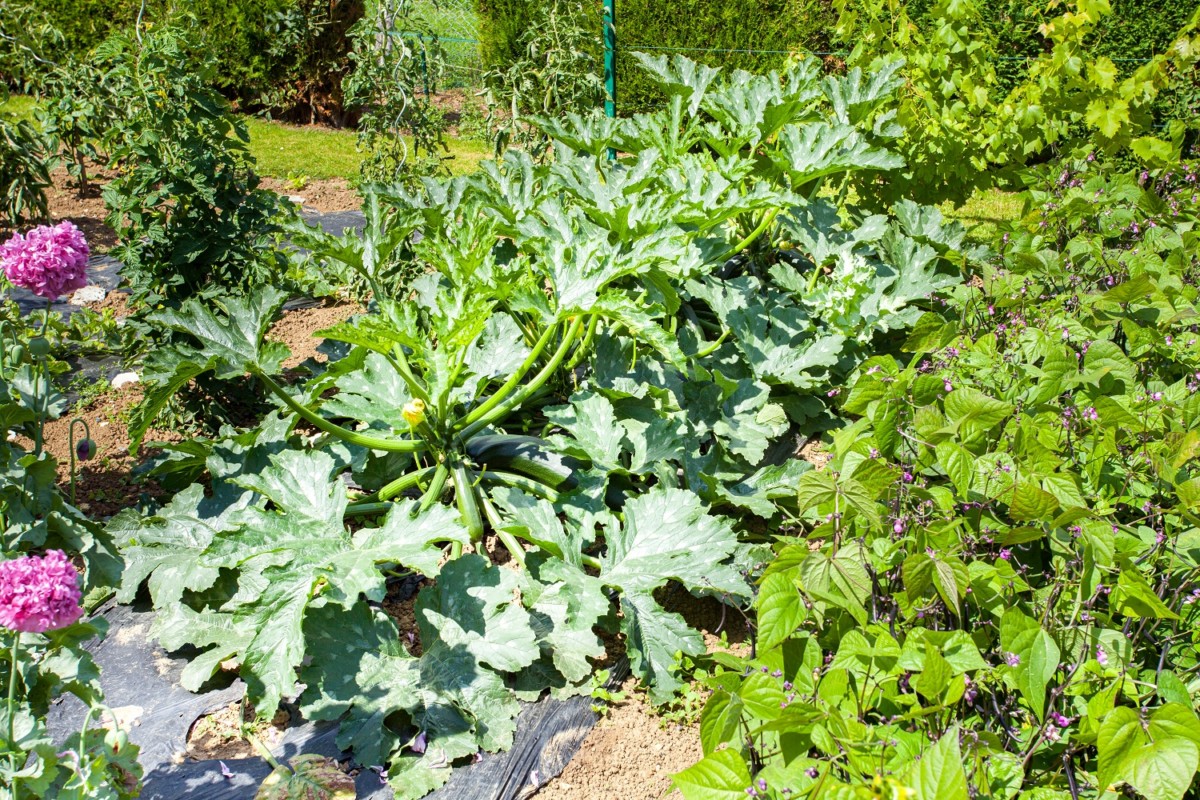
Radishes are fast-growing root vegetables that can be planted around zucchini seedlings. Their rapid maturation means you can harvest a crop of radishes before the zucchini plants fully spread out and begin to heavily utilize the available space and resources. This early harvest provides a quick return on investment, generating income from the same plot of land in a short period. Furthermore, their slightly peppery taste can deter some pests that might otherwise bother young zucchini plants. The value here lies in the temporal advantage – getting a cash crop in and out before the main event, increasing overall yield per season.
Marigolds (Tagetes spp.): The Organic Pest Control Investment
While not a food crop for immediate sale, marigolds are an indispensable investment in pest management. Their roots release thiophene, a substance that repels nematodes, microscopic roundworms that can damage zucchini roots. Their vibrant flowers also deter other common garden pests, including aphids and whiteflies. The cost of a packet of marigold seeds is minimal, but the savings on pest control products and the prevention of crop loss can be substantial. For growers aiming for organic certification, marigolds are a vital, cost-effective tool. The long-term benefit of healthier plants and higher yields translates directly into financial stability.
Nasturtiums: The Trap Crop and Beneficial Insect Attractor
Nasturtiums serve a dual purpose that directly benefits the economic viability of zucchini. Firstly, they act as a “trap crop” for aphids. Aphids are often attracted to the tender leaves of nasturtiums, drawing them away from the zucchini. This means fewer aphids on your cash crop, reducing damage and the need for intervention. Secondly, the bright, attractive flowers of nasturtiums attract beneficial insects like hoverflies and ladybugs, which are natural predators of aphids. By encouraging these beneficials, you create a self-sustaining ecosystem that keeps pest populations in check. The investment in nasturtium seeds is low, but the return in terms of reduced pest pressure and increased zucchini quality is significant.
The Aromatic Allies: Herbs for Enhanced Flavor and Protection
Herbs are not only valuable for their culinary uses but also for their ability to enhance the growth and protection of zucchini.
Basil: Flavor Enhancement and Pest Deterrence
Basil is a classic companion for many vegetables, including zucchini. It is believed to deter common pests like flies and mosquitoes. More importantly, growing basil alongside zucchini can actually enhance the flavor of the zucchini itself. For chefs or discerning home consumers, this subtle improvement in flavor can command a higher price or lead to repeat customers. The cost of basil plants is minimal, and the dual benefit of pest deterrence and flavor enhancement makes it a highly profitable companion choice.
Rosemary and Thyme: The Scented Shield
These woody herbs, with their strong fragrances, are excellent at repelling a variety of pests, including squash bugs, which are particularly problematic for zucchini. Their aromatic oils can confuse and deter these damaging insects. While not a direct cash crop, their protective function saves money on pesticides and prevents crop loss. Investing in a few rosemary and thyme plants can provide long-term protection for your zucchini patch, ensuring a more consistent and profitable harvest year after year.
Avoiding Costly Mistakes: Zucchini Companions to Steer Clear Of
Not all plant partnerships are beneficial. Some can actively hinder zucchini growth, leading to reduced yields and financial losses. Understanding these detrimental pairings is as crucial as knowing the beneficial ones.
The Competitive Culprits: Plants That Hinder Zucchini’s Financial Growth
Certain crops compete directly with zucchini for resources or can introduce diseases that negatively impact profitability.
Potatoes: Resource Competition and Potential Disease Transfer
Potatoes are heavy feeders and require a similar nutrient profile and soil conditions to zucchini. Planting them in close proximity can lead to intense competition for nutrients, water, and sunlight, ultimately reducing the yield of both crops. Furthermore, both potatoes and zucchini can be susceptible to certain fungal diseases, such as blight. If a disease infects one crop, it can easily spread to the other, leading to widespread crop failure and significant financial loss. It is generally advisable to keep potatoes separate from zucchini.
Brassicas (Cabbage, Broccoli, Cauliflower): Nutrient Drain and Growth Inhibition
Brassica family plants are notorious for being nutrient-hungry. They require significant amounts of nitrogen and other essential elements. Planting them alongside zucchini can deplete the soil of these vital nutrients, starving the zucchini plants and leading to stunted growth and reduced fruit production. This direct competition for resources will undeniably impact the financial return on your zucchini crop.
Conclusion: Cultivating Profit with Every Zucchini Harvest
Companion planting with zucchini is far more than a gardening curiosity; it’s a strategic approach to maximizing agricultural output and profitability. By understanding which plants work in synergy with zucchini, you can naturally enhance yields, deter pests, improve soil health, and optimize space utilization. This translates directly into reduced input costs, higher quality produce, and a more consistent and abundant harvest.
For the market gardener, the home food producer seeking self-sufficiency, or anyone looking to extract maximum value from their garden space, strategic companion planting with zucchini is an investment that pays dividends. It’s about fostering a healthy, productive ecosystem that supports your financial goals, proving that sometimes, the best way to grow your money is by growing the right plants alongside your zucchini. By embracing these principles, you’re not just cultivating vegetables; you’re cultivating a more profitable and sustainable gardening future.
aViewFromTheCave is a participant in the Amazon Services LLC Associates Program, an affiliate advertising program designed to provide a means for sites to earn advertising fees by advertising and linking to Amazon.com. Amazon, the Amazon logo, AmazonSupply, and the AmazonSupply logo are trademarks of Amazon.com, Inc. or its affiliates. As an Amazon Associate we earn affiliate commissions from qualifying purchases.