
In the rapidly evolving landscape of digital media, the line between animation, social media trends, and interactive gaming has become increasingly blurred. One of the most prominent examples of this phenomenon is the recent viral surge of “Miss Circle.” For those navigating the digital space, the question “What game is Miss Circle from?” frequently surfaces in search queries and tech forums. However, the answer is more complex than a simple title found on a retail shelf. Miss Circle is a byproduct of the modern tech ecosystem—a synergy of independent animation software, algorithmic distribution, and user-generated content (UGC) platforms.
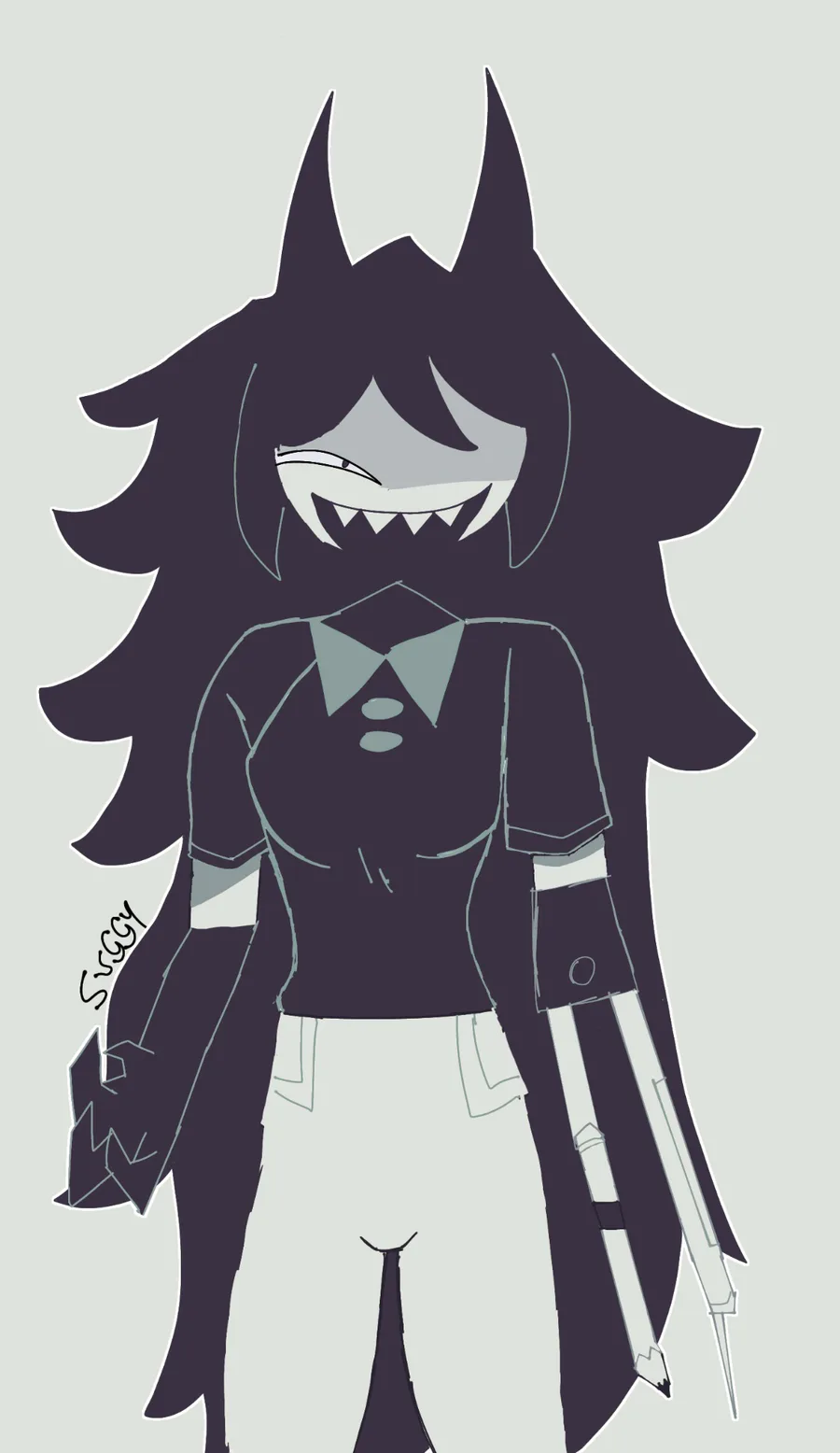
This article examines the technical origins of Miss Circle, the software that brought her to life, and her eventual integration into gaming platforms like Roblox through community-driven development.
The Digital Genesis: Animation Software and the Rise of Indie Creators
To understand where Miss Circle “comes from,” one must first look at the digital tools utilized by her creator, Kaaatie. Miss Circle is the primary antagonist in the viral YouTube animation Fundamental Paper Education. Unlike traditional studio-backed characters, Miss Circle was birthed through accessible, high-powered creative software that has democratized the animation industry.
From 2D Illustrations to Viral Motion Graphics
The creation of Miss Circle relies on professional-grade digital illustration and animation suites. Creators in this niche typically utilize tools such as Procreate for character design, followed by Adobe After Effects or Live2D for rigging and motion. The “paper” aesthetic of the character—a sharp, monochromatic, 2D look—is a technical choice that mirrors the “indie horror” trend currently dominating digital platforms. By leveraging layering techniques and frame-by-frame digital rendering, creators can produce high-quality cinematic experiences that rival traditional television, distributed directly to millions of users via the cloud.
The Role of Social Media Algorithms in Niche Content Proliferation
The “discovery” of Miss Circle is a masterclass in how recommendation engines function. Platforms like YouTube and TikTok utilize neural networks to categorize visual data and user engagement metrics. When Fundamental Paper Education was uploaded, the metadata associated with “horror animation” and “stylized art” triggered a chain reaction across the algorithm. This technological push ensured that a niche 2D animation reached the screens of gamers and tech enthusiasts worldwide, leading many to believe the character originated from a high-budget survival horror game.
The Intersection of Animation and Gaming Platforms
While Miss Circle originated in a linear video format, she has transitioned into the gaming world through the power of user-generated content (UGC) engines. This is where the confusion regarding her “game of origin” stems from.
Miss Circle in the Roblox Universe: UGC and Modding Culture
The most significant “game” associated with Miss Circle is Roblox. However, she is not an official character developed by the Roblox Corporation. Instead, she exists as a series of technical assets created by the community. Using the Roblox Studio—a comprehensive development environment—users have imported Miss Circle’s likeness into custom “experiences.”
These creators use Luau (a version of the Lua programming language) to script AI behaviors for Miss Circle, turning a static animation character into a dynamic NPC (Non-Player Character) that can hunt players in a 3D environment. This transition highlights a major trend in tech: the portability of intellectual property through open-development platforms.
Technical Integration: How Viral Characters Become Playable Assets
The process of bringing Miss Circle into a game involves several technical steps:
- 3D Modeling: Translating a 2D “paper” design into a 3D mesh using software like Blender.
- Rigging and Weight Painting: Assigning a digital skeleton to the mesh so it can move within a game engine.
- Texture Mapping: Applying the specific “paper” aesthetic to the 3D model to ensure visual fidelity to the original source.
- Scripting: Programming the character’s logic, such as pathfinding algorithms, to create an interactive experience.
This pipeline allows viral characters to inhabit games almost as soon as they go viral, leading to the rapid proliferation of “fan games” on platforms like itch.io and Roblox.

The Tech Behind the Aesthetic: Paper-Style Visuals in Modern Digital Media
One of the reasons Miss Circle has captured the attention of the tech-savvy public is the specific visual style of Fundamental Paper Education. This “paper-cut” aesthetic is a growing trend in digital art and game design, often referred to as “2.5D.”
Stylized Rendering and Visual Storytelling Tools
In modern tech, “photorealism” is no longer the sole goal of graphics engines. Instead, “stylized rendering” has taken center stage. This involves using shaders—programs that calculate the levels of light, darkness, and color during the rendering of a 3D scene—to mimic the look of traditional media. To achieve the Miss Circle look in a digital environment, developers use “Cel-shading” or “Toon-shading” techniques. These technical processes flatten the depth of a 3D object, making it look like a hand-drawn 2D illustration while maintaining the benefits of a 3D camera.
Cross-Platform Synergy: YouTube to Gaming Engine Pipelines
The workflow between digital animation and game development is more integrated than ever. Modern engines like Unity and Unreal Engine allow for the direct import of assets created in animation software. This technical synergy means that an artist can create a character for a YouTube video and, with minimal friction, export those same files into a gaming environment. This cross-pollination is why characters like Miss Circle feel like they belong to a “game” even when their primary medium is video.
Data Security and Digital Footprints for the Next Generation of Fans
As characters like Miss Circle grow in popularity, they drive significant traffic to various third-party websites, modding forums, and “free-to-play” gaming platforms. This surge in interest brings about critical discussions regarding digital security and the safety of the software being consumed.
Navigating Third-Party Mod Sites Safely
Many users looking for a “Miss Circle game” may find themselves on unofficial modding sites or third-party app stores. From a digital security perspective, this is a high-risk activity. Unofficial “fan-made” executables (.exe files) can often contain malware, adware, or keyloggers. Tech experts recommend that fans stick to verified platforms like the official Roblox site or reputable indie stores like itch.io, which have built-in security protocols to scan for malicious code.
Privacy Trends in Community-Driven Gaming Environments
The “Miss Circle” phenomenon also highlights the data privacy challenges inherent in UGC platforms. When users interact with fan-made games, they are often interacting with scripts written by anonymous developers. While Roblox has robust sandboxing—a security mechanism for separating running programs—to prevent scripts from accessing a user’s local files, the social engineering aspect remains. Users are encouraged to utilize Two-Factor Authentication (2FA) and be wary of in-game prompts that ask for personal information or external account linking.
Conclusion: The New Era of Digital Character Prototyping
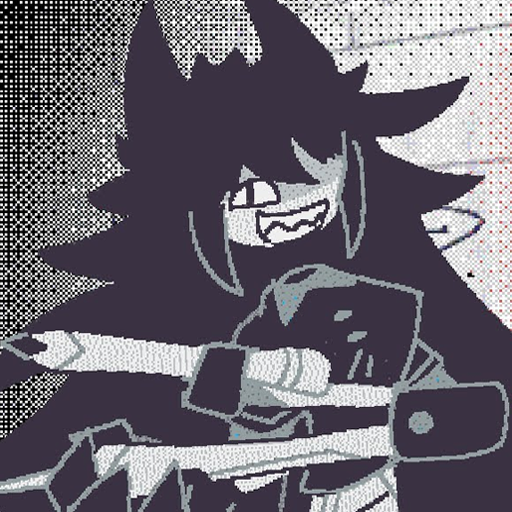
To answer the question “What game is Miss Circle from?” is to acknowledge that the definition of a “game” is changing. Miss Circle did not start in a game; she started as a digital asset in a high-quality animation produced with modern creative software. However, through the democratization of game development tools and the power of UGC platforms, she has been “ported” into the gaming world by her audience.
This reflects a broader technological shift: the age of the “Platform as a Service” (PaaS) where the community, armed with powerful animation and scripting tools, determines what becomes a game. Miss Circle is a testament to the power of indie tech, demonstrating that with the right software and an understanding of digital algorithms, a single creator can influence the global gaming landscape without ever releasing a traditional “game.”
As we look forward, the integration of AI-assisted animation and even more accessible game engines will likely see more characters follow Miss Circle’s path—starting as a digital spark on a social media feed and evolving into a fully playable interactive experience within days. The tech world is no longer waiting for the “official” version; the community is building it in real-time.
aViewFromTheCave is a participant in the Amazon Services LLC Associates Program, an affiliate advertising program designed to provide a means for sites to earn advertising fees by advertising and linking to Amazon.com. Amazon, the Amazon logo, AmazonSupply, and the AmazonSupply logo are trademarks of Amazon.com, Inc. or its affiliates. As an Amazon Associate we earn affiliate commissions from qualifying purchases.