
Choosing a career in education is often framed as a “calling,” a vocational path driven by a passion for service and the desire to shape future generations. However, in the modern economy, entering the teaching profession must also be viewed as a calculated financial investment. The question of “what education do you need to be a teacher” is no longer just about pedagogical theory; it is about understanding the debt-to-income ratio, the return on investment (ROI) of advanced degrees, and the specific certifications that unlock high-earning potential in both traditional and digital markets.
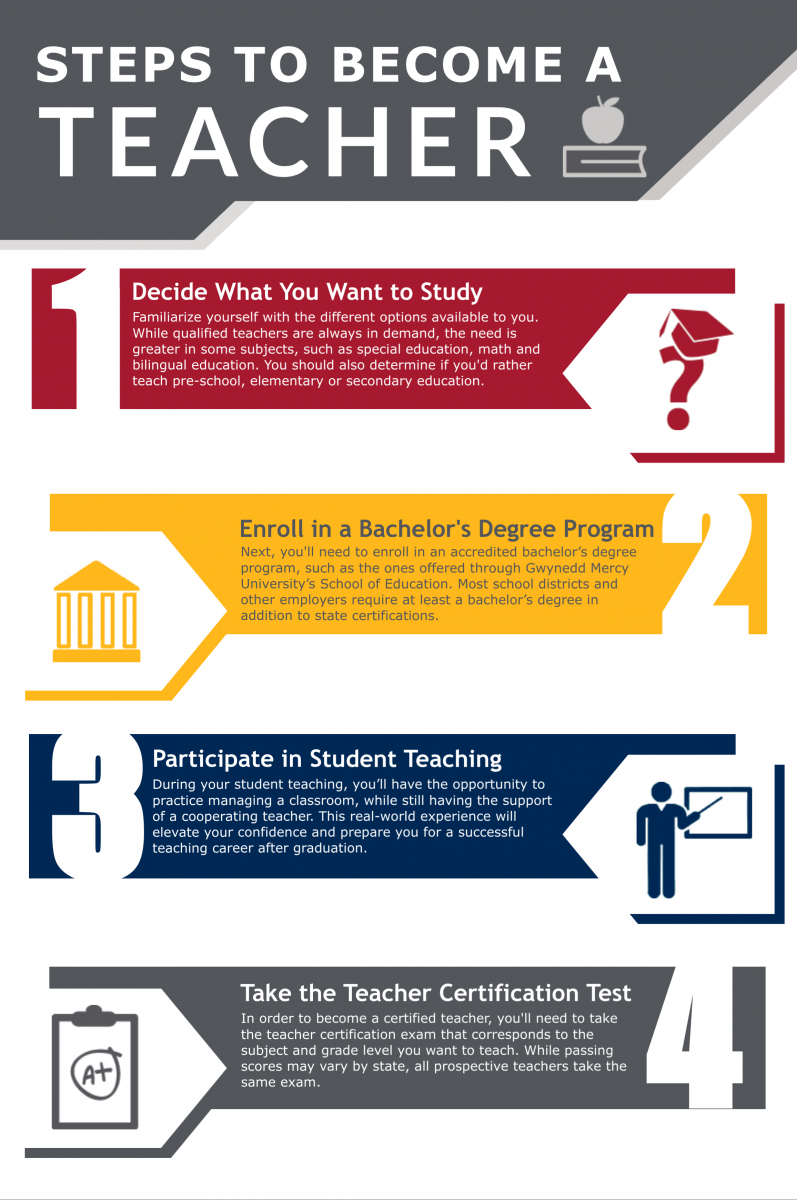
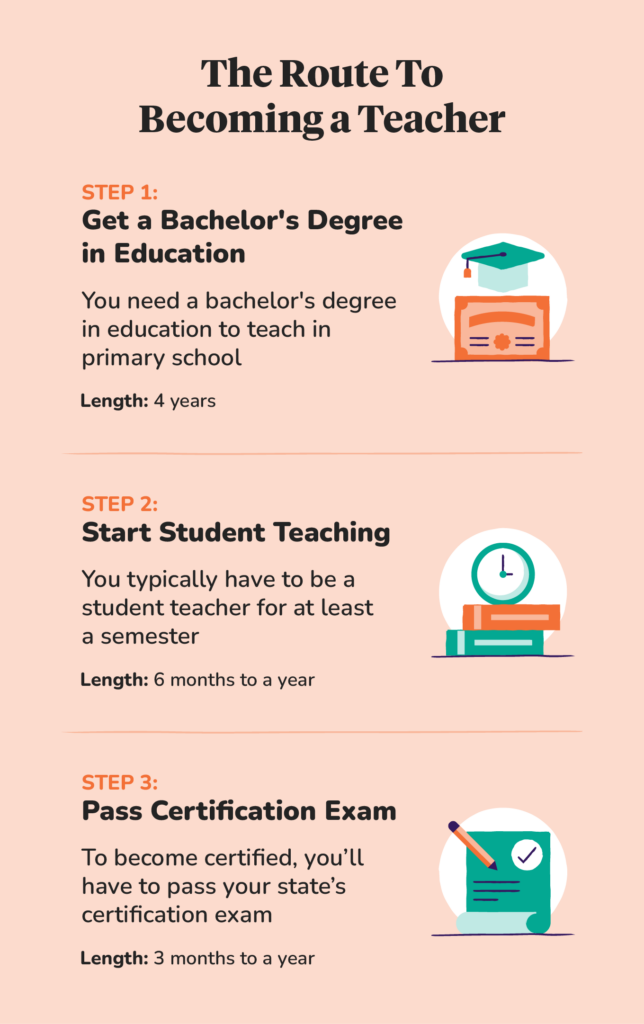
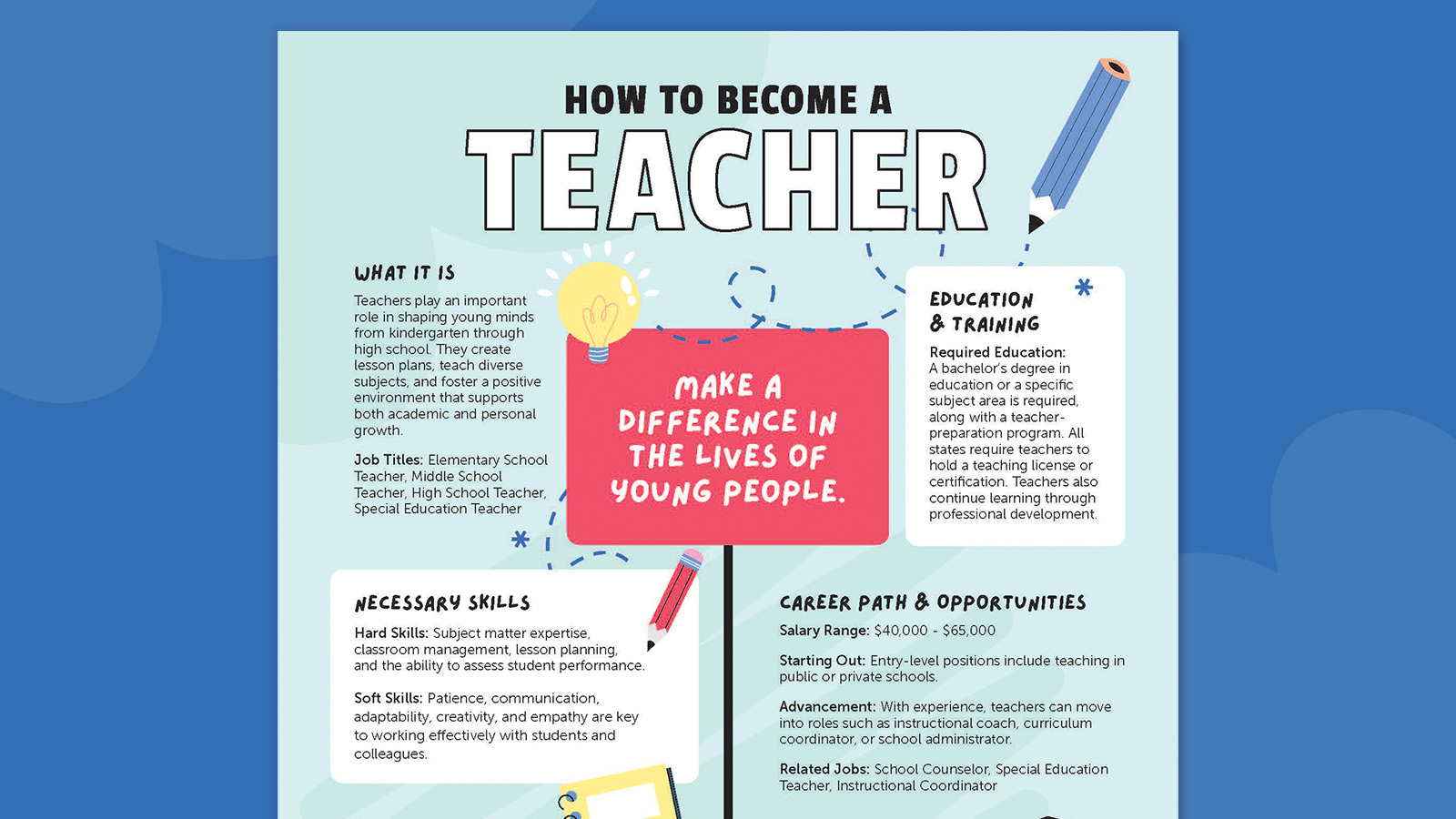
To navigate the teaching profession as a wealth-building career, one must look beyond the basic state requirements. You must view your education as a portfolio of assets designed to maximize your lifetime earnings. Whether you are aiming for a stable public school position with a pension or a lucrative career as a private education consultant, the credentials you acquire are the primary drivers of your financial ceiling.
Investing in Your Foundation: The Cost and ROI of Traditional Degrees
The baseline for entry into the teaching profession remains the Bachelor’s degree. However, the financial implications of where and how you obtain this degree will resonate throughout your first decade of employment. Unlike high-finance or software engineering roles where a prestigious university name might significantly boost starting pay, public school teacher salaries are largely determined by standardized pay scales.
Bachelor’s Degrees and the Debt-to-Income Ratio
For an aspiring educator, the primary goal during undergraduate studies should be minimizing student debt. Since entry-level salaries in education are relatively fixed based on district contracts, taking on $100,000 in debt for a private university degree often results in a negative ROI.
To maximize your financial start, consider the “30% Rule”: your total student loan debt should ideally not exceed your first-year expected salary. For most teachers, this means looking toward state universities or leveraging community college transfers. The “education” you need is a degree from an accredited institution that leads to state licensure; the “brand name” of the school rarely correlates with a higher placement on the salary schedule.
The Master’s Degree Pay Bump: Is the Tuition Worth It?
In many states and districts, a Master’s degree is either required within the first few years of teaching or serves as the primary mechanism for a “lane change” on the salary scale. From a personal finance perspective, a Master’s in Education (M.Ed.) or a Master of Arts in Teaching (MAT) should be viewed through the lens of incremental gains.
On average, a teacher with a Master’s degree earns between $5,000 and $11,000 more per year than a teacher with only a Bachelor’s. When calculating the value of this education, you must factor in the cost of the program. If a Master’s degree costs $30,000 and provides a $5,000 annual raise, the “break-even” point is six years. However, when you factor in the compound growth of that salary increase over a 30-year career, the Master’s degree becomes a multi-hundred-thousand-dollar asset.
Diversifying Your Income: Education Requirements for High-Value Side Hustles
The modern teacher is often a “portfolio professional,” balancing a classroom role with high-margin side hustles or digital ventures. The education required to be a teacher in these spaces is often more specialized and market-driven than traditional state licensing.
Corporate Training and Instructional Design Certifications
For those looking to transition into the corporate sector—where salaries for “teachers” (often called Corporate Trainers or Instructional Designers) can reach six figures—the educational requirements shift toward technology and adult learning theory.
If your goal is to maximize income, pursuing a certification in Instructional Design (ID) or learning software like Articulate Storyline is a high-value move. These credentials signal to the business world that you possess the skills to create ROI-driven training modules for employees. This path allows educators to leverage their teaching background in a corporate finance environment, often doubling their earning potential without requiring a second four-year degree.
Online Tutoring Platforms and Niche Expertise
The global “Shadow Education” market—private tutoring and test prep—is a multi-billion dollar industry. To command rates of $100/hour or more, the “education” you need is often a combination of a specialized degree (such as a Master’s in Mathematics or Physics) and specific test-prep certifications (SAT, ACT, LSAT).
In this niche, your education is your marketing tool. Specialized certifications in “English as a Foreign Language” (such as a high-level CELTA) combined with a business degree can open doors to teaching corporate executives abroad or online, creating a diversified income stream that is decoupled from local tax bases and school board budgets.
Scaling Your Expertise: From Classroom Teacher to Education Entrepreneur
If you view teaching as a business, your education becomes your intellectual property. The most financially successful educators today are those who use their credentials to build scalable products, such as curriculum sets, digital courses, or educational consulting firms.
Licensing for Curriculum Sales and Digital Products
To become a successful “Teacher-Entrepreneur” on platforms like Teachers Pay Teachers or through your own Shopify store, you need more than just a teaching certificate. You need an education in copyright law, digital marketing, and curriculum design standards.
The most profitable educators in the digital space are those who hold advanced certifications in specific niches, such as Special Education (SPED) or English Language Learners (ELL). Because these areas are highly regulated and require specific pedagogical knowledge, the curriculum developed by teachers with these credentials carries a premium price tag. Here, your formal education acts as a “barrier to entry” for competitors, allowing you to charge more for your expertise.
The Financial Benefits of National Board Certification (NBCT)
One of the most direct ways to increase your salary without moving into administration is obtaining National Board Certification. While the process is rigorous and requires a significant investment of time and a few thousand dollars in fees, the financial reward is often immediate.
Many states offer annual stipends ranging from $2,000 to $10,000 for NBCT-certified teachers for the life of the certificate. From an investing standpoint, this is an incredible return. A one-time investment in your professional education that yields a $5,000 annual dividend is essentially a high-yield annuity. Furthermore, this certification is portable, allowing you to maintain a high earning floor even if you relocate to a different state.
Financial Tools and Planning for Aspiring Educators
Understanding the education you need also requires understanding the financial tools available to pay for it and the long-term wealth vehicles tied to the profession.
Public Service Loan Forgiveness (PSLF) and Tax-Advantaged Accounts
For those pursuing expensive advanced degrees to reach the top of the salary scale, the Public Service Loan Forgiveness (PSLF) program is a vital financial tool. By working in a public school for ten years and making qualifying payments, the remaining balance of federal student loans is forgiven tax-free. This allows a teacher to obtain a high-level education (including a Doctorate in Education or Ed.D.) while effectively shifting the cost to the government.
Additionally, teachers often have access to 403(b) and 457(b) retirement accounts. These are powerful tools for building wealth. Because 457(b) plans often allow for penalty-free withdrawals upon separation from service (regardless of age), an educator who invests early can create a “bridge fund” that allows for early retirement or a mid-career transition into full-time education entrepreneurship.
Budgeting for Continuing Education (CEUs)
Finally, one must account for the ongoing cost of maintaining a teaching license. Most states require a certain number of Continuing Education Units (CEUs) every five years. Smart educators view these not as a burden, but as an opportunity to acquire new, high-value skills.
Instead of taking the easiest available CEUs, look for courses in data analytics, educational technology, or school finance. These subjects provide the “education” needed to move into administrative roles or high-level consulting positions where the compensation is significantly higher. By strategically choosing your continuing education, you ensure that your professional value continues to appreciate at a rate higher than inflation.
In conclusion, the education you need to be a teacher is a multi-layered investment. While a Bachelor’s degree gets you in the door, it is the strategic acquisition of Master’s degrees, specialized certifications, and entrepreneurial skills that dictates your financial trajectory. By treating your credentials as a financial portfolio, you can transform a career in education into a robust engine for personal wealth and professional freedom.
aViewFromTheCave is a participant in the Amazon Services LLC Associates Program, an affiliate advertising program designed to provide a means for sites to earn advertising fees by advertising and linking to Amazon.com. Amazon, the Amazon logo, AmazonSupply, and the AmazonSupply logo are trademarks of Amazon.com, Inc. or its affiliates. As an Amazon Associate we earn affiliate commissions from qualifying purchases.