
In the complex ecosystem of corporate finance, few metrics are as telling as working capital. Often referred to as the “lifeblood” of an organization, working capital is the measure of a company’s operational liquidity and short-term financial health. While a balance sheet provides a static snapshot of what a company owns and owes, working capital tells a more dynamic story. It reveals how a business breathes, how it handles its daily obligations, and how efficiently it converts its resources into actual cash.
Understanding what working capital shows is essential for investors, business owners, and financial analysts alike. It is not merely a number on a spreadsheet; it is a reflection of management’s competence, the company’s resilience against market volatility, and its capacity for future growth.
The Fundamental Components: Decoding the Working Capital Formula
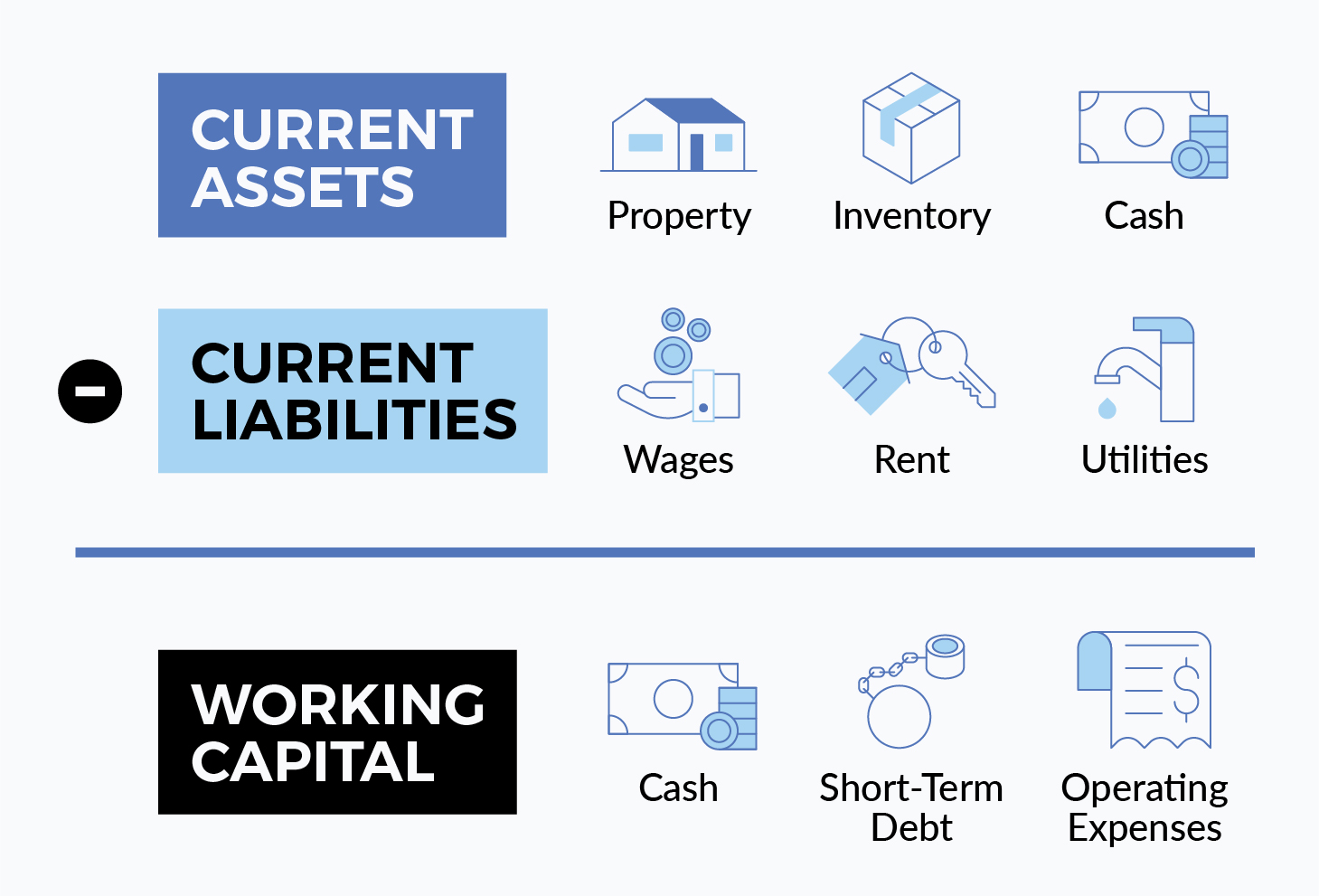
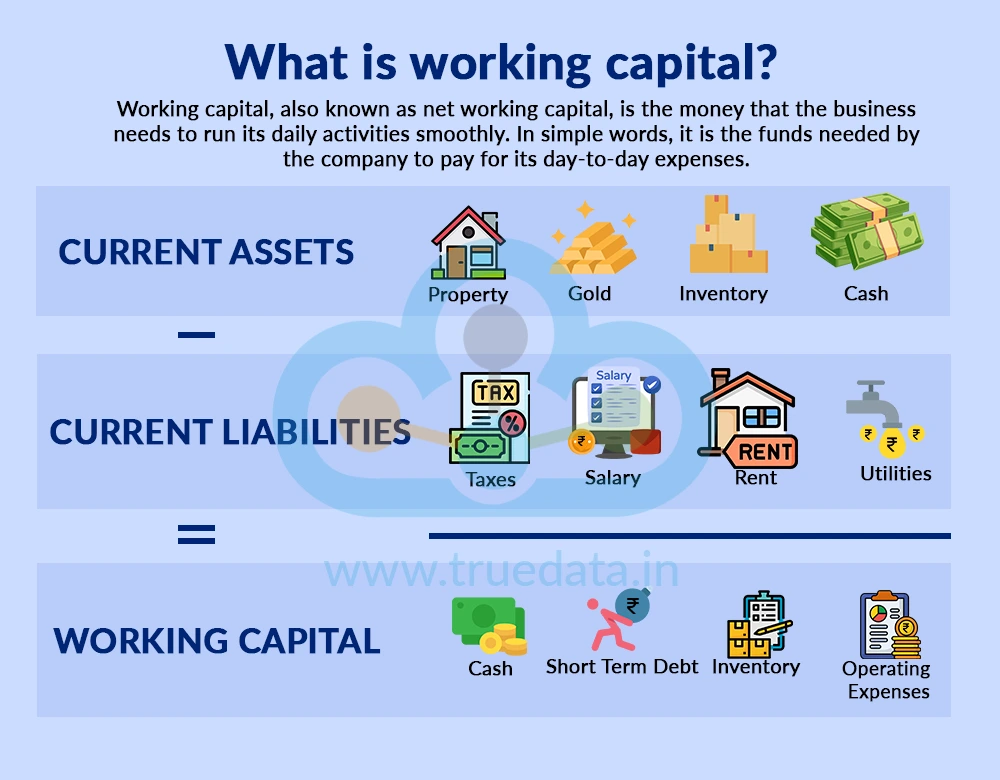
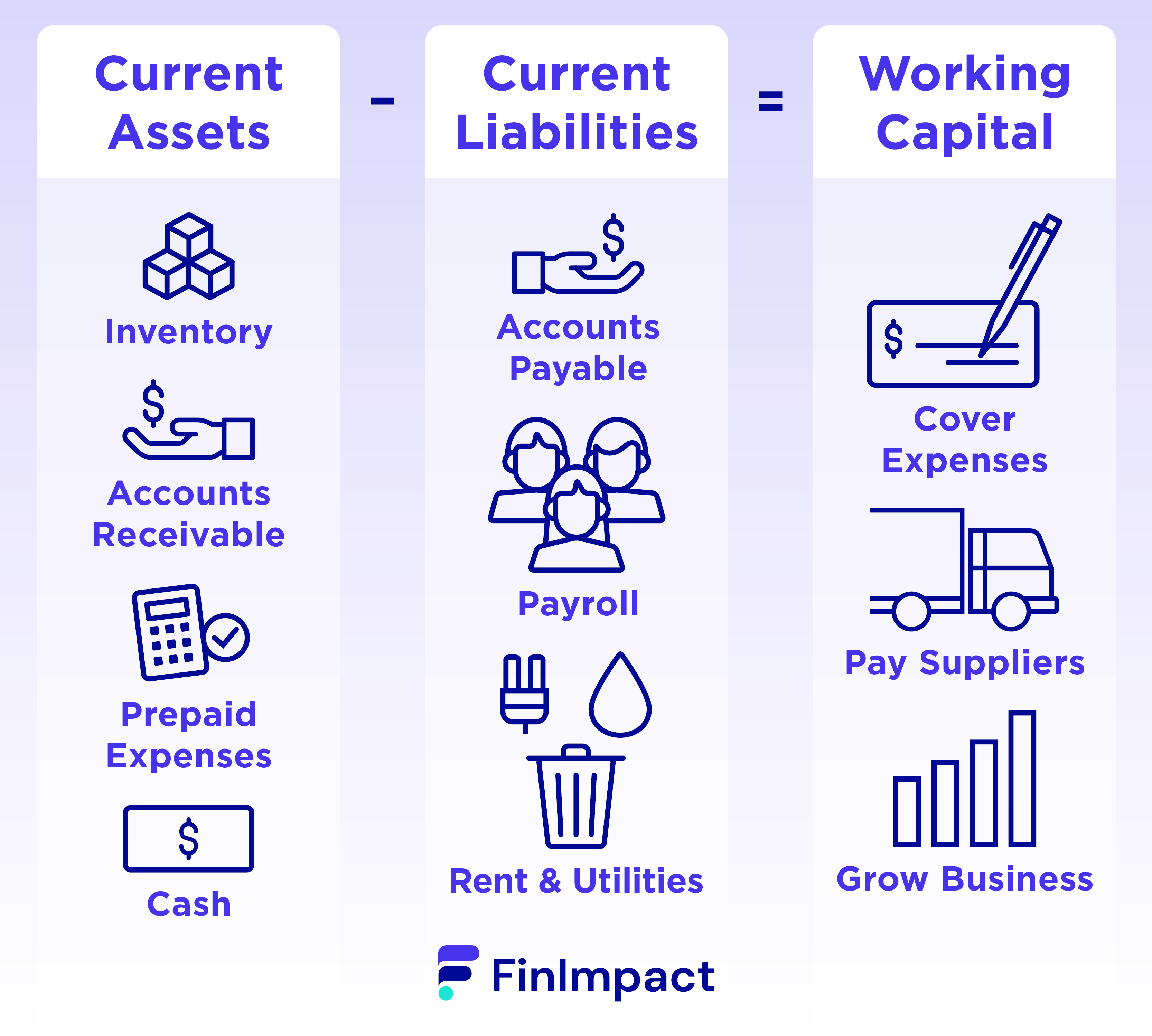
At its core, working capital—specifically “Net Working Capital”—is calculated by subtracting current liabilities from current assets. To understand what this figure shows, one must first dissect the two pillars that support it.
Current Assets: The Pulse of Liquidity
Current assets represent the resources a company expects to convert into cash within one year. This includes cash and cash equivalents, accounts receivable (money owed by customers), and inventory. When we look at current assets through the lens of working capital, we are looking at the company’s “ammunition.” A high level of current assets suggests that a company is well-positioned to meet its immediate needs. However, the quality of these assets matters. For instance, if a company has high current assets but most of it is tied up in slow-moving inventory, the “liquidity” shown might be an illusion.
Current Liabilities: The Weight of Obligations
On the other side of the ledger are current liabilities—debts and obligations due within a single year. These include accounts payable (money owed to suppliers), short-term debt, accrued expenses, and the current portion of long-term debt. Working capital shows how heavily these obligations weigh against the company’s available resources. If liabilities dwarf assets, the company is effectively “suffocating” under the weight of its own short-term commitments.
The Working Capital Ratio
Beyond the raw dollar amount, working capital is often expressed as a ratio (Current Assets / Current Liabilities). A ratio between 1.2 and 2.0 is generally considered a sign of a healthy business. A ratio below 1.0 indicates “negative working capital,” which can be a red flag for potential insolvency. Conversely, a ratio that is too high (e.g., over 3.0) might show that a company is being too conservative, leaving cash sitting idle rather than reinvesting it for growth.
Operational Efficiency: What Working Capital Reveals About Management
One of the most profound things working capital shows is how efficiently a management team runs the business. It serves as a window into the “Operating Cycle”—the time it takes for a company to purchase inventory, sell it, and collect the cash.
The Cash Conversion Cycle (CCC)
Working capital is the primary driver of the Cash Conversion Cycle. By analyzing working capital, we can see how long a company’s money is “trapped” in the production and sales process. If working capital requirements are rising while sales are stagnant, it shows that management may be struggling with collections or overproducing goods that aren’t selling. A shrinking CCC, facilitated by lean working capital management, shows a highly efficient machine that generates cash quickly.
Inventory Management Insights
What does working capital show about a company’s warehouse? Quite a lot. A bloated inventory component in the working capital calculation often indicates a mismatch between supply and demand. It may show that the company is stuck with obsolete products or has poor forecasting tools. On the other hand, an extremely low inventory level might show that the company is at risk of “stock-outs,” which could lead to lost sales and damaged customer relationships.
Accounts Receivable and Credit Policy
Working capital also highlights the relationship between a business and its customers. If accounts receivable are a disproportionately large part of working capital, it shows that the company might be too lenient with its credit terms or is failing to collect payments on time. This “paper wealth” can be dangerous; working capital shows that while the company is profitable on an accrual basis, it may be struggling to keep the lights on because the cash is still in the customers’ pockets.
Short-Term Risk and Financial Resilience
In the world of finance, “liquidity” is the ability to meet obligations without incurring catastrophic losses. Working capital is the ultimate barometer for this risk. It shows the “buffer” a company has to protect itself against the unexpected.
Solvency vs. Liquidity
It is entirely possible for a company to be profitable but insolvent. This paradox is often revealed through working capital. A company might have millions in long-term assets like factories and equipment, but if it lacks the working capital to pay its utility bills or employee wages next month, it faces a liquidity crisis. Working capital shows whether a company has the agility to survive a temporary downturn in the market.
The Dangers of Negative Working Capital
While negative working capital is often a sign of distress, context is key. In some industries, such as retail or fast food, negative working capital can actually show high efficiency. For example, a company like McDonald’s or Amazon often collects cash from customers immediately but pays suppliers on 60-day terms. This creates a “negative” working capital position that is actually a source of free financing. However, for most businesses, negative working capital shows a looming threat of bankruptcy, indicating that the firm is using its suppliers or short-term lenders to fund its basic existence.
Seasonality and Financial Fluctuations
For businesses with seasonal cycles—such as toy manufacturers or agricultural firms—working capital shows the ebb and flow of capital needs. An analyst looking at working capital in these sectors will see massive swings. These fluctuations show the company’s ability to plan for lean months. A steady, well-managed working capital trend through seasonal shifts shows a sophisticated treasury department and a stable business model.
Strategic Growth: Fueling Expansion and Investment
Beyond survival, working capital shows a company’s capacity for progress. Growth requires investment, and investment requires liquid capital. Without a healthy working capital position, even the most innovative company will struggle to scale.
Funding New Projects and R&D
When a company decides to launch a new product line or enter a new market, it needs “seed money” to cover the initial costs before the new revenue starts flowing. Working capital shows how much “internal fuel” the company has for these projects. If working capital is tight, the company must either take on expensive debt or dilute its equity to fund growth. A robust working capital position shows that a company can self-fund its evolution, which is a massive competitive advantage.
Attracting Investors and Lenders
For external stakeholders, working capital is a litmus test for reliability. Lenders look at working capital to determine the safety of a short-term loan. Investors look at it to gauge the quality of earnings. A company with consistent, positive working capital shows a “low-risk” profile. It demonstrates that the business is not just making sales, but is also managing its cash flow responsibly. This, in turn, can lead to lower interest rates and higher stock valuations.
Mergers and Acquisitions (M&A)
In the context of a business sale, working capital is often one of the most contested points in the “Letter of Intent.” It shows the “normalized” level of operations required to keep the business running. Buyers want to ensure that they are taking over a company with enough “gas in the tank.” If a seller drains the working capital before a sale, it shows a lack of integrity and leaves the buyer with an immediate need to inject more cash. Thus, working capital serves as a benchmark for the true value of a business transition.
Optimizing Working Capital: The Path to Financial Excellence
Knowing what working capital shows is the first step; the second is managing it to maximize value. Modern financial management focuses on “optimizing” rather than just “increasing” working capital.
Leveraging Technology in Business Finance
In the modern era, working capital management is heavily reliant on financial tools and software. Advanced ERP (Enterprise Resource Planning) systems provide real-time data on inventory levels and aging receivables. By using these tools, finance teams can spot trends early. For instance, if the data shows that the “Days Sales Outstanding” (DSO) is creeping up, management can intervene before the working capital position weakens.
The Role of Cash Flow Forecasting
Effective working capital management is proactive rather than reactive. Accurate cash flow forecasting shows management where the “potholes” are in the financial road ahead. By projecting future working capital needs, a business can arrange for credit lines when they are not in a crisis, ensuring they always have the liquidity needed to seize opportunities or weather storms.
Balancing the Trade-offs
Ultimately, working capital shows the balance between risk and return. Maintaining high working capital reduces risk but may lower the Return on Assets (ROA), as cash sits idle. Low working capital increases risk but can lead to a highly efficient, high-return business model. What working capital shows, above all, is the strategic choice management has made regarding this delicate balance.
In conclusion, working capital is far more than a simple accounting subtraction. It is a multi-faceted indicator that shows a company’s operational health, its management’s prowess, its risk profile, and its future potential. By monitoring what working capital shows, stakeholders can gain a deep, nuanced understanding of a business’s true financial character, ensuring that they are making decisions based on the pulse of the company rather than just its surface appearance.
aViewFromTheCave is a participant in the Amazon Services LLC Associates Program, an affiliate advertising program designed to provide a means for sites to earn advertising fees by advertising and linking to Amazon.com. Amazon, the Amazon logo, AmazonSupply, and the AmazonSupply logo are trademarks of Amazon.com, Inc. or its affiliates. As an Amazon Associate we earn affiliate commissions from qualifying purchases.