
In the landscape of alternative investments, few niches combine the allure of historical craftsmanship with the technical precision of a science experiment quite like uranium glass. Often referred to by collectors as “Vaseline glass” due to its distinct oily, yellow-green appearance, this specialized glassware has transcended its origins as a Victorian dinnerware staple to become a high-demand asset in the collectibles market. For the modern investor or side-hustle reseller, understanding what uranium glass looks like is the first step in unlocking a lucrative revenue stream that thrives on scarcity, aesthetic appeal, and the physics of fluorescence.
Identifying the Asset: The Visual Indicators of Authentic Uranium Glass
To the untrained eye, uranium glass may appear to be ordinary vintage glassware. However, for those looking to build a profitable portfolio, identifying the specific visual markers of this material is essential for avoiding “look-alikes” that lack investment value.
The Signature “Vaseline” Hue and Color Variations
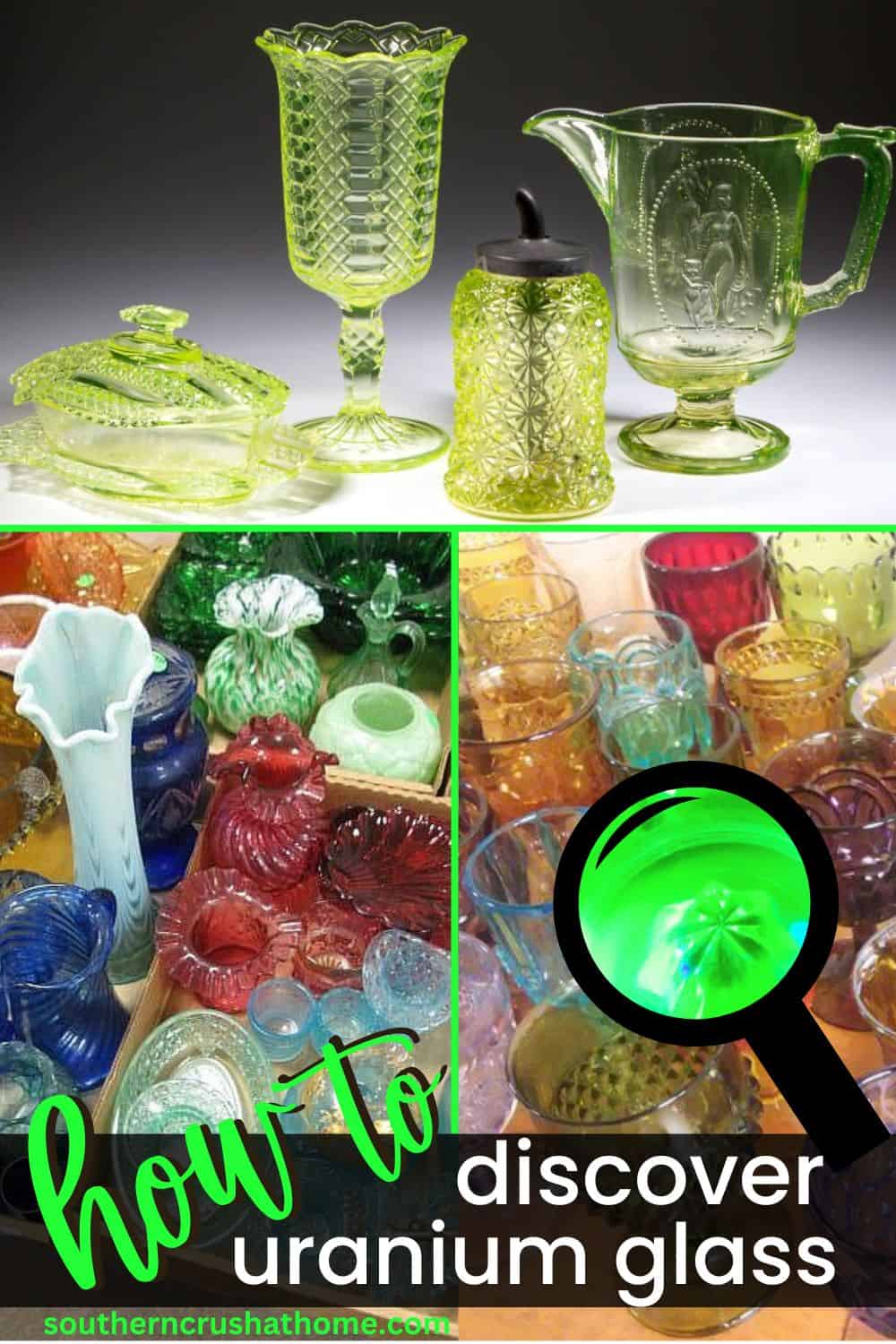
The primary visual characteristic of uranium glass is its color. Most traditional pieces possess a translucent, pale yellow or yellowish-green tint. This specific coloration led to the nickname “Vaseline glass,” as it mimicked the appearance of petroleum jelly produced in the early 20th century. However, as an investor, it is vital to recognize that uranium glass is not limited to a single shade. Depending on the mineral additives used by manufacturers like Fenton, Mosser, or Boyd, pieces can range from a deep “Depression Green” to rarer, more valuable shades such as opaque “Custard Glass” or even a pale “Burmese” pink. Identifying these variations is key, as certain colors command a 20% to 50% premium in the resale market.
The Role of UV Technology in Verification
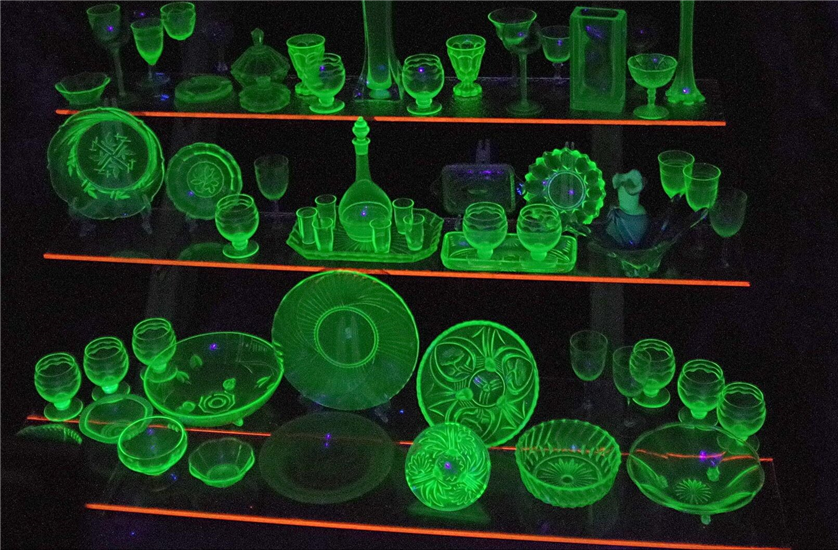
In the world of professional appraisal, “what uranium glass looks like” changes dramatically under ultraviolet (UV) light. Under a 365nm or 395nm blacklight, authentic uranium glass emits a vivid, neon green glow. This phenomenon is caused by the uranium dioxide added to the glass melt, which reacts to UV radiation. This is the ultimate “litmus test” for value. If a piece looks green but does not glow, it is likely colored with iron oxide or chromium, rendering it significantly less valuable to the specialized collector. For an online reseller, high-quality photography showing the piece both in natural light and under a blacklight is the single most important factor in securing a high-yield sale.
Physical Characteristics: Weight, Pattern, and Craftsmanship
Beyond the glow, the physical construction of the glass provides clues to its provenance and value. Uranium glass was predominantly produced between the 1880s and the 1940s (prior to the government seizing uranium supplies for the Manhattan Project). Consequently, many pieces feature intricate Victorian patterns, pressed “daisy and button” designs, or elegant Art Deco geometries. Investors should look for signs of hand-finishing, such as shear marks on the bottom or a distinct heft that modern, mass-produced glass lacks. These physical attributes help verify age, which directly correlates to the asset’s appreciation over time.
Market Analysis: Why Uranium Glass is a High-Yield Niche
Understanding the visual properties of uranium glass is only profitable if paired with a keen sense of market dynamics. As an investment, uranium glass operates within the broader “Antiques and Collectibles” sector, but it possesses unique drivers that stabilize its price even during economic volatility.
Historical Scarcity and the Supply-Side Constraint
The value of uranium glass is fundamentally rooted in its scarcity. Following the 1940s, the use of uranium in commercial glassware was strictly regulated and eventually largely discontinued due to the Cold War and safety concerns (though the glass itself is generally considered safe for display). This creates a finite supply. Unlike modern commodities, no new “vintage” uranium glass can be manufactured. For the investor, this supply-side constraint means that well-preserved pieces—especially those from defunct manufacturers like Whitefriars or Davidson—act as “deflationary assets” that naturally increase in value as the surviving pool of items shrinks.
Modern Interior Design Trends Driving Demand
The “look” of uranium glass has seen a massive resurgence in demand due to the “maximalist” and “eclectic” interior design trends popularized on platforms like TikTok and Instagram. The “Neon Aesthetic” has moved from digital spaces into high-end home staging. Collectors are no longer just elderly hobbyists; a new demographic of Gen Z and Millennial buyers are seeking out uranium glass for its “Glow-up” potential in LED-lit display cabinets. This shift in consumer behavior has expanded the market, allowing resellers to command higher prices for common items like juicers, salt shakers, and candy dishes that were previously overlooked.

Strategic Sourcing: Where to Find Undervalued Pieces
The highest margins in the uranium glass trade are found by identifying undervalued items in “blind” markets—locations where the seller does not realize the glass contains uranium.
Navigating Estate Sales and Thrift Arbitrage
The most successful resellers often find their best inventory at local estate sales or thrift stores where pieces are labeled simply as “green glass.” By carrying a portable UV flashlight (a tool no bigger than a pen), a savvy buyer can quickly scan shelves to identify glowing pieces hidden among common junk. Finding a Fenton “Hobnail” vase for $5 at a garage sale that can be appraised and sold for $85 on a specialized platform is a prime example of high-margin arbitrage. The visual identification of the “Vaseline” tint is the primary filter, while the UV light serves as the final confirmation before capital is committed.
Digital Marketplace Optimization for Resellers
When moving from sourcing to selling, the visual presentation of the glass dictates the final sale price. To maximize ROI, sellers must use “keyword-rich” descriptions that target both the casual buyer and the serious investor. Terms like “UV Reactive,” “Fluorescent Glass,” and “Atomic Era Decor” should be paired with high-resolution imagery. Professional-grade photography that captures the “inner fire” of the glass under a blacklight can often result in bidding wars. In the digital economy, the “look” of the glass is your primary marketing collateral.
Valuation and Risk Management
No investment is without risk, and in the world of uranium glass, those risks are primarily related to condition, authenticity, and regulatory awareness.
Assessing Condition and Provenance
A single “flea bite” (a tiny chip) or “sick glass” (cloudiness caused by chemical reactions over time) can devalue a piece by 50% or more. Investors must meticulously inspect the rim, base, and handles of every piece. Furthermore, provenance—the history of who owned the piece or where it was manufactured—can exponentially increase value. A piece of uranium glass that can be traced back to a specific 19th-century factory with documented catalog numbers is a blue-chip asset compared to an “unattributed” piece.
Safety Regulations and Legal Considerations
While the low-level radiation emitted by uranium glass is generally considered harmless for display purposes, international shipping regulations can be complex. Some countries have strict rules regarding the transport of radioactive materials, even in trace amounts. For a global business, understanding these logistics is crucial for maintaining a “Money” focus. Mislabeling a shipment or failing to account for customs duties on high-value antiques can quickly turn a profitable flip into a net loss.
Building a Portfolio: Long-term Growth vs. Short-term Flips
Ultimately, the uranium glass market offers two distinct paths for financial gain. The first is “High-Volume Flipping,” which involves sourcing common pieces at low price points and selling them quickly for a 20-30% profit. This is ideal for generating consistent cash flow.
The second path is “Curated Holding.” This involves seeking out rare colors (like the vibrant “Red Uranium” or “Amberina” glass which uses both uranium and gold) and holding them for several years. As the “grand-millennial” design trend continues to grow, these rare pieces are expected to see significant capital appreciation. By mastering the visual identification of these pieces—knowing exactly what “high-value” uranium glass looks like compared to “common” pieces—investors can build a diversified portfolio that glows both on the shelf and on the balance sheet.
aViewFromTheCave is a participant in the Amazon Services LLC Associates Program, an affiliate advertising program designed to provide a means for sites to earn advertising fees by advertising and linking to Amazon.com. Amazon, the Amazon logo, AmazonSupply, and the AmazonSupply logo are trademarks of Amazon.com, Inc. or its affiliates. As an Amazon Associate we earn affiliate commissions from qualifying purchases.