
In the modern digital landscape, the smartphone is an extension of our identity. Yet, despite the sophisticated hardware and high-speed 5G networks we use daily, a relic of early telecommunications continues to baffle users: the “Unknown” caller. When your screen lights up with this ambiguous label, it represents more than just a missing name; it signifies a breakdown—intentional or otherwise—in the complex relay of digital metadata that powers our global communication infrastructure.
Understanding what “Unknown” means requires a look into the architecture of telephony, the evolution of digital privacy, and the ongoing battle against cybersecurity threats. While many users conflate “Unknown” with “Blocked” or “Private,” the technical distinctions are significant and reveal a great deal about how our data travels across the globe.
Decoding the Technology: How Caller ID Transmission Works
To understand why a call appears as “Unknown,” one must first understand how Caller ID (CLID) functions within the Public Switched Telephone Network (PSTN). When a call is placed, the originating switch sends a packet of data—specifically the calling party’s number and sometimes their name—between the first and second ring. This process relies on a suite of protocols known as Signaling System No. 7 (SS7).
The Difference Between “Unknown” and “No Caller ID”
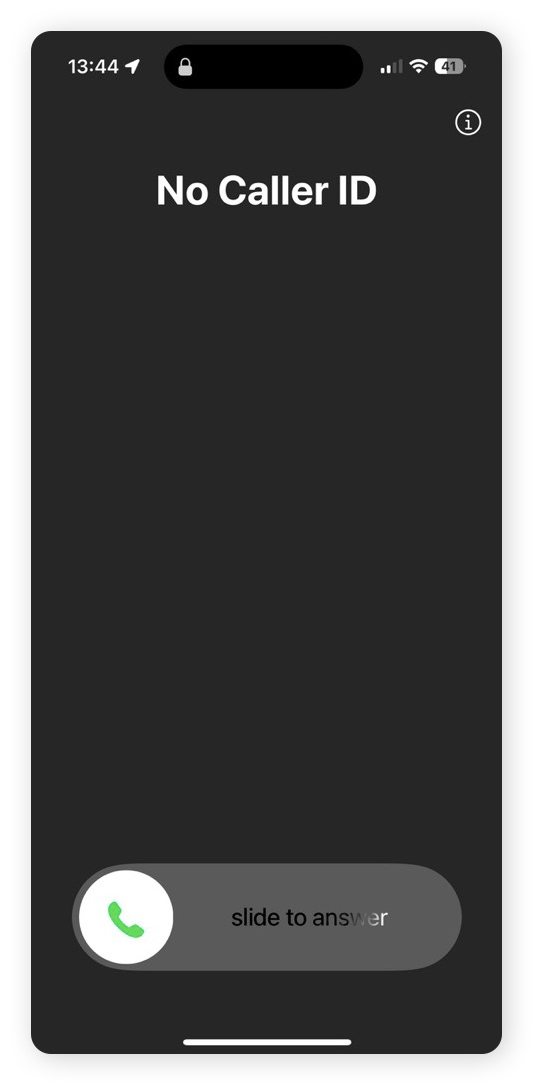
One of the most common misconceptions in digital communication is that “Unknown” and “No Caller ID” (or “Private”) are the same. From a technical standpoint, they are distinct results of different processes.
- No Caller ID/Private: This occurs when the caller has intentionally used a privacy service or dialed a prefix (like *67 in North America) to hide their identity. The network knows who they are, but it is instructed to withhold that metadata from the recipient.
- Unknown: This indicates a technical failure in data transmission. The receiving carrier’s equipment simply cannot identify the incoming number. In this scenario, the metadata is either missing, corrupted, or stripped away before it reaches your device.
Signaling System No. 7 (SS7) and the Data Handshake
The SS7 protocol acts as the backbone of international calling. It is an out-of-band signaling system, meaning the information about the call (the setup, the routing, and the Caller ID) travels on a different path than the actual voice data. When a call travels through multiple carriers—especially across international borders—this “handshake” can fail. If a legacy switch in another country does not support the specific digital format of the originating switch, the Caller ID information is lost, and your phone displays “Unknown.”
Why You See “Unknown”: Technical and Privacy Factors
There are several reasons why the digital handshake fails, ranging from hardware limitations to the way modern internet-based calling services interact with traditional telephone lines.
International Routing and Network Incompatibilities
The global telecommunications network is a patchwork of cutting-edge fiber optics and aging copper-wire infrastructure. When you receive an international call, the signal may pass through several “gateways.” Some of these gateways, particularly in developing regions or older hubs, are not configured to pass through Extended Caller ID data. When the data packet hits a bottleneck or an incompatible switch, the identifying information is often discarded to ensure the voice signal remains connected. Consequently, the call arrives at your local exchange as a “naked” signal, which your phone interprets as “Unknown.”
Voice over IP (VoIP) and Virtual Numbers
The rise of Voice over IP (VoIP) technology—used by services like Skype, Google Voice, and various corporate PBX systems—has complicated Caller ID. VoIP converts voice into data packets that travel over the internet. While highly efficient, these packets must eventually “egress” into the traditional phone network. If the VoIP service provider has not properly mapped their digital headers to the PSTN standards, the Caller ID information may not translate. Many low-cost VoIP services used by telemarketers intentionally skip this configuration to remain anonymous, resulting in the “Unknown” tag.
Intentional Privacy Blocking (CLIR)
While “Private” is the standard label for blocked numbers, some older mobile networks and specific enterprise systems trigger an “Unknown” label when Calling Line Identification Restriction (CLIR) is active. In these cases, the “Unknown” status is a byproduct of the network’s inability to distinguish between a technical error and a deliberate privacy request. For the user, the result is the same: a total lack of transparency regarding the caller’s identity.
The Security Perspective: Spoofing and Modern Cyber Threats
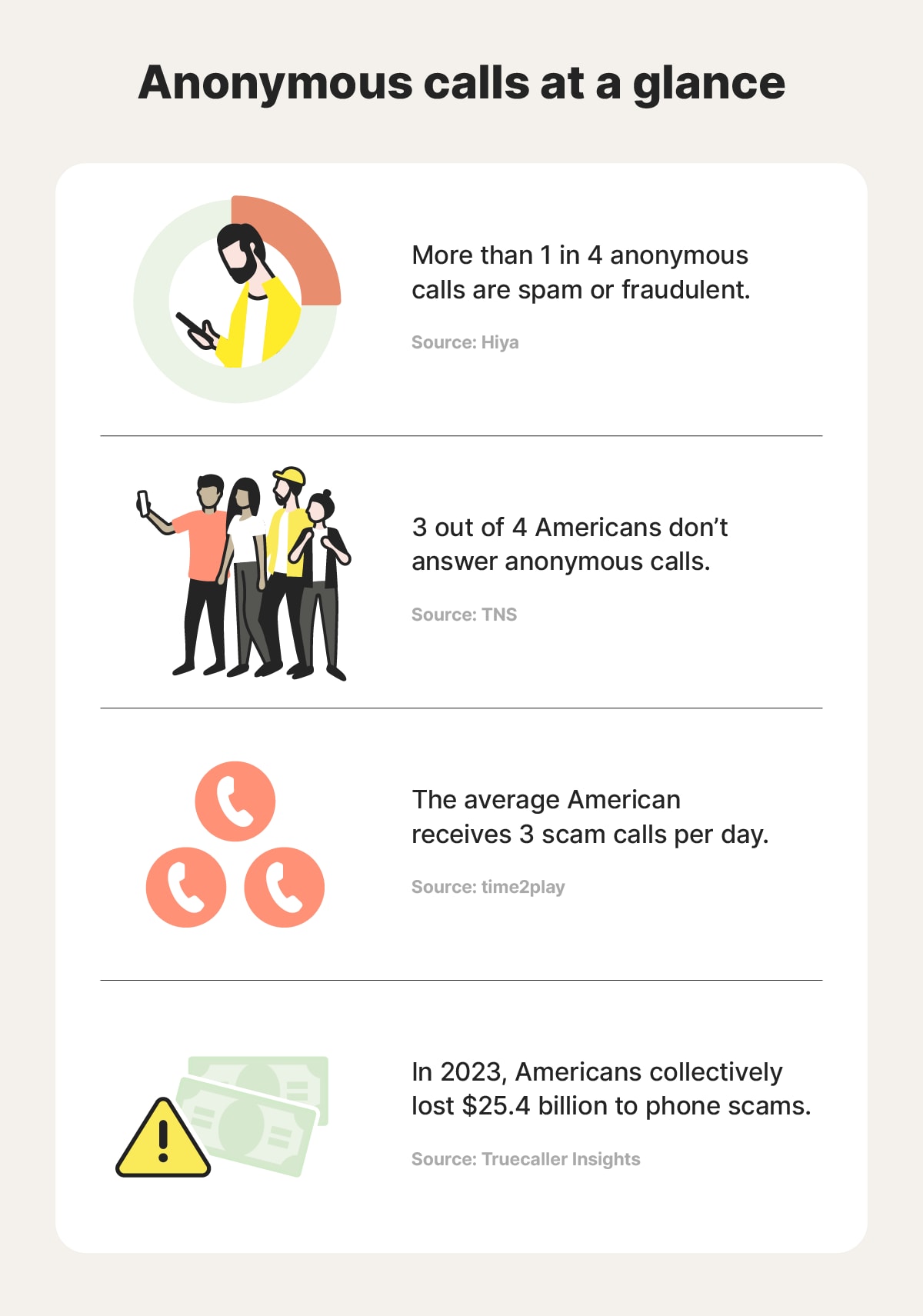
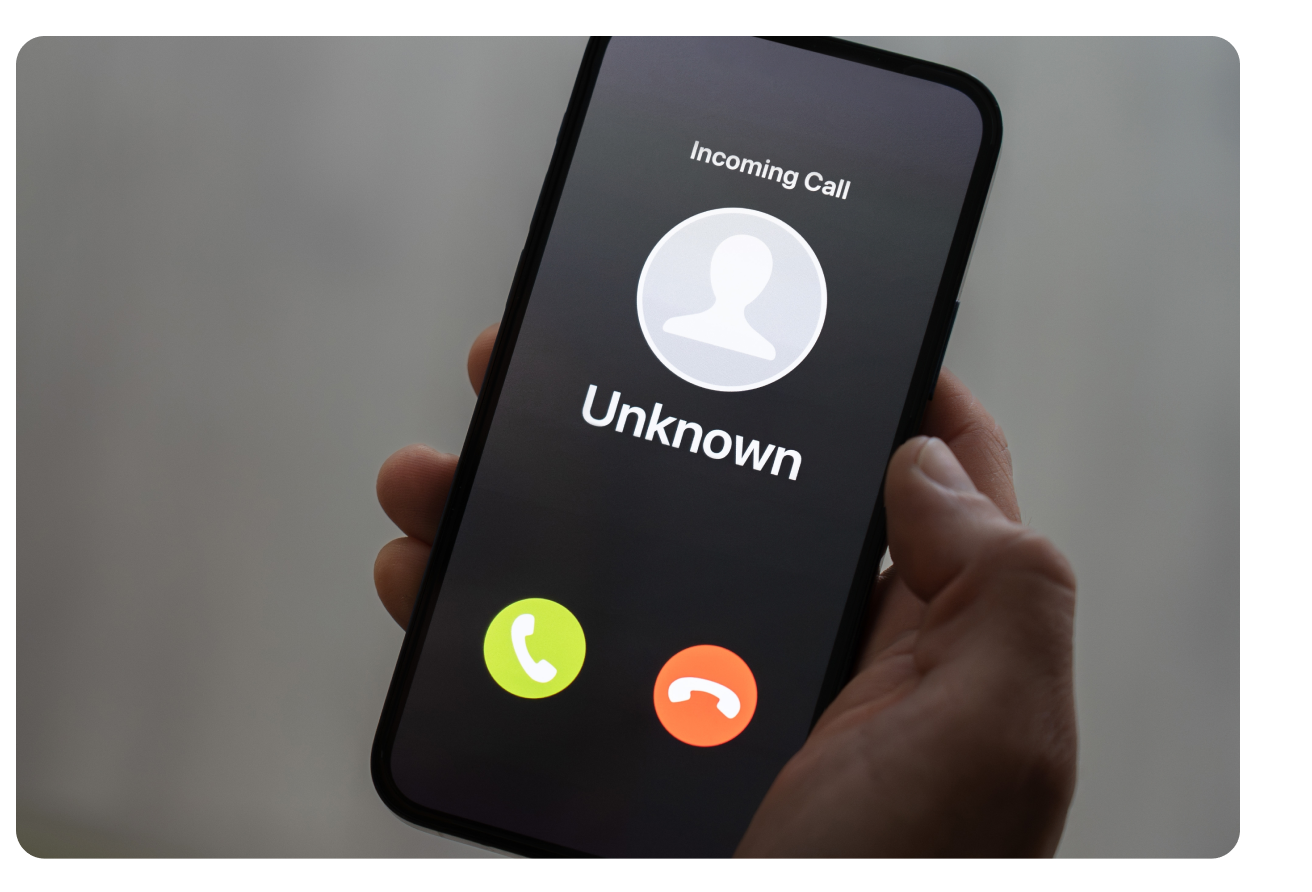
For the tech-savvy user, an “Unknown” call is often a red flag for security risks. Because the identity of the caller is shielded by technical ambiguity, this “Unknown” status has become a favored tool for bad actors engaging in social engineering and phishing attacks.
Neighbor Spoofing and Social Engineering
Modern scammers often use “spoofing” software to make it appear as though they are calling from a local area code. However, when security filters or carrier-side firewalls detect that the metadata provided by the spoofing software doesn’t match the actual origin of the call, the system may strip the fraudulent number entirely. This leaves the recipient with an “Unknown” notification. This is often an unintended side effect of the network trying to protect the user from a faked number, yet it creates a different kind of uncertainty.
STIR/SHAKEN: The Technological Solution to Caller ID Fraud
To combat the rise of anonymous and fraudulent calls, the industry has introduced the STIR/SHAKEN framework.
- STIR (Secure Telephone Identity Revisited): A protocol that defines how carriers should digitally “sign” calls using public-key cryptography.
- SHAKEN (Signature-based Handling of Asserted information using toKENs): The implementation standards for how these signatures are handled across networks.
As STIR/SHAKEN becomes more widely adopted by carriers globally, the frequency of “Unknown” calls should theoretically decrease. Under this system, every call is given a “certificate of authenticity.” If a call lacks this certificate or carries an invalid one, the network can flag it, block it, or label it as “Unknown” or “Spam” with much higher accuracy.
How to Manage and Block Unknown Callers on Modern Devices
As “Unknown” calls are rarely legitimate personal calls in the age of digital transparency, managing them has become a priority for smartphone manufacturers and software developers. There are several technological layers you can deploy to reclaim your digital privacy.
Built-in iOS and Android Filtering Tools
Both Apple and Google have integrated sophisticated software solutions to handle unidentified callers.
- iOS “Silence Unknown Callers”: Found in the Phone settings, this feature uses on-device intelligence to cross-reference incoming calls with your contacts, outgoing calls, and Siri Suggestions. If the number is “Unknown” or not in your records, the phone doesn’t ring; the call is sent directly to voicemail and displayed in your Recents list.
- Android “Verified Calls” and Spam Filtering: Google’s Phone app uses a massive database of known business numbers and spam patterns. It can often identify the “Unknown” entity by analyzing the call’s metadata in real-time against Google’s cloud-based registry.
Third-Party AI Call Screeners and Blocking Apps
For users who require more robust protection, third-party apps like Truecaller, Hiya, or Robokiller offer advanced defenses. These apps function as an intermediary layer. When an “Unknown” call arrives, the app intercepts the signal and checks it against a global “blacklist” of crowdsourced data. Some advanced versions even use AI-driven “Answer Bots” to engage the caller, asking them to state their name and purpose before the call is ever passed through to the user. This effectively forces the “Unknown” caller to provide the metadata that the network failed to deliver.
Network-Level Protection from Service Providers
Finally, many major carriers (such as Verizon, AT&T, and T-Mobile in the US) offer network-level blocking. Because the carrier has access to the signaling data before it even reaches your handset, they can perform a deeper analysis. Many providers now offer “Call Filter” apps that can automatically block any call labeled as “Unknown” or “Anonymous” at the source, preventing the signal from ever reaching your device’s antenna.
Conclusion: The Future of Identity in Telephony
The “Unknown” label on a caller ID is a fascinating intersection of legacy hardware, international protocol discrepancies, and the evolving needs of digital security. While it was once merely a technical glitch caused by a copper wire in a distant exchange, it has morphed into a significant privacy concern in the era of VoIP and automated phishing.
As we move toward a fully authenticated communication ecosystem—driven by protocols like STIR/SHAKEN and the integration of AI-driven call screening—the “Unknown” caller may eventually become a thing of the past. Until then, understanding the technology behind the label is the first step in securing your digital life and ensuring that your smartphone remains a tool for connection rather than a gateway for unidentified interruptions.
aViewFromTheCave is a participant in the Amazon Services LLC Associates Program, an affiliate advertising program designed to provide a means for sites to earn advertising fees by advertising and linking to Amazon.com. Amazon, the Amazon logo, AmazonSupply, and the AmazonSupply logo are trademarks of Amazon.com, Inc. or its affiliates. As an Amazon Associate we earn affiliate commissions from qualifying purchases.