
In the early days of mobile technology, texting was a functional necessity born out of limited bandwidth and the high cost of voice calls. Today, it has evolved into a primary mode of human interaction, governed by a complex set of unwritten rules, technical protocols, and linguistic shortcuts. To understand “what it means” when we text is to look beyond the literal words on a screen and examine the intersection of software, social engineering, and the rapid evolution of Natural Language Processing (NLP).
Digital communication is no longer just about transmitting data; it is about conveying tone, intent, and context within the constraints of a digital interface. As we move further into the era of AI-integrated messaging and Rich Communication Services (RCS), the “meaning” behind a text is as much about the technology used to send it as it is about the characters typed.

The Evolution of Digital Syntax: From SMS to Rich Communication Services
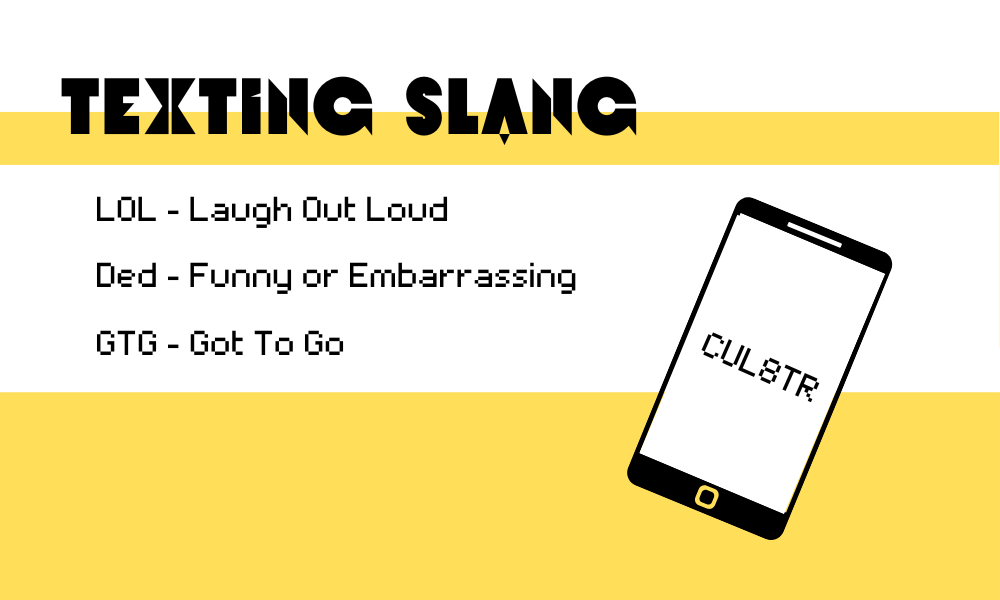
The history of texting is a journey from scarcity to abundance. In the 1990s and early 2000s, the Short Message Service (SMS) protocol limited users to 160 characters. This technical constraint forced a radical shift in language, leading to the birth of “text speak” (shorthand like LOL, BRB, and u). However, as mobile hardware and network infrastructure evolved, so did the way we construct meaning.
The Transition from SMS to RCS and iMessage
The shift from traditional SMS to data-based messaging—such as Apple’s iMessage, WhatsApp, and the industry-wide RCS (Rich Communication Services) standard—has fundamentally changed the “meaning” of a message. In the modern tech landscape, the presence of a “read receipt” or a “typing indicator” (the pulsating three dots) adds a layer of subtext that didn’t exist in the 160-character era. A message is no longer just a static packet of data; it is a live event. The tech behind these indicators creates a sense of “digital presence,” where the absence of a response can be as meaningful as the response itself.
How Character Limits Birthed a New Visual Language
While character limits have largely vanished in the age of unlimited data, their legacy remains in how we interpret brevity. In a professional tech environment, a short “K” or “Done” signifies efficiency. In a social context, however, the same brevity might be interpreted as dismissive. This friction occurs because our software allows for unlimited expression, yet our habits are still shaped by the legacy of technical constraints. The “meaning” in texting is often found in the tension between the ease of the interface and the effort the sender puts into the message.
Decoding Modern Texting Shorthand and Symbolic Meanings
In digital communication, punctuation and symbols have moved away from their traditional grammatical roles to become emotional indicators. In the world of tech-mediated interaction, a period at the end of a sentence is no longer just a signifier of a completed thought; it is a tonal choice.
The Semantic Weight of Punctuation
One of the most discussed shifts in digital linguistics is the “aggressive period.” In a formal document, a period is neutral. In a text message, specifically on platforms like Slack or iMessage, ending a short sentence with a period can convey finality, frustration, or even hostility. Tech users have adapted by using “punctuation-free” messaging to signal a casual, ongoing flow. This is a prime example of how the software environment influences human psychology; the lack of a formal “end of line” symbol suggests that the conversation remains open and fluid.
Ellipses and the Art of the Digital Pause
The ellipsis (…) is perhaps the most versatile tool in the modern texter’s kit. Technically, it represents omitted text, but in the context of a digital chat, it functions as a “digital sigh” or a prompt for the other party to continue. Software developers have leaned into this by creating the “typing bubble” mentioned earlier. When you see those three dots moving, the tech is providing you with real-time metadata about the other person’s activity. When a user manually types “…”, they are hacking that visual cue to create a specific emotional resonance—usually one of uncertainty or anticipation.
The Role of AI and Natural Language Processing in Messaging
We are currently witnessing the greatest shift in texting history: the integration of Artificial Intelligence. When you type a message today, you are rarely doing it alone. You are being assisted by complex algorithms designed to predict your intent and streamline your communication.
Predictive Text and Auto-Complete: Shaping Human Expression
Predictive text engines, powered by machine learning, analyze trillions of data points to suggest the next word in your sentence. This has a subtle but profound effect on what we “mean.” By suggesting the most statistically probable word, AI tends to homogenize digital language. If everyone uses the suggested “Sounds good!” instead of typing a unique response, the nuance of individual voice is traded for the efficiency of the software. In this context, “meaning” is often a collaborative effort between the user and the Large Language Model (LLM) running on their device.
Smart Replies: How Algorithms Interpret Intent
Platforms like Gmail and LinkedIn now offer “Smart Replies”—one-tap responses like “Thanks for the update” or “I’ll look into this.” These are generated by Natural Language Processing models that categorize the incoming message’s intent. While highly efficient for the tech-savvy professional, these tools raise questions about authenticity. Does a “Smart Reply” carry the same weight as a hand-typed response? In the tech world, the “meaning” of these messages is often understood as a “read and acknowledged” receipt rather than a deep engagement.
Digital Security and the Privacy of Meaning
As texting becomes the primary repository for our personal and professional lives, the technology that protects those words becomes paramount. The meaning of a message is inherently tied to who is allowed to see it.
End-to-End Encryption: Why Your Words are Secure
In the current tech climate, security is a feature, not an afterthought. Protocols like the Signal Protocol—used by Signal, WhatsApp, and increasingly by other platforms—ensure that only the sender and receiver can decrypt the message. This technological shield changes the nature of what we communicate. Knowing that a message is encrypted allows for a level of honesty and technical data sharing (such as passwords or sensitive business logic) that would be impossible over unencrypted SMS. The “meaning” of a text is thus empowered by the security of the underlying architecture.
Metadata and the Footprint of a Message
While the content of a message might be encrypted, the metadata—the data about the data—is often still tracked. This includes the time a message was sent, the location of the device, and the frequency of interaction between two users. For tech-literate users, the meaning of texting also involves an awareness of this digital footprint. Every “Hi” sent over a network is a data point that contributes to a larger profile of user behavior. Understanding “what texting means” in the 21st century requires acknowledging that our conversations are also assets in the global data economy.

The Future of Human-Tech Interaction via Text
As we look toward the future, the boundaries of texting will continue to blur. With the rise of wearable tech, haptic feedback, and spatial computing (like the Apple Vision Pro), a “text” may soon involve more than just characters on a 2D screen. It may involve “taps” on a wrist or 3D emojis floating in an augmented reality space.
The meaning of communication has always been fluid, but technology is now the primary catalyst for its change. Whether it is the subtle difference between a “blue bubble” and a “green bubble” on an iPhone, or the way an AI suggests a more professional tone for a work message, the tools we use are inseparable from the messages we send. To master texting in the modern age is to master the technology that facilitates it, recognizing that every character, every symbol, and even every silence is a deliberate choice within a sophisticated digital ecosystem.
In conclusion, “what it means” in texting is a multifaceted query. It is a blend of linguistic evolution, the psychological impact of UI/UX design, and the invisible hand of artificial intelligence. As users, our task is to navigate these tools with intent, ensuring that despite the layers of software between us, our true meaning remains clear.
aViewFromTheCave is a participant in the Amazon Services LLC Associates Program, an affiliate advertising program designed to provide a means for sites to earn advertising fees by advertising and linking to Amazon.com. Amazon, the Amazon logo, AmazonSupply, and the AmazonSupply logo are trademarks of Amazon.com, Inc. or its affiliates. As an Amazon Associate we earn affiliate commissions from qualifying purchases.