
The ubiquitous symbol of a circled “R” – ® – is more than just a decorative flourish; it’s a powerful indicator of legal protection and a cornerstone of brand identity. While often seen gracing product packaging, websites, and marketing materials, its precise meaning and significance can be a source of confusion for many. Understanding the ® symbol is crucial for businesses seeking to establish and safeguard their brands, as well as for consumers aiming to navigate the marketplace with informed awareness. This article delves into the world of registered trademarks, unraveling the meaning and implications of this vital symbol within the realm of Brand.

The Foundation: Understanding Trademarks
Before we can fully appreciate the ® symbol, we must first grasp the concept of a trademark itself. A trademark is a sign, design, or expression which identifies and distinguishes the source of the goods or services of one party from those of others. It’s essentially a badge of origin, assuring consumers that a product or service comes from a specific company. This can encompass a wide range of elements, including:
Distinctive Elements of Trademarks
- Brand Names: The most common form of trademark, such as “Apple” for electronics or “Coca-Cola” for beverages.
- Logos: Visual representations that are unique to a brand, like the Nike swoosh or the McDonald’s golden arches.
- Slogans and Taglines: Catchphrases that are strongly associated with a brand, such as Nike’s “Just Do It” or McDonald’s “I’m Lovin’ It.”
- Product Shapes and Packaging: In some cases, the distinctive shape of a product or its packaging can function as a trademark, like the iconic Coca-Cola bottle.
- Sounds and Colors: While less common, certain sounds (like the MGM lion’s roar) or colors (like Tiffany blue) can also be registered as trademarks if they have acquired distinctiveness.
The primary purpose of a trademark is to prevent consumer confusion. By clearly associating a product or service with a particular source, it allows consumers to make informed purchasing decisions and encourages companies to invest in quality and customer satisfaction, knowing that their reputation is protected.
The ® Symbol: A Mark of Registration
The circled “R” – ® – signifies that a trademark has been officially registered with the relevant intellectual property office in a particular country or region. This registration grants the trademark owner exclusive rights to use that mark in connection with the specific goods or services for which it has been registered.
Key Implications of Registration
- Exclusive Rights: Registration bestows upon the owner the sole right to use the trademark. This means that no other entity can use a confusingly similar mark for similar goods or services without infringing on the registered trademark.
- Legal Recourse: If infringement occurs, a registered trademark owner has a strong legal basis to take action against the infringing party. This can include cease and desist letters, lawsuits for damages, and injunctions to stop further unauthorized use.
- Deterrent Effect: The presence of the ® symbol acts as a clear deterrent to potential infringers. It signals that the mark is legally protected, making unauthorized use a riskier proposition.
- National and International Protection: While registration is typically granted on a country-by-country basis, international agreements like the Madrid Protocol allow for streamlined filing of trademark applications in multiple member countries. This is crucial for brands with global ambitions.
- Presumption of Ownership: Registration creates a legal presumption of ownership, meaning the trademark holder doesn’t have to prove they own the mark in a legal dispute; the burden of proof shifts to the alleged infringer.
It is critical to understand that the ® symbol can only be used after the trademark has been officially registered. Using it prematurely can lead to legal penalties.
Distinguishing the ® from Other Symbols: ™ and ℠
The ® symbol is often seen alongside two other common symbols: ™ (Trademark) and ℠ (Service Mark). Understanding the distinction between these is vital for businesses and consumers alike.
The ™ Symbol: Unregistered Trademarks
The ™ symbol is used to claim common law rights in a trademark. This means the mark is being used in commerce to identify goods, but it has not been officially registered with a government trademark office.
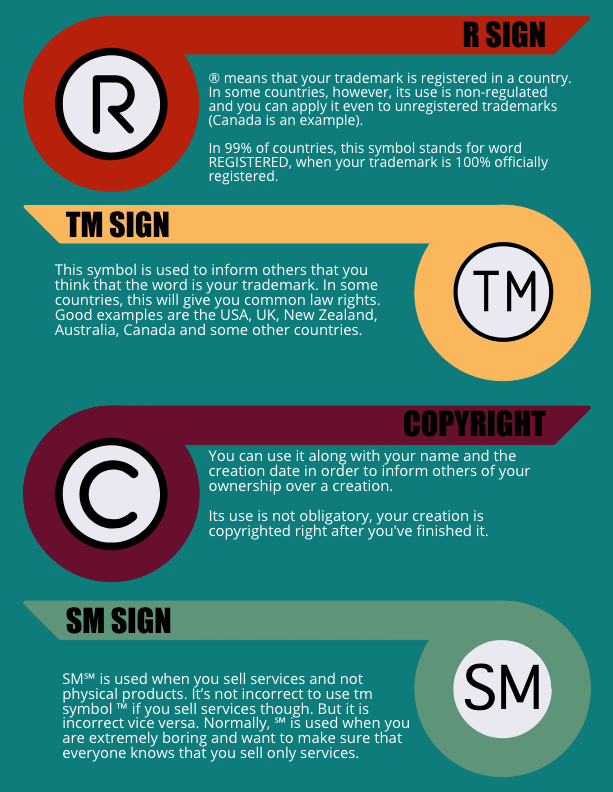
- Common Law Rights: While not as robust as registered rights, common law trademark rights exist in many jurisdictions. These rights are acquired through actual use of the mark in commerce and are generally limited to the geographic areas where the mark is used and known.
- Notice of Claim: Using the ™ symbol serves as a public notice that the user claims trademark rights in the mark. It indicates an intention to use the mark and potentially seek registration in the future.
- No Legal Guarantee: Unlike a registered trademark, the ™ symbol does not grant exclusive rights or provide the same level of legal protection. It doesn’t guarantee that the mark is legally valid or that its use won’t infringe on existing registered trademarks.
- Pre-Registration Strategy: Many businesses use the ™ symbol during the application process for trademark registration or while they are still building brand recognition for an unregistered mark.
The ℠ Symbol: Unregistered Service Marks
The ℠ symbol is the service mark equivalent of ™. It’s used to claim common law rights in a mark that identifies and distinguishes services rather than goods.
- Distinguishing Services: When a company offers services (e.g., consulting, financial advice, hospitality) rather than tangible products, the mark used to identify those services is technically a service mark.
- Similar to ™: Like the ™ symbol, the ℠ symbol indicates an unregistered claim of rights and does not provide the same legal protections as a registered trademark.
- Less Common Usage: The ℠ symbol is less frequently seen than ™, partly because many jurisdictions do not make a strong legal distinction between trademarks and service marks in practice, and the ™ symbol is often used for both.
When to Use Which Symbol
- ®: Use only after your trademark has been officially registered with the relevant government intellectual property office.
- ™: Use for unregistered trademarks (identifying goods) to claim common law rights and put others on notice.
- ℠: Use for unregistered service marks (identifying services) to claim common law rights.
The transition from using ™ or ℠ to ® is a significant milestone for any brand, signifying a commitment to protecting its intellectual property and a move towards more robust legal standing.
The Strategic Importance of Trademark Registration
For any business, from a fledgling startup to a global corporation, trademark registration is not merely a legal formality; it’s a fundamental component of brand strategy and long-term business success. The ® symbol, as a consequence of this registration, becomes a powerful tool in the brand’s arsenal.
Building and Protecting Brand Equity
- Brand Recognition and Trust: Consistent use of a trademark, especially when protected by registration, builds brand recognition and fosters consumer trust. When customers see the ® symbol, they associate it with established quality and a reliable source, knowing that the brand has invested in protecting its identity.
- Competitive Advantage: A registered trademark provides a significant competitive advantage. It prevents competitors from diluting your brand’s message or capitalizing on your goodwill by using confusingly similar marks.
- Asset Value: Trademarks are valuable intangible assets. They can be licensed, sold, or used as collateral, contributing to the overall valuation of a business. Registration solidifies this asset’s legal standing and marketability.
- Franchising and Licensing: For businesses looking to expand through franchising or licensing, a registered trademark is essential. It provides the legal framework for granting rights to others to use the brand in exchange for royalties, ensuring consistent brand experience across all outlets.
- E-commerce and Online Presence: In the digital age, protecting your brand online is paramount. Registered trademarks are crucial for securing domain names, preventing counterfeit goods from being sold on e-commerce platforms, and protecting against cybersquatting.
Navigating the Registration Process
The process of obtaining a registered trademark can vary by country, but generally involves several key steps:
- Trademark Search: Before filing, it’s crucial to conduct a thorough search to ensure that the desired mark is not already in use or registered for similar goods or services.
- Filing an Application: An application is filed with the national or regional trademark office, detailing the mark, the applicant, and the goods/services for which protection is sought.
- Examination: The trademark office examines the application for compliance with legal requirements and to check for conflicts with existing marks.
- Publication and Opposition: If the mark is deemed registrable, it is published for a period, allowing third parties to oppose the registration if they believe it infringes on their rights.
- Registration: If there are no successful oppositions, the trademark is officially registered, and the owner can then legally use the ® symbol.
While the process can seem complex, seeking advice from a qualified intellectual property attorney is highly recommended to ensure a successful registration and to navigate potential pitfalls.

The Enduring Power of the Circled R
The circled “R” is far more than a simple symbol; it’s a testament to a brand’s commitment to its identity, its customers, and its legal standing. It represents the culmination of effort, investment, and strategic foresight in building and protecting a unique presence in the marketplace. For businesses, it signifies the secure foundation of their brand equity and a clear declaration of ownership. For consumers, it offers a degree of assurance, indicating that the mark they recognize and trust is legally protected, a sign of a well-established and reputable entity. In essence, the ® symbol is a powerful, concise, and universally understood representation of a brand’s protected identity.
aViewFromTheCave is a participant in the Amazon Services LLC Associates Program, an affiliate advertising program designed to provide a means for sites to earn advertising fees by advertising and linking to Amazon.com. Amazon, the Amazon logo, AmazonSupply, and the AmazonSupply logo are trademarks of Amazon.com, Inc. or its affiliates. As an Amazon Associate we earn affiliate commissions from qualifying purchases.