
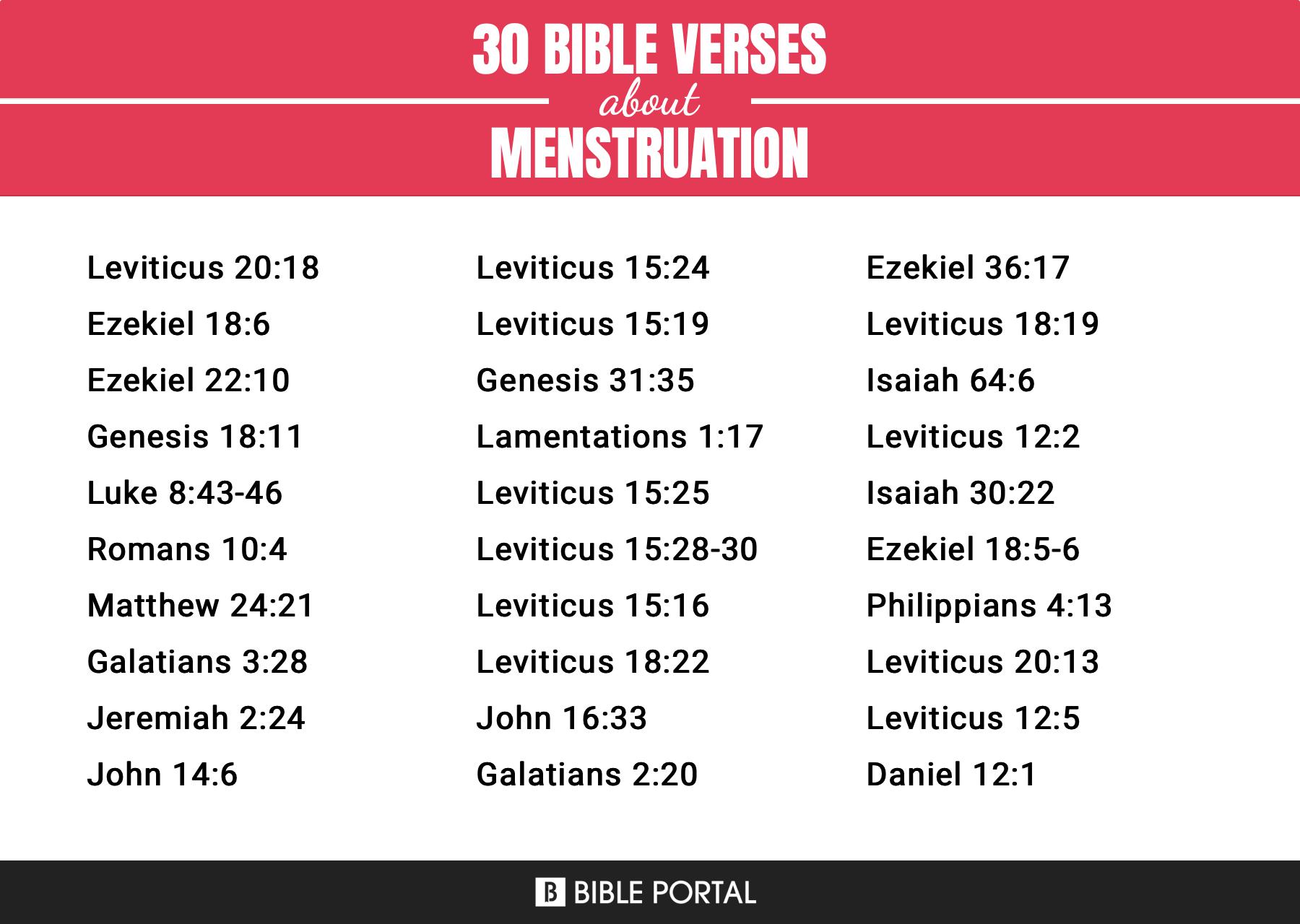
For millennia, the understanding and management of menstruation were governed by cultural traditions, religious texts, and oral histories. These “bibles” of conduct often dictated the social and physical movements of people who menstruated, frequently shrouded in mystery or stigma. However, in the last decade, a seismic shift has occurred. The authority has moved from ancient scrolls and societal whispers to the silicon chips and cloud servers of the “FemTech” industry. Today, the “Digital Bible” of menstruation is written in Python, C++, and Swift.

As we navigate this technological frontier, we must analyze how these digital tools are redefining our biological understanding, the hardware powering these insights, and the urgent ethical questions regarding the data that serves as the new scripture of women’s health.
The New Authority: How Algorithms Replaced Ancient Norms
The transition from paper calendars to sophisticated mobile applications represents more than a convenience; it is a fundamental shift in health literacy. When we ask what the modern world “says” about menstruation, we are increasingly looking at predictive analytics.
The Shift from Subjective Experience to Objective Data
Historically, menstrual tracking was a subjective exercise. Individuals might note the date on a wall calendar, but the nuances of hormonal fluctuations remained largely invisible. Modern tech has changed the dialogue. Apps like Clue, Flo, and Natural Cycles use data points—ranging from basal body temperature to cervical mucus consistency—to turn a “feeling” into a data set. This quantification allows users to approach their health with a scientific lens that was previously reserved for clinical settings. By aggregating millions of cycles, these tech platforms have created the largest database of menstrual health in human history, effectively rewriting the “manual” on what a normal cycle looks like across different demographics.
Machine Learning and the Prediction Revolution
At the heart of the modern menstrual “bible” is machine learning (ML). Unlike static religious or historical texts, these algorithms are dynamic. They learn from the user. If a user’s cycle is irregular due to Polycystic Ovary Syndrome (PCOS) or stress, the software adjusts its predictions in real-time. This level of personalized tech means that the “law” of the 28-day cycle—a standard often cited in older medical literature—is being debunked by the very data these apps collect. Tech is revealing that “regularity” is a spectrum, and by doing so, it is empowering users with accurate, personalized foresight into their own biological patterns.
The Hardware of Health: Wearables and the Quantified Self
The digital narrative of menstruation is no longer confined to manual entry on a smartphone screen. The integration of wearable technology has turned the human body itself into a constant stream of data, providing a 24/7 “reading” of menstrual health.
Basal Body Temperature and Bio-Sensors
One of the most significant technological leaps in this niche is the miniaturization of high-precision thermometers and bio-sensors. Devices like the Oura Ring or the Ava bracelet track minute changes in skin temperature and heart rate variability (HRV) during sleep. These metrics are crucial because a slight rise in basal body temperature is a primary biological indicator of ovulation. By automating this data collection, tech removes human error from the equation. The “Digital Bible” here is one of automation, where the body’s silent signals are translated into digital notifications before the user even realizes a change has occurred.
Integrating Ecosystems: Apple, Google, and Garmin
The “big tech” players have recognized that menstrual tracking is a pillar of holistic health. The integration of cycle tracking into the Apple HealthKit and Google Fit ecosystems signifies that menstruation is no longer a “niche” concern but a core metric of human performance, alongside heart rate and sleep quality. For athletes using Garmin or Whoop, menstrual data is now used to optimize training loads. The tech says that the cycle is not an “inconvenience” to be ignored, but a “fifth vital sign” that can be leveraged to improve physical output and recovery. This integration represents the normalization of menstrual tech within the broader digital health landscape.

The Digital Scriptorium: Privacy, Security, and the Ethics of Health Data
In ancient times, the “Bible” was kept in a scriptorium, protected by stone walls. In the digital age, the “scriptorium” is the cloud, and its walls are made of encryption. However, as the data becomes more intimate, the stakes for security have never been higher.
The Vulnerability of Biometric History
The most pressing conversation in menstrual tech today revolves around data sovereignty. Because period trackers collect highly sensitive information—including sexual activity, pregnancy attempts, and miscarriage data—they have become a flashpoint for legal and ethical debates. In a post-Roe v. Wade landscape in the United States, the tech community has had to reckon with the reality that a user’s menstrual history could be weaponized by legal authorities. The “Digital Bible” of the future must be one that is written in a way that cannot be read by prying eyes.
End-to-End Encryption as a Modern Commandment
In response to these privacy concerns, the “gold standard” for tech developers has shifted toward end-to-end encryption and “Anonymous Mode.” Companies like Euki and Clue have pioneered features that ensure data is stored locally on the device rather than on a central server, or that the data is encrypted such that even the developers cannot access it. This technological pivot is an essential evolution. For the tech to remain a trusted authority, it must prioritize the user’s safety over the company’s data-monetization potential. The “commandment” for modern FemTech is clear: privacy is not a feature; it is a fundamental requirement.
Designing for Dignity: How UI/UX is Rewriting the Narrative
Technology is not just about function; it is about form and experience. The User Interface (UI) and User Experience (UX) of menstrual apps are actively dismantling centuries of stigma by changing how menstruation is visually and linguistically represented.
Moving Beyond “Pink-Washing” in App Interfaces
For years, health tech for women was plagued by “pink-washing”—the assumption that any product for women must be floral, pastel, and overly “feminine.” Modern tech trends are moving toward a gender-neutral, medical, and professional aesthetic. Apps like Tia and Hello Clue use bold colors, clean lines, and anatomical terminology. This design choice shifts the tone from one of “managing a secret” to “monitoring a biological system.” By using tech to present menstruation as a data-driven health metric rather than a “monthly curse,” designers are using UX to rewire the user’s psychological relationship with their own body.
Global Accessibility and Digital Education
Perhaps the most powerful thing the “Digital Bible” of menstruation says is that knowledge should be universal. In many parts of the world, traditional “bibles” or social norms still restrict access to menstrual education. Tech bridges this gap. Through in-app educational modules, chatbots, and AI-driven health assistants, FemTech provides evidence-based information to users in regions where such topics are taboo. This democratization of information is the ultimate “disruption.” By putting a comprehensive, medically-vetted encyclopedia of menstrual health in the pocket of anyone with a smartphone, tech is ensuring that the future of menstruation is defined by empowerment rather than ignorance.
The Future of the Menstrual Tech Stack
As we look toward the next decade, the “Digital Bible” of menstruation will likely expand into even more advanced territories. We are already seeing the emergence of “smart tampons” and connected menstrual cups that can analyze the molecular composition of menstrual blood to screen for biomarkers of endometriosis or cervical cancer.
The intersection of artificial intelligence, biotechnology, and consumer software is creating a world where the mysteries of the menstrual cycle are systematically decoded. While we must remain vigilant about the privacy implications of this “quantified self,” the tech niche offers a promise that ancient traditions could not: a future where menstruation is understood, optimized, and treated with the scientific dignity it deserves. The new word on menstruation isn’t found in a book; it’s found in the code that empowers us to understand our bodies better than ever before.
aViewFromTheCave is a participant in the Amazon Services LLC Associates Program, an affiliate advertising program designed to provide a means for sites to earn advertising fees by advertising and linking to Amazon.com. Amazon, the Amazon logo, AmazonSupply, and the AmazonSupply logo are trademarks of Amazon.com, Inc. or its affiliates. As an Amazon Associate we earn affiliate commissions from qualifying purchases.