
In the modern landscape of personal finance and wealth creation, the term “manifesting” has evolved from a niche spiritual practice into a mainstream psychological and financial strategy. From social media influencers promising abundance through “vibrational alignment” to best-selling books on the Law of Attraction, the concept of manifesting wealth is ubiquitous. However, for those navigating the intersection of faith and finance, a critical question arises: What does the Bible say about manifesting?
To understand this within the context of money, investing, and career growth, we must look beyond the buzzwords. We need to dissect the tension between the modern desire for “instant abundance” and the timeless biblical principles of stewardship, diligence, and divine provision. By exploring these themes, we can develop a robust financial mindset that balances ambition with ethical and spiritual integrity.

Understanding the “Manifestation” Trend in Modern Finance
The contemporary manifestation movement suggests that by focusing one’s thoughts and energy on a specific outcome—such as a million-dollar net worth or a high-paying executive role—one can “attract” that reality into existence. While this often sounds like a shortcut to financial freedom, it is essential to examine its mechanisms through a professional and theological lens.
The Law of Attraction vs. Practical Financial Discipline
At its core, the secular Law of Attraction posits that “like attracts like.” In financial terms, this means that thinking about wealth creates wealth. While there is psychological merit to maintaining a positive outlook, this often clashes with the biblical view of reality. The Bible emphasizes that while our thoughts matter (Proverbs 23:7), they are not the sole architects of our financial destiny.
True financial growth requires a marriage of mindset and mechanics. While manifesting focuses on the feeling of having money, biblical wisdom emphasizes the action of managing it. In the realm of personal finance, relying solely on visualization without a diversified portfolio, a high-yield savings account, or a scalable side hustle is a recipe for stagnation. The Bible suggests a more grounded approach: “The plans of the diligent lead to profit as surely as haste leads to poverty” (Proverbs 21:5).
The Psychology of Wealth Mindset
Modern manifesting often mimics what psychologists call “the growth mindset.” When an entrepreneur “manifests” a successful business launch, they are essentially practicing goal-setting and cognitive reframing. From a financial perspective, this is highly effective. If you believe you are capable of earning a six-figure income, you are more likely to seek out high-leverage skills and networking opportunities.
However, the Bible adds a layer of humility to this psychology. It warns against the arrogance of self-sufficiency. James 4:13–15 addresses those who say, “Today or tomorrow we will go to this or that city, carry on business and make money,” reminding them instead to say, “If it is the Lord’s will, we will live and do this or that.” This biblical “manifestation” is not about demanding the universe provide, but about aligning one’s financial ambitions with a higher purpose.
Biblical Principles of Abundance and Stewardship
When discussing wealth, the Bible does not advocate for a life of scarcity; rather, it promotes a life of abundance managed through stewardship. This is where the biblical perspective diverges most sharply from popular manifestation techniques.
The Difference Between Faith and “Manifesting”
While “manifesting” often puts the individual at the center of the universe, “faith” puts God at the center. In finance, this distinction is vital. Manifesting wealth can lead to a “me-centered” economy where the goal is personal accumulation. Conversely, biblical faith views money as a tool provided by God to be managed wisely.
The Bible speaks of “blessing” and “provision,” which are often confused with manifesting. The key difference lies in the source. Manifestation relies on human will and “the universe,” whereas biblical abundance is a byproduct of obedience, hard work, and divine grace. For an investor, this means making decisions based on ethical principles and long-term stability rather than chasing “get-rich-quick” schemes that promise to manifest millions overnight.
Biblical Warnings Against the Prosperity Gospel
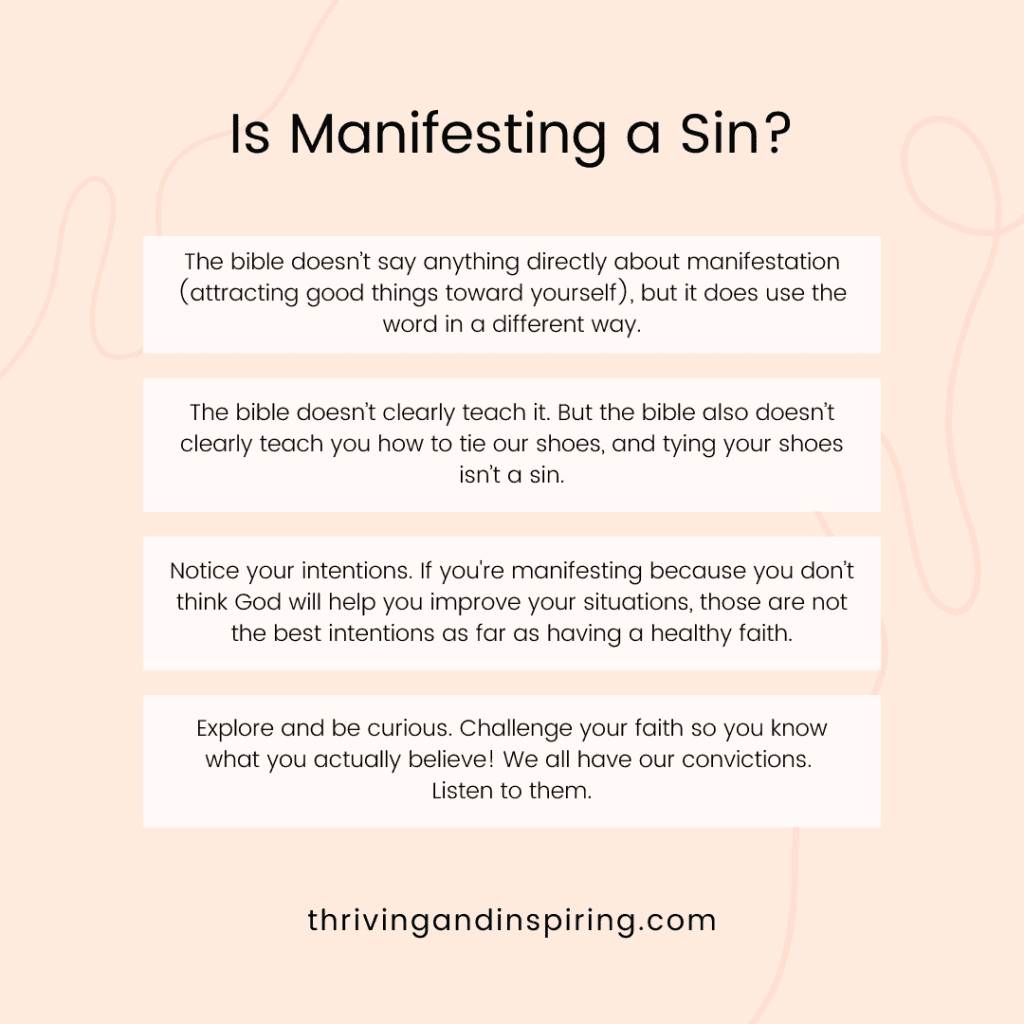
We cannot discuss manifesting without addressing the “Prosperity Gospel”—the idea that financial wealth is a direct sign of God’s favor and that one can “claim” wealth through donations or positive declarations. This is essentially the “baptized” version of manifesting.
The Bible offers a balanced critique of this. While it acknowledges that “the blessing of the Lord brings wealth” (Proverbs 10:22), it also warns that “the love of money is a root of all kinds of evil” (1 Timothy 6:10). Professional financial success should never be viewed as a spiritual scorecard. Instead, the Bible encourages us to pursue “true riches”—character, integrity, and relationships—while managing our material assets with excellence.
Strategic Wealth Creation: Action Over Visualization
The most significant critique the Bible offers regarding modern manifestation is the potential for passivity. Manifesting often emphasizes “receiving,” whereas the Bible emphasizes “working” and “sowing.”
The Importance of Diligence and Hard Work
If you want to “manifest” a successful side hustle or a promotion, the Bible points toward the value of your labor. “All hard work brings a profit, but mere talk leads only to poverty” (Proverbs 14:23). This is a direct rebuttal to the idea that one can simply meditate their way into a higher tax bracket.
In the context of modern money management, this means:
- Education: Constantly upgrading your skill set to remain competitive in the AI-driven job market.
- Budgeting: Using tools and apps to track every dollar, ensuring that your “manifested” income doesn’t leak out through poor spending habits.
- Risk Management: Not “manifesting” away the need for insurance or an emergency fund, but prudently preparing for market volatility.
Building a Legacy: Wealth with Purpose
Biblical manifesting is focused on the “why” behind the wealth. Most manifestation guides focus on the lifestyle wealth provides—the cars, the houses, the travel. The Bible, however, focuses on the legacy wealth builds. “A good man leaves an inheritance to his children’s children” (Proverbs 13:22).
This shift in focus changes how one approaches investing and business finance. It moves from short-term gains to long-term generational wealth. When your goal is to provide for your family and support your community, your financial “manifestations” take on a strategic, disciplined form. You start looking at index funds, real estate, and sustainable business models that can withstand the test of time.
Aligning Financial Goals with Values
To truly “manifest” wealth in a way that aligns with biblical teaching, one must integrate their spiritual values with their financial goals. This is not about magic; it is about intentionality.
Setting Intentions Through Prayer and Planning
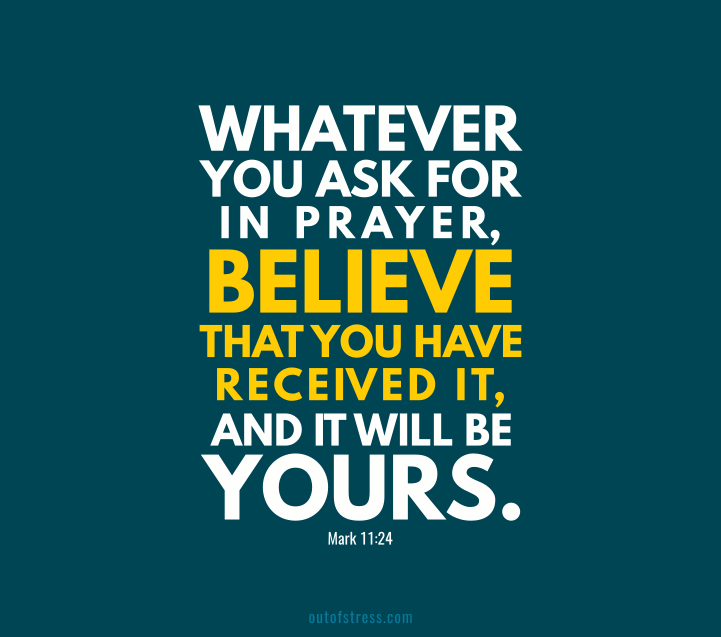
Rather than “visualizing” a pile of cash, the Bible suggests “committing your work to the Lord” (Proverbs 16:3). This is a form of intentionality that involves prayerful planning. In business, this looks like a well-researched business plan. In personal finance, it looks like a retirement strategy that accounts for both your needs and your desire to be generous.
When you align your financial intentions with your values, you create a sense of peace that secular manifesting often lacks. You are no longer stressed about “vibrating high enough” to attract money; instead, you are confident in your plan and your work ethic, trusting that the results will follow according to a larger, divine timeline.
Practical Tools for Ethical Financial Growth
Finally, biblical manifesting requires the use of practical tools to steward what you have. Money is a neutral resource; how we use it defines its impact.
- Investing with Integrity: Look for ESG (Environmental, Social, and Governance) funds or faith-based investment vehicles that ensure your money isn’t supporting industries that contradict your values.
- Automated Generosity: The Bible speaks extensively about the tithe and helping the poor. By automating your giving through financial apps, you “manifest” a heart of abundance rather than a heart of greed.
- Debt-Free Living: The Bible notes that “the borrower is slave to the lender” (Proverbs 22:7). Manifesting financial freedom must include a strategic plan to eliminate high-interest debt, which is the single greatest barrier to wealth accumulation.
In conclusion, the Bible does not support the idea of “manifesting” as a magical way to manipulate reality for personal gain. However, it strongly supports the principles of vision, faith, hard work, and intentionality. By shifting the focus from “attracting” wealth to “stewarding” it, you can build a financial life that is not only prosperous but also meaningful and aligned with eternal values. True abundance is found when our financial strategies are rooted in wisdom, executed with diligence, and surrendered to a purpose greater than ourselves.
aViewFromTheCave is a participant in the Amazon Services LLC Associates Program, an affiliate advertising program designed to provide a means for sites to earn advertising fees by advertising and linking to Amazon.com. Amazon, the Amazon logo, AmazonSupply, and the AmazonSupply logo are trademarks of Amazon.com, Inc. or its affiliates. As an Amazon Associate we earn affiliate commissions from qualifying purchases.