
The allure of starting an online business is undeniable. The promise of flexibility, global reach, and the potential for significant income draws countless entrepreneurs to the digital frontier. While the internet lowers many traditional barriers to entry, it introduces its own set of complexities, particularly in the realm of finance. Many aspiring online entrepreneurs focus heavily on the product, the marketing, or the technology, often overlooking the critical financial foundations that dictate long-term viability and success.
This article serves as a comprehensive financial blueprint for anyone looking to launch and scale an online business. It strips away the technical jargon and marketing hype to focus squarely on the monetary aspects, from initial funding and budgeting to revenue generation, profit optimization, and sustainable growth. Understanding and meticulously managing the financial pulse of your online venture is not merely a task; it is the cornerstone of its survival and prosperity in a competitive digital landscape. By adopting a proactive and informed financial strategy from day one, you can transform a promising idea into a robust, profitable online enterprise.
Laying the Financial Foundation for Your Online Venture
Every successful online business begins with a clear understanding of its financial architecture. Before a single product is sold or a service rendered, aspiring entrepreneurs must meticulously plan and secure the necessary capital, establish robust financial systems, and understand the inherent costs of doing business online. This foundational stage is critical for preventing common pitfalls and setting the stage for sustainable growth.
Estimating Startup Costs and Initial Investment
One of the most common mistakes new online entrepreneurs make is underestimating the true cost of launching their business. While some online ventures can indeed be started with minimal capital, a detailed and realistic budget is paramount. Initial investment is not just about big purchases; it’s about the accumulation of numerous smaller, often recurring, expenses.
Typical startup costs for an online business can include:
- Domain Name and Hosting: Essential for any online presence, these are recurring annual or monthly fees.
- Website Development/Platform Subscriptions: Whether you hire a developer, use a platform like Shopify or Squarespace, or build with WordPress, there are costs associated with setup, themes, plugins, and ongoing subscriptions.
- Software and Tools: Project management tools, email marketing services, graphic design software, accounting software, customer relationship management (CRM) systems – these often come with monthly subscription fees.
- Legal Fees: Business registration, intellectual property protection (trademarks, copyrights), and contract drafting can incur significant initial costs.
- Initial Inventory/Product Development: For e-commerce, this means purchasing goods. For digital products, it’s the time and resources invested in creation.
- Marketing and Advertising: Initial ad campaigns, content creation, social media tools, and professional photography can require upfront investment.
- Payment Processing Fees: While revenue-dependent, understanding the percentage fees charged by gateways like PayPal, Stripe, or Square is crucial from the outset.
- Professional Services: Accountants, legal counsel, or business coaches can be invaluable but come at a cost.
It’s crucial to create a detailed spreadsheet itemizing every potential expense, differentiating between one-time costs and recurring operational expenses. Always build in a contingency fund – typically 10-20% of your total estimated costs – for unforeseen expenditures.
Funding Your Online Business: Bootstrapping vs. External Capital
Once you have a clear picture of your capital requirements, the next step is to determine how you will fund your venture. The two primary paths are bootstrapping or seeking external capital, each with its own financial implications.
- Bootstrapping: This involves funding your business primarily through personal savings, credit cards, or early revenues.
- Advantages: Complete ownership and control, no debt obligations, forces lean operations and financial discipline.
- Disadvantages: Slower growth potential, significant personal financial risk, can be stressful if early revenue is delayed. This method often suits service-based businesses or those with low initial COGS.
- External Capital: This involves securing funds from outside sources.
- Small Business Loans: Traditional banks or government-backed programs (e.g., SBA loans in the US) can provide capital. These require a solid business plan, often collateral, and come with interest rates and repayment schedules.
- Angel Investors/Venture Capital (VC): Typically sought by high-growth, scalable businesses, these investors provide significant capital in exchange for equity. This means relinquishing a portion of ownership and control, and often comes with high expectations for rapid growth and exit strategies.
- Friends and Family: Often a source of early-stage capital, but it’s crucial to treat these as formal investments with clear terms to avoid damaging personal relationships.
The choice of funding method heavily influences your financial trajectory, risk exposure, and eventual ownership stake. A clear understanding of your business model’s capital intensity will guide this critical decision.
Setting Up Your Financial Infrastructure
Establishing a robust financial infrastructure from day one is not optional; it’s essential for clarity, compliance, and control.
- Separate Business Bank Account: This is non-negotiable. Co-mingling personal and business finances makes accounting a nightmare, complicates tax preparation, and can expose personal assets to business liabilities (especially for non-LLC structures).
- Payment Processors: Select reliable and cost-effective payment gateways like Stripe, PayPal, Square, or others relevant to your region. Understand their transaction fees, payout schedules, and any chargeback policies. These fees directly impact your profit margins.
- Basic Accounting Software: Implement an accounting system like QuickBooks, Xero, or FreshBooks immediately. This allows you to track income, expenses, reconcile bank accounts, and generate essential financial reports automatically. Early adoption simplifies future tax filings and provides real-time insights into your financial health.
Monetization Strategies for Sustainable Online Income
The heart of any business lies in its ability to generate revenue. For online businesses, the array of monetization strategies is vast and constantly evolving. Choosing the right models and crafting a profitable pricing strategy are critical steps in ensuring not just survival, but sustained financial growth.
Diverse Revenue Models for Online Businesses
Understanding the various ways online businesses make money allows you to select the best fit for your product or service and potentially diversify your income streams.
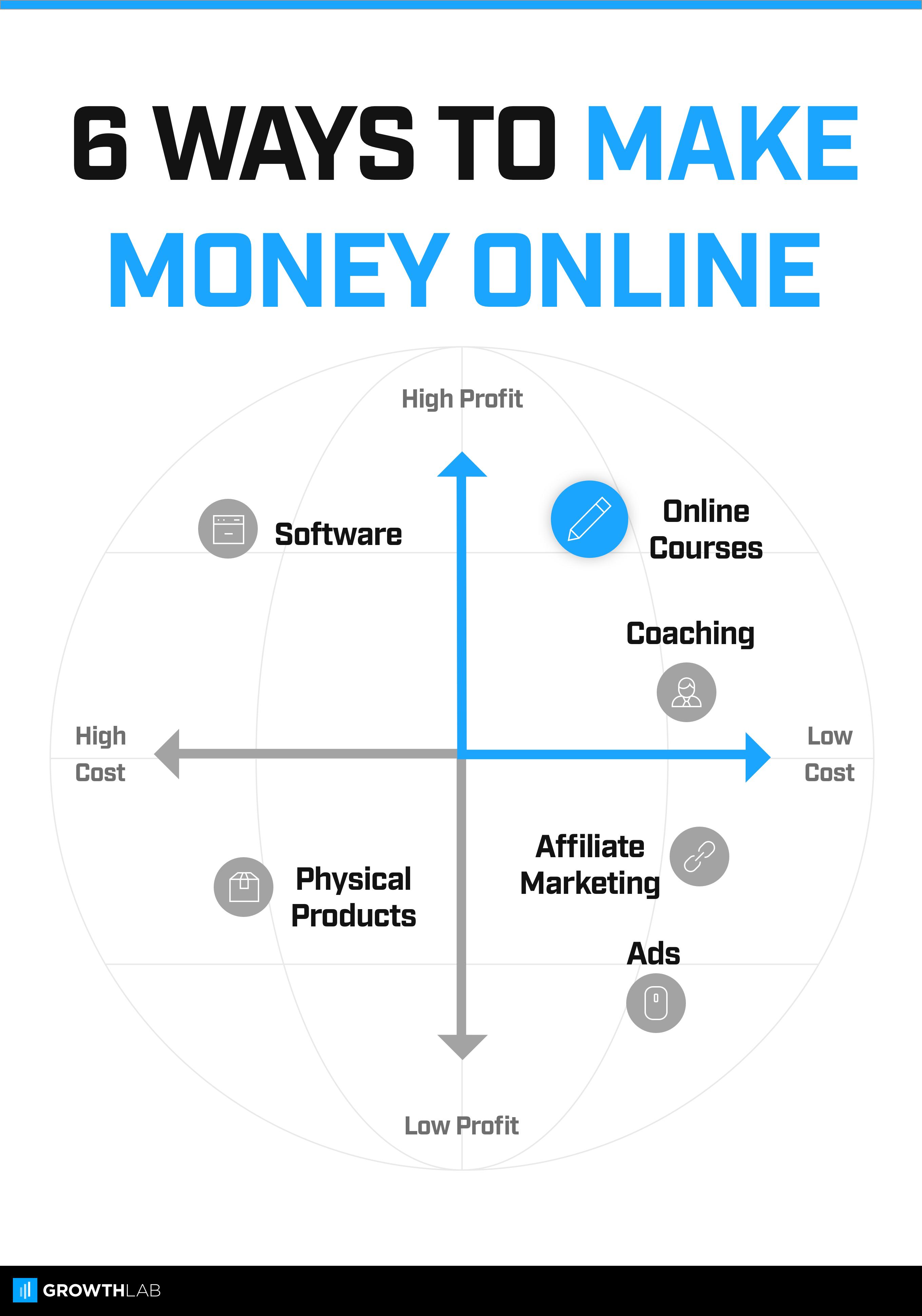
- E-commerce: Selling physical products (via dropshipping, inventory, or print-on-demand) or digital products (e-books, templates, software). Key financial considerations include product cost, shipping, payment processing fees, and inventory management. Profitability hinges on efficient supply chains and competitive pricing.
- Service-Based Businesses: Offering consulting, coaching, freelancing (writing, design, development), or virtual assistant services. Revenue is generated through hourly rates, project fees, or retainer agreements. The financial focus here is on valuing your time, managing client acquisition costs, and ensuring efficient service delivery to maximize billable hours.
- Subscription Models: Common for Software as a Service (SaaS), membership sites, or curated content platforms. This model provides predictable recurring revenue, which is highly valued. Financial metrics like churn rate (customer attrition) and Customer Lifetime Value (CLTV) become paramount for sustained profitability.
- Advertising and Affiliate Marketing: Generating income through displaying ads on your website (e.g., Google AdSense), sponsored content, or earning commissions for promoting other companies’ products (affiliate links). This model is typically volume-driven, requiring significant website traffic or audience engagement. Revenue per click (RPC) or per sale is a key financial metric.
- Digital Products and Courses: Creating and selling online courses, webinars, workshops, or premium digital content. Once created, these often have high-profit margins as the cost of goods sold (COGS) is negligible, though initial development costs can be significant.
Diversifying your income streams where appropriate can create financial resilience, reducing dependence on a single revenue source and cushioning against market fluctuations.
Crafting a Profitable Pricing Strategy
Pricing your products or services is more than just picking a number; it’s a strategic decision that directly impacts your revenue, profitability, and market positioning.
- Cost-Plus Pricing: The simplest method, adding a percentage markup to your total cost (COGS + operating expenses). Ensures costs are covered but may not reflect market value.
- Value-Based Pricing: Pricing based on the perceived value your product or service provides to the customer, rather than just its cost. This often allows for higher profit margins, especially if your offering solves a significant problem or provides unique benefits.
- Competitor-Based Pricing: Setting prices relative to what your competitors charge. Useful for benchmarking, but be careful not to fall into a race to the bottom.
- Dynamic Pricing: Adjusting prices in real-time based on demand, seasonality, customer segmentation, or other market factors.
- Tiered Pricing: Offering different packages or levels of service at varying price points to cater to different customer segments and needs.
Beyond the initial price, understanding your profit margin for each product or service is critical. This is the percentage of revenue that remains after deducting costs. Constantly analyze if your pricing aligns with your target market’s willingness to pay and your business’s profitability goals.
Understanding and Optimizing Profitability

Profitability is the ultimate measure of an online business’s financial health. It’s not just about how much money you make (revenue), but how much you keep (profit).
- Gross Profit vs. Net Profit:
- Gross Profit: Revenue minus Cost of Goods Sold (COGS). This tells you how efficiently you produce or acquire your core offering.
- Net Profit: Gross profit minus all operating expenses (marketing, salaries, software, rent if applicable, administrative costs). This is your bottom line.
- Reducing COGS and Operating Expenses: Continuously seek ways to reduce the direct costs associated with your products or services and scrutinize your operating expenses. Can you find more affordable software alternatives? Negotiate better terms with suppliers? Automate tasks to reduce labor costs?
- Break-Even Analysis: Calculate the point at which your total revenue equals your total costs. This tells you how many units you need to sell or how much revenue you need to generate before you start making a profit.
- Key Financial Performance Indicators (KPIs): Monitor KPIs relevant to profitability. Examples include:
- Customer Acquisition Cost (CAC): How much it costs to acquire a new paying customer.
- Customer Lifetime Value (CLTV): The total revenue a customer is expected to generate over their relationship with your business. (CLTV should ideally be significantly higher than CAC).
- Conversion Rates: The percentage of visitors who complete a desired action (e.g., purchase). From a financial perspective, a higher conversion rate means more revenue for the same marketing spend.
Regularly analyzing these metrics allows you to identify areas for optimization, cut inefficient spending, and focus resources on what drives the highest financial returns.
Managing Your Online Business Finances for Growth
Once your online business is generating revenue, the focus shifts to robust financial management to ensure sustained growth and stability. This involves vigilant cash flow management, diligent reporting, and proactive tax compliance.
Effective Cash Flow Management
Cash flow is the lifeblood of any business, online or off. It refers to the movement of money in and out of your business. A profitable business can still fail if it runs out of cash.
- Understand the Difference Between Profit and Cash: A business can be profitable on paper (e.g., you’ve made sales but haven’t been paid yet, or you’ve invested in inventory that hasn’t sold) but still have a cash crunch.
- Strategies to Improve Cash Flow:
- Invoice Promptly and Follow Up: For service-based businesses, timely invoicing and proactive follow-ups on overdue payments are crucial.
- Manage Receivables and Payables: Negotiate favorable payment terms with suppliers (e.g., longer payment windows) while encouraging customers to pay promptly.
- Optimize Inventory (for e-commerce): Avoid tying up too much capital in unsold inventory. Use just-in-time inventory strategies if feasible.
- Build a Cash Reserve: Keep a few months’ worth of operating expenses in reserve to weather lean periods or unexpected costs.
- Cash Flow Forecasting: Regularly project your expected incoming and outgoing cash over the next 3, 6, or 12 months. This helps you anticipate potential shortfalls or surpluses and plan accordingly.
Budgeting, Forecasting, and Financial Reporting
These are ongoing processes that provide clarity and control over your financial journey.
- Ongoing Budgeting: Your initial budget is a starting point. As your business evolves, your budget needs to be reviewed and adjusted periodically (monthly or quarterly). Track actual expenses against your budget to identify discrepancies and adjust spending habits.
- Financial Forecasting: Beyond cash flow, broader financial forecasting involves projecting future income statements and balance sheets. This helps you plan for expansion, understand the impact of potential changes (e.g., a new marketing campaign, price increase), and set realistic financial goals.
- Key Financial Reports: Your accounting software should generate these regularly:
- Profit & Loss Statement (Income Statement): Shows your revenues, costs, and profits over a specific period. It’s essential for understanding profitability.
- Balance Sheet: Provides a snapshot of your assets, liabilities, and owner’s equity at a specific point in time. It shows your business’s financial health.
- Cash Flow Statement: Details the movement of cash in and out of your business from operating, investing, and financing activities. It’s vital for liquidity analysis.
Regularly analyzing these reports is like taking your business’s vital signs. They provide insights into trends, highlight areas of concern, and inform strategic decisions.
Navigating Taxes and Legal Financial Compliance
Tax and legal compliance are often daunting for online entrepreneurs, but ignoring them can lead to severe financial penalties.
- Business Structure: Your chosen legal structure (sole proprietorship, LLC, S-Corp, C-Corp) has significant tax implications. An LLC, for example, offers liability protection and flexible tax treatment, but may require more administrative work. Consult with a legal and financial professional to choose the optimal structure for your specific situation.
- Sales Tax (for E-commerce): If you sell physical products online, you might have sales tax obligations depending on your location and where your customers are located (nexus rules). Understanding and collecting/remitting sales tax can be complex and varies significantly by state and country.
- Income Tax: As a business owner, you’ll likely need to pay estimated quarterly income taxes. Failing to do so can result in penalties. Set aside a percentage of your income specifically for taxes.
- Record-Keeping: Meticulous record-keeping of all income and expenses is non-negotiable. This simplifies tax preparation, provides crucial data for financial analysis, and is indispensable in the event of an audit.
- Professional Advice: Engage with an accountant or tax specialist who has experience with online businesses. Their expertise can save you significant money and headaches by ensuring compliance and optimizing your tax strategy.
Scaling Your Online Business and Financial Planning
As your online business gains traction, the focus shifts to scaling—expanding operations, reaching new markets, and increasing revenue. This phase demands careful financial planning to ensure growth is sustainable and profitable, not just rapid.
Financial Considerations for Expansion
Growth is exciting, but unchecked growth can strain resources and even lead to failure if not managed financially.
- Reinvesting Profits: Decide how much of your profits to reinvest back into the business versus taking as owner’s compensation or dividends. Strategic reinvestment fuels future growth, whether it’s for product development, marketing, or team expansion.
- Strategic Hiring: Bringing on new team members is a significant financial commitment. Calculate the potential Return on Investment (ROI) for each hire. Understand the full cost of an employee, including salaries, benefits, taxes, and potential training costs.
- New Product/Service Development: Budget for the research and development (R&D) phases of new offerings. This includes market research, prototyping, and initial marketing efforts. Validate demand before committing significant capital.
- Marketing Spend Optimization: As you scale, your marketing budget will likely increase. Focus on optimizing your Cost Per Acquisition (CPA) and ensuring a positive ROI on all marketing channels. Use analytics to identify the most effective and financially efficient campaigns.
Preparing for Future Financial Opportunities and Risks
A mature online business requires forward-looking financial strategies to build resilience and maximize long-term value.
- Building a Financial Buffer: Beyond operational cash reserves, consider building a larger financial buffer to capitalize on opportunities (e.g., acquiring a competitor, investing in new technology) or to mitigate risks (e.g., a market downturn, a significant competitor entry).
- Succession Planning/Exit Strategy (Financial Perspective): Even if selling your business isn’t imminent, understanding its financial valuation is crucial. What metrics drive its value (e.g., recurring revenue, profit margins, intellectual property)? Optimizing these factors can significantly increase your business’s worth for a potential sale or transfer.
- Risk Management: Consider business insurance (general liability, cyber insurance for data breaches), and ensure your personal finances are diversified and not solely dependent on the business’s immediate cash flow.
Leveraging Financial Tools and Professional Advice
As your business grows, the complexity of its finances will also increase. Sophisticated tools and expert advice become indispensable.
- Advanced Accounting and Analytics Tools: Explore integrations between your accounting software, e-commerce platform, CRM, and marketing tools. This provides a holistic view of your financial performance and allows for deeper insights.
- Financial Dashboards: Create customized dashboards that track your most critical financial KPIs in real-time.
- Professional Financial Guidance: A skilled accountant can move beyond basic tax preparation to offer strategic financial planning, cost analysis, and growth forecasting. A financial planner can help integrate your business finances with your personal wealth goals. A business coach with a strong financial background can provide invaluable strategic advice.
Conclusion
Starting an online business is a journey filled with potential, but its path to success is undeniably paved with sound financial management. From the initial budgeting and funding decisions to the ongoing management of cash flow, profit optimization, and strategic scaling, every step requires a keen eye on the numbers.
The internet may democratize access to markets, but it does not diminish the universal truths of business finance. By meticulously planning your financial foundation, thoughtfully structuring your revenue models, diligently managing your resources, and preparing for future financial opportunities and risks, you position your online venture for not just survival, but thriving success. Embrace financial literacy as a core competency, and your online business will be built on a foundation strong enough to withstand challenges and capitalize on every opportunity.
aViewFromTheCave is a participant in the Amazon Services LLC Associates Program, an affiliate advertising program designed to provide a means for sites to earn advertising fees by advertising and linking to Amazon.com. Amazon, the Amazon logo, AmazonSupply, and the AmazonSupply logo are trademarks of Amazon.com, Inc. or its affiliates. As an Amazon Associate we earn affiliate commissions from qualifying purchases.