
In the era of the Internet of Things (IoT) and minimalist hardware design, the burden of communication has shifted from text-heavy screens to simple, ambient light signals. When you glance at a device and see a glowing violet or pulsing indigo, you are witnessing a specific form of Human-Machine Interaction (HMI). But what does purple light mean in the context of modern technology?
Unlike the universal red for “stop/error” or green for “go/charged,” purple occupies a unique space in technical semiotics. It often signals complex states: a blend of connectivity issues, specific user-activated modes, or specialized functional spectrums like ultraviolet sterilization. Understanding these signals is essential for troubleshooting and optimizing the performance of your digital ecosystem.

1. Smart Home Ecosystems: Deciphering the Purple Pulse
The most common encounter with a purple light occurs within the smart home. As companies like Amazon, Google, and various networking firms strive for “invisible tech,” they rely on color-coded LED rings to communicate with users without the need for a traditional display.
Amazon Echo and Alexa: The “Do Not Disturb” Signal
For millions of Amazon Echo users, a purple light is a common occurrence, though it is often misunderstood. Unlike a red ring (which signifies a muted microphone) or a blue ring (which signifies the device is processing a command), a pulsing purple light on an Echo device typically indicates that “Do Not Disturb” mode is active.
From a tech design perspective, purple was chosen here because it is distinct enough from the “alert” colors to signify a chosen state rather than a system failure. However, if the purple light flashes during the initial setup, it indicates a Wi-Fi connectivity issue. This dual-purpose signaling highlights a challenge in HMI: the same color can mean “intentional silence” or “unintentional disconnection” depending on the device’s operational phase.
Roku and Streaming Hardware: Power and Connectivity
In the world of streaming peripherals, a purple light (or sometimes a deep violet-red) is often a diagnostic warning. On many Roku devices, a solid purple light indicates an issue with the HDCP (High-bandwidth Digital Content Protection) handshake between the player and the television.
This is a sophisticated digital security protocol designed to prevent the unauthorized copying of 4K and HDR content. When the “purple light of death” appears on a streaming stick, it tells the user that the hardware interface is failing to establish a secure link, often due to an incompatible HDMI cable or a port that does not support the required encryption standards.
Mesh Wi-Fi Nodes and Routers
Modern networking hardware, such as the Google Nest Wifi or Eero systems, utilizes purple lights to indicate a loss of backhaul connectivity. In a mesh network, if a satellite node glows purple, it means it can no longer communicate with the main router. This is a critical diagnostic tool for digital security and stability; it allows a technician or a home user to immediately identify which node in a complex infrastructure has dropped its signal, pinpointing the physical location of a network “dead zone.”
2. Gaming and High-Performance Computing: The Dual Role of Purple
In the high-performance computing (HPC) and gaming sectors, purple light serves two distinct masters: aesthetic customization through RGB (Red, Green, Blue) lighting and hardware diagnostics via Motherboard Status LEDs.
Motherboard Error Codes and Diagnostic LEDs
For PC builders and hardware enthusiasts, a purple or magenta light on a motherboard’s “Q-LED” or “EZ Debug” array is a vital piece of information. During the Power-On Self-Test (POST) process, the motherboard checks the CPU, RAM, and GPU. While most boards use red or yellow for errors, some high-end manufacturers have integrated purple signals to indicate specific firmware or BIOS-level issues, such as a “Secure Boot” failure or a Trusted Platform Module (TPM) error.
Understanding these nuances is the difference between a quick software fix and an expensive hardware replacement. In this context, the purple light acts as a high-level alert for the system’s foundational security layers.
The Psychology of RGB Customization
Beyond diagnostics, purple has become a staple in the “Gamer Aesthetic.” Tech brands like Razer, Corsair, and Logitech provide sophisticated software suites (like Synapse or iCUE) that allow users to bathe their setups in purple light.
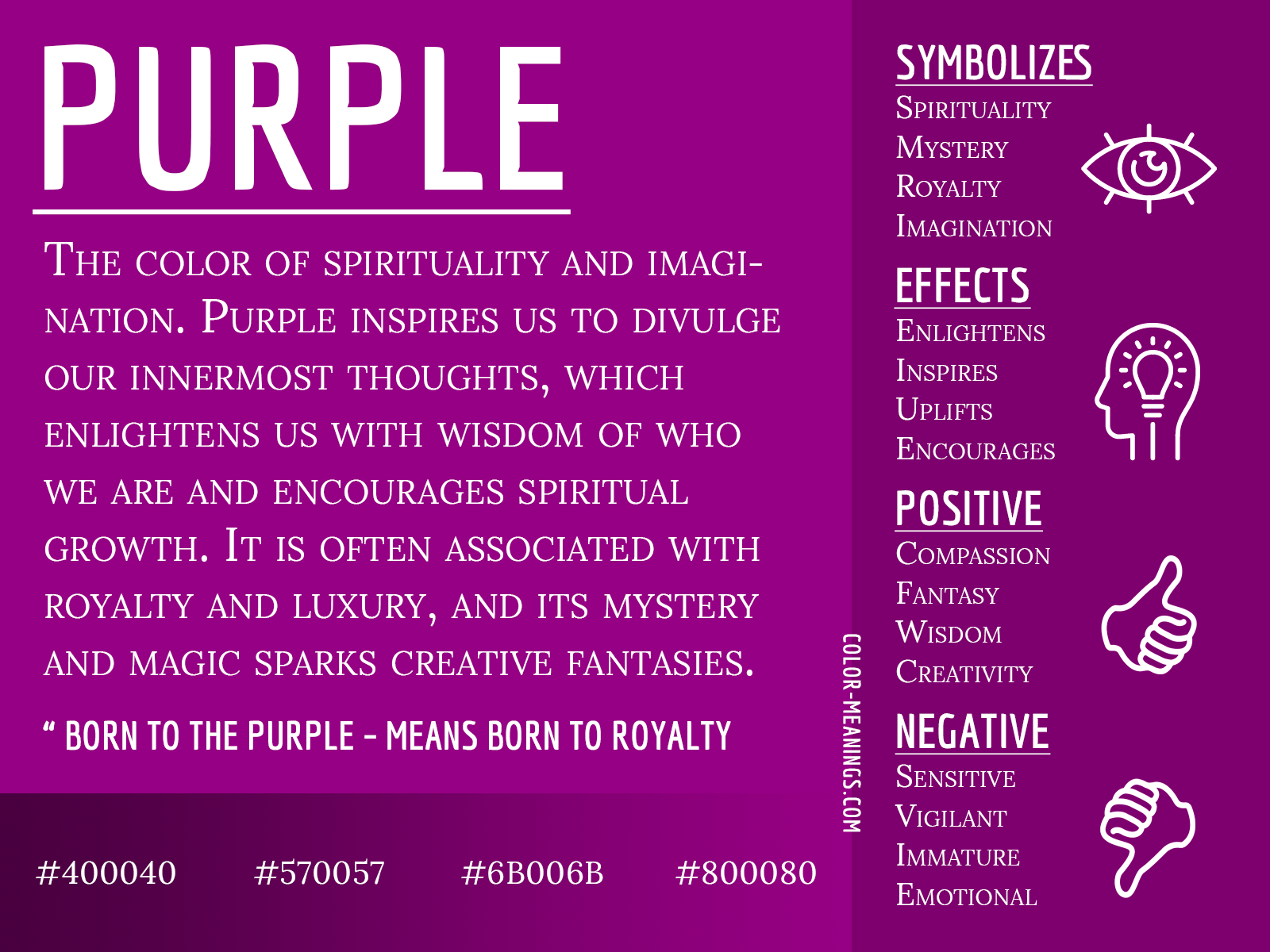
From a tech-trends perspective, purple is often used to reduce eye strain in low-light environments. Unlike blue light, which is known to interfere with circadian rhythms and cause digital eye strain, certain shades of purple/violet are perceived as less harsh, providing high contrast for keyboard visibility without the stimulating effects of the blue-light spectrum. This is a deliberate intersection of software customization and biological tech-optimization.
3. Specialized Hardware: The Functional Power of the Ultraviolet Spectrum
In some technical sectors, a purple light is not just a signal—it is the function itself. This is particularly true in hardware designed for sterilization and advanced botany.
UVC Sterilization and Digital Health Tech
With the rise of “Health Tech,” ultraviolet (UV) sterilization gadgets have become mainstream. Devices designed to sanitize smartphones or keyboards often emit a visible purple glow. It is important to note that true UVC light—the kind that kills pathogens—is actually invisible to the human eye.
The purple light seen in these gadgets is a “secondary emission” or a deliberate LED indicator included by engineers. It serves as a safety feature, warning the user that the device is active and that they should avoid direct exposure to the internal lamps. In this niche, purple signifies “Active Disinfection,” bridging the gap between invisible scientific processes and user safety.
Smart Gardening and LED Grow Lights
In the burgeoning field of AgTech (Agricultural Technology), purple light—often referred to as “blurple”—is the result of combining high-output blue and red LEDs. For indoor smart gardens and vertical farming tech, this specific spectrum is engineered to maximize photosynthesis while minimizing energy waste.
A purple light in a smart garden indicates that the hardware is operating in a growth-optimized state, targeting the specific wavelengths of light that plants absorb most efficiently. For the tech-savvy consumer, a purple glow from their indoor garden is a sign of an automated system successfully managing the biological needs of a plant through precision-engineered light frequencies.
4. The Future of Visual Cues in Human-Machine Interaction
As we move toward an era of “ambient computing,” where technology is integrated into the fabric of our environment, the language of light will become more standardized. We are already seeing a shift toward “calm technology,” where devices communicate through soft pulses rather than intrusive sounds.
Standardizing Color Semantics in IoT
One of the current hurdles in the tech industry is the lack of a universal standard for what colors mean. While one brand uses purple for “Do Not Disturb,” another might use it for “System Update in Progress.”
Industry consortia, such as the Connectivity Standards Alliance (the group behind the Matter protocol), are beginning to look at how devices can communicate their status more intuitively. The goal is to create a digital environment where a purple light means the same thing whether it is on your dishwasher, your router, or your smart car.
Beyond the Screen: Haptic and Visual Feedback
As we move away from screen-dependency, visual cues like purple light pulses are being paired with haptic feedback to create a multi-sensory UI. For instance, high-end digital security tools might use a purple light in conjunction with a specific vibration pattern to indicate a successful encrypted login. This represents a more sophisticated approach to digital security, where the “purple light” becomes part of a multi-factor authentication experience that is both aesthetic and functional.
Conclusion: Mastering the Glow
So, what does purple light mean? In the vast landscape of modern technology, it is rarely a sign of a catastrophic failure. Instead, it is a sophisticated indicator of “specialized states.” It is the color of privacy on an Alexa, the color of secure handshaking on a Roku, the color of diagnostic security on a motherboard, and the color of efficiency in AgTech.
For the modern consumer and tech professional, learning to decode these visual signals is a vital digital literacy skill. By understanding that a purple light represents a specific technical bridge—whether that is between your router and a node, or between your eyes and a high-performance monitor—you can better navigate, troubleshoot, and enjoy the complex world of modern gadgets. The next time your device glows violet, you won’t see a mystery; you’ll see a precise data point in the ongoing dialogue between humans and their machines.
aViewFromTheCave is a participant in the Amazon Services LLC Associates Program, an affiliate advertising program designed to provide a means for sites to earn advertising fees by advertising and linking to Amazon.com. Amazon, the Amazon logo, AmazonSupply, and the AmazonSupply logo are trademarks of Amazon.com, Inc. or its affiliates. As an Amazon Associate we earn affiliate commissions from qualifying purchases.