
In the competitive landscape of modern commerce, a name is never “just a name.” It is the cornerstone of a brand’s identity, the first touchpoint for a consumer, and the container for all the values a company hopes to project. When we analyze the name “Julian” through the lens of brand strategy, we uncover a sophisticated blend of historical authority and youthful accessibility. For brand architects and marketing strategists, understanding the nuances of a name like Julian offers a masterclass in how etymology and phonetics can be leveraged to build a powerful corporate persona.
The name Julian is far more than a personal identifier; it is a linguistic asset. In this article, we will explore the strategic implications of the name Julian, dissecting its historical roots, its psychological impact on consumers, and how it can be utilized to create a brand that resonates with both tradition and modern innovation.
The Etymological Foundation: Why “Julian” Projects Authority and Agelessness
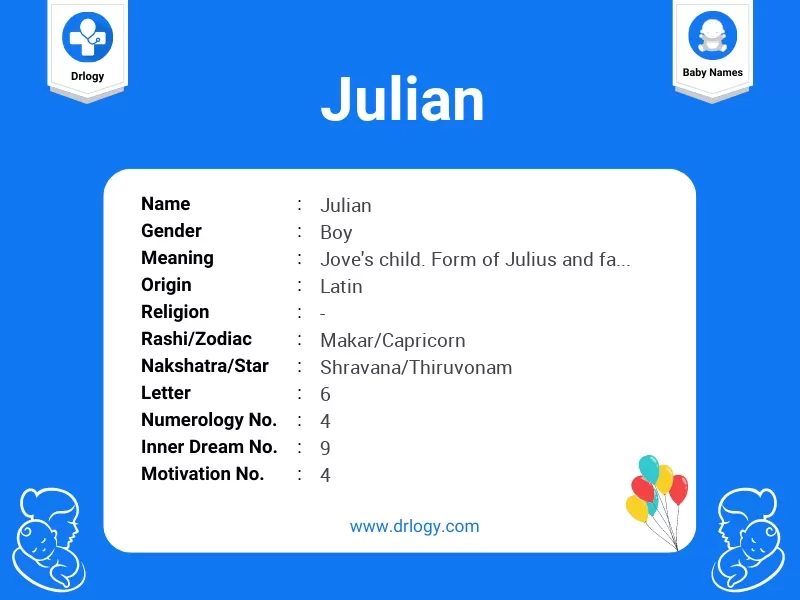
To understand the branding potential of “Julian,” one must first look at its origins. Derived from the Roman family name Iulianus, which in turn stems from Julius, the name carries an inherent sense of classical power. In the world of brand strategy, this historical weight provides an immediate sense of “Heritage Branding,” even for a new company.
The Roman Roots: Jupiter and Jovial Energy
The name is most famously associated with Julius Caesar, arguably one of the most recognizable “brands” in human history. Strategically, this connects the name to themes of leadership, empire-building, and systemic influence. Furthermore, the name is etymologically linked to “Jupiter” (Jove), the king of the gods in Roman mythology. For a brand, this translates to a position of “The Ruler” or “The Sage” archetype. When a company adopts a name with such deep roots, it bypasses the need to establish legitimacy from scratch; the name itself whispers of a long-standing legacy and cosmic importance.
From History to Modernity: The “Old Money” Aesthetic
In contemporary design and marketing circles, there is a rising trend known as the “Old Money” or “Quiet Luxury” aesthetic. The name Julian fits perfectly into this niche. Unlike trendy, invented names that might sound dated within a decade, Julian is perennial. For a brand strategy focused on longevity and high-end positioning, utilizing a name like Julian signals that the company is not a “flash in the pan” but a stable, reliable institution. It suggests a brand that values quality over quantity and timelessness over fleeting trends.
Building a Brand Persona Around the Julian Identity
A successful brand persona is built on the intersection of how a name sounds (phonetics) and what it implies (semantics). Julian is a unique name in this regard because it balances “soft” and “hard” sounds, making it versatile across various industries, from luxury goods to professional services.
Softness Meets Strength: The Phonetic Appeal
Phonetically, Julian starts with a soft “J” and flows through liquid vowels into a resonant “N.” There are no harsh plosives (like the “K” in Kodak or the “P” in Pepsi). In branding, soft sounds are often associated with sophistication, empathy, and elegance. However, the three-syllable structure provides a rhythmic stability. This makes the name Julian an ideal choice for brands that want to appear approachable yet authoritative. It is a name that invites the consumer in rather than demanding their attention through volume.
Target Audience Alignment: Who Responds to the Name Julian?
From a marketing perspective, the name Julian appeals to a specific psychographic. It resonates with consumers who are educated, culturally aware, and value “understated excellence.” It is a name that bridges the gap between generations. To a Boomer or Gen X consumer, Julian feels classic and respectful. To a Millennial or Gen Z consumer, it feels vintage-chic and authentic. This cross-generational appeal is a goldmine for brand strategists looking to capture a wide market share without alienating their core demographic.
Case Studies in “Julian” Branding: From High Fashion to Corporate Identity

To see the name Julian in action, we can look at how it functions as a personal brand and how it might be scaled into a corporate entity. Whether it is a boutique creative agency or a bespoke tailoring house, the name provides a specific “mood board” for the brand’s visual and verbal identity.
The “Julian” Effect in Personal Branding
In the realm of personal branding, a “Julian” is often perceived as a thought leader who is both intellectual and stylish. Think of the name in the context of a high-end architecture firm or a legal consultancy. The name suggests that the individual is well-traveled, well-read, and meticulous. When your name is Julian, your brand strategy should lean into “The Expert” archetype. The visual identity should be minimalist, using serif typography and a neutral color palette to reinforce the name’s inherent class.
Corporate Identity and Reliability
If we were to develop a corporate brand named “Julian & Co.” or “The Julian Group,” the strategy would focus on “Relationship-Based Business.” Because the name is human-centric—derived from a person rather than a machine or a concept—it fosters a sense of trust. In an era where consumers are increasingly wary of faceless corporations and AI-driven services, a name like Julian provides a “human touch.” It suggests a brand that cares about individual clients and bespoke solutions. This makes it particularly effective for sectors like wealth management, private healthcare, or high-end real estate.
Choosing the Right Name: Strategic Lessons from the Julian Archetype
What can brand managers learn from the name Julian when developing their own naming strategies? The success of this name lies in its ability to balance several competing brand values at once.
Evoking Trust Through Traditional Names
One of the primary lessons is the power of the “Humanized Brand.” Abstract names like “Vyzxr” or “Aethelgard” might sound futuristic, but they often lack emotional resonance. Julian teaches us that returning to names with historical and human roots can evoke a deep, subconscious sense of trust. For a new brand, this trust is the most valuable currency they have. By choosing a name that feels familiar yet prestigious, a company can significantly reduce the “friction” a customer feels when trying a new product or service.
Balancing Familiarity with Distinctiveness
A common mistake in brand naming is choosing a name that is either too common (and therefore forgettable) or too unique (and therefore confusing). Julian occupies the “sweet spot” of the Goldilocks zone. It is a recognized name globally, yet it isn’t so ubiquitous that it loses its luster. This is a critical lesson for brand strategy: seek a name that is easy to pronounce and spell but carries enough “personality” to stand out in a crowded marketplace.
The Future of Naming: Why Classic Names are Making a Comeback in Brand Identity
As we look toward the future of branding, we are seeing a shift away from the hyper-minimalist, “tech-bro” naming conventions of the 2010s. The era of “disruption” for the sake of disruption is being replaced by an era of “reassurance.”
The Return to Grounded Identity
In a world characterized by digital noise and economic volatility, brands are increasingly looking for ways to ground themselves. The name Julian represents this shift back to the “foundational.” We are seeing more startups choose names that sound like heritage brands because they want to project stability. This “new-stalgia” strategy uses classic elements (like the name Julian) to build a bridge between the reliability of the past and the possibilities of the future.
Global Versatility in a Connected World
Finally, the name Julian is a strategic powerhouse because of its global reach. It has variations in Spanish (Julián), French (Julien), and Italian (Giuliano), making it a “globally fluent” brand asset. For a brand with international ambitions, this is a massive advantage. A name that is easy to adapt across different cultures without losing its core meaning or prestige is the holy grail of global brand strategy.
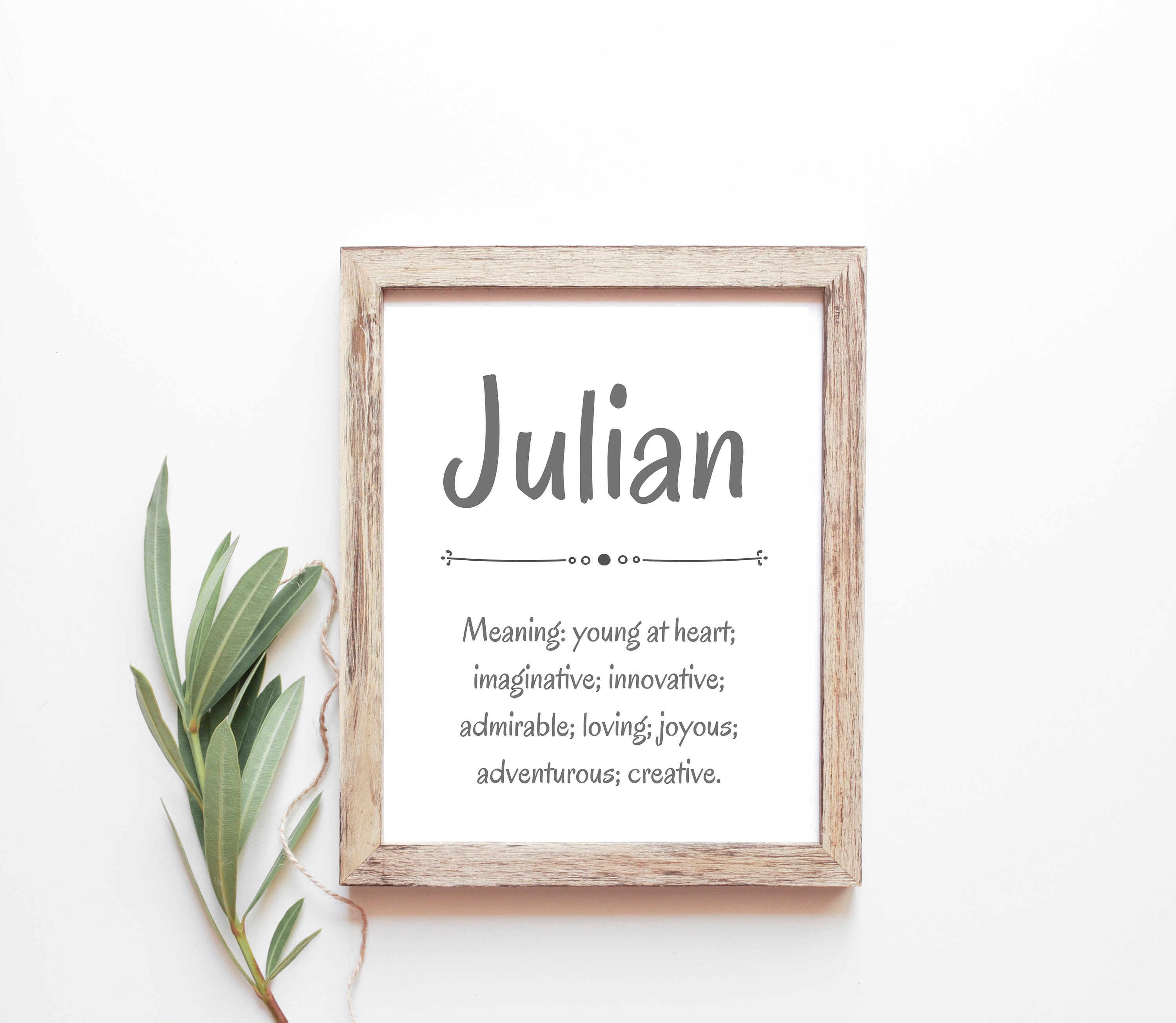
In conclusion, the meaning of the name Julian in the context of branding is a blend of Roman strength, phonetic grace, and timeless sophistication. It is a name that tells a story of youth and vigor (from its meaning “downy-bearded”) while simultaneously commanding the respect of an ancient lineage. For any brand strategist, the “Julian” model serves as a reminder that the best names are those that can hold the weight of history while moving gracefully into the future.
aViewFromTheCave is a participant in the Amazon Services LLC Associates Program, an affiliate advertising program designed to provide a means for sites to earn advertising fees by advertising and linking to Amazon.com. Amazon, the Amazon logo, AmazonSupply, and the AmazonSupply logo are trademarks of Amazon.com, Inc. or its affiliates. As an Amazon Associate we earn affiliate commissions from qualifying purchases.