
In the landscape of modern technology, the word “measurable” has evolved from a simple descriptive adjective into a foundational philosophy. Whether we are discussing the efficiency of a cloud computing architecture, the accuracy of a generative AI model, or the performance of a software engineering team, “measurability” is the yardstick by which innovation is judged. At its core, to be measurable in a tech context means to be quantifiable, verifiable, and actionable. Without measurement, technology remains in the realm of theory; with it, technology becomes a tool for optimization and growth.
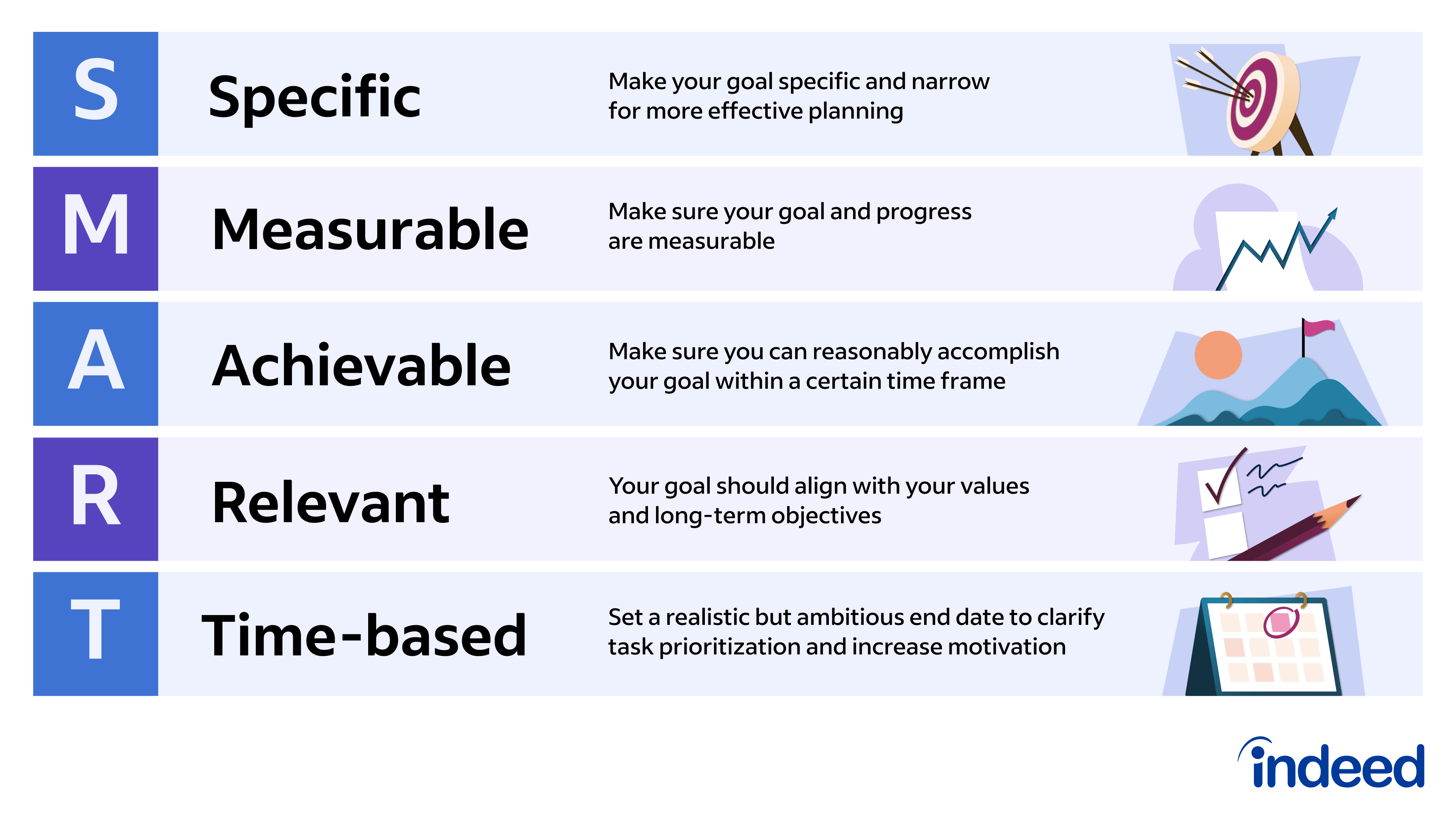
As we navigate an era defined by Big Data and high-speed processing, understanding what “measurable” truly means is essential for developers, CTOs, and tech enthusiasts alike. It is no longer enough to claim a system is “fast” or “intelligent.” In today’s ecosystem, we must define exactly how fast, how accurate, and at what cost.
The Foundation of Measurability in Software Development
In the realm of software engineering, measurability is the bridge between a functional prototype and a production-ready product. It involves the systematic collection of data points that reflect the health, stability, and efficiency of an application. When we ask what measurable means here, we are looking at the telemetry that allows a system to “speak” to its creators.
Quantitative vs. Qualitative Metrics in Tech
The first step in understanding measurability is distinguishing between quantitative and qualitative data. Quantitative metrics are the “hard numbers”—response times in milliseconds, the number of requests handled per second (throughput), or the percentage of uptime (the “nine’s” of availability). These are objective and easily graphed.
Qualitative metrics, on the other hand, are often harder to measure but equally important. They include things like “developer experience” or “code maintainability.” To make these measurable, tech organizations often use proxy metrics, such as the time it takes for a new developer to make their first commit (onboarding velocity) or the frequency of code refactors. By assigning numbers to subjective experiences, tech leaders can transform vague feelings into actionable data.
The Role of Telemetry and Logging
For a piece of software to be measurable, it must be observable. Telemetry is the automated process by which data is collected at remote points and transmitted to receiving equipment for monitoring. In modern microservices architectures, this involves logging every interaction, tracing requests across different services, and monitoring resource consumption.
A “measurable” system is one where a developer can pinpoint the exact line of code causing a bottleneck. This is achieved through Distributed Tracing and Structured Logging. Without these tools, “measurable” remains an abstract concept, and debugging becomes a game of guesswork rather than a data-driven science.
Measurability in the Age of Artificial Intelligence
The rise of Artificial Intelligence (AI) and Machine Learning (ML) has brought a new set of challenges to the definition of “measurable.” Unlike traditional software, where an input consistently produces a specific output, AI models are probabilistic. Therefore, measurability in AI focuses on statistical confidence and performance benchmarks.
Benchmarking Large Language Models (LLMs)
When we ask if an AI is “good,” we are asking for a measurable comparison against a benchmark. In the tech industry, we use specific datasets like MMLU (Massive Multitask Language Understanding) or HumanEval to measure how well a model performs tasks compared to its predecessors or competitors.
Measurability here also extends to “tokens per second” (inference speed) and “context window size.” For an enterprise deploying an AI tool, measurability means calculating the “hallucination rate”—the frequency at which the AI provides false information. If you cannot measure the error rate, you cannot safely deploy the technology.
Precision, Recall, and F1 Scores: The Tech Standard
In machine learning, the word “measurable” is often synonymous with the confusion matrix. To understand if a model is performing well, data scientists use three specific metrics:
- Precision: Of all the instances the model labeled as positive, how many were actually positive?
- Recall: Of all the actual positive instances, how many did the model correctly identify?
- F1 Score: The harmonic mean of precision and recall, providing a single measurable score for the model’s accuracy.
These metrics illustrate that “measurable” doesn’t just mean “counting things.” It means applying rigorous mathematical frameworks to understand the nuances of technical performance.
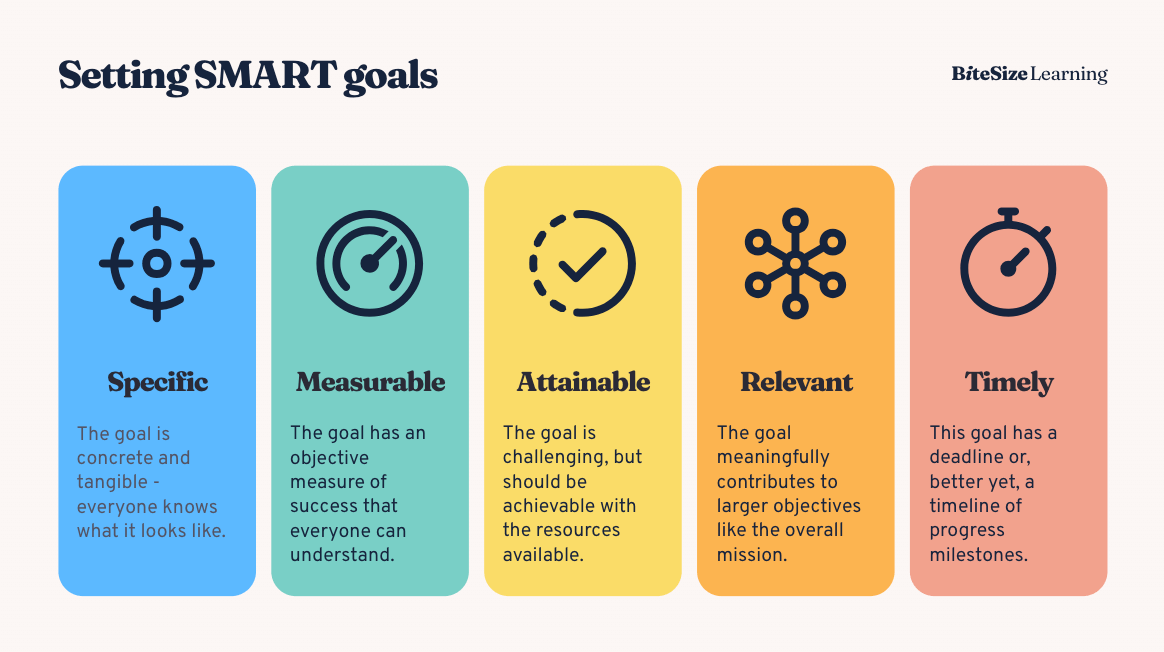
Data-Driven Decision Making: Why Metrics Matter for Scalability
For a technology company, measurability is the key to scalability. You cannot scale what you cannot measure. As a startup grows into a global platform, its ability to handle increased load depends on its mastery of performance metrics.
Performance Monitoring and Latency
In the tech world, “measurable” often refers to the “Golden Signals” of monitoring: Latency, Traffic, Errors, and Saturation.
- Latency: The time it takes for a service to respond. A “measurable” improvement might be reducing P99 latency (the latency experienced by the slowest 1% of users) from 500ms to 200ms.
- Saturation: A measure of how “full” your service is. If your CPU usage is at 90%, it is a measurable indicator that you need to scale your infrastructure horizontally or vertically.
By keeping these signals measurable, DevOps teams can implement “Autoscaling,” where the system automatically adds resources based on real-time data. This is the epitome of measurability leading to technical efficiency.
User Experience (UX) Analytics
While UX might seem like a “soft” science, tech companies have made it intensely measurable through Core Web Vitals and product analytics. “Largest Contentful Paint” (LCP) and “Cumulative Layout Shift” (CLS) are measurable technical standards set by Google to quantify how a user perceives the speed and stability of a website.
Furthermore, tools like Mixpanel or Amplitude allow companies to measure “User Friction.” By tracking the “drop-off rate” in a sign-up flow, developers can see exactly where a technical hurdle is preventing user conversion. In this context, measurable means transforming human behavior into a heat map of technical optimization.
The Pitfalls of Over-Measurement in Tech
While the drive to make everything measurable is generally positive, it comes with risks. In the tech industry, we must be careful not to fall into the trap of measuring the wrong things or over-relying on data that doesn’t tell the whole story.
Vanity Metrics vs. Actionable Insights
A common mistake in tech is focusing on “vanity metrics”—numbers that look good on a dashboard but don’t correlate with actual success. For a mobile app, “Total Downloads” is often a vanity metric. A more “measurable” and meaningful metric would be “Daily Active Users” (DAU) or “Retention Rate.”
The tech industry is increasingly shifting toward “Actionable Metrics.” An actionable metric is one that, when it changes, tells you exactly what you need to do. For example, if your “Build Failure Rate” spikes, it is a measurable signal that there is an issue with your Continuous Integration (CI) pipeline.
Goodhart’s Law and the Human Element
In technical management, we often encounter Goodhart’s Law: “When a measure becomes a target, it ceases to be a good measure.” If a software team is measured solely by the number of lines of code they write, they will write bloated, inefficient code. If they are measured solely by the number of bugs they close, they might focus on easy fixes while ignoring complex, systemic issues.
True measurability requires context. It involves selecting KPIs (Key Performance Indicators) that encourage high-quality technical output rather than just high-volume output. It means understanding that while “measurable” is powerful, it must be balanced with technical intuition and long-term architectural health.
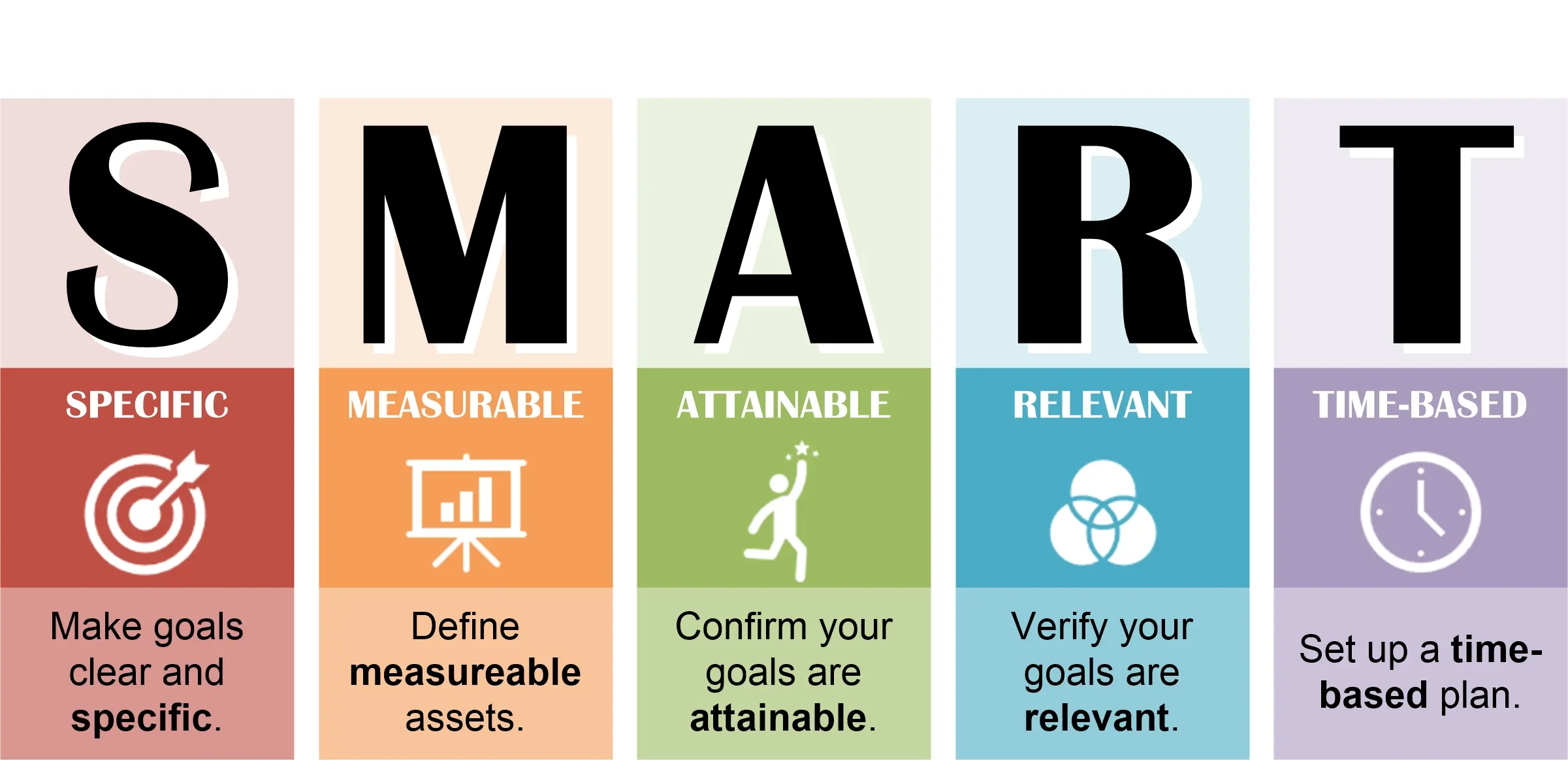
Conclusion: The Future of Measurability
What does measurable mean? In the tech world, it means the end of “gut feeling” and the beginning of “data-driven evidence.” As we move toward more complex systems—quantum computing, edge AI, and decentralized webs—the ability to measure performance will be the only way to manage complexity.
To be measurable is to be transparent. It allows engineers to prove their systems work, allows businesses to justify their tech spend, and allows users to enjoy faster, more reliable digital experiences. As technology continues to permeate every aspect of our lives, the mandate for measurability will only grow stronger. We must continue to refine our tools, our math, and our philosophies to ensure that as our systems become more powerful, they also remain more measurable, more understandable, and ultimately, more human-centric.
aViewFromTheCave is a participant in the Amazon Services LLC Associates Program, an affiliate advertising program designed to provide a means for sites to earn advertising fees by advertising and linking to Amazon.com. Amazon, the Amazon logo, AmazonSupply, and the AmazonSupply logo are trademarks of Amazon.com, Inc. or its affiliates. As an Amazon Associate we earn affiliate commissions from qualifying purchases.