
In the competitive landscape of modern commerce, color is never just an aesthetic choice; it is a silent language that communicates values, aspirations, and market positioning. When we ask, “What does it mean if your favorite color is purple?” within the context of brand strategy and corporate identity, we are exploring one of the most complex and evocative tools in a designer’s arsenal.
Purple occupies a unique space in the visual spectrum, sitting at the intersection of the stability of blue and the energy of red. For a brand, choosing purple is a deliberate move away from the “safe” corporate blues and “aggressive” retail reds. It signals a departure from the mundane and an embrace of the extraordinary. This article examines how purple functions as a cornerstone of brand identity, influencing consumer perception through luxury, creativity, and strategic differentiation.

The Psychology of Purple in Brand Strategy
To understand why a brand or a strategist would favor purple, one must first understand its historical and psychological weight. Unlike colors that occur abundantly in nature—such as green or blue—purple was historically difficult and expensive to produce. This rarity has hard-coded a specific set of responses into the human subconscious.
Historical Associations: From Royalty to High-End Markets
For centuries, purple was synonymous with the elite. “Tyrian purple,” derived from sea snails, was so costly that it was often reserved by law for emperors and monarchs. In contemporary branding, this historical baggage translates directly into “premium” positioning. When a brand adopts purple as its primary identity, it is tapping into an ancient lineage of exclusivity. This is why we see purple frequently utilized in sectors where “prestige” is the primary selling point, such as high-end confectionery, luxury skincare, and premium financial services.
Evoking Emotional Responses: Wisdom, Mystery, and Creativity
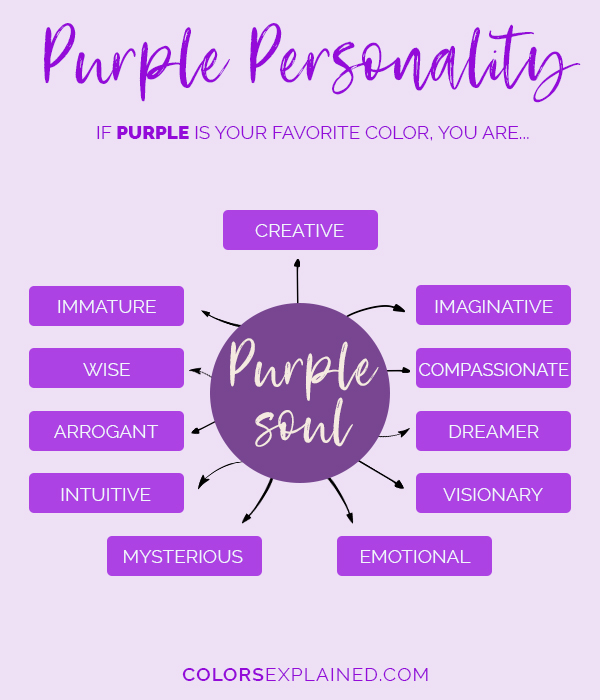
Beyond wealth, purple evokes deep psychological traits including wisdom, mystery, and spiritual fulfillment. In the realm of personal branding and creative agencies, favoring purple suggests an “out-of-the-box” thinker. It is the color of the visionary. While blue says, “I am reliable,” purple says, “I am insightful.” Brands that want to be perceived as thought leaders or innovators often utilize deep violets to suggest a depth of knowledge that their competitors might lack.
Designing for Influence: When Brands Choose Purple
In a crowded marketplace, the primary goal of brand identity is differentiation. If your favorite color is purple in a professional capacity, you are likely looking for a way to disrupt the visual status quo. Purple is the ultimate tool for “the disruptor.”
The “Disruptor” Effect: Breaking the Red and Blue Monotony
Walk through any tech hub or financial district, and you will be met with a sea of navy blue. Blue represents trust and stability, but it also represents the establishment. For a startup or a brand looking to challenge the current leaders, purple offers a perfect middle ground. It maintains a level of professional coolness (inherited from blue) but adds a layer of rebellious energy (inherited from red). This “Purple Cow” strategy—a term popularized by Seth Godin—emphasizes the importance of being remarkable. Purple is, by its very nature, remarkable because it is used less frequently than its primary counterparts.
Case Studies: From FedEx to Twitch and Cadbury
Looking at global leaders who have embraced purple provides a masterclass in strategic design:
- FedEx: By pairing purple with orange, FedEx balances the professional reliability of the violet hue with the speed and action of orange. Here, purple provides the “anchor” for the brand’s identity.
- Twitch: As a platform built on community and “new media,” Twitch uses a vibrant, digital-native purple. This choice distinguishes it from traditional social media giants (Facebook/Twitter) and signals a space for creativity and subculture.
- Cadbury: The “Cadbury Purple” (Pantone 2685C) is so integral to their brand that it has been the subject of numerous legal battles. For Cadbury, purple signifies indulgence and a “royal” treat, elevating a low-cost consumer good into a luxury experience.
Strategic Implementation: Using Purple to Build a Personal and Corporate Brand
Choosing purple as a favorite brand color requires a nuanced understanding of color theory. Because purple can range from a light, whimsical lavender to a dark, somber plum, the specific shade chosen can radically alter the brand’s message.
Balancing Sophistication with Accessibility
One of the risks of using purple is appearing “unreachable” or overly eccentric. To mitigate this, brand strategists often use purple in conjunction with neutral tones. A deep royal purple paired with gold or silver communicates “ultra-luxury,” whereas the same purple paired with white or light gray communicates “modern sophistication.” For personal branding, wearing or using purple accents can signal that an individual is creative and confident without being as overbearing as someone clad entirely in red.
Secondary Palettes: Creating High-Contrast Visual Narratives
The effectiveness of purple is often determined by its surrounding colors.
- Purple and Yellow: As complementary colors, this pairing offers the highest visual contrast. It is often used in sports (e.g., the LA Lakers) and retail to grab immediate attention while maintaining a sense of prestige.
- Purple and Green: This evokes a sense of “prestige-naturalism.” It is a favorite for high-end organic brands that want to move away from the “earthy/crunchy” look and toward a “luxury/wellness” aesthetic.
- Monochromatic Violets: Using various shades of purple creates a sense of harmony and depth, often used in software UI/UX to create a focused, immersive environment.
Purple as a Digital-First Identity: UI/UX and Contemporary Marketing
In the digital age, the meaning of purple has shifted slightly toward the “cyber” and the “futuristic.” As screens become our primary medium for brand interaction, the way purple renders in pixels has given it a new lease on life.
The Rise of “Cyber-Purple” in Tech and Software Branding
Neon purples and magentas are the hallmarks of the “SaaS” (Software as a Service) and “Web3” eras. Because these colors do not exist easily in traditional printing (CMYK) but pop brilliantly on digital screens (RGB), they have become the shorthand for “future-facing technology.” If a tech brand’s favorite color is a vibrant digital purple, they are signaling that they are born of the internet, optimized for the cloud, and unburdened by legacy systems.
Conversion and User Retention: The Impact of Color on Consumer Trust
Data in conversion rate optimization (CRO) suggests that while blue is the most “trusted” color globally, purple is highly effective for “niche” conversions. It appeals particularly well to audiences looking for unique solutions or personalized experiences. In mobile app design, purple is often used for “Premium” or “Pro” upgrade buttons. This is a subtle psychological nudge: the user is moving from the standard (often blue or gray) experience to the “royal” (purple) experience.

Conclusion: The Strategic Power of the Purple Choice
So, what does it mean if your favorite color is purple? In the world of branding and corporate identity, it means you are making a choice to be seen as a leader rather than a follower. It means you value the intersection of tradition (luxury/royalty) and the future (innovation/creativity).
Purple is a high-risk, high-reward color. When used poorly, it can appear gaudy or out of touch. However, when applied with a clear understanding of market psychology and visual hierarchy, it becomes a powerful asset. It allows a brand to claim a space of “sophisticated rebellion,” signaling to the consumer that they are engaging with something that is not just a product, but an experience. Whether you are building a personal brand or a multi-national corporation, embracing purple is a testament to an identity rooted in confidence, intelligence, and an uncompromising desire to stand out.
aViewFromTheCave is a participant in the Amazon Services LLC Associates Program, an affiliate advertising program designed to provide a means for sites to earn advertising fees by advertising and linking to Amazon.com. Amazon, the Amazon logo, AmazonSupply, and the AmazonSupply logo are trademarks of Amazon.com, Inc. or its affiliates. As an Amazon Associate we earn affiliate commissions from qualifying purchases.