
In the world of marketing and corporate identity, storytelling is often cited as the ultimate tool for engagement. However, few narratives have managed to reshape a collective national identity as effectively as the 1994 cinematic masterpiece, Forrest Gump. While the film is a fictional journey through mid-20th-century America, its portrayal of the Vietnam War serves as a profound case study in brand management, narrative filtering, and the power of personal branding.
When we ask, “What does Forrest Gump say about Vietnam?” through the lens of brand strategy, we aren’t just looking at historical accuracy. Instead, we are examining how a brand—in this case, the “American Brand”—navigates its most polarizing moments to maintain a cohesive, resilient identity. By analyzing the film’s depiction of the conflict, we can extract vital lessons on how organizations can handle crisis, maintain authenticity, and build a legacy that transcends their most difficult chapters.

The Power of Narrative Identity: Rebranding the Vietnam War
For any corporate entity, a crisis can define its future. For the United States, the Vietnam War was a branding nightmare that fractured the domestic market and damaged international prestige. Forrest Gump serves as a retrospective rebranding exercise, teaching us how the narrative “frame” determines public perception.
Softening the Edges of History
In brand strategy, “framing” is the process of highlighting specific aspects of a product or event while downplaying others to create a desired sentiment. The Vietnam depicted in the film is chaotic and dangerous, yet it is viewed through the eyes of an optimist. By filtering the war through Forrest’s perspective, the film rebrands a complex geopolitical failure into a series of personal triumphs and tragedies. For brands, this highlights the importance of the “POV” (Point of View). When a company faces a setback, the narrative focus shouldn’t necessarily be on the mechanics of the failure, but on the human resilience and the values upheld during the struggle.
The “Innocent Observer” as a Brand Archetype
Forrest Gump functions as a “brand archetype”—specifically, The Innocent. In marketing, The Innocent archetype promises simplicity, honesty, and a return to core values. By placing an innocent character in the middle of a cynical war, the film allows the audience to re-engage with the “American Brand” without the baggage of political guilt. This is a masterclass in brand repositioning. It suggests that even in a toxic environment, a brand can maintain its integrity if its core “mission statement”—in Forrest’s case, “doing what is right”—remains unchanged.
Emotional Resonance and Personal Branding: The Forrest Gump Effect
The character of Forrest Gump is a lesson in personal branding. Amidst the cultural upheaval of the Vietnam era, Forrest remains a consistent, recognizable “product.” His journey through the jungle and his subsequent return home provide deep insights into how consistency builds brand equity.
Consistency as a Core Brand Value
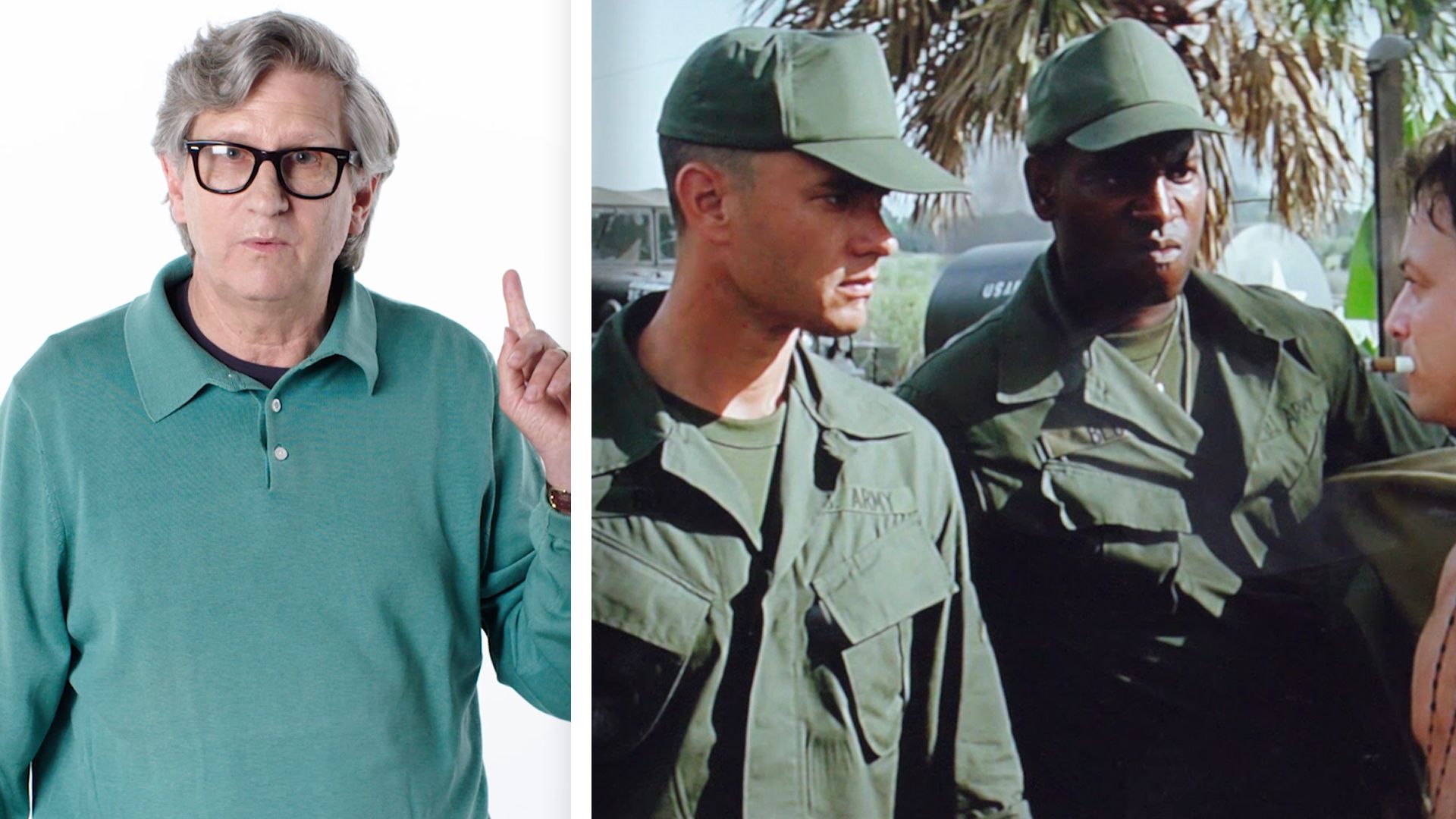
Throughout his time in Vietnam, Forrest does not change. While characters around him, like Lieutenant Dan, suffer a complete “brand dissolution” (losing their sense of identity and purpose), Forrest remains steadfast. In brand management, consistency is the bedrock of trust. Whether he is under fire in the Mekong Delta or receiving the Medal of Honor, Forrest’s “brand voice” remains humble, direct, and reliable. For modern leaders and personal brands, this illustrates that the key to surviving a volatile market is not constant adaptation to trends, but the unwavering commitment to a core identity.
Authenticity in the Face of Conflict
Authenticity is the most sought-after trait in modern marketing. Forrest Gump’s depiction of the Vietnam War resonates because the protagonist lacks a hidden agenda. He isn’t there for glory or political gain; he is there because he was told to be, and he survives because he cares for his “team” (Bubba and Lieutenant Dan). This “people-first” approach is a fundamental tenet of corporate social responsibility (CSR). A brand that prioritizes its people and its values over optics—especially during a “war” or high-stress period—eventually earns the highest level of consumer loyalty.
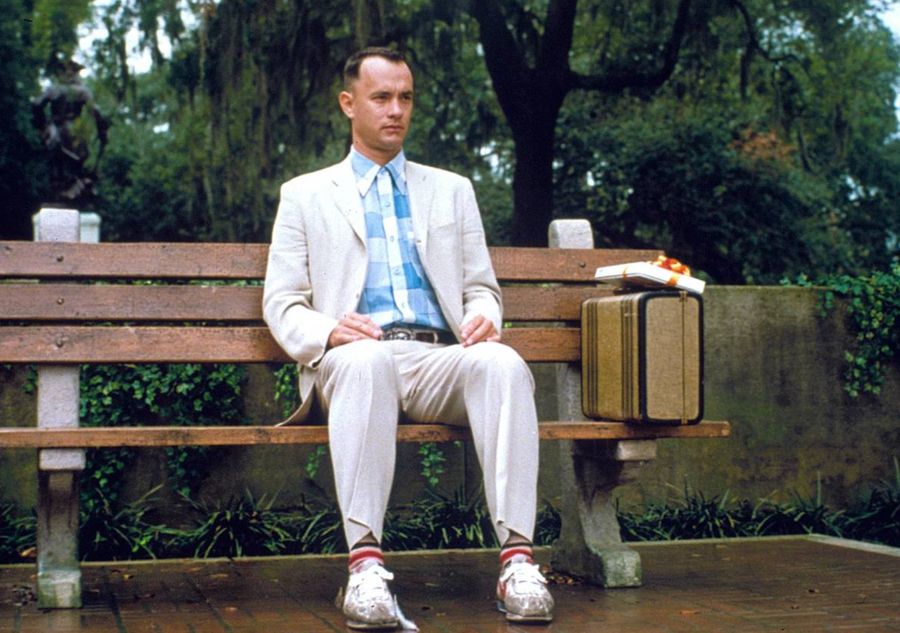
Corporate Legacy and Symbolic Branding: From the Jungle to Bubba Gump Shrimp
One of the most significant branding outcomes of the film’s Vietnam narrative is the creation of the “Bubba Gump” brand. This transition from a theater of war to a global business enterprise provides a roadmap for turning shared trauma into a shared legacy.
Leveraging Loss into Brand Purpose
The promise Forrest makes to Bubba in the trenches of Vietnam is the ultimate “brand promise.” It is a commitment made under the most dire circumstances that eventually forms the basis of a multi-million dollar business. In the world of corporate identity, purpose-driven brands are significantly more successful than those driven solely by profit. The Bubba Gump Shrimp Co. is a brand built on a legacy of friendship and loss, giving it an emotional depth that competitors cannot replicate. It teaches us that the most powerful brands are often born from a “Why” that is deeply personal and rooted in real-world experience.
The Resilience of the “Everyman” Brand
The film’s portrayal of the Vietnam veteran experience is wide-ranging, but Forrest’s success story emphasizes the “Everyman” brand archetype. Unlike Lieutenant Dan, who represents the brand in crisis (damaged, cynical, and detached), Forrest represents the brand’s potential for recovery. By focusing on his post-war entrepreneurial success, the narrative suggests that a brand’s past—no matter how turbulent—does not dictate its future. This is essential for corporate turnarounds; the ability to pivot from a period of conflict to a period of productivity is the hallmark of a resilient identity.
Modern Marketing Lessons from Forrest’s Vietnam Journey
Beyond the character arcs, the way Forrest Gump was produced and marketed offers its own set of technological and strategic lessons that apply to the modern digital landscape.
Visual Storytelling and Technological Innovation
The film famously used groundbreaking CGI to insert Forrest into historical footage of the Vietnam era and meetings with presidents. From a branding perspective, this was a revolutionary use of “content integration.” It showed how technology could be used to weave a brand (Forrest) into the fabric of existing historical narratives to gain instant credibility and “heritage.” Today, brands use similar techniques through influencer marketing and immersive digital experiences to place their “brand story” within the context of their customers’ lives.
Building a Community through Shared Experience
Forrest Gump’s take on Vietnam was successful because it provided a space for a divided nation to find common ground. It didn’t take a political side; instead, it focused on the universal human experiences of fear, bravery, and friendship. In brand strategy, this is known as “community building through shared values.” A brand that tries to appeal to everyone by being everything often fails. However, a brand that appeals to universal human emotions can transcend demographic and political divides. Forrest Gump’s Vietnam is not a history lesson; it is a bridge used to reconnect a fragmented audience to a central narrative.
Conclusion: The Lasting Brand Identity of an Innocent
What Forrest Gump ultimately says about Vietnam is that the “brand of a person” or the “brand of a nation” is defined by its heart, not its hardships. Through the lens of brand strategy, the film is an exercise in reclaiming a narrative. It demonstrates that even the most controversial and painful chapters of a story can be integrated into a larger, positive brand identity if handled with authenticity, consistency, and a focus on human connection.
For modern marketers, designers, and corporate strategists, the lesson is clear: your “Vietnam”—your period of greatest struggle—is where your brand’s true character is forged. If you remain true to your core values, prioritize your people, and maintain a consistent voice, you can emerge from the jungle of market volatility to build a legacy that lasts for generations. Like the feather that drifts through the film’s opening and closing scenes, a brand may be subject to the winds of change, but its “essence” is what determines where it eventually lands.
aViewFromTheCave is a participant in the Amazon Services LLC Associates Program, an affiliate advertising program designed to provide a means for sites to earn advertising fees by advertising and linking to Amazon.com. Amazon, the Amazon logo, AmazonSupply, and the AmazonSupply logo are trademarks of Amazon.com, Inc. or its affiliates. As an Amazon Associate we earn affiliate commissions from qualifying purchases.