
In the sophisticated ecosystem of Magic: The Gathering (MTG), game mechanics serve as the foundational code that dictates how players interact with the environment and each other. Among these mechanics, “Flash” stands out as one of the most transformative keywords in the game’s history. From a technical design perspective, Flash is more than just a rule; it is a fundamental shift in the temporal logic of the game’s architecture. It allows players to bypass the standard sequential constraints of their turns, introducing a layer of “instant-speed” interactivity that mimics real-time processing within a turn-based framework.
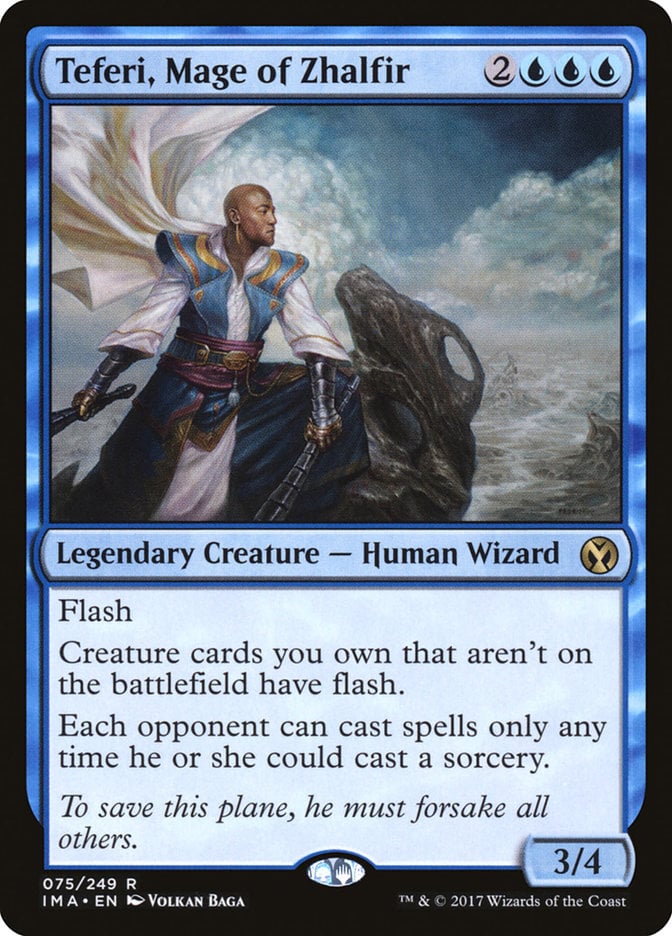
This article explores the technical nuances of Flash, how it interacts with the game’s “Stack” architecture, and its implications for both physical play and digital software implementation in platforms like MTG Arena.
The Technical Framework of Flash: Breaking the Sequential Loop
In the standard operating procedure of Magic: The Gathering, most spells—specifically creatures, sorceries, artifacts, and enchantments—are restricted to “sorcery speed.” In programming terms, this is a synchronous execution that can only occur during a player’s main phase when the “stack” (the game’s memory of pending actions) is empty. Flash acts as a modifier to these permissions, granting a card the ability to be played at any time the player has “priority.”
Defining the Flash Keyword
The formal definition of Flash is: “You may play this card any time you could cast an instant.” By adding this simple line of code to a permanent card, the developers effectively change its classification within the game’s timing engine. It allows a creature or enchantment to enter the battlefield as a reactive measure rather than a proactive one.
The Stack and Priority Logic
To understand Flash, one must understand the Stack—a First-In, Last-Out (FILO) data structure used to resolve spells and abilities. Normally, non-instant spells cannot be placed on the stack unless the active player is in their main phase. Flash bypasses this “if/then” check. When a player has a card with Flash, the game engine recognizes it as a valid action during the opponent’s turn, during the combat phase, or even in response to another spell. This creates a more dynamic “runtime” for the game, where the state can change at a moment’s notice.
The Evolution of the Mechanic
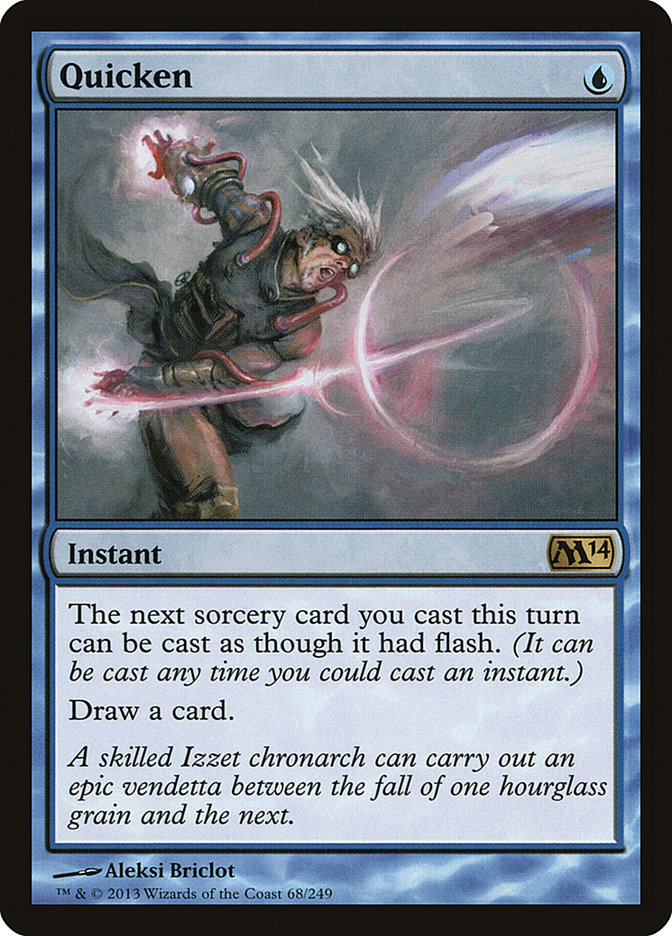
Historically, Flash was not always a keyword. In the early days of MTG design, cards simply stated, “You may play [this card] as though it were an instant.” As the game’s “UI” (the physical cards) evolved, the need for shorthand led to the “Flash” keyword in the Time Spiral expansion. This move toward modular keyword design is a classic example of “tech debt” reduction in game design, simplifying complex instructions into a single, recognizable term.
Flash in Digital Systems: UI/UX Challenges in MTG Arena
The transition of Magic: The Gathering from a tabletop experience to a digital one (MTG Arena and Magic Online) highlighted the technical complexity of the Flash mechanic. In a digital environment, the software must constantly check for “legal moves” to determine if it should pause the game and give a player the opportunity to act.
Automated Priority and Latency
In digital card games, “pacing” is a critical UX factor. If the software paused every time a player had a land to play, the game would be unplayably slow. However, if a player has a card with Flash in their hand, the game engine must recognize this as a “stop” condition. The software’s logic must constantly scan the player’s hand and available mana (resources) to decide whether to pass priority automatically or wait for player input.
The “Tell” in Digital Logic
One of the most interesting intersections of tech and strategy is the “digital tell.” In MTG Arena, if the game pauses during an opponent’s turn, the software is essentially revealing that the opponent has a “playable” in hand—often a card with Flash or an Instant. To counter this, advanced players use “Full Control Mode,” a manual override that forces the software to pause at every possible priority window, effectively masking their hand’s contents by simulating the presence of Flash cards.
Visual Cues and Interface Design
From a design perspective, Flash cards are often highlighted with a specific visual glow in digital clients. This is a UI affordance that signals to the player that their “actionable window” is open. This real-time feedback is crucial for maintaining the flow of a game that has thousands of potential interactions at any given moment.
Strategic Architecture: How Flash Redefines the Meta
Beyond the technical implementation, Flash serves as a critical tool for “Information Asymmetry.” In competitive gaming, the more information you can keep hidden from your opponent, the higher your “win rate” potential. Flash is the ultimate tool for maintaining a “hidden state.”
The “Draw-Go” Playstyle
Flash is the backbone of the “Draw-Go” archetype, a strategy where a player performs almost no actions during their own turn. Instead, they pass the turn with all their resources (mana) available. This forces the opponent to play into an “unknown environment.” If the opponent plays a threat, the Flash player can respond with a creature or a counterspell. If the opponent plays nothing, the Flash player can use their resources at the end of the opponent’s turn to advance their own board state.
Combat Manipulation and Ambush Mechanics
Flash creatures are often referred to as “Ambush” creatures. In the game’s combat logic, attackers are declared before blockers. A creature with Flash can be cast after attackers are declared but before blockers are chosen. This allows a player to “generate” a blocker out of thin air, potentially destroying an attacking creature that the opponent thought was safe. This interaction creates a high-stakes tactical layer that requires players to calculate “risk-adjusted value” before every attack.
Synergy with “Enter the Battlefield” (ETB) Triggers
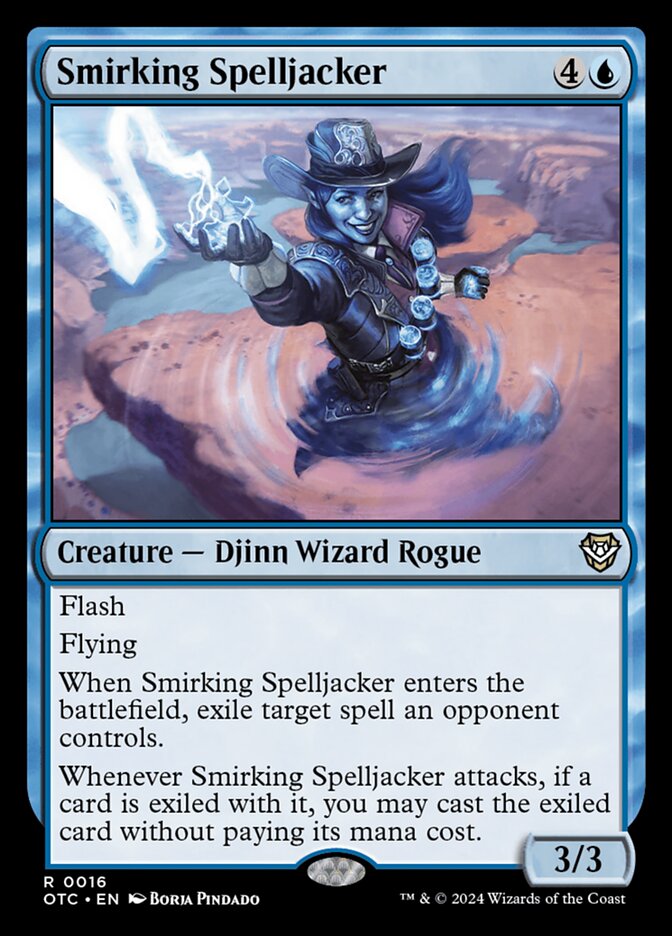
The technical power of Flash is amplified when combined with “Enter the Battlefield” triggers. If a creature has an ability that triggers when it appears, having Flash allows that ability to function like a reactive spell. For example, a creature that “exiles a spell when it enters” effectively becomes a counterspell that leaves a body behind. This “two-for-one” value is a cornerstone of efficient game design and high-level competitive play.
The Future of Reactive Design in Gaming Technology
As we look at the broader landscape of gaming technology, the Flash mechanic represents a successful implementation of “interruption logic.” Many modern digital-first card games, such as Hearthstone, opted to remove this type of interactivity to simplify the mobile user experience. However, the enduring popularity of MTG suggests that players value the technical depth that Flash provides.
Porting Complexity to Mobile
As MTG Arena expanded to mobile devices, the challenge of managing Flash and priority became even more acute. Managing a complex “stack” of five or six spells on a five-inch screen requires a highly optimized UI. The solution involved “smart-stacking” and gesture-based priority passing, demonstrating how legacy game mechanics can drive innovation in mobile interface design.
Flash as a Balance Tool
Game designers use Flash as a “tuning knob” for game balance. If a certain strategy becomes too dominant because it is too fast or too difficult to interact with, designers can introduce Flash-based answers. This allows for a “self-correcting” meta-game where players have the technical tools to respond to any threat, provided they have the mana and the timing.
Conclusion: The Procedural Brilliance of Flash
“Flash” in Magic: The Gathering is far more than a simple keyword; it is a sophisticated piece of game logic that allows for a non-linear experience in a linear turn-based system. It challenges developers to create robust digital architectures capable of handling near-instantaneous priority shifts and provides players with a deep, strategic toolkit for outmaneuvering opponents.
From its origins as a clunky sentence on a cardboard card to its current status as a highlighted, glow-effect trigger in a high-speed digital client, Flash exemplifies the evolution of game technology. It proves that even in a game nearly 30 years old, the clever manipulation of “timing” and “priority” can create an infinitely complex and engaging experience. For any student of game design or technology, the Flash mechanic is a masterclass in how to implement reactive systems within a structured framework.
aViewFromTheCave is a participant in the Amazon Services LLC Associates Program, an affiliate advertising program designed to provide a means for sites to earn advertising fees by advertising and linking to Amazon.com. Amazon, the Amazon logo, AmazonSupply, and the AmazonSupply logo are trademarks of Amazon.com, Inc. or its affiliates. As an Amazon Associate we earn affiliate commissions from qualifying purchases.