
Securing a business loan is often the pivotal moment between a company’s current state and its next phase of exponential growth. Whether you are looking to bridge a temporary cash flow gap, invest in new equipment, or expand into international markets, understanding the mechanics of business finance is essential. However, the path to funding is rarely a straight line. It requires a strategic blend of meticulous preparation, a deep understanding of the lending landscape, and a clear-cut financial roadmap. This guide explores the multifaceted process of obtaining a business loan, ensuring that your enterprise is positioned as a low-risk, high-reward opportunity for potential lenders.
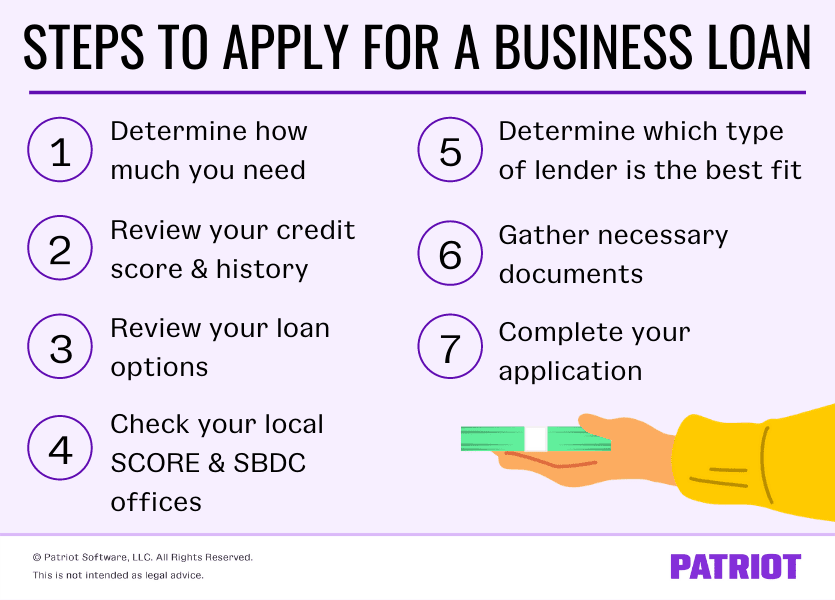
Determining Your Funding Requirements and Identifying Loan Types
Before approaching a lender, you must have a crystalline understanding of why you need the capital and what specific financial instrument best suits your business model. Not all debt is created equal, and the “how” of getting a loan starts with the “what” and “why.”
Term Loans and Lines of Credit
The most traditional form of financing is the term loan. This involves receiving a lump sum of capital upfront, which is then repaid over a set period with a fixed or variable interest rate. Term loans are ideal for specific, one-time investments like purchasing real estate or acquiring another business.
In contrast, a business line of credit offers more flexibility. It functions similarly to a credit card; you are approved for a maximum amount and can draw from it as needed. You only pay interest on the amount you actually use. This is the preferred tool for managing seasonal fluctuations in cash flow or covering unexpected operational expenses.
SBA Loans: The Gold Standard of Small Business Finance
The U.S. Small Business Administration (SBA) does not lend money directly to business owners. Instead, it provides guarantees to lenders, reducing their risk and allowing them to offer more favorable terms to small businesses. The SBA 7(a) loan is the most popular, providing funds for working capital, debt refinancing, or equipment. The SBA 504 loan is specifically designed for fixed assets like land and machinery. While the application process for SBA loans is rigorous and time-consuming, the low interest rates and long repayment terms make them highly sought after.
Specialized Financing: Equipment and Invoice Factoring
If your need for capital is tied to specific assets, specialized financing might be the path of least resistance. Equipment financing uses the equipment itself as collateral, often allowing for quicker approval and lower down payments. For businesses struggling with long payment cycles from B2B clients, invoice factoring allows you to sell your accounts receivable to a third party at a discount. This provides immediate liquidity without the burden of traditional monthly debt payments.
Preparing Your Financial Profile for Scrutiny
Lenders are essentially risk managers. To get a “yes,” you must prove that your business is capable of generating enough revenue to service the debt while maintaining operational stability. This preparation phase is the most critical step in the “how can I get a business loan” journey.
Evaluating Your Creditworthiness: Personal and Business Scores
For many small business owners, personal credit remains a deciding factor. Lenders look at your personal FICO score to gauge your historical responsibility with debt. Ideally, a score above 680 is required for traditional bank loans, while SBA loans often look for 700+.
Simultaneously, you must monitor your business credit score (maintained by bureaus like Dun & Bradstreet, Experian, and Equifax). Unlike personal credit, business credit is built by formalizing your business entity, obtaining a D-U-N-S number, and ensuring that your vendors report your on-time payments. A strong business credit profile allows you to access larger loan amounts and lower interest rates.
Organizing Financial Statements and Documentation
The “paperwork” phase is where many applications stall. Professionalism in your financial reporting signals to a lender that you have a firm grip on your operations. At a minimum, you will need:
- Profit and Loss (P&L) Statements: Showing your revenue, expenses, and net income over the last three years.
- Balance Sheets: Providing a snapshot of your assets, liabilities, and equity.
- Cash Flow Statements: Demonstrating how money moves in and out of your business—crucial for proving you can make monthly loan payments.
- Tax Returns: Usually, the last two to three years of both personal and business returns are required to verify the income stated on your P&L.
Developing a Compelling Business Plan
A business loan isn’t just about the numbers; it’s about the narrative. Your business plan should clearly articulate how the loan will be used to generate additional revenue. If you are asking for $500,000 to open a new location, you must show the projected ROI of that location. Lenders want to see market analysis, competitive advantages, and a management team capable of executing the vision. A well-structured business plan transforms a “loan request” into a “growth partnership.”
Navigating the Lender Landscape

Once your documents are in order, you must choose the right “home” for your loan. The modern financial ecosystem offers a variety of avenues, ranging from centuries-old institutions to cutting-edge digital platforms.
Traditional Banks vs. Credit Unions
Traditional commercial banks (like Chase, Bank of America, or local community banks) offer the lowest interest rates but have the strictest eligibility criteria. They prefer businesses with strong collateral, several years of profitability, and high credit scores.
Credit unions, being member-owned cooperatives, often provide more personalized service and slightly more flexible terms than big-box banks. If you have an existing relationship with a local credit union, they may be more willing to look at the “character” of the borrower rather than just the raw data.
The Rise of Online Lenders and Fintech
The digital revolution has introduced “Fintech” lenders like OnDeck, Bluevine, and Funding Circle. These platforms prioritize speed and accessibility. Using advanced algorithms to analyze your bank data and accounting software, they can often provide an approval decision within hours and funding within days. The trade-off for this speed is higher interest rates and shorter repayment periods. Online lenders are excellent options for businesses that need capital quickly or those that fall just short of traditional banking requirements.
Alternative Funding: Grants and Crowdfunding
While not “loans” in the traditional sense, these options are vital for the modern entrepreneur. Grants (from government bodies or private foundations) provide non-dilutive capital that doesn’t need to be paid back, though they are highly competitive. Debt-based crowdfunding allows you to borrow small amounts from a large pool of individual investors, which can be an effective way to raise capital while building brand loyalty among your customer base.
The Application and Underwriting Process
Applying for a loan is more than just clicking a button; it is a multi-stage process that requires active engagement.
Submitting the Documentation and Initial Review
Once you submit your application, it goes through an initial screening. Lenders check for “knock-out” factors, such as recent bankruptcies, tax liens, or insufficient time in business. During this stage, accuracy is paramount. Even a small discrepancy between your tax returns and your application can lead to an immediate rejection.
The Underwriting Process Explained
If you pass the initial screening, your file moves to underwriting. An underwriter is a financial detective who verifies every detail of your application. They look at your Debt Service Coverage Ratio (DSCR)—a formula that compares your operating income to your total debt obligations. Most lenders look for a DSCR of 1.25 or higher, meaning you have $1.25 in income for every $1.00 of debt payment. They will also evaluate collateral, which are assets the lender can seize if you default.
Reviewing Terms and Closing the Deal
Upon approval, you will receive a loan commitment letter or a term sheet. This document outlines the interest rate, the repayment schedule, any origination fees, and the “covenants” (rules you must follow, such as maintaining a certain level of liquidity). It is essential to calculate the Annual Percentage Rate (APR), which includes both interest and fees, to understand the true cost of the capital. Once you sign the closing documents, the funds are typically wired to your business account.
Post-Funding Strategies: Managing Debt Wisely
The journey does not end when the money hits your bank account. In fact, the real work of financial management begins at this stage.
Maintaining Cash Flow for Repayment
Successful debt management requires a proactive approach to cash flow. Setting up automated payments ensures you never miss a deadline, which protects your business credit score. Furthermore, you should continue to monitor your financial statements monthly to ensure the capital is being deployed as planned and is generating the expected returns.
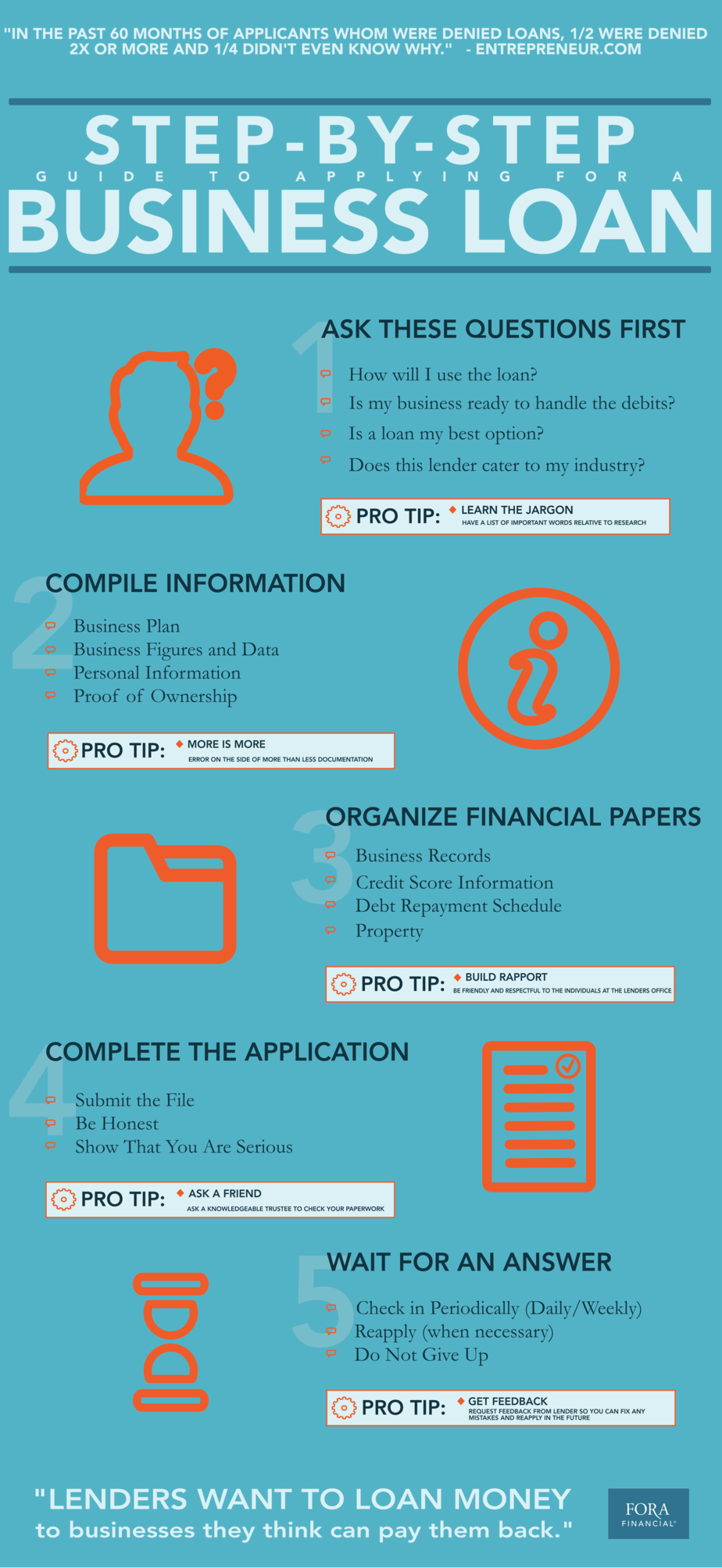
Building Credit for Future Scaling
A business loan is a tool for building a reputation. By paying back your first loan on time, you prove to the financial community that you are a reliable borrower. This opens the door to larger lines of credit, lower interest rates, and more complex financial products in the future. In the world of business finance, your history of repayment is your most valuable asset.
Getting a business loan is a rigorous process that demands transparency, preparation, and strategic thinking. By understanding the types of loans available, cleaning up your financial profile, and choosing the right lender, you can secure the capital necessary to turn your entrepreneurial vision into a sustainable, scalable reality. Writing your success story begins with a single, well-prepared loan application.
aViewFromTheCave is a participant in the Amazon Services LLC Associates Program, an affiliate advertising program designed to provide a means for sites to earn advertising fees by advertising and linking to Amazon.com. Amazon, the Amazon logo, AmazonSupply, and the AmazonSupply logo are trademarks of Amazon.com, Inc. or its affiliates. As an Amazon Associate we earn affiliate commissions from qualifying purchases.