
In the high-stakes world of consumer packaged goods (CPG), few substances have undergone as dramatic a transformation as sodium bicarbonate. While a chemist sees a simple crystalline compound and a baker sees a leavening agent, a brand strategist sees one of the most successful examples of “ingredient branding” in history. When we ask the question, “what does baking soda do to your teeth,” we are not merely asking about a chemical reaction; we are exploring a multi-billion-dollar pivot in brand positioning that redefined the oral care industry.
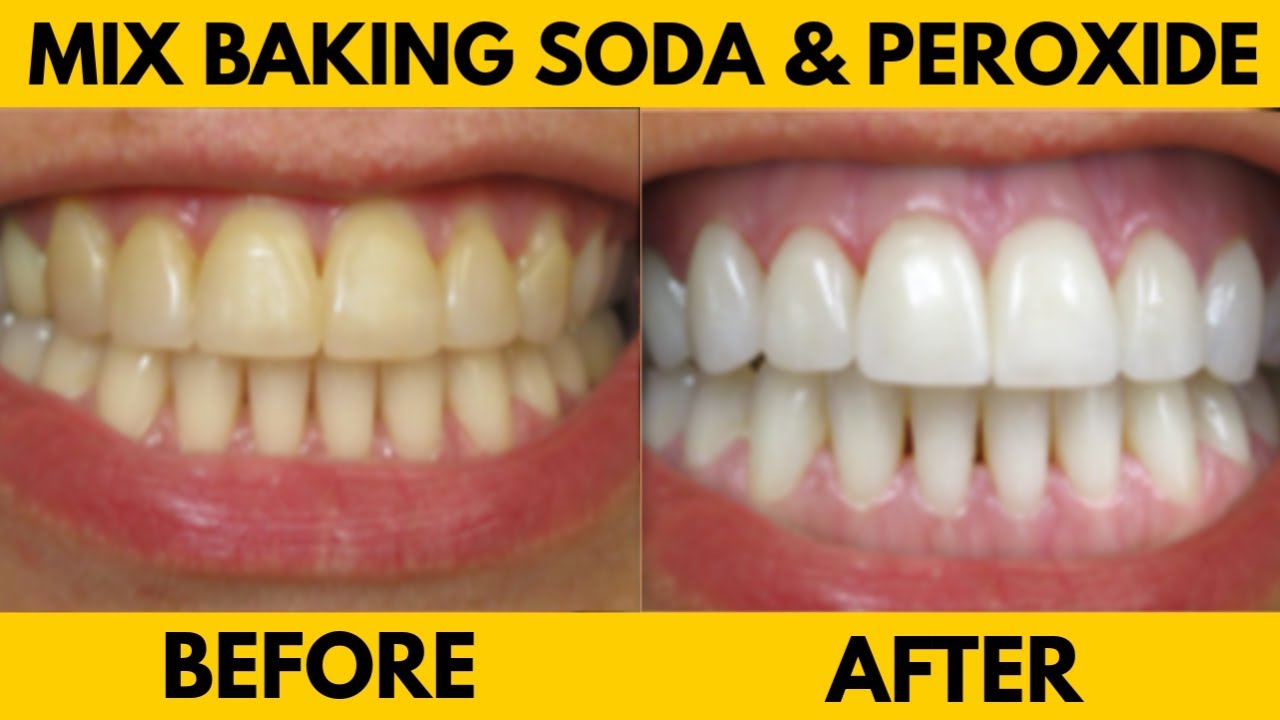
The integration of baking soda into dental hygiene is a masterclass in corporate identity and market expansion. It represents the shift from selling a product to selling a functional benefit that resonates with consumer psychology. This article explores how baking soda became a cornerstone of dental branding and what its trajectory teaches us about modern brand strategy.
The Arm & Hammer Effect: Dominating a Category Through Functional Branding
To understand the branding of baking soda in the dental space, one must look at the legacy of Arm & Hammer. For over a century, the brand was confined to the kitchen pantry. However, through a series of strategic maneuvers, the brand successfully migrated to the bathroom vanity, effectively “colonizing” a new room in the consumer’s home.
From Kitchen Staple to Oral Care Authority
The transition of baking soda from a baking ingredient to a dental essential was not accidental. It was a calculated move in brand extension. By identifying the inherent properties of the product—neutralizing odors and mild abrasion—marketers were able to reposition the “yellow box” as a versatile tool for personal care. This move allowed the brand to exit the low-margin commodity market of baking supplies and enter the high-margin world of health and beauty. The brand didn’t change the formula; they changed the narrative.
Leveraging Trust as a Brand Value
Trust is the most valuable currency in branding, particularly in health-related sectors. Baking soda brands leveraged “heritage trust.” Because consumers already trusted the product to be safe for consumption (in food), the barrier to entry for using it in the mouth was remarkably low. In branding terms, this is known as “halo equity.” The safety profile of the ingredient provided a foundation upon which a massive corporate identity could be built without the need for the aggressive pharmaceutical-style marketing that competitors often required.
Market Positioning: The Disruptive Economics of a Basic Ingredient
The presence of baking soda in the dental market forced a massive shift in how competitors positioned their products. It introduced a “back-to-basics” appeal that disrupted the trend toward increasingly complex chemical formulations.
The Rise of the ‘Natural’ Brand Identity
In the current market, “clean” and “natural” are more than just buzzwords; they are essential components of a competitive brand strategy. Baking soda serves as a primary driver for these identities. Brands that highlight baking soda in their ingredients are tapping into a consumer desire for transparency. In an era where shoppers are increasingly wary of synthetic additives like triclosan or artificial foaming agents, baking soda offers a “recognizable” alternative. This reinforces a brand’s identity as being “for the people” and “uncomplicated.”
Competitive Advantage through Simplicity
Large dental conglomerates often fall into the trap of “feature creep,” adding more and more complex ingredients to justify price hikes. Baking soda brands, however, win by practicing “subtractive branding.” They emphasize what is not in the product, using the simplicity of baking soda as a shield against the perceived “over-processing” of the industry leaders. This positioning creates a distinct niche: the effective, honest, and hardworking brand that doesn’t need gimmicks to whiten teeth.

Personal Branding: The Aesthetic Value of the “Baking Soda Smile”
The impact of baking soda on teeth isn’t just a matter of corporate strategy; it is a vital component of the “personal brand.” In the modern professional landscape, one’s physical presentation—specifically a bright, healthy smile—is often treated as a visual shorthand for success, hygiene, and attention to detail.
The Psychology of Consumer Perception
From a brand perspective, the “whiteness” associated with baking soda is a powerful symbol. It represents cleanliness and purity. When a brand markets “what baking soda does to your teeth,” they are selling a lifestyle upgrade. They are promising the consumer a more confident version of themselves. This emotional connection is what transforms a utilitarian product into a lifestyle brand. The brand becomes a partner in the consumer’s journey toward self-optimization.
The Intersection of Wellness and Professional Image
In the “LinkedIn era,” personal branding has become a professional requirement. The “baking soda smile” has become a marker of the wellness-conscious professional. Brands that capitalize on this understand that they aren’t just selling toothpaste; they are selling the confidence needed for a high-stakes presentation or a first impression. By aligning the product with the goals of the ambitious professional, the brand cements its place in the consumer’s daily ritual.
Case Study: Rebranding Oral Care for the Modern Consumer
The oral care industry is currently undergoing a renaissance, driven by direct-to-consumer (DTC) startups and a shift in aesthetic values. Baking soda remains at the center of this evolution, serving as a bridge between legacy reliability and modern innovation.
Adapting Heritage Brands for Gen Z
For younger demographics, legacy is only valuable if it is paired with modern values. We are seeing heritage baking soda brands undergo “visual refreshes”—adopting minimalist typography and matte packaging—to appeal to a generation that values “shelfie-worthy” aesthetics. This proves that even the most traditional brand ingredients can be modernized. The core message (whitening and cleaning) stays the same, but the brand’s “voice” becomes more conversational and digitally native.
Sustainability and Minimalist Packaging Trends
The “natural” connotation of baking soda aligns perfectly with the sustainability movement. Modern brands are utilizing the ingredient’s stable shelf life to experiment with plastic-free packaging, such as glass jars or aluminum tubes. Here, the ingredient (baking soda) dictates the brand’s environmental strategy. By focusing on a simple, effective ingredient, brands can reduce their chemical footprint, which becomes a key selling point in their corporate social responsibility (CSR) messaging.
Conclusion: The Enduring Brand Equity of a Simple Powder
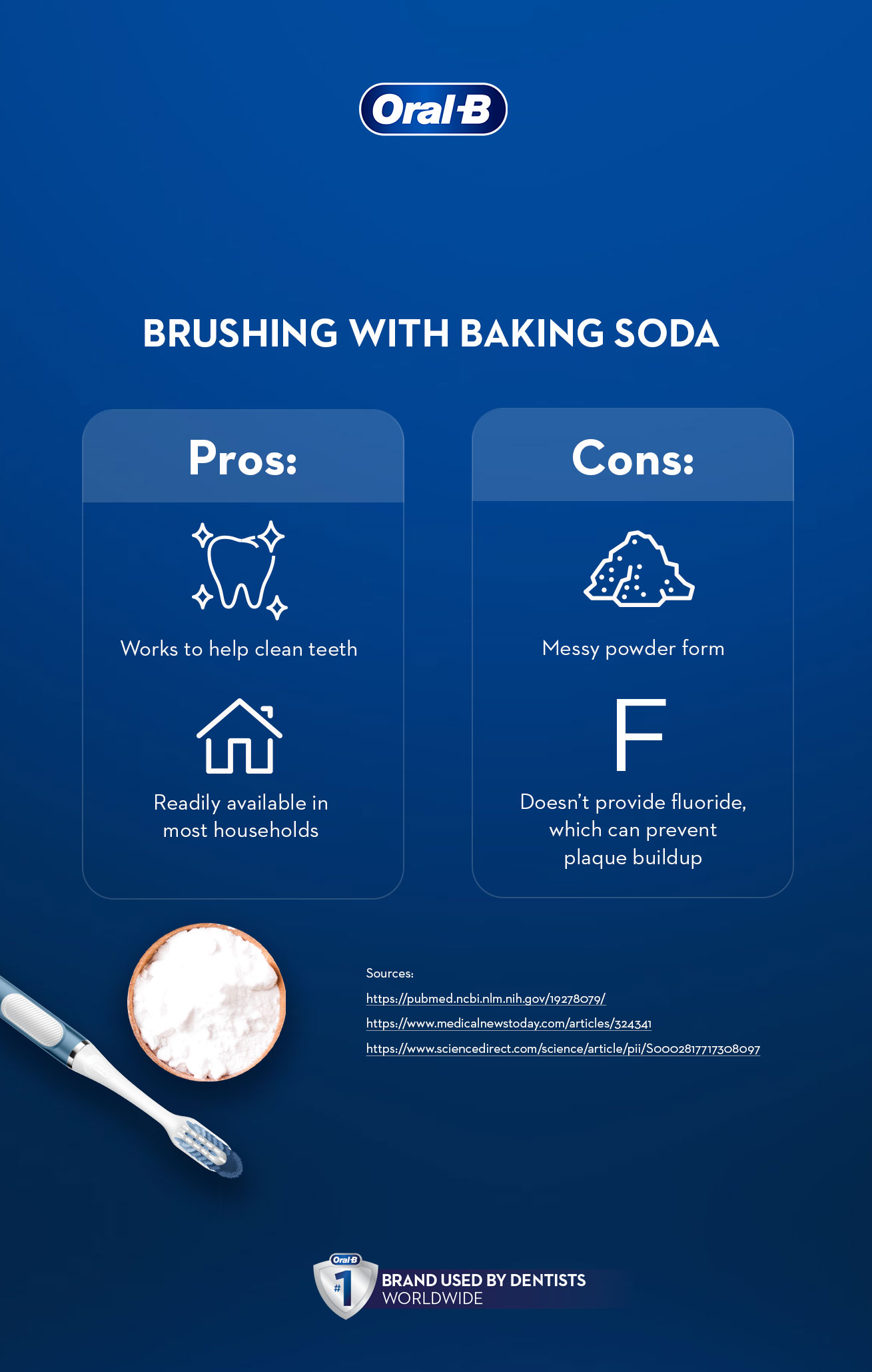
When we analyze “what baking soda does to your teeth” through the lens of brand strategy, we see a product that has transcended its physical properties. It is a symbol of trust, a tool for market disruption, and a cornerstone of personal branding.
For brand managers and marketers, the story of baking soda offers a vital lesson: you don’t always need a groundbreaking new invention to dominate a market. Sometimes, the most powerful brand strategy involves taking a familiar, trusted commodity and repositioning it to meet the evolving psychological and aesthetic needs of the contemporary consumer. Baking soda has not only whitened teeth; it has brightened the balance sheets of the companies savvy enough to harness its elemental power. As we move further into an era of “radical transparency,” the brands that lean into the simplicity and efficacy of ingredients like baking soda will likely be the ones that sustain long-term loyalty and market share.
aViewFromTheCave is a participant in the Amazon Services LLC Associates Program, an affiliate advertising program designed to provide a means for sites to earn advertising fees by advertising and linking to Amazon.com. Amazon, the Amazon logo, AmazonSupply, and the AmazonSupply logo are trademarks of Amazon.com, Inc. or its affiliates. As an Amazon Associate we earn affiliate commissions from qualifying purchases.