
In the landscape of modern marketing and global commerce, few names carry as much weight, recognition, and equity as BTS. To the casual observer, they are a world-conquering music group. To a brand strategist, however, BTS represents one of the most successful case studies in corporate identity, rebranding, and global market penetration in the 21st century.
When asking “what does BTS stand for,” the answer is twofold: it is a literal acronym with deep cultural roots, and it is a symbolic pillar for a multi-billion dollar brand ecosystem. Understanding the evolution of this name provides a masterclass in how a brand can pivot from a local niche to a global powerhouse without losing its core identity.
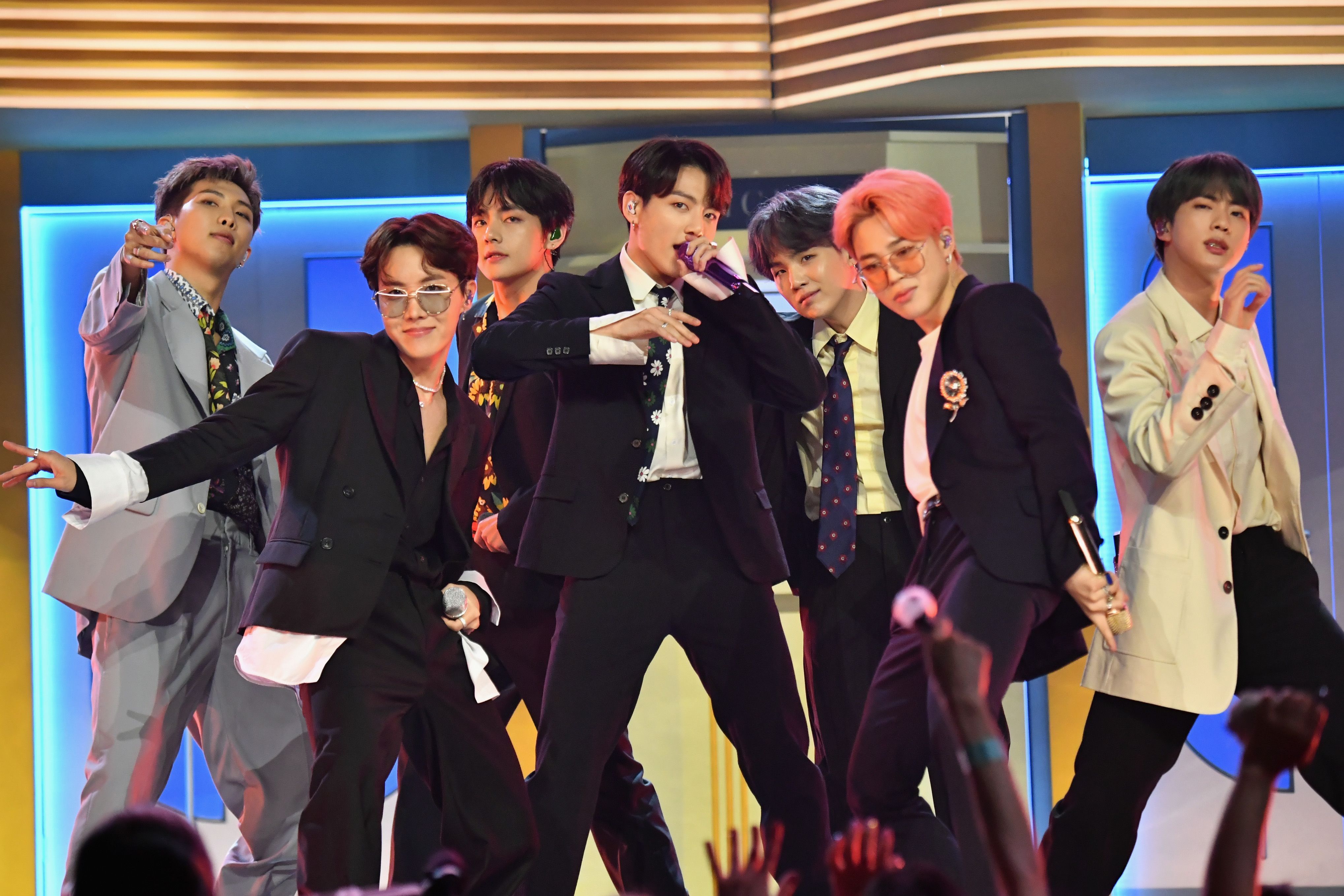
From “Bulletproof” to “Beyond The Scene”: The Anatomy of a Rebrand
The history of the BTS brand is a story of strategic evolution. In the world of brand strategy, a name must be flexible enough to grow with the product. BTS has mastered this transition through two distinct phases of identity.
The Original Identity: Bangtan Sonyeondan
Originally, BTS stood for Bangtan Sonyeondan (방탄소년단), which translates literally to “Bulletproof Boy Scouts.” Launched in 2013 by Big Hit Entertainment (now HYBE), the brand identity was built around the concept of protection and resilience. The “Bulletproof” moniker was a metaphorical shield, representing the brand’s mission to block out the “bullets” of societal expectations, stereotypes, and criticisms aimed at the youth.
From a marketing perspective, this was a highly targeted “Challenger Brand” strategy. It established a clear “us vs. them” narrative that allowed the core audience to form a deep emotional bond with the brand’s mission.
Strategic Pivoting: The 2017 Global Rebrand
As the group’s influence expanded beyond South Korea, the limitations of the “Bulletproof Boy Scouts” name became apparent. In 2017, the brand underwent a sophisticated visual and conceptual overhaul. While maintaining the acronym BTS, the official meaning was expanded to include “Beyond The Scene.”
This was a calculated move in global brand positioning. “Beyond The Scene” symbolizes a brand that is not static; it represents growth, the future, and the idea of moving past current realities toward new horizons. By retaining the acronym but shifting the definition, the brand managed to achieve “Global Neutrality”—making the name easier to digest for Western markets while maintaining the “legacy equity” built in Asia.
Visual Identity and Minimalism
Accompanying the 2017 rebrand was a new visual identity system. The original logo—a bulletproof vest—was replaced with a minimalist, geometric symbol representing two doors opening. This logo is a dual-identity system: one part represents BTS opening a door to the future, and the inverted version represents the “ARMY” (the fan base) meeting them at that door. This is a classic example of “Symmetrical Branding,” where the consumer is visually integrated into the brand’s very logo.
Building a Global Community: The Marketing Power of ARMY
A brand is only as strong as its community. BTS has redefined the “Loyalty Loop” in marketing through a framework that converts passive listeners into active brand advocates.
User-Generated Content and Participation
The BTS brand thrives on participation. Unlike traditional top-down corporate structures, the BTS marketing machine encourages “Co-Creation.” Through social media challenges, fan art, and digital communities, the audience isn’t just consuming the brand; they are building it. In brand strategy terms, this is known as “High-Involvement Consumerism,” where the customer feels a sense of ownership over the brand’s success.
Emotional Branding and Shared Values
The BTS brand stands for more than just entertainment; it stands for values such as mental health awareness, self-love, and social justice. By aligning the brand with the “Love Myself” campaign in partnership with UNICEF, the group moved from being a product to being a “Purpose-Driven Brand.”
In the modern marketplace, consumers—particularly Gen Z and Millennials—are more likely to support brands that align with their personal values. BTS successfully leveraged this by integrating “Sincerity Marketing” into their core identity, making their brand message feel authentic rather than manufactured.

The Multi-Platform Brand Ecosystem
The BTS brand does not exist in a vacuum. It is the center of a complex “Brand Ecosystem” that touches technology, gaming, fashion, and education.
Transmedia Storytelling (The BTS Universe)
One of the most innovative aspects of the BTS brand is the “BTS Universe” (BU). This is a narrative-driven marketing strategy where storylines are woven across music videos, books, webtoons, and mobile games. By creating a fictionalized lore, the brand increases “Customer Retention.” Fans must engage with multiple products across different platforms to understand the full story, a strategy that maximizes the “Lifetime Value” (LTV) of each customer.
Intellectual Property (IP) Expansion: BT21 and TinyTAN
BTS has successfully “de-coupled” its brand from the physical presence of the members through IP expansion. “BT21,” a line of characters created in collaboration with Line Friends, allows the brand to exist in the lifestyle and retail space without requiring the members’ constant involvement.
Similarly, “TinyTAN”—animated avatars of the members—allows the brand to license its likeness to mobile games and consumer goods. This “IP Scalability” is a vital lesson for any brand looking to expand its footprint: create assets that can live and generate revenue independently of the core product.
Strategic Collaborations and Corporate Synergy
The strength of the BTS brand is perhaps most visible in its “B2B” (Business-to-Business) relationships. Global corporations view the BTS name as a seal of approval that guarantees market penetration.
Luxury and Lifestyle Partnerships
From Louis Vuitton to Samsung and McDonald’s, the BTS brand has successfully navigated various market segments. The “BTS Meal” at McDonald’s was a landmark in “Co-Branding.” It wasn’t just a celebrity endorsement; it was a global integration of packaging, merchandise, and digital content that resulted in a significant “Sales Lift” for the fast-food giant.
When BTS partners with a brand like Samsung, they are not just “influencers.” They act as “Brand Ambassadors” who lend their innovative and high-tech image to the product. This “Halo Effect” helps the partner brand tap into a younger, highly engaged demographic.
Maintaining Brand Authenticity in Partnerships
A common pitfall in brand strategy is “Over-Extension”—partnering with too many entities and diluting the brand’s value. BTS has managed to avoid this by being selective. Each partnership feels like a natural extension of the BTS lifestyle. Whether it’s high-end fashion or a tech gadget, the collaboration is presented through the lens of the BTS “Story,” ensuring that the brand’s “Authenticity Score” remains high even as it scales.
Lessons for Modern Brand Strategy
The journey of what BTS stands for offers several high-level insights for corporate leaders and marketing professionals.
Consistency vs. Evolution
The BTS rebrand shows that you can change your name’s meaning and your visual identity without alienating your base, provided that your “Core Values” remain consistent. They evolved from “defending against bullets” to “going beyond the scene,” but the underlying theme of youth empowerment never wavered.
Localization vs. Globalization
The brand navigated the “Glocal” (Global + Local) challenge perfectly. They maintained their Korean heritage (Local) while adopting a name and visual language that resonated with a worldwide audience (Global). For brands looking to expand internationally, this balance is crucial for maintaining a unique selling proposition (USP) while ensuring accessibility.
The Power of the “Community Brand”
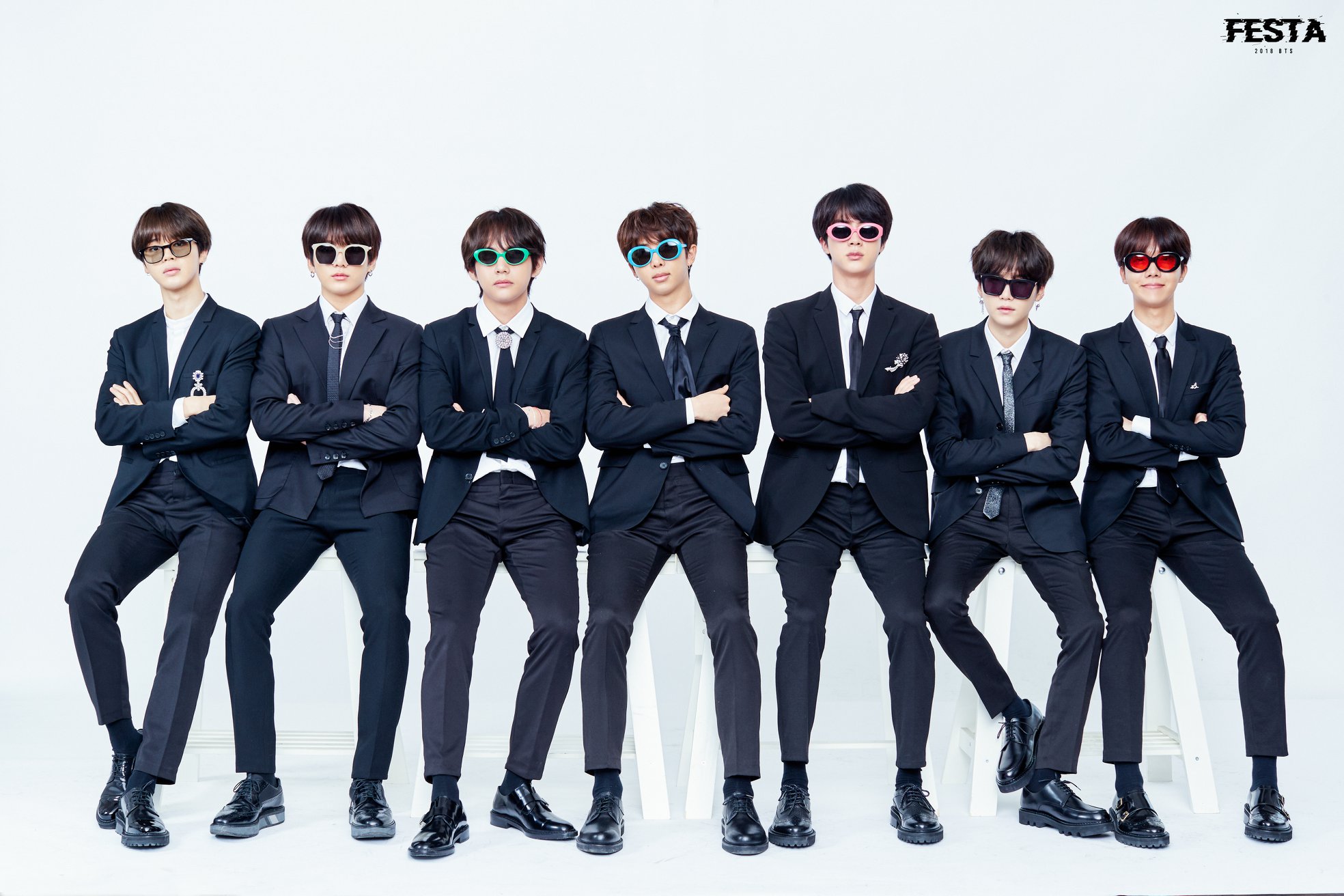
In the digital age, the most powerful brands are those that act as platforms for community. BTS stands for a collective experience. They have proven that if you build a brand that serves the community, the community will protect and grow the brand for you.
In conclusion, “BTS” stands for far more than a translation or an English phrase. It stands as a blueprint for modern brand architecture. It represents the successful fusion of purpose-driven marketing, strategic rebranding, and ecosystem-based growth. Whether as “Bulletproof Boy Scouts” or “Beyond The Scene,” the brand remains a dominant force by constantly redefining what it means to be a global icon in a digital-first world.
aViewFromTheCave is a participant in the Amazon Services LLC Associates Program, an affiliate advertising program designed to provide a means for sites to earn advertising fees by advertising and linking to Amazon.com. Amazon, the Amazon logo, AmazonSupply, and the AmazonSupply logo are trademarks of Amazon.com, Inc. or its affiliates. As an Amazon Associate we earn affiliate commissions from qualifying purchases.