
In the rapidly evolving landscape of technology, we often focus on the “visible” specs: gigahertz, terabytes, pixels, and frames per second. However, the physical infrastructure that powers and connects these digital marvels is governed by a set of standards that are decades old yet more relevant than ever. One of the most critical specifications you will encounter when dealing with hardware, networking, or DIY electronics is AWG, or American Wire Gauge.
Understanding AWG is not just for electrical engineers; it is essential for tech enthusiasts, PC builders, IT professionals, and anyone looking to optimize their digital ecosystem. Whether you are choosing a USB-C cable for fast charging, wiring a smart home, or configuring a data center, the gauge of the wire determines performance, safety, and efficiency.
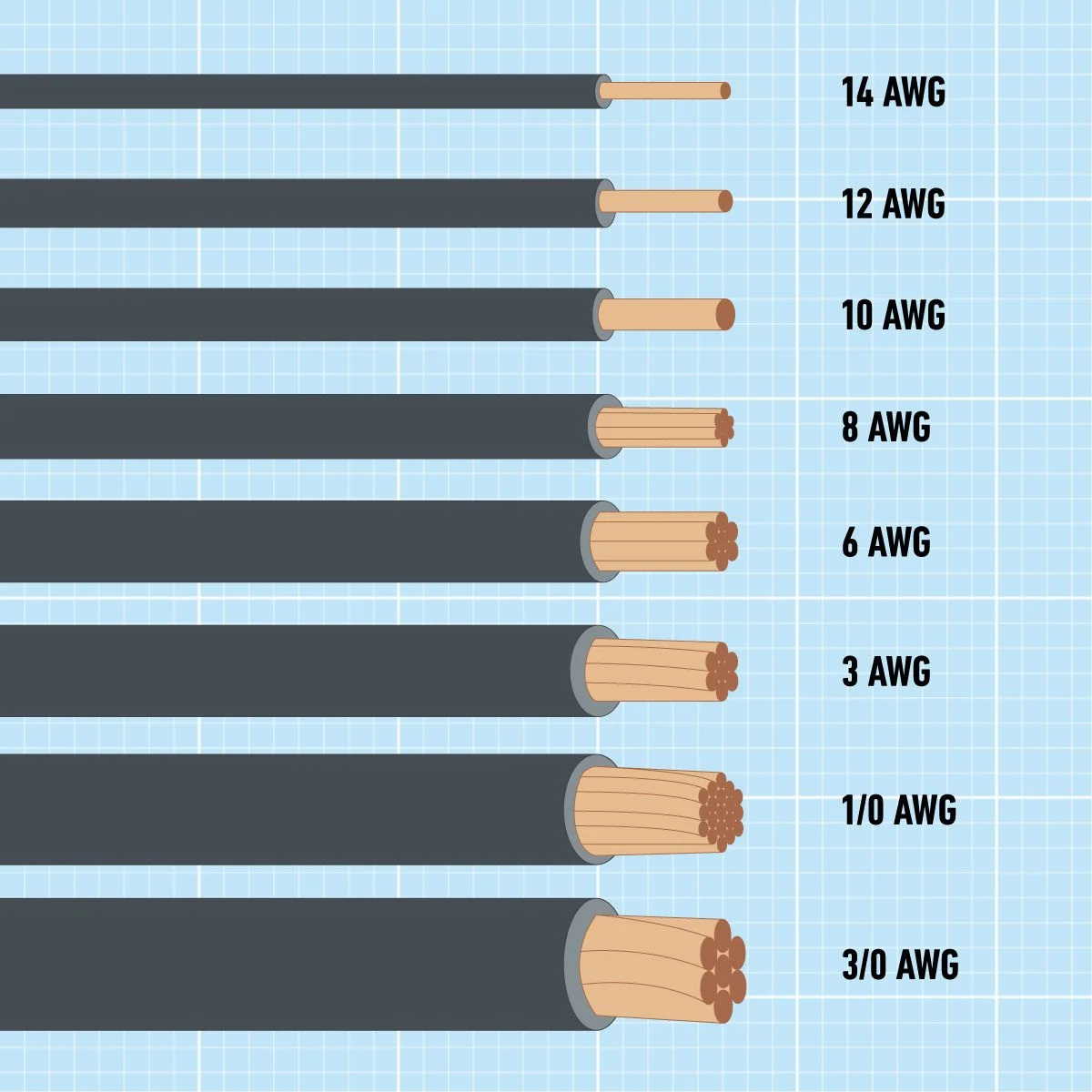
Understanding the Fundamentals of AWG: The Inverse Standard
American Wire Gauge (AWG) is a standardized wire gauge system used primarily in North America for the diameters of round, solid, nonferrous, electrically conducting wire. While it might seem counterintuitive at first, the AWG system is an inverse scale: the larger the number, the thinner the wire.
The History of the “Draw”
To understand why the scale is inverted, we have to look back at the history of wire manufacturing. AWG originated from the process of “drawing” wire. To make a wire thinner, a manufacturer would pull (draw) a thick rod of metal through a series of increasingly smaller dies. A “1 gauge” wire was drawn through one die. A “20 gauge” wire was drawn through twenty successively smaller dies. Consequently, each “draw” made the wire thinner, leading to the high-number, small-diameter relationship we see today.
The Mathematical Ratio
The AWG system is defined by a specific mathematical progression. The diameter of the wire changes geometrically. For every 6-gauge decrease, the wire diameter doubles; for every 3-gauge decrease, the cross-sectional area doubles. This is a critical tech insight because the cross-sectional area is directly tied to the amount of current a wire can safely carry. In modern tech terms, think of the wire as a highway: the lower the AWG, the more lanes the highway has, allowing more electrons to flow simultaneously without causing a traffic jam (resistance).
Solid vs. Stranded Gauges
In the tech world, you will encounter both solid and stranded wires. Solid wire is a single chunk of metal, while stranded wire consists of many smaller filaments bundled together. While they may share the same AWG rating, their physical properties differ. Stranded wire is more flexible—essential for charging cables and headphones—but it usually has a slightly larger overall diameter than a solid wire of the same AWG to account for the air gaps between the strands.
The Physics of Gauge: Resistance, Voltage Drop, and Performance
The gauge of a wire isn’t just a physical measurement; it is a performance metric. In high-performance computing and consumer electronics, the gauge of a conductor directly impacts how a device functions.
Resistance and Heat
Every conductor has a certain amount of internal resistance. As electricity flows through a wire, some of that energy is converted into heat. A thinner wire (higher AWG) has higher resistance. In the context of tech hardware, high resistance is the enemy. If a wire is too thin for the current passing through it, it will overheat. In extreme cases, this can melt insulation, damage sensitive components, or even start a fire. This is why high-powered gaming PCs require thick 18 AWG power supply cables, while a low-power sensor might only need 28 AWG.
Voltage Drop Over Distance
One of the most common issues in tech installations—such as long HDMI runs or PoE (Power over Ethernet) security cameras—is voltage drop. As the length of a cable increases, so does the total resistance. If the wire gauge is too high (too thin), the voltage at the end of the cable may be significantly lower than the voltage at the source.
For a gadget like a smartphone, a high voltage drop in a thin charging cable means the phone will charge at a “slow” rate, even if you are using a 100W GaN charger. The charger detects the resistance and drops the wattage to maintain safety, resulting in a frustrating user experience.
Signal Integrity and Data
While AWG is most often discussed regarding power, it also plays a role in data transmission. In networking, the thickness of the copper strands in a Cat6 or Cat7 cable affects how far a signal can travel before it degrades. Thicker conductors (lower AWG) generally allow for better signal integrity over longer distances, which is why professional-grade networking cables often use 23 AWG copper rather than the thinner 24 or 26 AWG found in cheaper alternatives.

AWG in Modern Tech Ecosystems: From USB Cables to Data Centers
To see AWG in action, we can look at the various hardware categories that dominate the current tech market. Manufacturers often hide these specs in the fine print, but they are the defining factors of product quality.
USB-C and Fast Charging
Not all USB-C cables are created equal. If you’ve ever wondered why one cable supports “Super Fast Charging” while another takes four hours to charge your laptop, the answer is likely the AWG of the internal power wires. Premium cables typically use 20 AWG to 24 AWG for power delivery, while cheaper, “data-only” or low-quality cables might use 28 AWG. Because USB-C Power Delivery (PD) can now handle up to 240W, the gauge of the internal wiring has become a vital safety and performance specification.
Internal PC Components
For the PC building community, AWG is a hallmark of Power Supply Unit (PSU) quality. High-end PSUs typically use 16 AWG or 18 AWG wiring for the CPU and GPU power connectors. As modern GPUs (like the RTX 4090) pull massive amounts of power, using a thinner gauge (like 20 AWG) would result in significant heat buildup and potential hardware failure. When reviewing tech components, checking the AWG of the included cabling is a pro-level way to determine if a manufacturer is cutting corners.
Networking and Infrastructure (Ethernet)
In the realm of digital security and IT infrastructure, AWG is standardized across cable categories:
- Cat5e: Usually 24 AWG.
- Cat6: Usually 23 or 24 AWG.
- Cat6a: Usually 23 AWG.
Thicker wire (23 AWG) is preferred for Power over Ethernet (PoE) applications, such as powering high-definition IP cameras or Wi-Fi 6 access points, because it handles the heat generated by the power transmission much more effectively than thinner alternatives.
Selecting the Right Gauge for Your Tech Project
If you are embarking on a DIY tech project—whether it’s building a custom mechanical keyboard, wiring a Raspberry Pi, or setting up a home theater—selecting the correct AWG is a foundational step.
Step 1: Determine the Amperage
The first rule of thumb is to know how much current (Amps) your device will draw. High-draw devices (motors, heaters, high-end PCs) require lower AWG numbers. Low-draw devices (LEDs, sensors, microcontrollers) can function perfectly with higher AWG numbers (thinner wire).
Step 2: Consider the Length
Distance is the multiplier of resistance. If your project involves a cable run of more than 10 feet, it is often wise to “size up” (choose a lower AWG number) to compensate for potential voltage drop. This is particularly important for LED strip installations, where a thin wire can cause the lights at the end of the strip to appear dimmer than those at the beginning.
Step 3: Environmental Factors
In tech applications, space is often at a premium. While a 12 AWG wire is “better” in terms of conductivity, it is also thick, stiff, and difficult to route through tight enclosures or cable management channels. The goal is to find the “Goldilocks” gauge: thick enough to handle the electrical load safely, but thin enough to remain flexible and fit within the physical constraints of the gadget.
Future Trends: The Evolution of Conductors in Tech
As we push toward 6G, ultra-fast computing, and more sustainable electronics, the role of wire gauge is evolving.
The Rise of Optical Fiber
In many data-heavy applications, we are moving away from AWG-rated copper entirely. Fiber optic cables use light rather than electricity, meaning they aren’t subject to the same resistance and gauge limitations as copper. However, copper remains king for power delivery, as light cannot (yet) efficiently power a computer or charge a battery.
Miniaturization and New Materials
Tech researchers are constantly looking for ways to bypass the limitations of the AWG scale. This includes the use of silver-plated copper, which offers better conductivity at thinner gauges, and experiments with graphene-based conductors. These innovations aim to provide the performance of a 10 AWG copper wire with the thinness and flexibility of a 30 AWG thread.

Conclusion
“What does AWG wire mean?” is a question that leads deep into the heart of how our modern world stays connected. From the charging cable in your pocket to the massive arrays of servers in the cloud, AWG is the silent metric that ensures our tech remains fast, cool, and safe. By paying attention to these three letters and the numbers that follow them, you can make smarter purchasing decisions, build better projects, and gain a deeper appreciation for the physical engineering that makes the digital age possible.
aViewFromTheCave is a participant in the Amazon Services LLC Associates Program, an affiliate advertising program designed to provide a means for sites to earn advertising fees by advertising and linking to Amazon.com. Amazon, the Amazon logo, AmazonSupply, and the AmazonSupply logo are trademarks of Amazon.com, Inc. or its affiliates. As an Amazon Associate we earn affiliate commissions from qualifying purchases.