
Augmented Reality (AR), a term increasingly interwoven with the fabric of modern technology, represents a transformative paradigm shift in how we interact with the digital and physical worlds. Far from being a fleeting fad, AR is rapidly maturing into a fundamental technology that is reshaping industries, enhancing user experiences, and unlocking new possibilities across a vast spectrum of applications. To truly understand “what does AR mean,” we must delve into its core functionalities, its diverse applications, its technological underpinnings, and its projected future impact on our technological landscape.
The Core Concept: Blending Realities
At its heart, Augmented Reality is about enhancing our perception of the real world by overlaying computer-generated sensory input, such as visual, auditory, or even haptic information. Unlike Virtual Reality (VR), which aims to immerse users in entirely artificial environments, AR builds upon and augments our existing reality. This crucial distinction is what makes AR so powerful and versatile, allowing it to seamlessly integrate with our daily lives rather than demanding a complete detachment from it.

How AR Works: The Technological Pillars
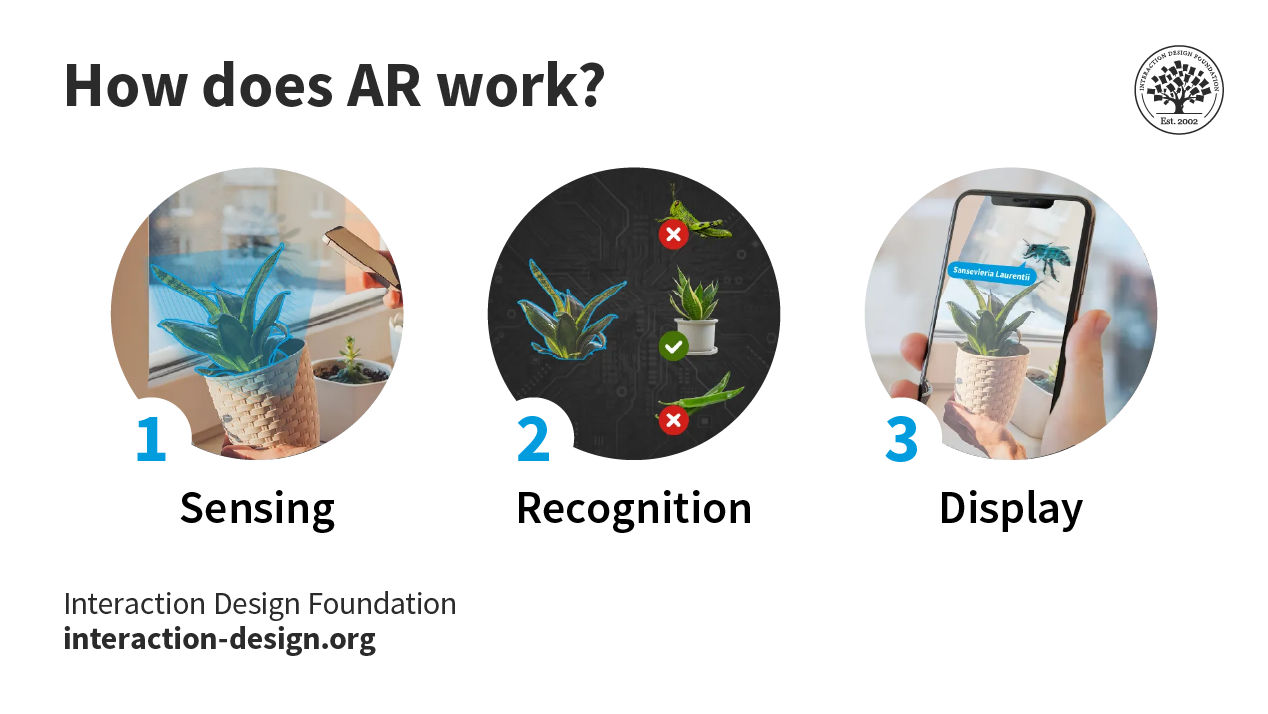
The magic of AR is powered by a complex interplay of hardware and software, each playing a vital role in its functionality.
Sensors and Input:
The foundation of any AR experience lies in its ability to understand and interpret the real world. This is achieved through a variety of sensors.
- Cameras: These are the eyes of AR devices, capturing real-time video feeds of the environment. Sophisticated algorithms analyze these feeds to identify surfaces, objects, and their spatial relationships.
- Depth Sensors: Technologies like Time-of-Flight (ToF) sensors or LiDAR (Light Detection and Ranging) allow AR devices to accurately measure the distance to objects, creating a 3D map of the environment. This is crucial for placing virtual objects realistically within the real world.
- Inertial Measurement Units (IMUs): Comprising accelerometers and gyroscopes, IMUs track the device’s orientation and movement. This enables virtual objects to remain anchored in place as the user moves their device, creating a stable and believable experience.
- GPS and Location Services: For location-aware AR applications, GPS and other positioning systems help determine the user’s geographical location, enabling contextually relevant AR content to be displayed.
Processing and Rendering:
Once the real world is captured and understood, powerful processing units work in tandem to create and display the augmented content.
- Computer Vision Algorithms: These algorithms are the brains behind AR, enabling the device to recognize patterns, track objects, and understand the scene’s geometry. Techniques like Simultaneous Localization and Mapping (SLAM) are fundamental, allowing AR devices to build a map of their surroundings while simultaneously tracking their own position within that map.
- Graphics Processing Units (GPUs): Rendering high-fidelity, realistic virtual objects in real-time requires significant graphical power. GPUs are optimized for these complex calculations, ensuring smooth and visually appealing augmented experiences.
- Augmented Reality Software Development Kits (SDKs): Platforms like ARKit (Apple) and ARCore (Google) provide developers with the tools and frameworks necessary to build AR applications. These SDKs abstract away much of the underlying complexity, allowing developers to focus on creating compelling user experiences.
Output and Display:
The final piece of the AR puzzle is how the augmented information is presented to the user.
- Smartphones and Tablets: These are the most ubiquitous AR devices currently available, leveraging their built-in cameras, sensors, and displays.
- AR Glasses/Headsets: Devices like Microsoft HoloLens and Magic Leap offer a more immersive AR experience by projecting digital information directly into the user’s field of view, often through transparent displays.
- Projectors: In some industrial or artistic applications, projectors can be used to overlay AR content onto physical surfaces or objects.
Diverse Applications: AR’s Transformative Reach
The true impact of AR is best understood through its burgeoning applications across a multitude of sectors. What was once confined to research labs and niche entertainment is now a powerful tool for innovation and efficiency.
Enhancing Industries: From Manufacturing to Healthcare
AR is not just a consumer technology; it is a potent force for industrial transformation.
Manufacturing and Industrial Maintenance:
In complex manufacturing environments, AR provides real-time guidance to technicians. Imagine a worker assembling intricate machinery, with holographic instructions appearing directly over the components, detailing each step, torque specification, or correct part placement. This dramatically reduces errors, speeds up assembly, and streamlines training. For maintenance, AR can overlay diagnostic data onto equipment, allowing technicians to quickly identify issues and access repair manuals without needing to search through physical documentation. This minimizes downtime and enhances operational efficiency.
Healthcare and Medical Training:
AR is revolutionizing medical education and surgical procedures. Medical students can practice complex surgeries on virtual patients with realistic anatomical models, gaining hands-on experience without risk. Surgeons can use AR to overlay patient imaging data, such as CT scans or MRIs, directly onto the patient during surgery, providing unprecedented visualization of internal structures. This can lead to more precise and minimally invasive procedures. Furthermore, AR can be used for patient education, allowing them to visualize their condition or treatment plan in a more understandable way.
Retail and E-commerce:
The retail sector is embracing AR to bridge the gap between online and in-store shopping experiences. Consumers can use AR apps to “try on” clothes virtually, visualize how furniture would look in their homes, or see how makeup shades complement their skin tone. This not only enhances customer engagement but also reduces returns by allowing for more informed purchasing decisions. For retailers, AR can provide in-store navigation and product information, creating a more interactive and informative shopping journey.
Everyday Convenience: AR in Our Pockets
Beyond the industrial sphere, AR is becoming an integral part of our daily lives, offering convenience and novel experiences.

Navigation and Exploration:
AR-powered navigation apps can overlay directional arrows and points of interest onto the user’s camera view, making it easier to navigate unfamiliar streets or explore new cities. This provides a more intuitive and engaging way to find your way compared to traditional map interfaces.
Gaming and Entertainment:
The gaming industry has been an early adopter of AR, with titles like Pokémon GO demonstrating the potential for location-based AR experiences. As AR technology advances, we can expect more immersive and interactive games that blend virtual characters and challenges with our real-world surroundings. Beyond gaming, AR can enhance live events, overlaying information or visual effects onto performances or sports matches.
Education and Learning:
AR offers dynamic and engaging learning experiences. Textbooks can come alive with 3D models of historical figures or scientific concepts, making abstract ideas more tangible. Virtual field trips can transport students to different eras or locations, providing immersive and memorable educational opportunities.
The Future of AR: Evolution and Integration
The trajectory of Augmented Reality points towards deeper integration into our lives and a more seamless blend between the digital and physical realms.
Hardware Advancements: Lighter, Smarter, and More Accessible
The evolution of AR hardware will be critical to its widespread adoption.
The Rise of AR Glasses:
While smartphones remain the primary AR platform, the future likely lies in increasingly sophisticated and stylish AR glasses. These devices aim to become as commonplace as smartphones, offering hands-free access to augmented information. Miniaturization of components, improved battery life, and enhanced display technology will be key drivers in this evolution. The goal is for AR glasses to be unobtrusive, comfortable for extended wear, and capable of delivering rich, interactive experiences.
Improved Sensors and AI:
Continued advancements in sensor technology will enable AR devices to understand the world with even greater accuracy and context. More sophisticated AI will allow for more intelligent interaction with virtual objects and more personalized AR experiences. This includes the ability for AR systems to anticipate user needs and proactively offer relevant information or assistance.
Software and Content Ecosystems: Fueling Innovation
The growth of AR is inextricably linked to the development of robust software and compelling content.
Democratizing AR Development:
As AR SDKs become more user-friendly and accessible, a broader range of developers will be empowered to create AR applications. This will lead to a surge in innovation, with new and unexpected uses for AR emerging across various domains. Platforms that simplify the creation of AR content, such as no-code AR building tools, will further accelerate this trend.
The Metaverse and Persistent AR Worlds:
The concept of the metaverse, a persistent, interconnected set of virtual spaces, is increasingly intertwined with AR. As AR technology matures, we may see persistent AR layers that are accessible across different devices and locations, creating a continuous augmented experience that blends our physical and digital identities. This could manifest as shared AR experiences, virtual overlays on public spaces, or persistent digital artifacts that can be interacted with in the real world.
Ethical Considerations and Societal Impact
As AR becomes more pervasive, it also raises important ethical and societal questions that need to be addressed.
Privacy and Data Security:
AR devices, by their very nature, collect vast amounts of data about users and their surroundings. Ensuring the privacy and security of this data is paramount. Clear guidelines and robust security measures will be necessary to build trust and prevent misuse.
Digital Divide and Accessibility:
As AR technologies become more advanced, there is a risk of exacerbating the digital divide. Ensuring equitable access to AR hardware and content will be crucial to prevent certain segments of society from being left behind. Developers and policymakers will need to consider accessibility for individuals with disabilities and ensure affordability for a broad range of users.
In conclusion, “what does AR mean” in the tech landscape is a multifaceted question with a resounding answer: it signifies a fundamental evolution in human-computer interaction. It is a technology that promises to enhance our understanding of the world, streamline our workflows, enrich our entertainment, and fundamentally alter how we experience reality. As AR continues its rapid development, its impact will only grow, reshaping industries and weaving itself ever more deeply into the fabric of our technological future.
aViewFromTheCave is a participant in the Amazon Services LLC Associates Program, an affiliate advertising program designed to provide a means for sites to earn advertising fees by advertising and linking to Amazon.com. Amazon, the Amazon logo, AmazonSupply, and the AmazonSupply logo are trademarks of Amazon.com, Inc. or its affiliates. As an Amazon Associate we earn affiliate commissions from qualifying purchases.