
In the rapidly evolving landscape of social media, few features have maintained the enigmatic status of the “Poke.” Originally launched in the early days of Facebook (now Meta), the Poke represented a minimalist approach to digital interaction. While many users today might view it as a relic of a bygone era of the internet, the Poke remains a fascinating case study in user interface (UI) design, social software psychology, and the technical evolution of how we signal presence in a digital space. To understand what a Poke means today, one must look past the simple notification and examine the underlying technology and intent that shaped one of the internet’s first “low-friction” communication tools.
The Mechanics of the Poke: Understanding the Interface
At its core, the Facebook Poke is a software feature that allows one user to send a one-bit notification to another. Unlike a message, a comment, or a wall post, the Poke contains no text, no media, and no specific payload other than the alert itself. From a technical standpoint, it is the simplest form of a “nudge”—a way to command a brief moment of attention without the cognitive load required to draft a coherent sentence.
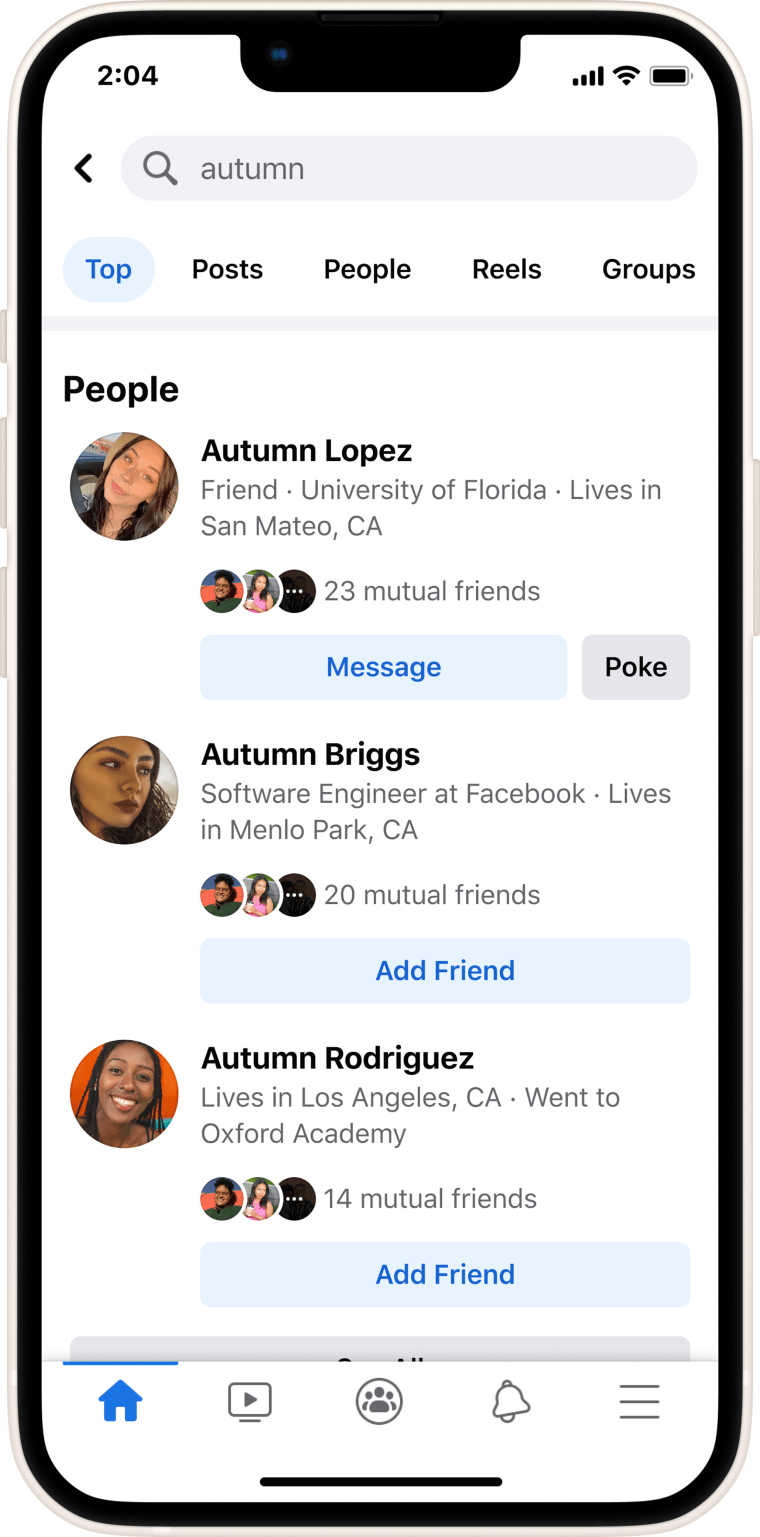
How the Poke Works in the Modern App
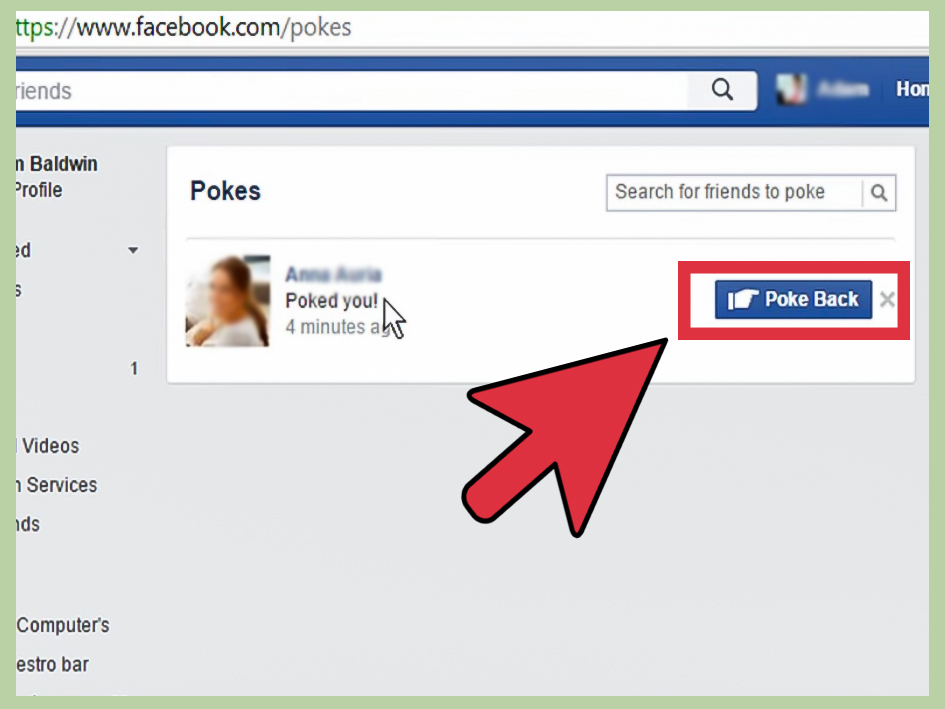
In the early versions of the Facebook interface, the Poke button was prominently displayed on a user’s profile. As the platform matured and shifted toward a “mobile-first” strategy, the feature was moved deep into the application’s architecture. To find it now, users typically have to navigate through the “Shortcuts” or search specifically for the “Pokes” page. When you poke someone, they receive a notification stating, “[Name] poked you.” They are then given the option to “Poke Back.” This creates a loop of interaction that can continue indefinitely, often referred to as a “Poke War.”
The Hidden Nature of the Poke Button
The decision to de-emphasize the Poke button in the UI was a strategic move by Meta’s product designers. As social media shifted toward high-engagement content like Video, Stories, and Reels, the Poke was viewed as redundant. However, in early 2024, Meta reported a significant resurgence in the feature’s usage after they improved the discoverability of the Pokes page and made it easier for users to find through search. This technical adjustment led to a 13-fold increase in poking among younger demographics, proving that even “hidden” features can be revitalized through minor UI tweaks.
A History of Digital Interaction: Why Facebook Created the Poke
To truly grasp the significance of the Poke, we must look back at the tech culture of the mid-2000s. When Mark Zuckerberg and his team developed the feature, it wasn’t intended to have a specific definition. In fact, the “About” page on Facebook in 2005 famously stated: “When we created the poke, we thought it would be cool to have a feature without any specific purpose… Users find different uses for it, and we are not going to provide an official explanation.”
The Era of Minimalism in Social Software
The Poke was an answer to a technical challenge: how do you encourage interaction between people who don’t have something specific to say? In the era of MSN Messenger and AOL Instant Messenger (AIM), “nudging” or “buzzing” a friend was a way to check for their physical presence at their computer. Facebook’s Poke translated this behavior into a persistent social network environment. It allowed for “ambient awareness”—the feeling of being near someone in a digital space without the pressure of a formal conversation.
From Playful Gestures to Feature Creep
As Facebook grew from a campus directory to a global behemoth, the Poke served as the foundation for more complex features. The “Like” button, introduced in 2009, can be seen as an evolved version of the Poke. While the Poke was a gesture toward a person, the Like was a gesture toward content. Technically, both serve the same purpose: they provide a low-effort way for a user to interact with the database, triggering a notification and reinforcing the social loop. The Poke was the “minimal viable product” of what would eventually become a massive ecosystem of reactions and haptics.
The Technical Psychology Behind Low-Friction Communication
From a UX (User Experience) perspective, the Poke is a masterpiece of low-friction design. “Friction” in technology refers to any obstacle that prevents a user from completing an action. Writing a message has high friction—you have to think of what to say, check your spelling, and consider the tone. Clicking a “Poke” button has almost zero friction.
Reducing the Cognitive Load of Messaging
The Poke operates on the principle of reducing cognitive load. In social settings, there is often a “barrier to entry” for starting a conversation, especially with someone you haven’t spoken to in years. The Poke bypasses this barrier. It signals “I am thinking of you” or “I am here” without requiring the sender to commit to a specific topic. This technical simplicity is why the Poke has survived for two decades; it satisfies a basic human need for acknowledgment with the smallest possible digital footprint.
The Role of “Nudge Theory” in UX Design
Software engineers often use “nudge theory” to guide user behavior. By providing a simple, binary choice (to poke or not to poke), Facebook creates an environment of easy engagement. This is the same logic used in modern app design for “Daily Streaks” or “Read Receipts.” These features are designed to keep users returning to the platform. The Poke was one of the first features to exploit the psychological “ping” of a notification to drive app retention, a technique that is now a standard practice in the development of almost every social media application.
Privacy, Security, and Social Etiquette in the Metaverse Era
As with any tool that allows one user to contact another, the Poke has implications for digital security and privacy. Because the Poke is a direct notification, it can be misused if not properly regulated by the platform’s software.
Digital Boundaries and Unsolicited Notifications
Facebook has implemented several technical safeguards to prevent the Poke from becoming a tool for harassment. For instance, you cannot poke someone you have blocked, and you generally cannot poke someone you are not friends with (though this has changed back and forth over the years depending on privacy settings). Furthermore, if you poke someone and they do not poke you back, you cannot poke them again until they have cleared the initial notification or responded. This “rate-limiting” is a crucial technical feature that maintains the health of the social ecosystem.
The Poke’s Resurgence and Gen Z’s Re-adoption
In a surprising turn of tech trends, the Poke has seen a revival among Gen Z users. For a generation that grew up with the high-pressure environment of curated Instagram feeds and TikTok algorithms, the “meaningless” Poke offers a sense of ironic nostalgia. More importantly, it serves as a “micro-interaction” that fits perfectly into the fast-paced nature of modern digital life. Tech analysts suggest that this resurgence is a response to “digital burnout”—when users are tired of long-form content, they return to the simplest tools available to maintain their social connections.
The Future of Micro-Interactions in Social Media Ecosystems
The legacy of the Facebook Poke extends far beyond its own button. It paved the way for the “Reactions” we see on LinkedIn, the “Taps” on iMessage, and the “Haptics” used in wearable technology. As we move toward more immersive digital environments, such as the Metaverse or spatial computing (Apple Vision Pro), the concept of the Poke is likely to evolve once again.
Beyond the Poke: Reactions and Haptics
In the future, a “Poke” might not be a notification on a screen, but a haptic pulse on a smartwatch or a spatial gesture in an Augmented Reality (AR) environment. The underlying software logic remains the same: a non-verbal, low-data signal that facilitates human connection. We are seeing this already with features like the Apple Watch “Digital Touch,” which allows users to send their heartbeat or a tap to another user. This is the high-tech descendant of the Facebook Poke.
Conclusion: The Lasting Impact of a Simple Nudge
What do we mean by a Poke on Facebook? It is more than just a button; it is a fundamental building block of social technology. It represents the transition from the static internet to the interactive social web. By stripping away the complexity of language and focusing on the pure signal of presence, the Poke redefined how we think about digital communication. As software continues to become more integrated into our daily lives, the principles of the Poke—simplicity, low friction, and immediate feedback—will continue to guide the designers and engineers of the next generation of social platforms. Whether you view it as a nostalgic joke or a functional tool, the Poke is a testament to the power of minimalist tech in a maximalist world.
aViewFromTheCave is a participant in the Amazon Services LLC Associates Program, an affiliate advertising program designed to provide a means for sites to earn advertising fees by advertising and linking to Amazon.com. Amazon, the Amazon logo, AmazonSupply, and the AmazonSupply logo are trademarks of Amazon.com, Inc. or its affiliates. As an Amazon Associate we earn affiliate commissions from qualifying purchases.