
In the traditional sense, the moment of arrest is defined by the physical application of handcuffs and the verbal recitation of Miranda rights. However, in the modern era, the dialogue between law enforcement and the citizen has shifted from the street corner to the silicon chip. Today, when “the cops” come for you—whether metaphorically through a digital subpoena or physically at your doorstep—the conversation is less about what you say out loud and more about what your devices say on your behalf.
In this deep dive into the intersection of technology and digital security, we explore the evolving protocols of law enforcement in the digital age, the sophisticated tools used to extract data, and what your technological rights look like when the state demands access to your digital life.

The Digital Miranda: Privacy Rights in the Era of Big Data
For decades, the phrase “Anything you say can and will be used against you” referred to spoken testimony. In the 21st century, this warning extends to every byte of data stored on your smartphone, laptop, and cloud accounts. The technological “arrest” often begins long before a physical encounter, occurring in the data centers of tech giants.
The Shift from Physical to Virtual Evidence
When law enforcement agents execute a warrant today, their primary target is rarely just paper documents; it is hardware. The “conversation” between a suspect and an officer has evolved into a forensic interrogation of a mobile device. Because our smartphones contain a near-complete record of our locations, social interactions, financial transactions, and private thoughts, the stakes for digital privacy have never been higher.
Riley v. California and the Protection of the “Digital Soul”
The legal framework governing what police can “say” or do regarding your tech was significantly altered by the landmark Supreme Court case Riley v. California. The court recognized that a cell phone is not just another container like a wallet or a glove box. It is a repository of a person’s entire life. This ruling established that, in most cases, police must obtain a warrant before searching a digital device, effectively extending Fourth Amendment protections to our binary data.
The Biometric Dilemma: Fingerprints vs. Passcodes
One of the most critical technical nuances during an arrest involves how you unlock your device. In many jurisdictions, there is a distinct legal difference between a passcode and biometric data (FaceID or TouchID). While the Fifth Amendment protects you from being forced to divulge a memorized passcode (as it is considered “testimonial” knowledge), many courts have ruled that police can compel a suspect to provide a fingerprint or look into a facial recognition scanner. This creates a technological loophole where the “silence” you are entitled to does not necessarily apply to your physical features.
Tools of the Trade: How Law Enforcement “Speaks” to Your Hardware
When a device is seized, the conversation shifts to a technical one between the police’s forensic software and your device’s encryption. Law enforcement agencies utilize a suite of highly specialized tools designed to bypass security measures and extract bit-for-bit images of a device’s storage.
Forensic Imaging and Extraction Tools
Companies like Cellebrite and Magnet Forensics provide law enforcement with “Universal Forensic Extraction Devices” (UFED). These tools are designed to communicate with the operating systems of iPhones and Androids to pull deleted messages, GPS logs, and encrypted application data. When a detective “arrests” your phone, they are essentially attempting to initiate a brute-force handshake with the hardware to bypass the lock screen.
The Rise of the GrayKey
Perhaps the most famous tool in the digital arsenal is the GrayKey, a small box designed specifically to crack the encryption of iOS devices. The existence of such tools has sparked an “arms race” between tech companies like Apple and law enforcement. Every time a new version of iOS is released with enhanced “USB Restricted Mode” features, forensic companies scramble to find new vulnerabilities. In this technological dialogue, the “cops” are looking for software backdoors, while developers are constantly patching them.
Stingrays and IMSI Catchers
Sometimes, the “arrest” happens over the airwaves. IMSI catchers, commonly known as “Stingrays,” mimic cell phone towers to trick nearby mobile devices into connecting to them. This allows police to identify devices in a specific area, intercept metadata, and sometimes even listen to unencrypted calls. In this scenario, your phone is “talking” to the police without you ever knowing an investigation is underway.

The Corporate Intermediary: What Tech Companies Say on Your Behalf
In many cases, the police don’t need to speak to you or your device directly because they can speak to the companies that host your data. Cloud computing has moved the “scene of the crime” to servers owned by Google, Amazon, and Microsoft.
Subpoenas, Warrants, and National Security Letters
When law enforcement wants information from a tech giant, they issue a legal request. The “transparency reports” published by companies like Apple and Google reveal tens of thousands of requests annually. Depending on the legal instrument used—a subpoena for basic subscriber info or a warrant for content—the tech company may be legally forced to hand over your emails, photos, and search history.
End-to-End Encryption: The Ultimate “Silence”
The biggest hurdle for modern law enforcement is End-to-End Encryption (E2EE). When a service like Signal or WhatsApp uses E2EE, the company itself does not possess the keys to decrypt the messages. If the “cops” come knocking at the corporate door, the company’s response is simple: “We have the data, but we cannot read it.” This has led to a heated political debate over “encryption backdoors,” with law enforcement arguing that E2EE creates “warrant-proof” spaces that hinder investigations.
Geofence Warrants and Reverse Searches
A relatively new and controversial technique involves “geofence warrants.” Instead of identifying a suspect and then looking for their data, police ask Google to provide information on every device that was within a certain radius of a crime scene at a specific time. This flips the traditional model of an arrest on its head, using big data to cast a wide net and narrow it down to a suspect based on their digital footprint.
Digital Security Best Practices: Maintaining Your Privacy
Understanding what the cops say—and what your tech says—is the first step toward digital sovereignty. For professionals, activists, and private citizens alike, maintaining “digital silence” requires proactive measures.
Hardening Your Device Against Forensic Tools
To protect against unauthorized access during a physical seizure, users should prioritize alphanumeric passcodes over simple four-digit PINs or biometrics. In high-risk situations, “Lockdown Mode” (available on iOS) or similar security features on Android can temporarily disable biometrics and USB data connections, forcing the device to require a password for any data transfer.
The Importance of “Data Hygiene”
The most effective way to ensure your tech doesn’t “confess” against you is to ensure the data doesn’t exist in the first place. This involves:
- Vanishing Messages: Using apps that automatically delete message history after a set period.
- Minimalism: Regularly offloading data to offline, encrypted hard drives rather than leaving it on a device that travels with you.
- Metadata Scrubbing: Removing location and device tags from photos before uploading them to social platforms.
Virtual Private Networks (VPNs) and Tor
While a VPN isn’t a silver bullet, it adds a layer of obfuscation between your device and the open internet. By masking your IP address, you make it significantly harder for “digital cops” to track your movements across the web or link your online activity to your physical location. However, it is vital to use “no-log” VPN providers that are based in jurisdictions with strong privacy laws, ensuring they have nothing to say if they are served with a subpoena.
Conclusion: The Future of Law Enforcement and Technology
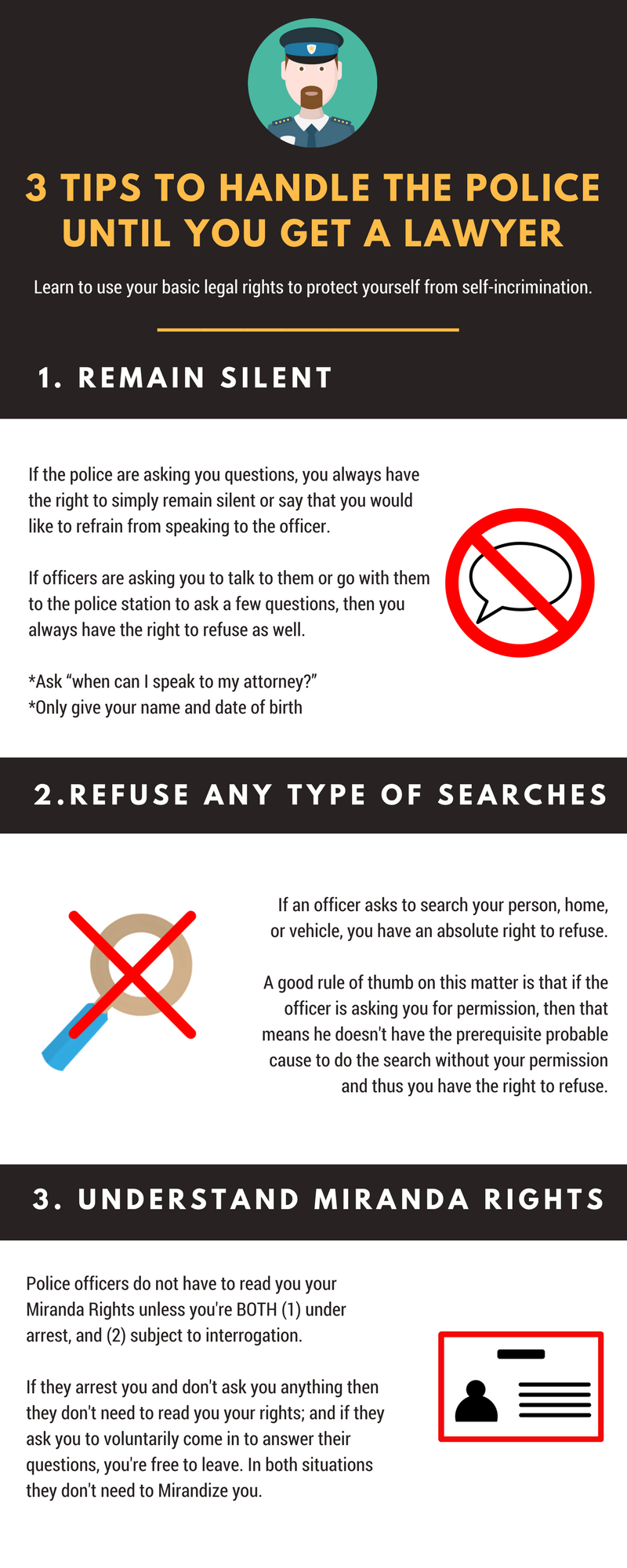
As we move further into the decade, the phrase “what do the cops say when they arrest you” will become increasingly synonymous with “what does the algorithm say about you.” From predictive policing software that attempts to stop crimes before they happen to AI-driven facial recognition that identifies suspects in a crowd of thousands, technology has fundamentally altered the power dynamic between the state and the individual.
The professional response to this shift is not fear, but literacy. By understanding the tools of digital forensics, the limits of corporate compliance, and the power of robust encryption, individuals can ensure that their right to remain silent remains intact—both in the physical world and the digital one. In the end, the most important “word” in a digital arrest isn’t spoken by an officer; it’s the encrypted code that protects the sanctity of personal privacy.
aViewFromTheCave is a participant in the Amazon Services LLC Associates Program, an affiliate advertising program designed to provide a means for sites to earn advertising fees by advertising and linking to Amazon.com. Amazon, the Amazon logo, AmazonSupply, and the AmazonSupply logo are trademarks of Amazon.com, Inc. or its affiliates. As an Amazon Associate we earn affiliate commissions from qualifying purchases.