
In the vacuum of space, human survival depends entirely on the sophisticated technological systems designed to mimic Earth’s life-sustaining environment. While much of the public’s attention focuses on propulsion systems and orbital mechanics, one of the most complex technological challenges in aerospace engineering is the design, preservation, and delivery of nutrition. What astronauts eat in space is not merely a matter of culinary preference; it is a high-tech solution to the physiological demands of microgravity, radiation, and long-duration isolation.
The evolution of space food technology has moved from the “cubes and tubes” era of the 1960s to contemporary systems that utilize advanced biotechnology, material science, and digital monitoring. As we look toward missions to Mars, the technology of space nutrition is undergoing a radical shift from “packaged cargo” to “bioregenerative production.”
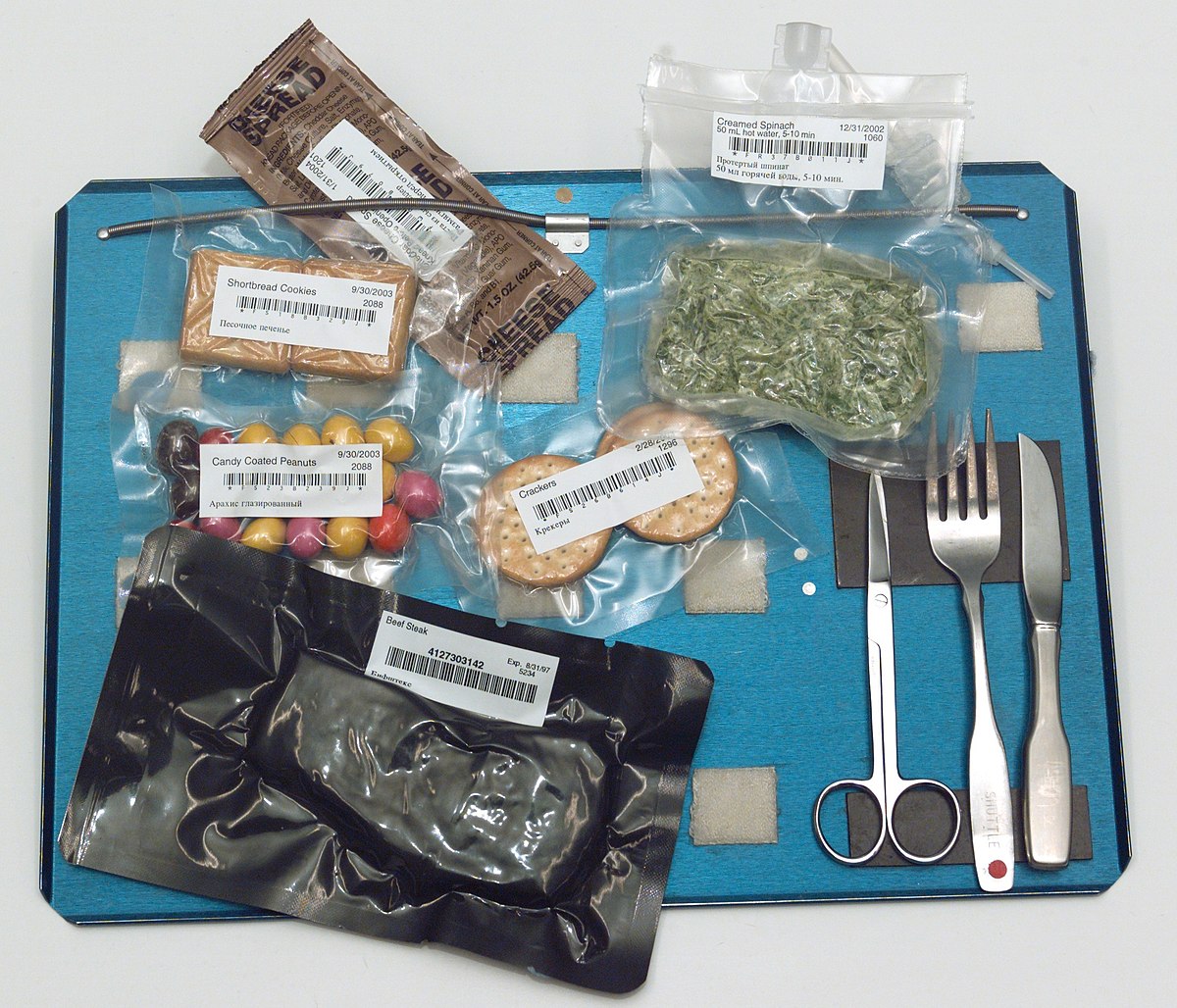
1. The Science of Preservation: Engineering Long-Term Stability
One of the primary technological hurdles for space food is the requirement for extreme shelf-life without refrigeration. On the International Space Station (ISS), food must remain shelf-stable for at least 18 to 24 months. For a mission to Mars, this requirement jumps to five years. Achieving this involves a blend of chemical engineering and advanced material science.
Freeze-Drying and Sublimation Technology
The cornerstone of space nutrition technology is lyophilization, or freeze-drying. This process involves freezing the food and then reducing the surrounding pressure to allow the frozen water in the material to sublimate directly from the solid phase to the gas phase. This tech is critical because it removes 98% of the water content, significantly reducing the weight of the payload—a vital metric in aerospace logistics—while preserving the cellular structure and nutritional integrity of the food. When astronauts are ready to eat, they use sophisticated rehydration stations that inject precise amounts of heated water into specialized valves, restoring the food to its original texture.
Advanced Packaging and Barrier Materials
Technology isn’t just in the food; it is in the container. Modern space food packaging utilizes multi-layered laminate materials. These include layers of ethylene-vinyl alcohol (EVOH) and aluminum foil to create an impermeable barrier against oxygen and moisture. Even a microscopic breach in this barrier could lead to oxidation or microbial growth, jeopardizing the health of the crew. Engineers are currently developing “active packaging” technologies that incorporate oxygen scavengers and antimicrobial sensors that can alert the crew to spoilage before the food is consumed.
2. Microgravity Hardware: The Tech of the Orbital Kitchen
Eating in a weightless environment requires a total reimagining of fluid dynamics and utensil engineering. In microgravity, crumbs are not just a nuisance—they are a high-tech hazard. Floating particles can be inhaled by the crew or drift into delicate electronic cooling fans, causing hardware failure.
Fluid Management and Surface Tension
To manage liquids, NASA and other space agencies utilize the physics of surface tension. Salt and pepper, for instance, are not used in powder form. Instead, engineers have developed a system where salt is dissolved in water and pepper is suspended in oil. This prevents particulates from drifting. Furthermore, the “Space Cup,” a high-tech drinking vessel designed using computational fluid dynamics, uses a specific geometric “channel” that relies on capillary action to pull liquid toward the astronaut’s mouth, mimicking the way humans drink on Earth without the need for a straw.
Specialized Heating and Preparation Units
The “galley” on the ISS is a masterpiece of compact engineering. It features a convection oven that uses forced air to heat food packages and a sophisticated water dispenser that filters and recycles 93% of all onboard fluids (including sweat and urine) into potable water via a Multi-filtration Suitcase. This closed-loop life support system (ECLSS) is essential for maintaining a sustainable nutritional cycle in orbit. The heating elements are designed to be energy-efficient, drawing minimal power from the station’s solar arrays while ensuring that food reaches a safe internal temperature to kill any potential pathogens.
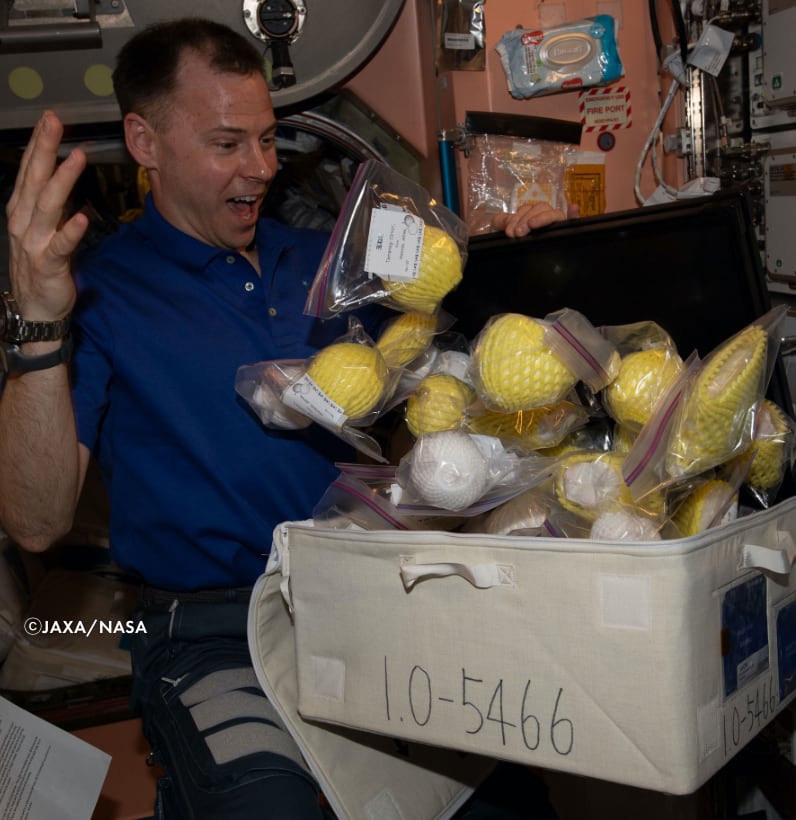
3. The Future of Space Nutrition: Bioregenerative Systems and 3D Printing
As we transition from Low Earth Orbit (LEO) to deep space exploration, the “resupply” model of food technology becomes unfeasible. The lag time and cost of sending cargo to Mars mean that the astronauts of the future must be high-tech farmers.
Hydroponic and Aeroponic Growth Chambers
The “Veggie” system (Vegetable Production System) on the ISS is a current technological pilot for future colonies. These growth chambers use “pillows” of clay-based media and fertilizer to provide nutrients to plant roots. Lighting is provided by specialized LED arrays that emit specific wavelengths of red and blue light, optimized for photosynthesis while minimizing power consumption. Sensors monitor CO2 levels, humidity, and temperature, feeding the data back to Earth-bound scientists who can adjust the growth parameters in real-time. This technology is the precursor to fully automated bioregenerative life support systems.
3D Food Printing and Lab-Grown Protein
One of the most exciting frontiers in space tech is 3D food printing. NASA has funded research into “nutrient-dense inks” that can be stored in powder form for years and then printed into recognizable shapes and textures. This allows for customized nutrition; if an astronaut’s biometrics show a deficiency in Vitamin D, the 3D printer can inject a precise dose of that nutrient into their meal.
Furthermore, cellular agriculture—the tech used to create lab-grown meat—is being tested for space applications. By taking a few animal cells and culturing them in a bioreactor, astronauts could potentially “grow” steak or chicken in a zero-G environment, providing high-quality protein without the logistical impossibility of transporting livestock.
4. Digital Nutrition: Monitoring and AI Optimization
What an astronaut eats is tracked with the same precision as the station’s oxygen levels. Technology plays a massive role in ensuring that the physiological decay caused by space (such as bone density loss and muscle atrophy) is mitigated through data-driven dieting.
The Food Intake Tracker (FIT) App
Astronauts use specialized software, such as the Food Intake Tracker (FIT) app on tablets, to record every meal. This software is linked to a database that calculates the exact caloric and micronutrient intake of each crew member. Using RFID (Radio Frequency Identification) tags on food packaging, the system can automatically update inventory and provide real-time alerts if an astronaut is not consuming enough calories to offset the rigors of their mission.
AI-Driven Nutritional Customization
Recent advancements include the integration of Artificial Intelligence to predict nutritional needs. By analyzing biometric data from wearable sensors—monitoring heart rate, sweat composition, and sleep patterns—AI algorithms can suggest specific meals from the onboard inventory to optimize the astronaut’s cognitive and physical performance for upcoming Extravehicular Activities (EVAs or spacewalks). This level of “precision nutrition” is only possible through the convergence of health-tech and data science.

Conclusion
The question of what astronauts eat in space reveals a sophisticated ecosystem of technological innovation. From the molecular engineering of shelf-stable proteins to the fluid dynamics of drinking in zero-G, every bite taken in orbit is supported by decades of research and development. As we look toward the Moon and Mars, the technology of space food will continue to evolve, moving away from Earth-dependence and toward self-sustaining, high-tech biological systems. In the realm of aerospace, food is no longer just sustenance; it is a critical technological component of the mission’s success.
aViewFromTheCave is a participant in the Amazon Services LLC Associates Program, an affiliate advertising program designed to provide a means for sites to earn advertising fees by advertising and linking to Amazon.com. Amazon, the Amazon logo, AmazonSupply, and the AmazonSupply logo are trademarks of Amazon.com, Inc. or its affiliates. As an Amazon Associate we earn affiliate commissions from qualifying purchases.