
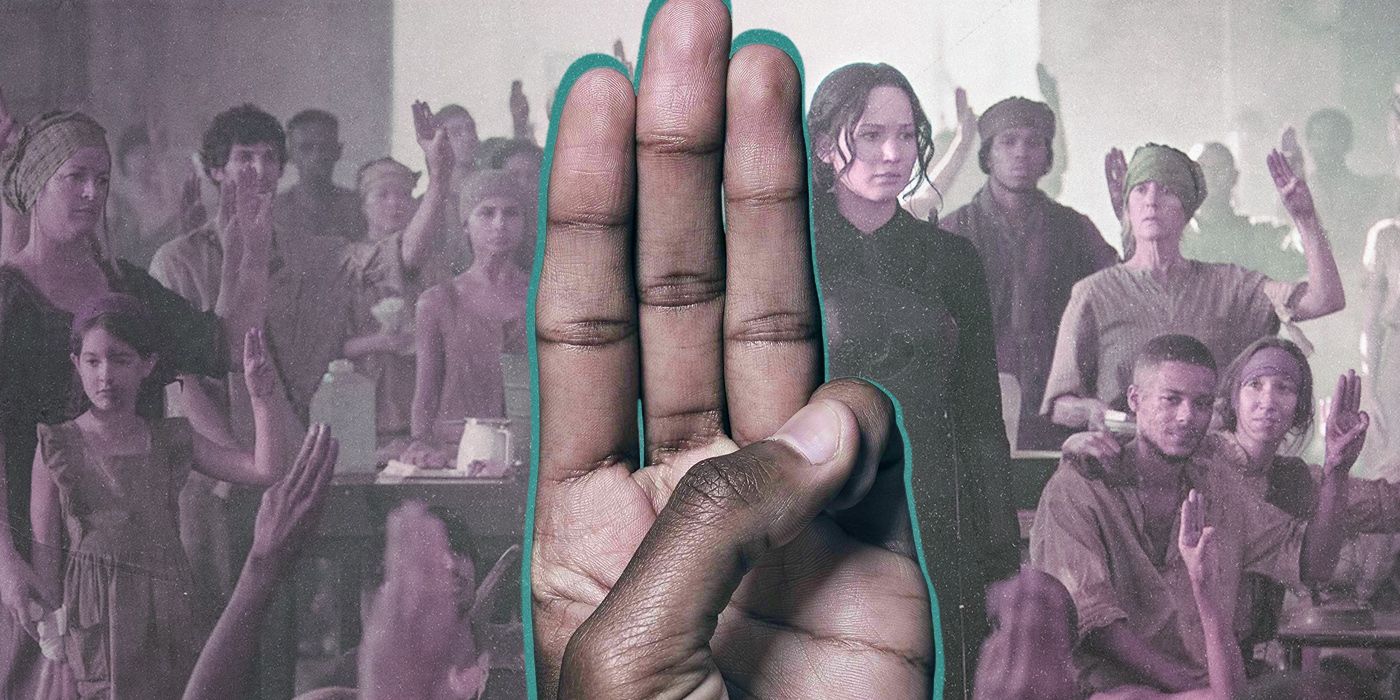
In the realm of global branding, few assets are as potent as a symbol that requires no words, no translation, and no explanation. The “three-finger salute” from the Hunger Games franchise is a premier case study in how a simple visual gesture can transcend its fictional origins to become a globally recognized brand mark. Originally conceived in Suzanne Collins’ literary world as a sign of thanks, admiration, and goodbye to someone you love, the gesture was transformed through cinematic marketing into a powerhouse of visual identity.
To understand what the three fingers mean in the Hunger Games from a branding perspective is to understand the mechanics of symbolic capital. This gesture is not merely a plot point; it is a masterclass in brand architecture, emotional resonance, and the strategic deployment of minimalist design.
The Architecture of a Viral Symbol: Simplicity and Recognition
The most successful brands in the world—Apple, Nike, Mercedes-Benz—all share a common trait: their primary visual identifiers are incredibly simple. The three-finger salute follows this exact blueprint. By distilling a complex emotional and political narrative into a single physical action, the franchise created a “human logo” that fans could replicate and share.
Visual Simplicity and Reproducibility
From a design standpoint, the three-finger salute is the ultimate low-barrier-to-entry brand asset. It requires no specialized equipment, no purchase, and no specific environment. This ease of reproduction is what brand strategists call “organic scalability.” When a symbol is easy to mimic, it spreads faster through social networks. In the context of the Hunger Games brand, this simplicity allowed the gesture to move from the cinema screen to social media profiles and eventually to real-world protests, functioning as a high-recall visual hook that reinforced the brand’s presence in the zeitgeist.
The Psychological Anchor of the “Silent Brand”
Effective branding often relies on what is left unsaid. The three-finger salute is a “silent” brand asset. In the films and books, it is frequently used during moments of intense silence, which increases its emotional weight. For brand managers, this represents the “Peak-End Rule” in psychology—creating a high-intensity emotional anchor that consumers associate with the brand. By using the gesture at the most pivotal moments of the narrative, the Hunger Games creators anchored the entire value proposition of “hope and rebellion” to a single visual cue.
Consistency Across Brand Touchpoints
Consistency is the bedrock of brand trust. Whether it was the book covers, the movie posters, or the promotional trailers, the three-finger salute was maintained as a consistent thread. This consistency ensured that the symbol became synonymous with the “Mockingjay” persona and the broader franchise. When a brand maintains such a high level of consistency with a singular icon, that icon eventually gains the power to stand alone without the brand’s name even being present.
Beyond the Screen: The Transition from Fiction to Cultural Brand
A brand truly reaches its zenith when it is adopted by the public for its own purposes, independent of the original marketing campaign. The three-finger salute did exactly this, moving from a marketing tool for Lionsgate into a real-world symbol of political dissent. This transition illustrates the concept of “Brand Permeation”—when a brand’s values are so clearly defined that they can be applied to real-world scenarios.
The Emergence of Symbol-Driven Activism
In various regions across the globe, the three-finger salute was adopted by activists as a silent protest against authoritarianism. From a branding perspective, this is the ultimate validation of a “Value-Based Brand.” The audience didn’t just see a movie gesture; they saw a symbol that represented their own values of freedom and resistance. This elevated the Hunger Games from a mere entertainment product to a cultural touchstone. The brand stopped being something people watched and became something they used to express their own identity.
Cultural Resonance and the Universal Language
The genius of the gesture lies in its lack of linguistic barriers. Brands often struggle with localization—ensuring their message translates across different cultures and languages. The three-finger salute, however, is a “universal brand.” It carries the same weight in London as it does in Bangkok. By focusing on a physical gesture rather than a slogan, the franchise maximized its global brand equity, ensuring that its core message of defiance remained intact regardless of the local language.
Risks and Rewards of Brand Appropriation
When a brand’s symbol is adopted for political or social movements, it carries both risk and reward for the corporate identity. For the Hunger Games, the real-world use of the salute served as millions of dollars worth of earned media. However, it also meant the brand lost total control over the symbol’s narrative. This is a common challenge for modern brands: in the digital age, your brand is no longer what you say it is, but what the community decides it is.
Branding Rebellion: Managing the Narrative of a Global IP
The way Lionsgate handled the marketing of the Hunger Games sequels, particularly Catching Fire and Mockingjay, provides a blueprint for managing a “Rebel Archetype” brand. They didn’t just sell a movie; they sold a movement.
The “Join the Resistance” Marketing Strategy
The promotional campaigns for the films often blurred the lines between fiction and reality. Posters were designed like propaganda, and the three-finger salute was the centerpiece. This is known as “Immersive Branding.” By inviting the audience to participate in the “District 13” rebellion, the marketers used the salute as a membership badge. This created a sense of “Brand Community,” where fans felt like they were part of an exclusive group of insiders who understood the meaning behind the gesture.
Visual Minimalism in Corporate Identity
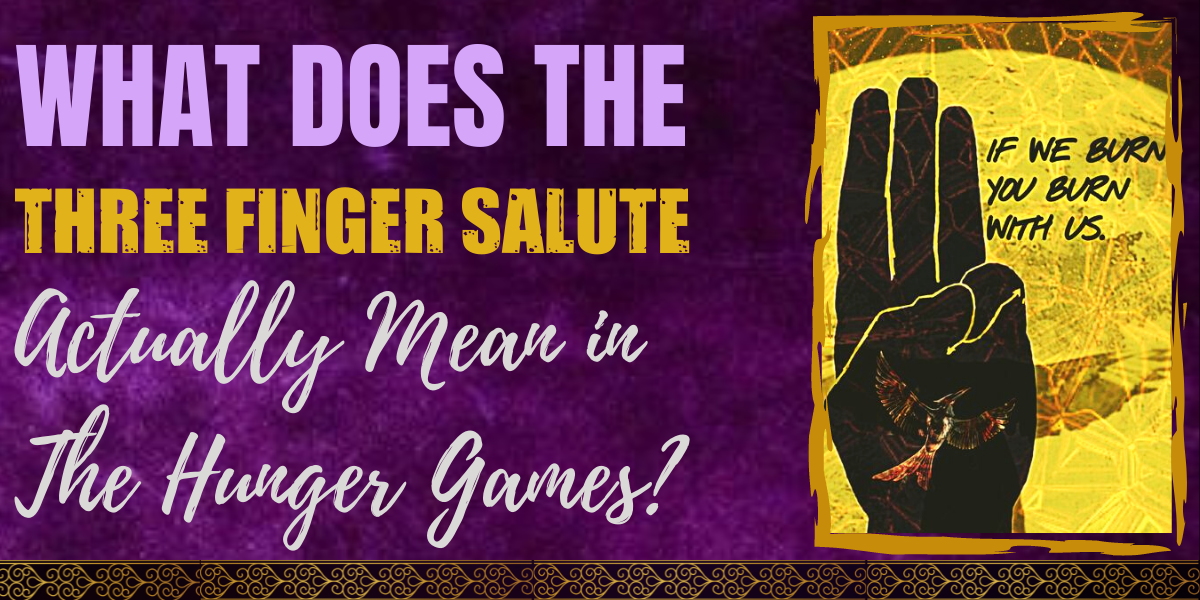
As the franchise progressed, the marketing became increasingly minimalist. One famous poster featured nothing but the three fingers and a release date. This level of confidence is usually reserved for legacy brands like Nike or McDonald’s. It demonstrates the “Recognition Threshold”—the point at which a brand’s secondary assets are so well-known that the primary logo is no longer necessary. The three fingers became the “Swoosh” of the dystopian genre.
Leveraging the “Outlaw” Brand Archetype
In the framework of brand archetypes, the Hunger Games occupies the “Outlaw” or “Rebel” space. The three-finger salute is the visual manifestation of this archetype. People are naturally drawn to brands that challenge the status quo or represent a fight against injustice. By leaning heavily into the salute, the brand managers tapped into a deep-seated human desire for agency and change, making the brand feel essential rather than optional.
Lessons for Modern Brand Managers: The Power of Iconography
The success of the three-finger salute offers several critical lessons for brand managers and corporate strategists looking to build a lasting visual identity in a crowded digital marketplace.
The Necessity of “Distillable” Brand Assets
In an era of short attention spans and “scroll-culture,” brands must be able to distill their entire essence into a split-second visual. If your brand requires a paragraph to explain its values, it will likely fail. The three-finger salute succeeds because it is “distillable.” Modern brand managers should ask: “What is the ‘three-finger salute’ of my brand? What is the one gesture or icon that sums up everything we stand for?”
Building a “Silent” Call to Action
A Call to Action (CTA) doesn’t always have to be a button that says “Buy Now.” Sometimes, the most effective CTA is an invitation to join a movement or adopt a lifestyle. The three-finger salute served as a silent CTA that encouraged engagement without feeling like a sales pitch. This “Soft-Power Branding” is much more effective at building long-term loyalty than aggressive, direct-response marketing.

Scalability through Community Ownership
Finally, the Hunger Games teaches us that the most powerful brands are those that the community feels they own. By creating a symbol that was easy to use and emotionally resonant, the franchise allowed its fans to become brand ambassadors. When your customers start using your brand symbols to tell their own stories, you have achieved the highest level of brand equity.
In conclusion, what the three fingers mean in the Hunger Games is much more than a narrative device for Katniss Everdeen. It is a strategic brand asset that exemplifies the power of simplicity, consistency, and emotional resonance. It proves that in the modern world, a well-crafted symbol is more than just a logo—it is a language, a tool for movement-building, and a permanent fixture in the global cultural landscape. For any brand looking to make a lasting impact, the three-finger salute remains a gold standard for visual storytelling and identity.
aViewFromTheCave is a participant in the Amazon Services LLC Associates Program, an affiliate advertising program designed to provide a means for sites to earn advertising fees by advertising and linking to Amazon.com. Amazon, the Amazon logo, AmazonSupply, and the AmazonSupply logo are trademarks of Amazon.com, Inc. or its affiliates. As an Amazon Associate we earn affiliate commissions from qualifying purchases.