
The annual or biennial emissions test is a ritual for millions of vehicle owners worldwide. While it may seem like a bureaucratic hurdle, the process is actually a sophisticated intersection of environmental policy and high-end automotive technology. In the modern era, “bringing” your car to a testing station involves more than just physical presence; it requires ensuring that your vehicle’s complex digital ecosystem is prepared to communicate effectively with the state’s diagnostic infrastructure.
Understanding the technological requirements of an emissions test is essential for any modern driver. This guide explores the digital components, hardware interfaces, and data protocols you need to have in order to navigate the testing process successfully.
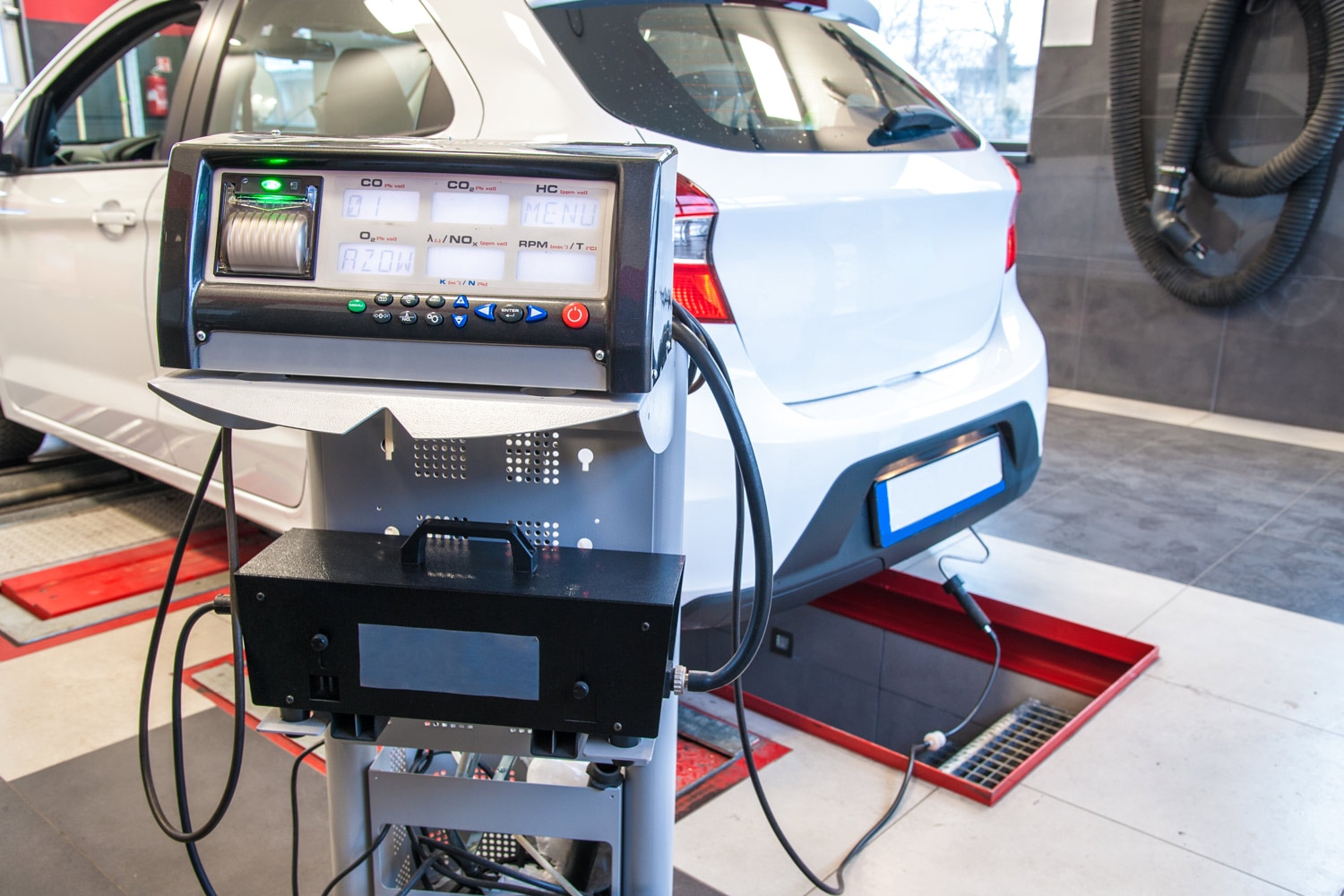
The Digital Core: Understanding OBD-II and Vehicle Data
Since 1996, the cornerstone of emissions testing technology has been the On-Board Diagnostics II (OBD-II) system. When you ask what you need to bring to a test, the most critical “item” is a functional, data-ready OBD-II port.
The Evolution of the OBD-II Interface
The OBD-II system is a standardized digital protocol that allows external hardware to interface with your vehicle’s Electronic Control Unit (ECU). Prior to this standardization, emissions testing relied heavily on “tailpipe testing,” which involved inserting a probe into the exhaust to measure gases. Today, tech-driven inspections focus on the vehicle’s internal self-monitoring. You must ensure your 16-pin DLC (Data Link Connector) is unobstructed and providing a clean signal to the inspector’s diagnostic tool.
The Role of Readiness Monitors
A common tech-related failure in emissions testing is the “Not Ready” status. Your car’s ECU runs a series of software routines known as Readiness Monitors. These programs continuously check the efficiency of the catalytic converter, the oxygen sensors, and the evaporative system. If you recently cleared a trouble code or disconnected your battery, these digital monitors reset. To pass, you must “bring” a car that has completed its “Drive Cycle”—a specific set of driving conditions that allow the software to validate all hardware components.
Interpreting Diagnostic Trouble Codes (DTCs)
The most visible tech component for the driver is the Malfunctioning Indicator Lamp (MIL), commonly known as the “Check Engine” light. This light is the UI (User Interface) for a complex list of Diagnostic Trouble Codes. If this light is illuminated, your vehicle is broadcasting a digital red flag. Bringing a vehicle with an active DTC to an emissions station is a guaranteed technical failure, as the state’s computer will automatically flag the vehicle as non-compliant.
Required Documentation: Digital and Physical Credentials
While the hardware does the talking, the administrative side of emissions testing has also undergone a digital transformation. You need to bring specific data points to verify the vehicle’s identity within the state’s centralized database.
Vehicle Identification Number (VIN) Integration
The VIN is the primary key in the automotive database. Modern testing stations use barcode scanners or automated VIN readers to pull your vehicle’s history from the cloud. When you arrive, ensure your VIN plate (typically found on the dashboard or driver’s side door jamb) is legible. If the physical VIN does not match the electronic VIN (e-VIN) stored in the ECU—common in vehicles with swapped engines or computers—the tech interface will trigger a fraud alert.
Digital Registration and Proof of Ownership
Many jurisdictions now accept digital insurance cards and smartphone-based vehicle registrations. However, the integration between the testing facility and the Department of Motor Vehicles (DMV) relies on accurate account syncing. You should bring your most recent registration renewal notice, which often contains a unique barcode that synchronizes your test results directly with the state’s licensing software, facilitating an instant digital “pass” status.
Software Updates and Recalls
In some cases, a vehicle may fail an emissions test not because of a mechanical part, but due to outdated firmware. Manufacturers frequently release Technical Service Bulletins (TSBs) or software patches to optimize emissions. Before heading to the test, it is wise to check if your vehicle’s ECU requires a flash update. Bringing a vehicle with the latest manufacturer-certified software ensures that the diagnostic sensors are operating within the most current parameters.
The Inspector’s Toolkit: Sensors and Scanning Hardware
The testing facility itself is a hub of specialized technology designed to interrogate your vehicle’s systems. Knowing what happens “under the hood” of the testing station can help you prepare.

High-Speed Data Links
When the technician plugs their lead into your car, they are establishing a high-speed data link to a centralized state server. This server runs proprietary algorithms to detect “tuning” or “chipping.” If you have installed aftermarket performance software (a “tune”), you may need to “bring” your car back to its factory software state. The state’s software is increasingly adept at detecting “cheat devices” or non-standard ECU maps.
Gas Cap Pressure Transducers
Even the humble gas cap is part of the tech ecosystem. Most tests include an Evaporative Emission (EVAP) test. The station uses a pressure transducer to ensure your fuel system is airtight. This prevents gasoline vapors (hydrocarbons) from escaping into the atmosphere. Ensuring your gas cap is the correct OEM (Original Equipment Manufacturer) part is a vital technical detail that is often overlooked.
Visual Inspection Technology
Technicians often use digital borescapes or mirrors to verify the presence of hardware like the catalytic converter and the Exhaust Gas Recirculation (EGR) valve. Even if your software says “Ready,” a physical absence of the required hardware—often detected through high-definition imaging—will result in an immediate failure.
Troubleshooting with Consumer Tech Before the Test
You don’t have to go into an emissions test blind. The democratization of automotive technology allows consumers to “pre-test” their vehicles using affordable gadgets.
Consumer-Grade OBD-II Scanners
For less than the cost of a tank of gas, drivers can purchase Bluetooth or Wi-Fi OBD-II dongles. These devices sync with smartphone apps (such as Torque, DashCommand, or BlueDriver) to provide a real-time dashboard of your car’s health. By “bringing” your own tech to the driveway, you can check your Readiness Monitors and look for “Pending Codes”—issues that haven’t triggered the Check Engine light yet but are stored in the ECU’s memory.
Utilizing Telematics and Apps
Many modern “connected cars” come with built-in telematics services like OnStar or manufacturer-specific apps. These services can often run a remote diagnostic report. Reviewing this report before your emissions appointment can save hours of time, as it will highlight any electronic faults that need to be addressed by a technician before the official state test occurs.
Digital Maintenance Logs
Keeping a digital record of your repairs can be incredibly helpful if your vehicle fails and you need to apply for a “Repair Waiver.” Most states offer a financial threshold; if you spend a certain amount on emissions-related repairs and the car still won’t pass, you may get a temporary pass. Having digital receipts and diagnostic printouts from certified technicians is the required “data” to prove your compliance efforts.
The Future of Emissions Tech: Remote Sensing and AI
The “test” as we know it is evolving. The future of what you need to bring may soon involve nothing at all, as technology moves toward decentralized, continuous monitoring.
Remote Sensing Technology (RSD)
Some states are piloting Remote Sensing Devices. These are roadside sensors that use infrared and ultraviolet beams to measure the exhaust of cars as they drive by. In this tech-heavy future, your “test” happens in real-time on the highway. If your car is consistently “clean” according to these sensors, you may receive a digital notification that you are exempt from visiting a physical testing station.
Artificial Intelligence in Diagnostics
AI is beginning to play a role in predicting emissions failures. Predictive maintenance algorithms can analyze patterns in sensor data to warn drivers weeks before a component fails. This shift from reactive testing to proactive digital monitoring is changing the landscape of automotive compliance, making the traditional “trip to the testing station” a relic of an analog past.

Electric Vehicles and the End of the Emissions Test
As the fleet shifts toward Electric Vehicles (EVs), the very concept of an emissions test is being disrupted. EVs do not have exhaust systems or internal combustion engines, meaning they have no “emissions” to test. For EV owners, the “tech” they bring to the DMV is simply their battery efficiency data and software versioning, signaling a total shift in how we define automotive environmental compliance.
In conclusion, passing an emissions test in the 21st century is a matter of digital preparation. By ensuring your vehicle’s software is updated, your OBD-II system is communicating clearly, and your readiness monitors are set, you turn a stressful inspection into a seamless data exchange. Modern emissions testing is less about what is coming out of your tailpipe and more about the integrity of the data stored within your vehicle’s computer.
aViewFromTheCave is a participant in the Amazon Services LLC Associates Program, an affiliate advertising program designed to provide a means for sites to earn advertising fees by advertising and linking to Amazon.com. Amazon, the Amazon logo, AmazonSupply, and the AmazonSupply logo are trademarks of Amazon.com, Inc. or its affiliates. As an Amazon Associate we earn affiliate commissions from qualifying purchases.