
In the contemporary retail landscape, a product is rarely just a physical object; it is a manifestation of a brand’s promise, its values, and its strategic positioning. When consumers ask, “What do Honey Pot pads do?” they are often looking for more than a list of ingredients or a technical breakdown of absorbency. From a brand strategy perspective, Honey Pot pads represent a paradigm shift in the feminine hygiene category. They act as a catalyst for a broader conversation about wellness, inclusivity, and the disruption of a multi-billion dollar industry that had remained stagnant for decades.

The Honey Pot Co. did not just launch a product; they launched a corporate identity rooted in transparency and community-driven innovation. By examining the brand strategy behind these pads, we can uncover how a small startup transitioned into a household name that challenges legacy corporations through intentional marketing and a hyper-focused brand mission.
Defining the Identity: How The Honey Pot Reimagined Personal Care
The core of any successful brand strategy is the ability to solve a problem while simultaneously telling a compelling story. The Honey Pot Co. achieved this by positioning its products—specifically its herb-infused pads—as a “better-for-you” alternative to conventional options. This section explores how the brand used its identity to carve out a unique niche in the market.
The Origin Story as a Branding Asset
In the world of personal branding and corporate identity, the “Founder’s Story” is a powerful tool. Beatrice Dixon, the founder of The Honey Pot, famously shared her story of suffering from bacterial vaginosis and receiving a vision from an ancestor that provided the formula for her first product.
From a strategic standpoint, this narrative does something that traditional pharmaceutical marketing cannot: it builds immediate trust. By centering the brand around a human experience rather than a clinical trial, The Honey Pot created an emotional connection with its audience. The pads “do” more than provide hygiene; they serve as a testament to the brand’s commitment to solving real-world problems through heritage and natural science.
Authenticity in a Saturated Market
For years, the feminine care aisle was dominated by a handful of massive conglomerates that utilized clinical, often sterilized marketing. The Honey Pot disrupted this by adopting a brand voice that was direct, relatable, and unapologetically bold.
Their slogan, “Made by humans with vaginas, for humans with vaginas,” is a masterclass in brand positioning. It signals inclusivity while asserting the brand’s authority and lived experience. This level of authenticity is a key differentiator in a market where consumers—particularly Millennials and Gen Z—are increasingly skeptical of traditional corporate messaging. The brand’s identity is built on being an “insider” to the consumer’s experience, rather than a detached corporate entity.
Marketing the “Vibe”: Strategic Messaging and Social Proof
Great brands don’t just sell products; they sell a lifestyle and a set of values. The Honey Pot pads are marketed not just as functional items, but as part of a holistic self-care ritual. This strategic messaging has been instrumental in building a cult-like following.
Leveraging Inclusivity and Representation
One of the most significant things Honey Pot pads “do” for the brand’s market share is provide a sense of belonging to underserved demographics. Historically, the wellness and “natural” products industry has been criticized for a lack of diversity. The Honey Pot challenged this by placing a Black woman at the forefront of the brand and ensuring that its marketing materials reflected a wide range of body types and backgrounds.
This inclusive approach isn’t just a moral choice; it is a savvy business strategy. By targeting a consumer base that felt ignored by legacy brands, The Honey Pot built a fiercely loyal community. When a brand makes a consumer feel seen, the product becomes a badge of identity, leading to higher retention rates and organic word-of-mouth marketing.
Navigating Controversy as a Brand Catalyst
In 2020, The Honey Pot was featured in a Target commercial where Dixon stated, “The reason why it’s so important for The Honey Pot to do well is so the next Black girl that comes up with a great idea could have a better opportunity.” This sparked a backlash from a segment of the public who viewed the comment as exclusionary, leading to a “review bombing” of the brand’s products online.
However, the brand’s response was a masterclass in crisis management and brand loyalty. Instead of backpedaling, the brand leaned into its mission. The result was a massive groundswell of support from their core community, leading to record-breaking sales and a significant increase in brand awareness. This incident demonstrated that a strong brand identity can turn potential PR disasters into opportunities for growth and deeper consumer connection.
Retail Placement and Visual Branding Strategy
The physical presence of a product on a shelf is a silent but powerful communicator of brand value. The Honey Pot’s visual identity and retail strategy were carefully crafted to bridge the gap between “natural/niche” and “accessible/mass-market.”
The Power of Packaging and Shelf Presence
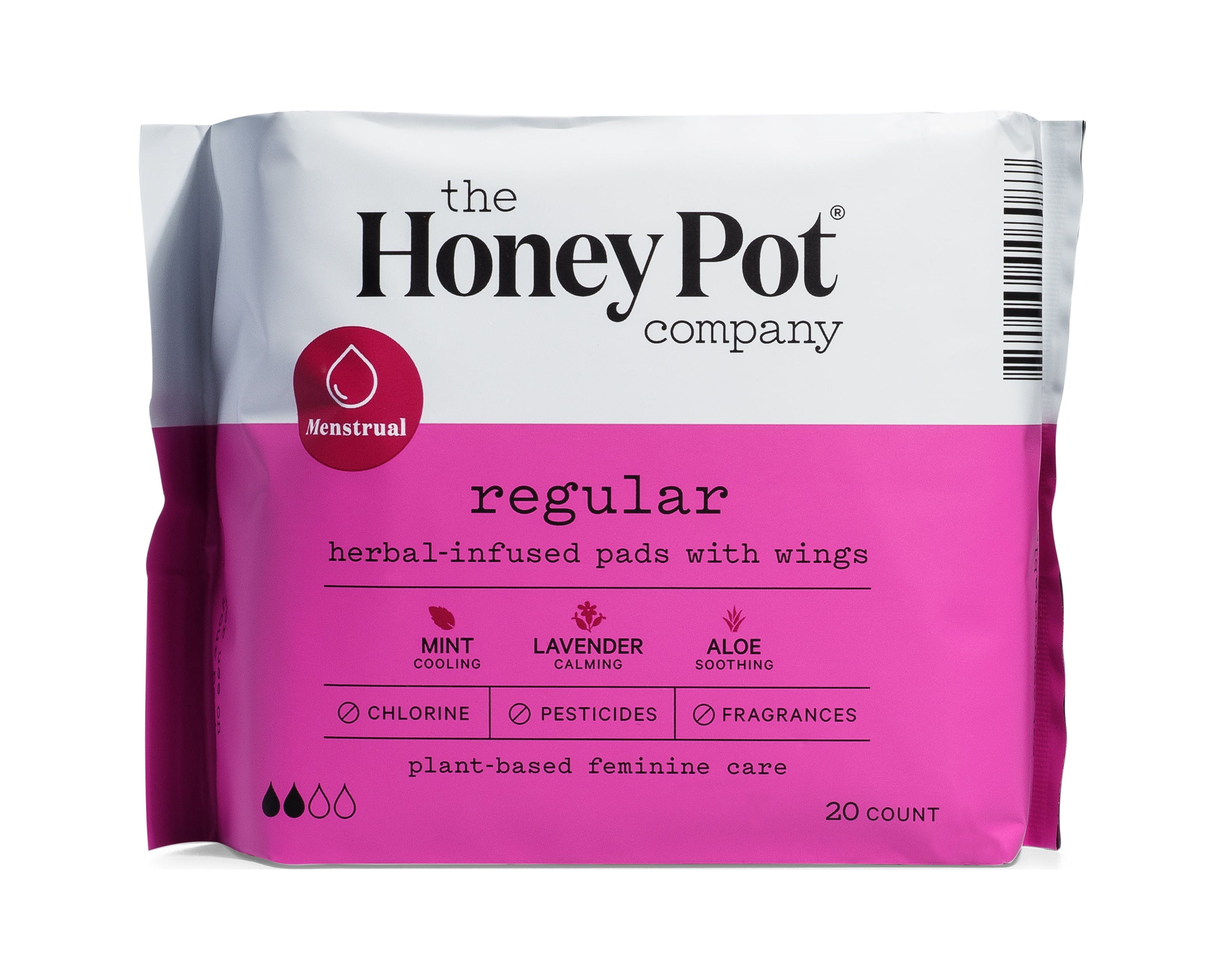
When you look at The Honey Pot pads on a shelf, the packaging does heavy lifting for the brand. The use of clean, minimalist design paired with soft, approachable colors differentiates it from the loud, neon-colored packaging of traditional brands.
The strategic use of terminology like “herbal infused” and “plant-derived” is prominently displayed, catering to the “clean beauty” movement. This visual branding signals to the consumer that the product is a premium, specialized item, justifying a higher price point than generic alternatives while remaining accessible within a retail environment like Target or Walmart.
Transitioning from Direct-to-Consumer to Big Box Retail
The Honey Pot’s transition from a kitchen-table startup to a massive retail presence is a case study in scalable brand strategy. Many boutique brands fail when they enter big-box retail because they lose the “soul” of the brand in an attempt to appeal to everyone.
The Honey Pot avoided this by maintaining its core messaging even as it scaled. They utilized a “land and expand” strategy, starting with a few key products (the pads and washes) and then expanding into a full suite of wellness items. This allowed them to own a larger share of the “shelf real estate,” reinforcing their brand identity as a comprehensive wellness solution rather than a one-off product manufacturer.
Building Customer Loyalty through Value-Based Branding
In the modern economy, brand equity is built through the exchange of value beyond the transaction. The Honey Pot understands that to keep a customer, they must provide education and advocacy.
The Role of Education in Product Marketing
What Honey Pot pads “do” in the digital space is act as an entry point for wellness education. The brand’s social media channels and blog are filled with information about menstrual health, vaginal pH, and the benefits of botanical ingredients.
By positioning the brand as an educator, they move from being a “vendor” to being a “trusted advisor.” This is a sophisticated brand strategy that increases customer lifetime value. A customer who learns about their body from a brand is much more likely to remain loyal to that brand’s product ecosystem.
Long-term Brand Equity and the Acquisition Landscape
The ultimate success of a brand strategy is often measured by its valuation and its longevity. In early 2024, it was announced that Compass Diversified would acquire a majority stake in The Honey Pot Co. for an enterprise value of $380 million.
This acquisition is a significant milestone that validates the brand’s strategy. It proves that a brand built on a specific cultural identity and a disruptive product can achieve massive financial success without losing its core mission. For investors and market analysts, The Honey Pot serves as a blueprint for how personal care brands can leverage community and authenticity to create substantial corporate value.

Conclusion: The Brand is the Product
When we ask what Honey Pot pads do, we find that their function is dual-purpose. Physically, they provide a plant-derived alternative for personal care. Strategically, however, they act as the cornerstone of a brand that has redefined what it means to be a modern wellness company.
The Honey Pot Co. has shown that a successful brand strategy requires more than just a good product. It requires a courageous voice, a commitment to inclusivity, and the ability to turn a founder’s vision into a collective community movement. By focusing on “humans with vaginas” and refusing to dilute their identity for the sake of mass-market comfort, they didn’t just sell pads—they built a legacy. For entrepreneurs and brand strategists, the lesson is clear: authenticity isn’t just a buzzword; it is the most valuable asset a brand can own.
aViewFromTheCave is a participant in the Amazon Services LLC Associates Program, an affiliate advertising program designed to provide a means for sites to earn advertising fees by advertising and linking to Amazon.com. Amazon, the Amazon logo, AmazonSupply, and the AmazonSupply logo are trademarks of Amazon.com, Inc. or its affiliates. As an Amazon Associate we earn affiliate commissions from qualifying purchases.