
In the world of corporate identity and marketing, few roles are as complex or as strategically significant as that of a First Lady. While the title is rooted in politics and history, the actual mechanics of what a First Lady “does” are a masterclass in high-stakes personal branding, reputation management, and strategic communication. Without a formal job description or a government salary, the First Lady must build a brand from scratch that complements the “corporate” identity of the administration while maintaining an individual persona that resonates with a global audience.
To understand what First Ladies do, one must look past the tea ceremonies and state dinners. Instead, we must view the role through the lens of brand strategy. They are, in essence, the Chief Brand Officers of the executive branch—tasked with humanizing a political machine, championing high-impact social causes, and managing a personal legacy that must endure long after their term ends.
The Architecture of Soft Power: Defining the Brand Strategy
The primary function of a First Lady is the exercise of “soft power.” In branding terms, this is the ability to influence behavior and perception through appeal and attraction rather than coercion or payment. Because the position has no legislative authority, the First Lady’s impact is entirely dependent on the strength and clarity of her brand identity.
From Supportive Spouse to Independent Advocate
Historically, the brand strategy for a First Lady was centered on “support.” The goal was to provide a domestic balance to the President’s political persona. However, in the modern era, the strategy has shifted toward “independent advocacy.” A successful First Lady must now carve out a unique brand niche that is distinct from the President. This requires a delicate balance: she must be autonomous enough to be respected as a leader, yet aligned enough with the administration to avoid brand friction. This is the ultimate exercise in brand positioning—finding the “White Space” where she can operate without overstepping constitutional bounds.
Establishing the Visual Identity
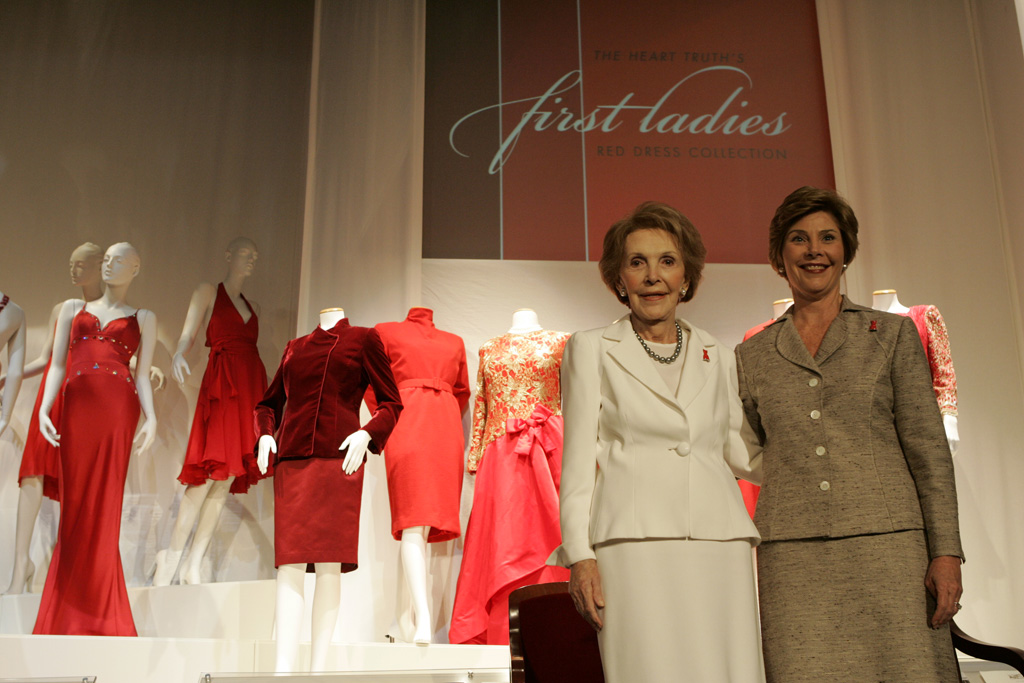
In branding, visual identity is the first point of contact with the consumer. For a First Lady, this includes everything from her fashion choices to the interior design of the White House. These are not merely aesthetic decisions; they are strategic communications. Every garment worn at a State Dinner is a calculated piece of “sartorial diplomacy,” designed to signal respect for a visiting nation or to promote local industries. By curating a specific visual narrative, the First Lady establishes a recognizable aesthetic that reinforces her brand’s core values—whether those values are tradition, modernity, accessibility, or sophistication.
Advocacy and Social Impact: Aligning Personal Values with Corporate Identity
A brand without a purpose is merely a logo. For a First Lady, her “purpose” is her platform. What she “does” is act as a high-level influencer for specific social causes. This is identical to Corporate Social Responsibility (CSR) in the business world. By aligning herself with a cause, the First Lady gives her brand a heartbeat and a mission statement.
The Choice of “The Cause” as a Strategic Pivot
Choosing a platform—be it literacy, childhood obesity, or youth mental health—is a critical strategic pivot. This choice defines the First Lady’s “market segment.” When a First Lady selects a cause, she is essentially launching a long-term awareness campaign. She uses her visibility to aggregate resources, bring stakeholders together, and shift public discourse. This is not philanthropy for the sake of charity; it is a strategic alignment where the cause benefits from the First Lady’s brand equity, and the First Lady’s brand gains moral authority through the cause.
Building Global Recognition through Social Responsibility
The most effective First Ladies treat their causes like global brands. They develop slogans (e.g., “Just Say No,” “Let’s Move,” “Be Best”), partner with major NGOs, and utilize multi-channel communication strategies to reach their audience. By doing so, they transcend the role of a political spouse and become global icons of social change. This phase of their work is about “impact scaling”—taking a niche issue and using the platform of the White House to make it a national or international priority.
Reputation Management in the Public Eye
Perhaps the most grueling part of what a First Lady does is the constant management of her public image. In the age of 24-hour news cycles and social media, a First Lady’s brand is under perpetual scrutiny. This requires a level of reputation management that exceeds even that of the most visible Fortune 500 CEOs.
Navigating Crisis and Public Sentiment
Every administration faces crises, and the First Lady often serves as the “Emotional Anchor” for the national brand. When the political brand of the President is under fire, the First Lady’s role is to maintain a steady, empathetic, and dignifying presence. She manages the “human” side of the crisis. Her ability to remain “on-brand” during moments of political volatility is crucial for stabilizing public sentiment. This involves a rigorous understanding of her target audience—the public—and an ability to communicate authenticity even in highly scripted environments.
The Art of the Controlled Message
In brand management, controlling the narrative is everything. First Ladies do not have the luxury of “off days.” Every interview, speech, and public appearance is a touchpoint that either strengthens or weakens the brand. They work with teams of communications experts to ensure that their messaging is consistent. This disciplined approach to communication ensures that the “First Lady Brand” remains cohesive, preventing the kind of “brand dilution” that occurs when a public figure tries to be too many things to too many people.
Legacy Branding: Creating a Perpetual Personal Brand
The work of a First Lady does not end when the administration leaves office. In fact, for many, the “post-White House” era is where the brand reaches its full maturity. What First Ladies do in their final years of service is prepare for the transition from a temporary political role to a permanent global brand.
Beyond the Term: The Transition to Global Icon
The most successful First Ladies understand that their brand is an asset that can be leveraged for decades. By the time they leave the White House, they have built immense brand equity. This is later converted into best-selling memoirs, high-impact foundations, and lucrative speaking tours. They transition from “The President’s Wife” to a “Global Thought Leader.” This transition is a masterclass in brand evolution—taking the core values established during their time in Washington and adapting them to a broader, commercial, and philanthropic stage.
The Enduring Power of the Institutional Brand
Ultimately, what First Ladies “do” is contribute to the institutional brand of the Presidency itself. They are the curators of the office’s history and the protectors of its dignity. By maintaining a high standard of personal branding, they ensure that the role remains prestigious for those who follow. This “Legacy Branding” ensures that the First Lady is remembered not just for the policies she supported, but for the “brand promise” she kept: a promise of service, leadership, and grace under pressure.
Conclusion: The First Lady as a Branding Pioneer
When we ask “what do first ladies do,” we are really asking how an individual manages a world-class brand without a formal mandate. They are strategists, diplomats, communicators, and advocates. They navigate the complex intersection of personal identity and public service, creating a brand that must be both aspirational and relatable.
In the modern landscape, the First Lady serves as a blueprint for any leader or organization looking to build a brand based on soft power and social impact. By meticulously managing their visual identity, strategically choosing their causes, and protecting their reputation with unwavering discipline, First Ladies demonstrate that the most powerful brands are not bought—they are built through consistency, purpose, and the strategic exercise of influence. Whether in the East Wing or the boardroom, the lessons of the First Lady’s brand strategy remain a definitive guide to leadership in the public eye.
aViewFromTheCave is a participant in the Amazon Services LLC Associates Program, an affiliate advertising program designed to provide a means for sites to earn advertising fees by advertising and linking to Amazon.com. Amazon, the Amazon logo, AmazonSupply, and the AmazonSupply logo are trademarks of Amazon.com, Inc. or its affiliates. As an Amazon Associate we earn affiliate commissions from qualifying purchases.