
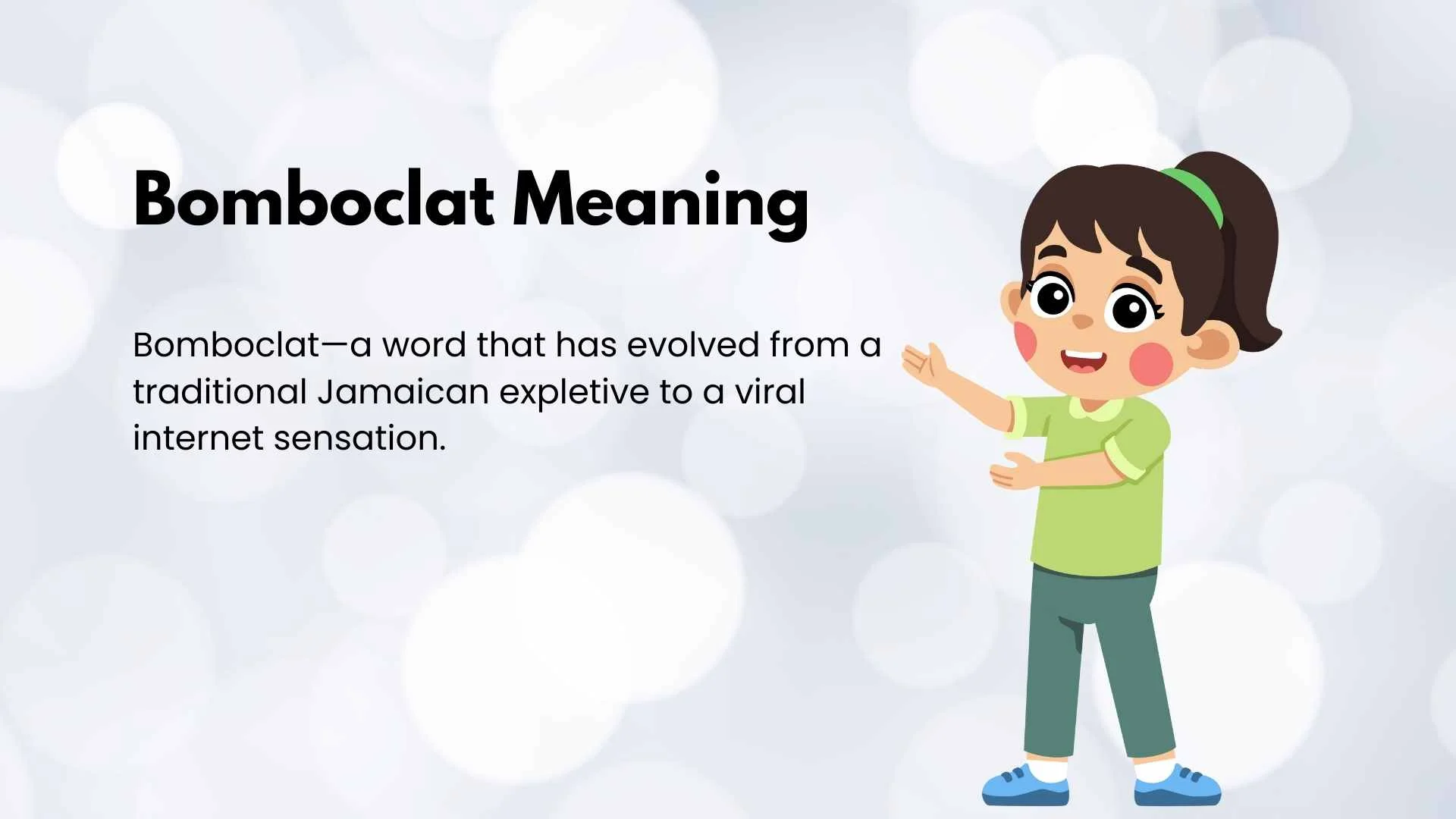
In the rapidly evolving landscape of global communication, the intersection of traditional linguistics and modern technology often produces fascinating phenomena. One such example is the term “bomboclaat” (frequently spelled “bomboclat” or “bumbaclot”). While its roots are firmly planted in Jamaican Patois, its journey through the digital ecosystem—from Twitter memes to TikTok audio trends and AI-driven sentiment analysis—offers a compelling case study for tech enthusiasts and digital analysts. Understanding what “bomboclaat” means today requires looking beyond the dictionary and into the algorithms, data structures, and social platforms that have redefined its usage for a global audience.
The Algorithmic Proliferation of Cultural Slang
The transition of “bomboclaat” from a localized Jamaican expletive to a global digital placeholder is a testament to the power of social media algorithms. In the tech world, we often discuss the “virality” of content, but we rarely examine the specific linguistic vehicles that drive engagement metrics.
From Patois to Platform: The Twitter Evolution
In late 2019 and early 2020, the term “bomboclaat” underwent a digital transformation on X (formerly Twitter). It effectively replaced “Sco Pa Tu Manaa” as a “caption this” prompt. From a technical perspective, this wasn’t just a trend; it was a shift in user interaction patterns. Users would post an image—often something shocking, funny, or inexplicable—and caption it with the word.
The platform’s algorithm recognized the high engagement rates (replies, retweets, and likes) associated with this specific keyword. Because the word carries a heavy phonetic weight and a history of expressive emphasis, it served as a perfect “engagement bait” tool. Tech analysts observed that the term functioned less as a word and more as a metadata tag, signaling to the algorithm that the accompanying image was meant for public commentary.
The Role of TikTok and Audio Fingerprinting
On TikTok, the term “bomboclaat” evolved through audio-centric technology. The platform’s “Original Sound” feature allowed creators to use snippets of Jamaican dancehall music or comedic skits where the word was used emphatically. This created a digital “audio fingerprint” that the TikTok algorithm used to categorize content.
When a user interacts with a video containing the “bomboclaat” tag or audio, the recommendation engine (the For You Page) begins to map their interests towards Caribbean culture, high-energy comedy, or specific meme formats. Here, the word acts as a data point in a complex machine-learning model designed to predict user retention.
Natural Language Processing (NLP) and the Challenge of Contextual Slang
For software engineers and AI researchers, terms like “bomboclaat” represent a significant hurdle in Natural Language Processing (NLP). Standard English models often struggle with “code-switching” and the nuance of African American Vernacular English (AAVE) or Caribbean Patois.
The Problem of Sentiment Analysis
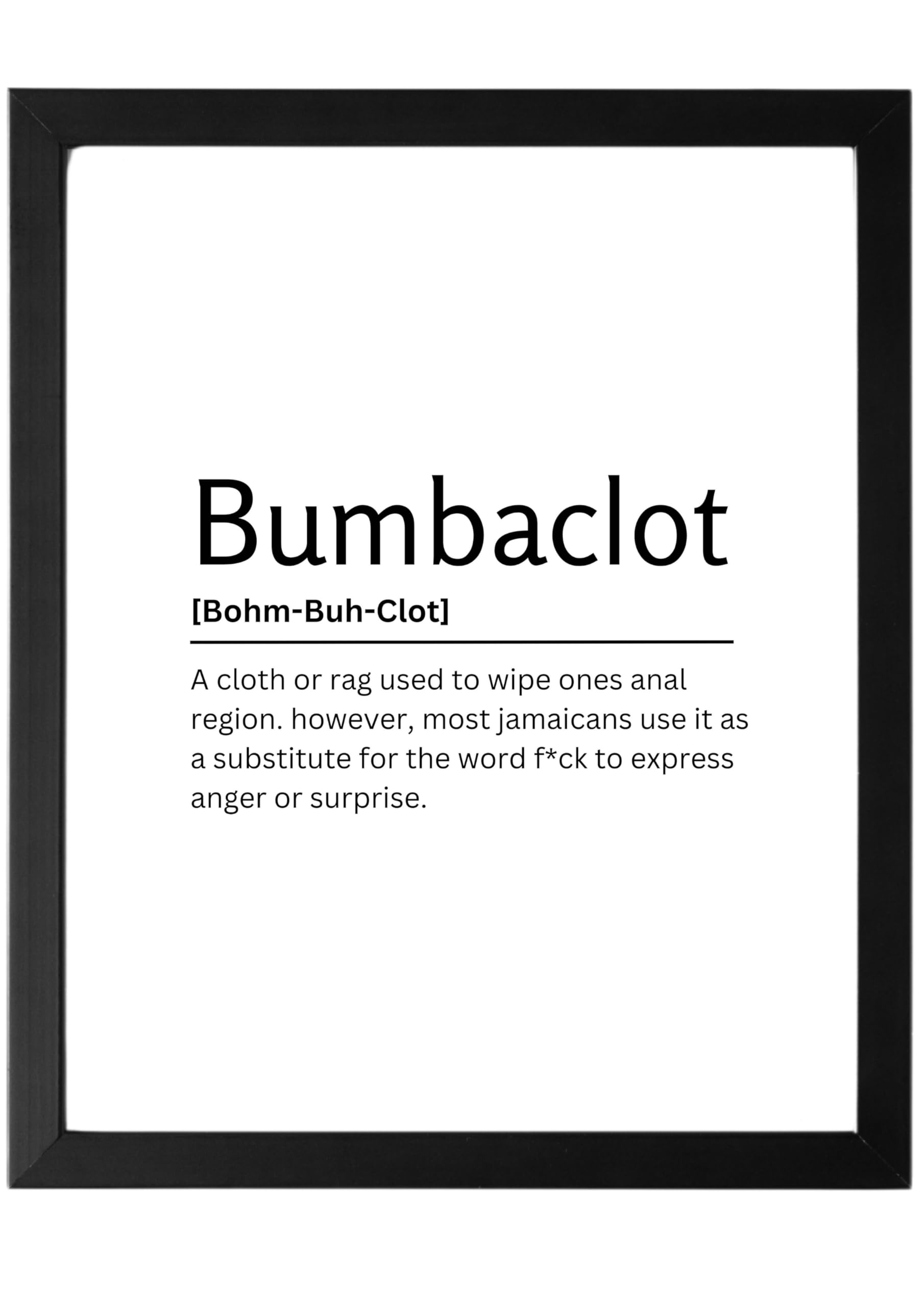
Sentiment analysis is a branch of AI that determines whether a piece of text is positive, negative, or neutral. For a term like “bomboclaat,” traditional AI models often fail. Historically, the word is a profanity, derived from “bombo” (a reference to the nether regions) and “claat” (cloth—referencing menstrual cloths or toilet paper). In a literal, old-school dataset, an AI would flag this as “offensive” or “toxic.”
However, in the digital tech space, the sentiment is often one of “surprised” or “impressed.” If a tech reviewer posts a photo of a groundbreaking new GPU with the caption “Bomboclaat!”, they aren’t insulting the hardware; they are expressing awe. Training Large Language Models (LLMs) like GPT-4 or Gemini to understand this contextual shift is a major focus for developers working on content moderation and social listening tools.
Diversity in Training Data
The prevalence of “bomboclaat” in digital spaces highlights the need for more diverse training datasets. If an AI is only trained on “Standard” English, it will misinterpret the communications of millions of users. Tech companies are now forced to integrate “slang dictionaries” and “cultural context layers” into their software to ensure that automated moderation doesn’t unfairly shadow-ban or penalize users for using culturally specific emphasis.
The Digital Infrastructure of Global Memetics
Beyond the linguistics, the “bomboclaat” phenomenon is a story of how digital infrastructure facilitates the rapid spread of culture. This is a matter of “digital pipes” and how information is cached and distributed across the globe.
Content Delivery Networks (CDNs) and Rapid Propagation
When a “bomboclaat” meme goes viral, it is distributed via Content Delivery Networks (CDNs) to servers closest to the users. Within seconds, a term used in a Kingston street can be trending in London, New York, and Lagos. The tech behind this—high-speed data transfer and low-latency edge computing—is what allows a cultural expression to become a global standard in real-time.
For developers, this illustrates the “global village” effect. The speed at which a word can change meaning is now tied to the speed of the internet. We are seeing a compression of linguistic evolution; what used to take decades of human interaction now takes forty-eight hours of high-speed data cycling.
Data Mining and Trend Forecasting
Tech companies use tools to mine “bomboclaat” and similar terms to forecast trends. By analyzing the frequency of these terms, data scientists can identify the “Next Big Thing” in digital subcultures. If the usage of the term spikes in conjunction with a specific visual style or music genre, companies can adjust their UI/UX or content strategy to align with that emerging aesthetic. This is a form of predictive analytics that turns cultural slang into actionable business intelligence.
Ethics and Digital Sovereignty: Protecting Cultural Data
As we analyze “bomboclaat” through a tech lens, we must address the ethics of digital appropriation and the role of tech giants in managing cultural heritage.
The “Black Box” of Algorithmic Bias
There is a growing concern in the tech community about “digital colonialism.” When platforms profit from the engagement generated by terms like “bomboclaat” without acknowledging or protecting the community it comes from, it creates a lopsided value exchange. Furthermore, if the algorithms are programmed to see Patois as “low-quality” or “unprofessional” content, the very people who created the slang are penalized by the tech that popularized it.
Engineers are now working on “Fairness, Accountability, and Transparency” (FAT) in AI to ensure that cultural nuances are respected. This involves creating “Ethical AI” frameworks that can distinguish between a cultural expression and actual hate speech.
Digital Literacy and the User Experience (UX)
From a UX design perspective, platforms are beginning to integrate features that allow for better cultural expression. This includes more inclusive hashtagging systems and “context buttons” that help users from different backgrounds understand the nuance of viral terms. Understanding “what bomboclaat means” is, for a UX designer, an exercise in building empathy into the software. It’s about creating a digital environment where a user from Jamaica and a user from Japan can interact within the same meme-space without the original meaning being entirely lost to the “digital noise.”
Conclusion: The Word as a Digital Artifact
The term “bomboclaat” is no longer just a word; it is a digital artifact. It is a cluster of data that moves through our fiber-optic cables, gets processed by our neural networks, and triggers responses in our recommendation engines. For the tech world, it serves as a reminder that the software we build is not separate from the humans who use it.
As we move toward a future defined by Web3, decentralized social media, and even more advanced AI, the journey of “bomboclaat” offers a roadmap. It shows us that technology will always be influenced by the raw, unfiltered energy of human culture. Whether it’s being used to train a chatbot to understand Caribbean nuances or being analyzed by a data scientist to predict the next viral wave, “bomboclaat” represents the vibrant, messy, and fascinating intersection where code meets community.
In the end, understanding this term isn’t just about knowing a definition; it’s about understanding how technology has become the primary lens through which we view, share, and redefine the human experience. For the digital professional, “bomboclaat” is a signal in the noise—a testament to the enduring power of language in a world of 1s and 0s.
aViewFromTheCave is a participant in the Amazon Services LLC Associates Program, an affiliate advertising program designed to provide a means for sites to earn advertising fees by advertising and linking to Amazon.com. Amazon, the Amazon logo, AmazonSupply, and the AmazonSupply logo are trademarks of Amazon.com, Inc. or its affiliates. As an Amazon Associate we earn affiliate commissions from qualifying purchases.