
The mystery of how the ancient Maya supported vast populations in the heart of the Central American rainforest has long puzzled historians. For decades, the narrative was limited to simple slash-and-burn agriculture and a reliance on the “three sisters”—maize, beans, and squash. However, the emergence of cutting-edge technology has revolutionized our understanding of Mayan nutrition. Through the lens of high-tech archaeological tools, digital modeling, and molecular biology, we are finally answering the question of what the Mayans ate with unprecedented precision.
High-Tech Archaeological Tools: Rewriting the Agricultural Map
The dense jungle of the Petén Basin and the Yucatán Peninsula once acted as a green veil, hiding the true scale of Mayan food production. Traditional ground surveys were slow and often missed large-scale features. Today, technology has stripped away the forest floor to reveal a sophisticated industrial agricultural system.
LiDAR: Seeing Through the Jungle Canopy
Light Detection and Ranging (LiDAR) is perhaps the most significant technological leap in Mesoamerican archaeology. By firing millions of laser pulses from an aircraft to the ground, researchers can create high-resolution 3D maps of the terrain, bypassing the thick vegetation.
LiDAR data has revealed that the Maya did not just plant small gardens; they re-engineered the landscape. The technology has uncovered thousands of hectares of raised fields (called chinampas in some contexts) and terraced hillsides. These features indicate a highly tech-oriented approach to water management and soil erosion control, allowing them to produce a massive surplus of root vegetables and maize that supported millions more people than previously estimated.
Satellite Imagery and Multispectral Analysis
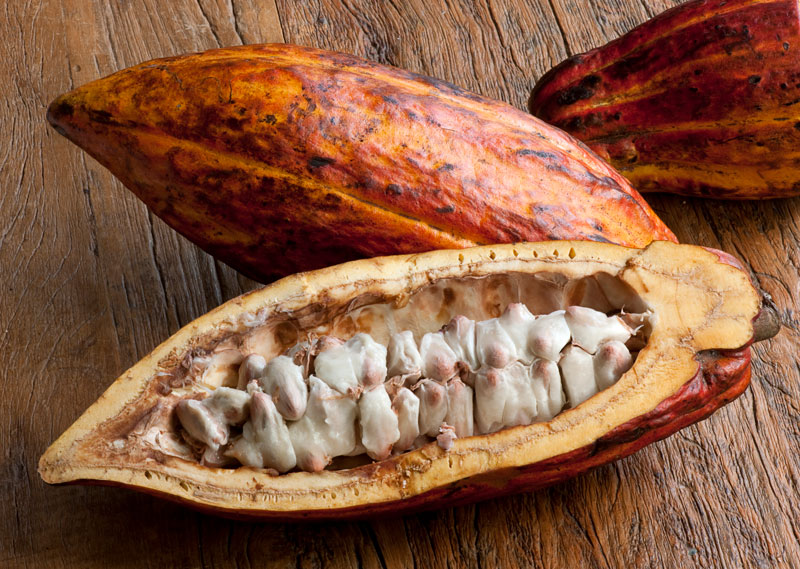
Beyond LiDAR, archaeologists now utilize multispectral satellite imagery to detect “spectral signatures” of ancient vegetation. Even though the Mayan cities were abandoned over a millennium ago, the chemical composition of the soil—altered by centuries of specific crop cultivation and waste disposal—still affects the way modern plants reflect light. By analyzing these nuances in the light spectrum, tech-driven researchers can identify where ancient orchards of cacao or avocado once stood, mapping out the “food forests” that supplemented the Mayan diet.
Biomolecular Archaeology: The Science of What Remained
While mapping tools tell us where food grew, biomolecular technology tells us exactly what entered the Mayan body. We no longer rely solely on pottery paintings or stone carvings; we look at the microscopic residues left behind in the very bones and ceramic vessels of the Maya.
Isotope Analysis: You Are What You Ate
Stable isotope analysis of human remains is the gold standard in modern dietary reconstruction. By analyzing the ratios of carbon and nitrogen isotopes in ancient tooth enamel and bone collagen, bioarchaeologists can determine the primary sources of protein and carbohydrates in an individual’s diet.
For the Maya, this technology has debunked the “maize-only” myth. While carbon isotopes confirm that maize (a C4 plant) was a staple, nitrogen isotopes have revealed a surprisingly high consumption of marine life and riverine resources, even in inland cities. The data shows that the Maya utilized sophisticated trade routes to transport salted fish and shellfish from the coast, a feat of logistical “tech” in its own right. Furthermore, isotope analysis allows us to distinguish between the diets of the elite and the commoners, revealing that while the elite enjoyed high-protein diets and cacao, the working class relied more heavily on complex plant-based nutrition.
Paleobotanical Recovery and Starch Grain Analysis
Technological advancements in microscopy have enabled the study of micro-remains such as phytoliths (silica structures in plants) and starch grains. These microscopic “fossils” are often found on the edges of stone grinding tools or inside the pores of ceramic cooking pots.
Using Scanning Electron Microscopy (SEM), researchers have identified residues of chili peppers, vanilla, and diverse species of tubers like manioc (cassava). This evidence suggests the Mayan diet was far more varied and nutritionally balanced than the early historical record suggested. The ability to extract and identify these microscopic particles allows us to reconstruct the exact recipes and culinary techniques used in Mayan kitchens, bridging the gap between ancient survival and modern gastronomy.
Artificial Intelligence and Big Data in Historical Dietary Reconstruction
The volume of data generated by LiDAR and bioarchaeological studies is too vast for human researchers to process alone. This is where Artificial Intelligence (AI) and Big Data analytics have become essential tools for understanding ancient food systems.
Predictive Modeling for Crop Yields
Researchers now use AI algorithms to simulate the ancient Mayan climate and soil conditions. By inputting variables such as rainfall patterns, soil pH levels, and estimated population densities, these models can predict the agricultural output of specific regions.
These digital simulations have shown that the Maya likely faced “agricultural stress” during prolonged droughts. AI helps us visualize how they pivoted their diet during these times, moving from water-heavy crops like maize to more drought-resistant varieties of root vegetables and forest foraging. This predictive tech allows us to understand the Mayan diet not as a static menu, but as a dynamic, adaptive system that responded to environmental pressures.
Digital Reconstructions of Ancient Markets
Using 3D modeling software and Geographic Information Systems (GIS), archaeologists can recreate the layout of Mayan marketplaces, such as those found in Chunchucmil or Tikal. By analyzing the flow of foot traffic and the spatial distribution of phosphorus in the soil (an indicator of organic decay), software can identify where specific food stalls were located.
These digital reconstructions provide a “virtual walkthrough” of a Mayan market, highlighting the economic tech of the time. We can see how goods were organized—where the cacao beans (used as currency and food) were traded, where the fresh produce was displayed, and where the butchery took place. This technological synthesis gives us a holistic view of the food supply chain, from the field to the table.
The Tech-Driven Conservation of Ancient Superfoods
The study of what the Mayans ate isn’t just about the past; it’s about the future of food security. Modern technology is being used to sequence the genomes of ancient seeds to bring “Mayan superfoods” back into the mainstream.
Genomic Sequencing of Ancient Maize and Cacao
Advances in DNA sequencing allow scientists to map the genetic code of heirloom seeds found in dry caves or preserved in anaerobic conditions. By comparing ancient Mayan maize to modern industrial corn, researchers can identify genes responsible for drought resistance and nutritional density.
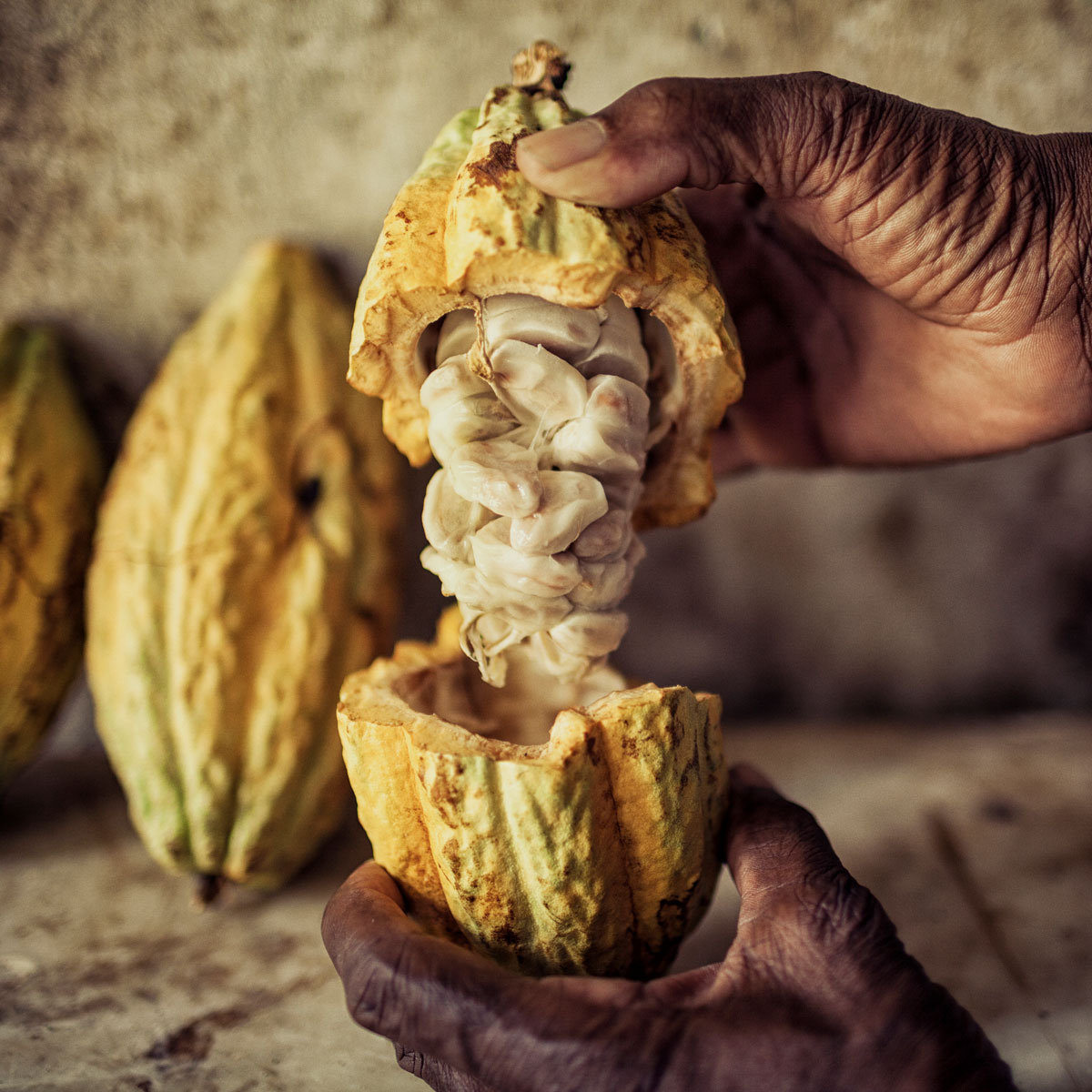
This “de-extinction” of ancient plant traits is a burgeoning field of ag-tech. By understanding the genetic makeup of the cacao trees the Maya cultivated, scientists are working to develop more resilient varieties of chocolate that can withstand the modern climate crisis. The Mayan diet is essentially a genetic library of survival, and modern sequencing tech is the key to unlocking it.
Hydroponic Revival: Applying Mayan Irrigation Logic
Modern agricultural engineers are looking at the “low-tech” irrigation systems revealed by LiDAR and applying “high-tech” hydroponic principles to them. The Mayan system of canal-and-field agriculture is being studied to create sustainable, water-efficient urban farms.
By using digital sensors and automated water management systems to mimic the natural ebbs and flows of the Mayan wetlands, modern tech is proving that the ancient diet was supported by a system that was centuries ahead of its time. We are not just learning what they ate, but how their technological approach to the environment allowed them to thrive in a challenging landscape.

Conclusion: A Digital Window into the Ancient Kitchen
The question of “what did the Mayans eat” has been transformed from a speculative historical inquiry into a high-precision scientific endeavor. Through LiDAR mapping, isotope analysis, AI modeling, and genomic sequencing, we have moved beyond the simple image of a farmer with a planting stick.
We now see a civilization that utilized sophisticated landscape engineering, engaged in complex long-distance trade for marine proteins, and cultivated a diverse array of nutrient-dense superfoods. Technology has not only revealed the ingredients of the Mayan diet but has also highlighted the sheer ingenuity of their food systems. As we face our own modern challenges in food production and climate change, the tech-driven insights into the Mayan menu offer more than just historical knowledge—they provide a blueprint for resilience and sustainability.
aViewFromTheCave is a participant in the Amazon Services LLC Associates Program, an affiliate advertising program designed to provide a means for sites to earn advertising fees by advertising and linking to Amazon.com. Amazon, the Amazon logo, AmazonSupply, and the AmazonSupply logo are trademarks of Amazon.com, Inc. or its affiliates. As an Amazon Associate we earn affiliate commissions from qualifying purchases.