
In the realm of brand strategy, we often look toward Silicon Valley or the creative agencies of the 21st century for inspiration. However, some of the most profound lessons in identity, market positioning, and visual consistency can be found in the sartorial shifts of the 1950s. What ladies wore in the 1950s was not merely a matter of aesthetic preference; it was a masterclass in rebranding a global demographic. Following the austerity of World War II, the fashion of the 1950s served as a visual manifesto for a new era of prosperity, femininity, and structured identity.
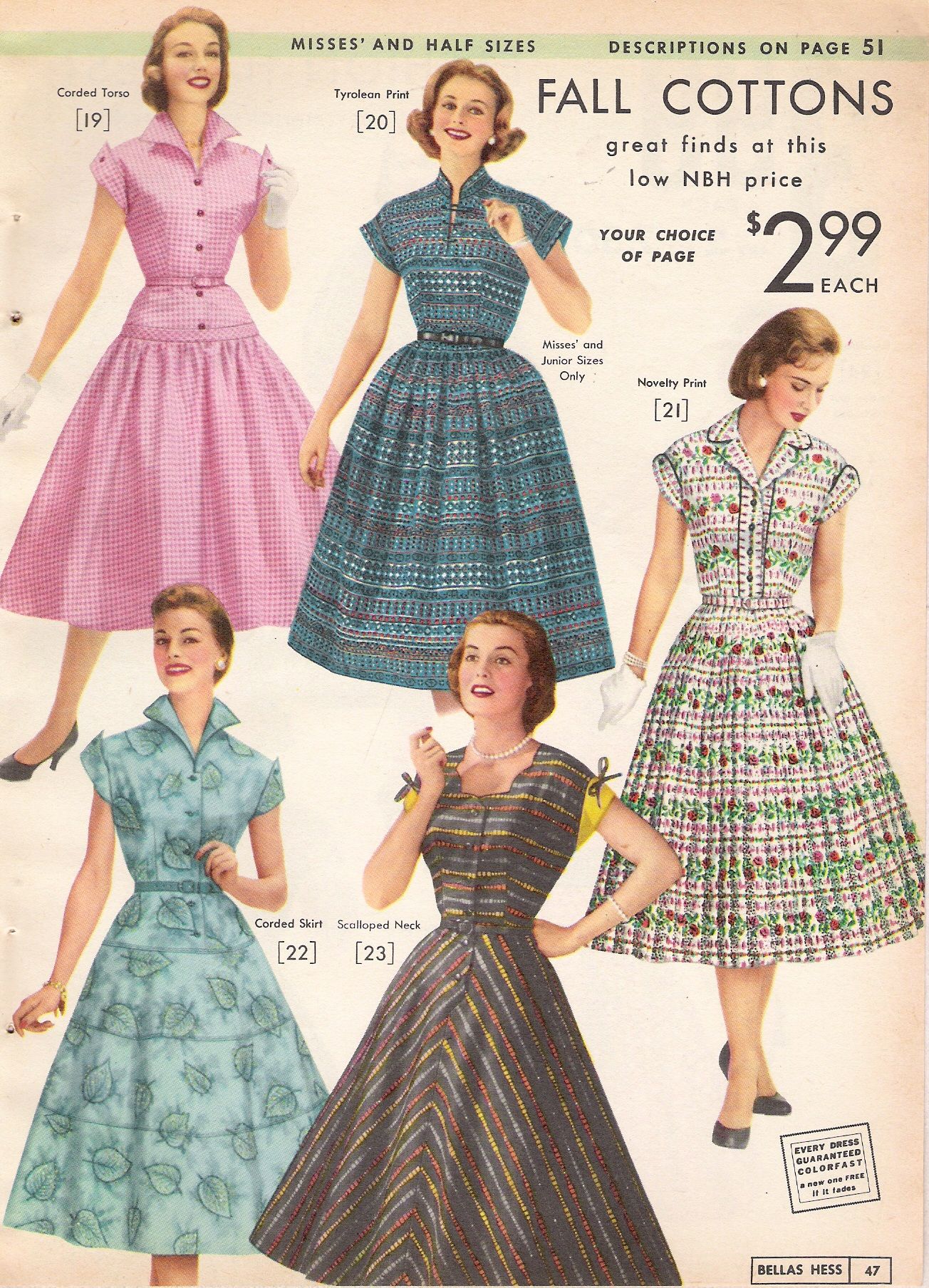
To understand modern brand strategy, we must look at how the “New Look” and the iconic silhouettes of the 50s created a cohesive corporate and personal identity that remains recognizable seven decades later. By analyzing the era through the lens of branding, we can extract timeless principles regarding market disruption, niche positioning, and the power of a signature visual asset.
The “New Look” as a Corporate Rebrand: Christian Dior’s Lesson in Market Disruption
In 1947, Christian Dior launched a collection that would define the next decade. While technically debuting just before the 1950s, the “New Look” was the fundamental brand strategy that dictated everything ladies wore throughout the following decade. It featured rounded shoulders, a cinched waist, and a full, voluminous skirt—a radical departure from the boxy, fabric-rationed silhouettes of the 1940s.
Defining a Post-War Value Proposition
Every successful brand begins with a clear value proposition. In the 1950s, the “value” being sold to women was the return of luxury and the celebration of the female form. Dior understood that the market was fatigued by the utilitarianism of the war years. By introducing the “New Look,” he wasn’t just selling a dress; he was selling a vision of a future that was opulent and stable.
In branding terms, this is known as market disruption. Dior identified a “white space” in the market—the emotional need for indulgence—and filled it with a product that was diametrically opposed to the status quo. For modern brand strategists, the lesson is clear: true disruption occurs when you identify an unexpressed emotional longing in your audience and pivot your identity to address it before the competition.
Visual Consistency and Recognition
One of the hallmarks of a powerful brand is its “silhouette”—the ability to be recognized by shape alone. The 1950s wardrobe was built on two primary silhouettes: the “Corolla” (full skirt) and the “Sheath” (pencil skirt). Because these shapes were so distinct and consistently applied across all levels of the market—from Parisian couture to mid-western department stores—the “1950s Brand” became monolithic.
Consistency builds trust. When a brand maintains a cohesive visual language, it reduces the cognitive load on the consumer. Just as a lady in the 50s knew exactly what look she was projecting by choosing a tailored suit for the city or a tea-length dress for a garden party, modern companies must ensure their visual touchpoints—logos, typography, and UI—work together to project a singular, reliable identity.
The Birth of the Personal Brand: Style as a Signature
The 1950s was arguably the decade where “personal branding” as we know it today was codified. With the rise of Hollywood’s studio system and the ubiquity of television, style became a strategic tool for actresses to differentiate themselves in a crowded marketplace. What these women wore became their “brand assets.”
Audrey Hepburn and the Minimalist Brand Identity
Audrey Hepburn provides one of the most enduring case studies in personal branding. Her collaboration with designer Hubert de Givenchy resulted in a brand identity characterized by “gamine” elegance: slim trousers, ballet flats, boat-neck tops, and the iconic “Little Black Dress.”
Hepburn’s brand was built on the principle of “less is more.” While other stars were leaning into heavy ornamentation, Hepburn’s minimalist approach allowed her personality and talent to remain the primary focus, with her wardrobe serving as a sophisticated frame. In brand strategy, this highlights the importance of clarity. A brand that tries to be everything to everyone ends up being nothing. By selecting a specific “uniform” or aesthetic, Hepburn created a brand that was timeless, high-end, and easily replicable in the minds of the public.
Marilyn Monroe and the Power of Niche Positioning
In stark contrast to Hepburn, Marilyn Monroe utilized the 1950s hourglass silhouette to carve out a niche centered on glamour and sensuality. Her brand was high-impact and hyper-feminine. Every element of her attire—from the halter-neck dresses to the high-heeled pumps—was curated to reinforce her positioning as the world’s premier “blonde bombshell.”
Monroe’s success illustrates the power of niche positioning. She did not attempt to compete with the “girl next door” archetype or the “sophisticated intellectual” archetype. She owned a specific segment of the market and leaned into it with total commitment. For modern businesses, Monroe’s wardrobe strategy is a reminder that being the best in a specific category is often more profitable than being average across several categories.

Subcultures and Market Segmentation: The Beatniks vs. The Bourgeoisie
While the mainstream image of 1950s fashion focuses on the “perfect housewife” in a floral apron, the decade also saw the rise of distinct subcultures. This period marked the beginning of modern market segmentation, where fashion was used to signal alignment with specific social or political values.
Finding Your Tribe through Visual Cues
The “Beatnik” movement of the late 50s represented a brand of rebellion. Ladies in this subculture eschewed the crinolines and corsets of the mainstream in favor of black turtlenecks, berets, and cigarette pants. This was a “counter-brand” strategy. By intentionally rejecting the visual markers of the dominant culture, they signaled their membership in an intellectual, underground community.
In marketing, this is the equivalent of “lifestyle branding.” Brands today often succeed not by appealing to the masses, but by creating a visual language that acts as a “secret handshake” for their target audience. When a consumer wears a brand that identifies them as an “innovator,” an “outlier,” or a “traditionalist,” they are performing the same tribal signaling that the Beatniks did in the smoky cafes of Greenwich Village.
Authenticity as a Brand Asset
The shift from the highly groomed look of the early 50s to the more relaxed, youth-driven styles of the late 50s (like the rise of denim and “preppy” styles) mirrors the modern demand for brand authenticity. As the decade progressed, consumers—particularly the newly defined “teenager”—began to reject the artifice of the previous generation.
This transition teaches brand strategists that no identity is permanent. A brand must evolve with the cultural zeitgeist or risk becoming a caricature of itself. The “ladies” of the late 50s who began wearing men’s shirts and flat shoes were signaling a shift toward functionality and ease—a trend that would eventually lead to the radical changes of the 1960s.
Translating 1950s Design Principles into Modern Digital Branding
The 1950s was an era of precision, craftsmanship, and balance. These design principles are directly applicable to how we build digital brands and user experiences today.
Structure, Silhouette, and User Experience
The 1950s wardrobe was obsessed with structure. Foundations (like girdles and petticoats) were used to create a perfect “silhouette” before the outer garment was even applied. In digital branding and web design, this is analogous to the “wireframing” and “UX architecture” phase.
Without a strong structural foundation, the visual “fashion” (the UI/colors/graphics) will fail to perform. A 1950s dress was engineered to look perfect regardless of the wearer’s natural shape; similarly, a well-branded digital platform should provide a seamless, high-quality experience regardless of the user’s device or entry point. The lesson here is that brand beauty is more than skin deep—it is built into the framework.
Timelessness vs. Trend-Chasing
Why is the fashion of the 1950s still cited as the pinnacle of “classic” style? It is because the era prioritized high-quality materials and timeless proportions over fleeting gimmicks. In an age of “fast fashion” and “fast branding,” there is a strategic advantage to building an identity that lasts.
Companies that constantly rebrand or chase every design trend (such as the recent “blanding” trend where every tech logo looked identical) often lose their soul. The 1950s approach suggests that by investing in a strong, unique, and well-crafted identity, a brand can achieve a level of “evergreen” status that transcends the hype cycle.

Conclusion: The Lasting Legacy of Form and Function
What ladies wore in the 1950s was far more than a collection of vintage garments; it was a sophisticated ecosystem of brand identities that reflected a world in transition. From Dior’s masterful market disruption to the distinct personal brands of Hollywood icons, the 1950s provides a blueprint for how to use visual communication to command attention and build loyalty.
For the modern strategist, the takeaway is simple: identity is an architecture. Whether you are building a corporate brand or a personal one, the principles of the 1950s—structure, consistency, niche positioning, and emotional resonance—remain the gold standard. By looking back at this golden age of style, we can find the tools to build brands that are not only relevant today but will remain iconic for decades to come.
aViewFromTheCave is a participant in the Amazon Services LLC Associates Program, an affiliate advertising program designed to provide a means for sites to earn advertising fees by advertising and linking to Amazon.com. Amazon, the Amazon logo, AmazonSupply, and the AmazonSupply logo are trademarks of Amazon.com, Inc. or its affiliates. As an Amazon Associate we earn affiliate commissions from qualifying purchases.