
The conflict between Jamie and Beth Dutton in the hit series Yellowstone is more than just a familial feud; it is a masterclass in narrative branding, institutional loyalty, and the catastrophic consequences of brand betrayal. To understand “what Jamie did to Beth” through the lens of brand strategy is to understand how a single executive decision—made without transparency or consent—can permanently devalue an organization’s most precious assets and fracture a legacy beyond repair.
In branding, as in the high-stakes world of the Yellowstone ranch, identity is everything. When Jamie Dutton took his sister Beth to a free clinic for an abortion and consented to a hysterectomy on her behalf without her knowledge, he didn’t just commit a personal transgression; he committed the ultimate brand violation: he compromised the autonomy and future “equity” of a core stakeholder to protect his own standing within the family hierarchy.

The Anatomy of a Brand Betrayal: Trust as a Non-Renewable Resource
In the world of corporate identity and personal branding, trust is the foundational currency. Once it is debased, the cost of recovery is often higher than the value of the brand itself. The secret that Jamie kept from Beth—the fact that he was responsible for her inability to have children—serves as a metaphor for internal brand fragmentation.
Internal Brand Fragmentation and the Silent Rot
In many organizations, a “Jamie” figure exists—a leader who makes a decision behind closed doors that they believe is for the “good of the company” but which ultimately sabotages a colleague or a department. Jamie’s decision was driven by a desire to protect the Dutton family’s public-facing brand from scandal. However, by prioritizing the “image” of the brand over the “integrity” of its internal culture, he created a permanent schism.
When a brand says one thing (we are a family) but does another (violating a member’s fundamental rights), it creates cognitive dissonance. For Beth, the Yellowstone brand became a symbol of pain and betrayal rather than protection. In branding terms, this is known as a “toxic internal culture,” where the outward-facing marketing is entirely disconnected from the inward experience of the stakeholders.
The Cost of Reputational Damage within the Inner Circle
A brand is only as strong as its most vulnerable link. Jamie believed he was mitigating risk, a classic brand management strategy. He calculated that the risk of a public scandal involving a teenage Beth was greater than the risk of Beth finding out about the procedure. This was a catastrophic failure in risk assessment. In brand strategy, “hidden liabilities” almost always resurface with compounded interest. The “Jamie-Beth” conflict illustrates that when a brand betrays its own, the resulting internal warfare can be more damaging than any external competitor (like Market Equities) could ever be.
Personal Branding vs. Legacy Branding: The Battle for the Dutton Identity
Beth and Jamie represent two diametrically opposed branding strategies: the “Authentic Aggressor” and the “Polished Opportunist.” Their conflict arises because their personal brands are in direct competition for the future of the Dutton legacy.
Beth Dutton: The Uncompromising Guardian of Identity
Beth Dutton’s personal brand is one of radical transparency and fierce protection. She is the embodiment of “brand loyalty.” Her devotion to her father, John Dutton, and the ranch is absolute. Because of what Jamie did to her, her brand has become defined by trauma-informed resilience. She does not care about the “Polished Brand” that Jamie tries to project; she cares about the “Heritage Brand.”
Beth understands that the Yellowstone ranch isn’t just land; it’s a promise. When Jamie broke that promise of protection, he essentially exited the “inner brand circle.” Beth’s mission is to ensure that Jamie never benefits from the legacy he helped diminish. In branding, this is akin to a “brand auditor” who identifies a fraudulent element and spends their entire career attempting to excise it from the company’s history.
Jamie Dutton: The Pivot that Diluted the Asset
Jamie’s brand is characterized by a desperate need for external validation. Throughout the series, Jamie pivots—from being the family lawyer to the Attorney General, to a potential Governor, to an outcast. In marketing terms, this is a “brand identity crisis.” Because Jamie lacks a solid core, he is easily influenced by “rebranding” efforts from outside forces, such as his biological father, Garrett Randall.
What Jamie did to Beth was his first major act of “identity management,” and it failed because it lacked empathy—the most critical component of modern brand engagement. By attempting to manage Beth’s “crisis” with a clinical, cold solution, he proved he didn’t understand the emotional core of the Dutton brand. As a result, his personal brand shifted from “Protector” to “Traitor,” a label that is nearly impossible to rebrand.
Crisis Management in High-Stakes Narrative Branding
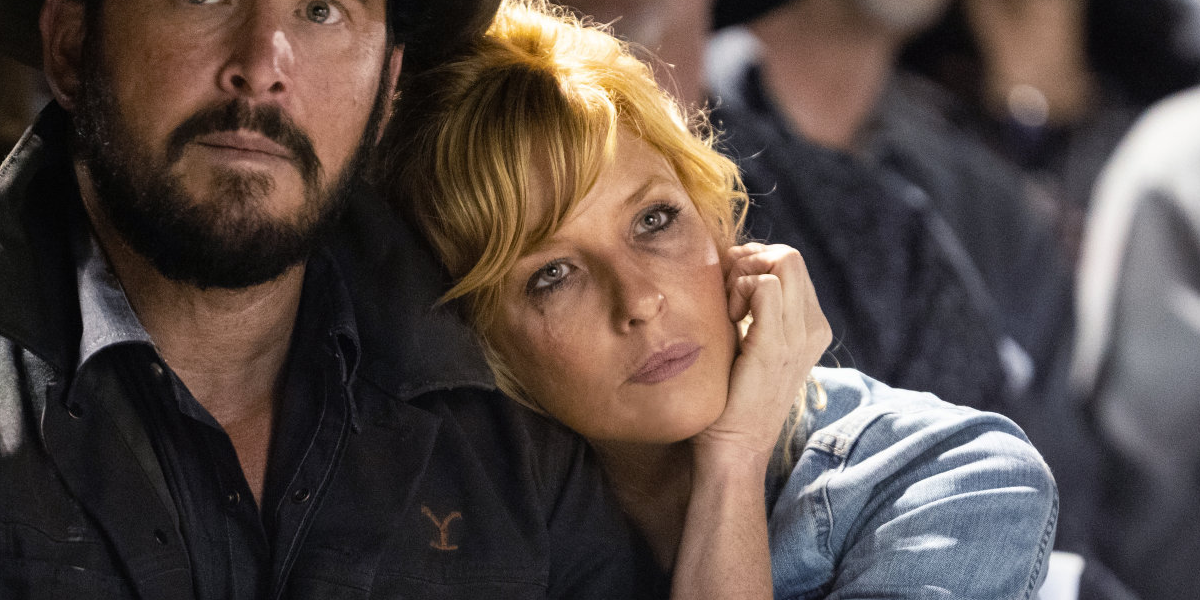
The fallout from Jamie’s decision serves as a case study in how NOT to handle a brand crisis. When a mistake of this magnitude occurs, the traditional branding playbook offers a few paths: total transparency, aggressive pivot, or dissolution.
Lessons in Transparency and Truth
Had Jamie been transparent with Beth—or had the “brand patriarch” John Dutton been involved in the decision-making process—the narrative could have been one of shared sacrifice or collective healing. Instead, Jamie opted for a “cover-up” strategy. In the digital age, and in the high-stakes world of Yellowstone, secrets are liabilities that eventually become public.
For brands, the lesson is clear: The cover-up is often more damaging than the initial error. Jamie’s fear of a “damaged reputation” led him to commit an act that created a permanent enemy. A brand that cannot own its mistakes is a brand that cannot evolve. Beth’s hatred is a constant reminder that the “Dutton brand” is built on a foundation of unaddressed grievances.
Rebuilding Trust After a “Forced Transition”
Is it possible for a brand to recover from a betrayal as deep as Jamie’s? In the world of corporate identity, companies often undergo radical rebranding after a scandal. They change their names, their logos, and their leadership. However, Jamie cannot “rebrand” his way out of his DNA or his history with Beth.
What Jamie did to Beth was a “forced transition”—he changed the course of her life (her personal brand’s “roadmap”) without her input. To rebuild trust, he would have needed to offer a level of contrition and restorative justice that his ego would not allow. This highlights a critical branding principle: Rebranding requires humility. Without it, any attempt to fix a damaged relationship is merely “reputation laundering.”
The Yellowstone Effect: How Character Conflict Drives Global Brand Equity
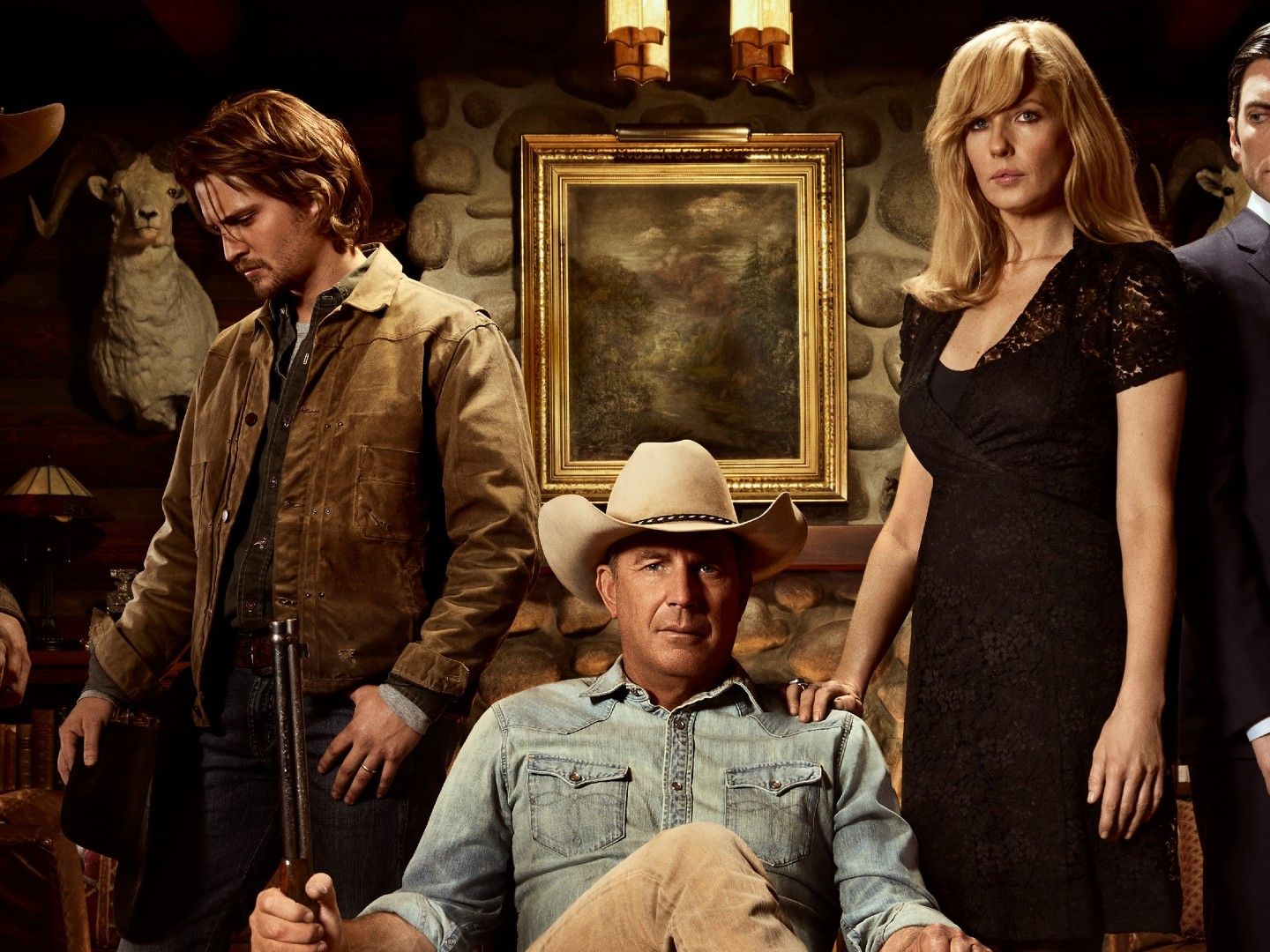
While the conflict between Jamie and Beth is devastating for the characters, it is the engine that drives the Yellowstone IP brand. The friction between these two characters creates a narrative tension that has turned the show into a global phenomenon.
Emotional Engagement as a Marketing Tool
Audiences are drawn to the Jamie/Beth dynamic because it touches on universal themes of betrayal and justice. From a brand perspective, Yellowstone has successfully marketed “familial dysfunction” as a premium entertainment product. The question “What did Jamie do to Beth?” became a viral marketing hook that sustained interest across multiple seasons.
This demonstrates the power of “conflict branding.” By creating characters with irreconcilable differences, the creators of Yellowstone ensured that the brand would always have a narrative “north star.” Fans are forced to pick a side—#TeamBeth or #TeamJamie (though the former is significantly more popular)—which creates a high level of audience engagement and community building around the brand.
Niche vs. Mass Appeal in Story Branding
The Jamie/Beth conflict is deeply specific (niche), yet it resonates with a mass audience because it explores the “dark side” of loyalty. The Yellowstone brand doesn’t shy away from the ugly parts of its characters. In an era where many brands try to be “everything to everyone,” Yellowstone succeeds by being unapologetically gritty and specific.
What Jamie did to Beth is the “origin story” of their enmity, and every brand needs a strong origin story to anchor its identity. Even though the act was horrific, it provided the “why” behind Beth’s actions, making her one of the most compelling and “marketable” characters on television today. Her brand is built on the ashes of what Jamie destroyed, and that makes her indestructible in the eyes of the audience.
Conclusion: The Finality of Brand Devaluation
In the final analysis, what Jamie did to Beth in Yellowstone is a reminder that some actions have no “ROI.” In his attempt to manage a short-term crisis, Jamie created a long-term deficit that eventually bankrupted his standing within the family.
For brand strategists, the takeaway is clear:
- Consent is the bedrock of partnership. Never make a decision for a stakeholder that fundamentally alters their future without their input.
- Internal culture dictates external success. A brand that is at war with itself cannot survive external threats.
- Legacy is not just about the past; it’s about the future. By robbing Beth of her future, Jamie effectively ended a part of the Dutton legacy he was trying to save.
The story of Jamie and Beth is a cautionary tale of how “damage control” can become the ultimate source of damage. In the world of branding, as in the valleys of Montana, the most dangerous enemies are the ones you create through your own lack of integrity.
aViewFromTheCave is a participant in the Amazon Services LLC Associates Program, an affiliate advertising program designed to provide a means for sites to earn advertising fees by advertising and linking to Amazon.com. Amazon, the Amazon logo, AmazonSupply, and the AmazonSupply logo are trademarks of Amazon.com, Inc. or its affiliates. As an Amazon Associate we earn affiliate commissions from qualifying purchases.