
When we consider the term “branding,” our minds often gravitate toward logos, color palettes, and digital interfaces. However, one of the most enduring brand legacies in American history was carved not in pixels or ink, but in dirt, stone, and flora. Frederick Law Olmsted, the man often cited as the father of American landscape architecture, did more than just plant trees. He designed a brand for the American city—a visual and experiential identity that promised health, democracy, and social cohesion during the chaos of the Industrial Revolution.
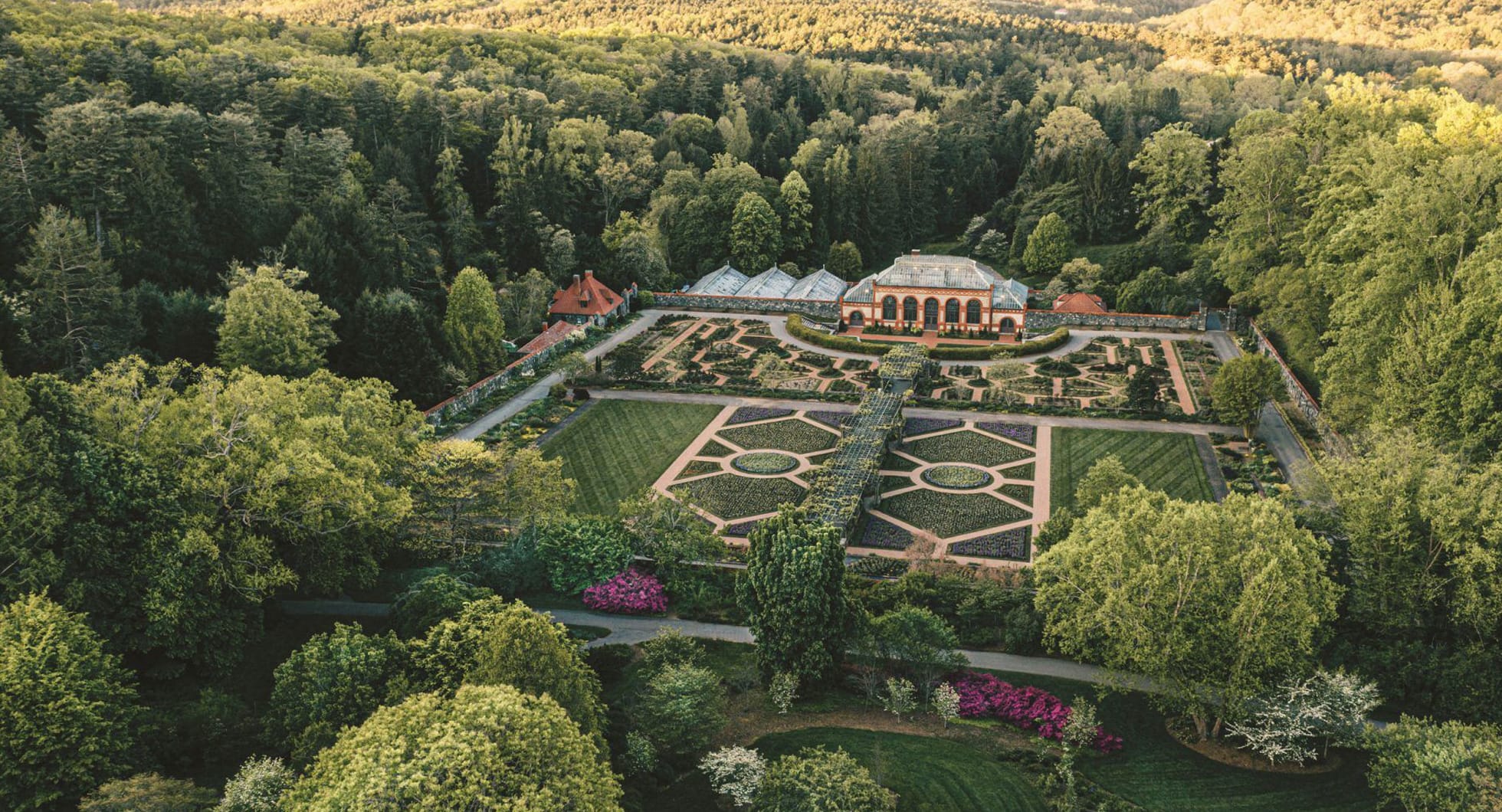
To understand what Frederick Law Olmsted designed, one must look beyond the physical boundaries of Central Park or the Biltmore Estate. He designed a philosophy of public space that redefined the “Brand of Nature” for the urban dweller. Through strategic vision and a meticulous attention to the “user experience” of the outdoors, Olmsted created a professional identity that remains the gold standard in design and urban planning today.
Establishing the Category: Defining the “Landscape Architecture” Brand
Before Olmsted, the profession of “landscape architecture” did not exist in the American consciousness. There were gardeners, and there were civil engineers, but there was no cohesive brand for someone who managed the intersection of the two. Olmsted’s first great design was, in fact, the professional category itself.
From Journalism to Design: The Evolution of a Personal Brand
Olmsted’s journey to becoming a world-renowned designer was unconventional, proving that a strong personal brand is often built on a foundation of diverse experiences. Before he ever submitted a design for a park, he was a merchant sailor, a farmer, and a journalist for the New York Daily Times. His travels through the American South and Europe allowed him to observe how social structures and physical environments interacted.
When he entered the competition for the design of New York’s Central Park in 1857 alongside Calvert Vaux, he wasn’t just bringing a green thumb; he was bringing a sociological perspective. His “brand” was that of a social reformer who used the land as his medium. This unique positioning allowed him to win over city officials who were less concerned with aesthetics and more concerned with the burgeoning social unrest of a rapidly densifying Manhattan.
The Birth of a Profession: Naming the “Landscape Architect”
Olmsted was the first to insist on the title “Landscape Architect.” This was a strategic branding move. By moving away from the term “landscape gardener,” he elevated the craft from mere decoration to a rigorous discipline involving engineering, hydrology, and urban planning.
This rebranding of the profession allowed Olmsted to command higher fees, consult at the highest levels of government, and ensure that his designs were treated with the same reverence as grand civic buildings. He understood that to change the world, he first had to change how the world perceived his role. He wasn’t just planting a garden; he was designing the infrastructure of human happiness.
The Signature Aesthetic: Designing a Visual Language for Democracy
Every great brand has a visual language—a set of recurring motifs that make the work instantly recognizable. Olmsted’s design language was rooted in two distinct styles: the “Pastoral” and the “Picturesque.” Through these styles, he designed a brand of “democratic luxury,” where the common citizen could enjoy vistas previously reserved for the European aristocracy.
Central Park: The Flagship Product
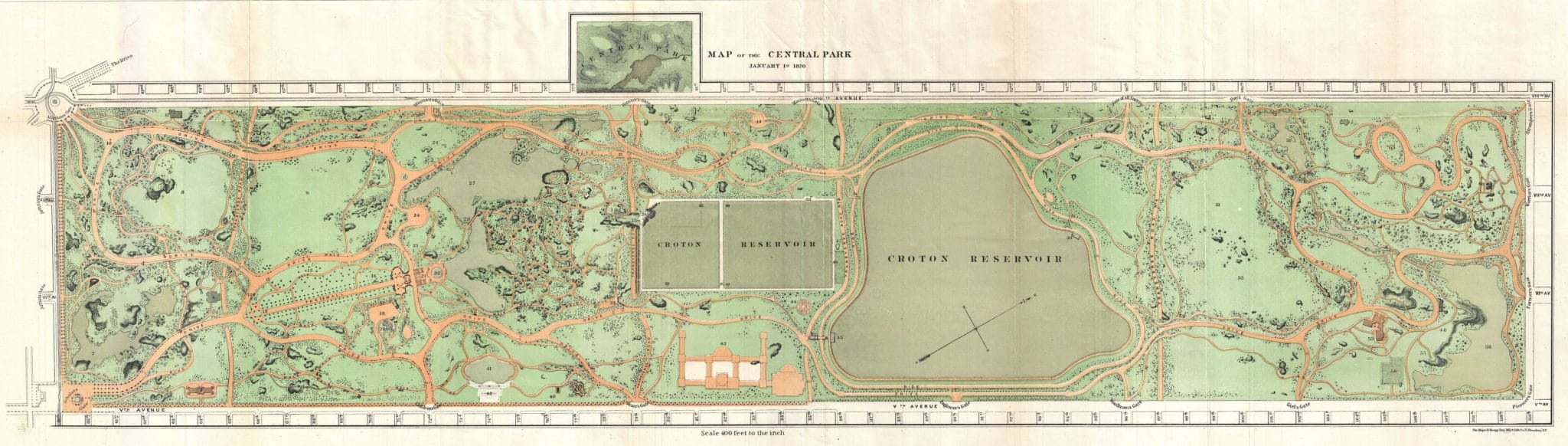
If Olmsted’s career were a corporate portfolio, Central Park would be the flagship product. The “Greensward Plan,” as it was known, established the core tenets of the Olmsted brand. He designed vast, sweeping meadows (the Pastoral) to provide a sense of infinite space and tranquility, contrasted with rocky, wooded areas and winding paths (the Picturesque) to provide mystery and visual interest.
What made this design a masterpiece of branding was its “user-centric” approach. Olmsted designed separate circulation systems for pedestrians, equestrians, and carriages. This wasn’t just for safety; it was to ensure that the “brand experience” of the park remained immersive. By sinking the cross-town traverse roads below the park’s surface, he effectively “deleted the noise” of the city, much like a modern UX designer removes friction from a digital app.
Principles of “Psychological Health”: The Brand’s Value Proposition
The core value proposition of an Olmsted design was its benefit to mental health. Long before “forest bathing” became a wellness trend, Olmsted was marketing his parks as “the lungs of the city.” He believed that the visual complexity and natural beauty of his designs acted as an antidote to the “nervous exhaustion” of urban life.
This focus on the psychological impact of design transformed his parks from luxury amenities into essential public utilities. By branding his spaces as necessary for public health, he secured the funding and political will needed to execute projects on a massive scale. He understood that people don’t buy “land”; they buy how that land makes them feel.
Scaling the Brand: From Single Parks to Regional Systems
One of the hallmarks of a successful brand is its ability to scale. After the success of Central Park, Olmsted didn’t just design more parks; he designed entire park systems. He realized that a single park was a localized solution, but a network of parks could define the identity of an entire city.
The Emerald Necklace: Creating a Connected Brand Experience
In Boston, Olmsted designed the “Emerald Necklace,” a 1,100-acre chain of parks and waterways linked by parkways and paths. This was a revolutionary concept in urban branding. It moved the “Olmsted experience” out of a single destination and integrated it into the daily commute and life of the Bostonian.
The Emerald Necklace demonstrated Olmsted’s ability to solve complex environmental issues—such as the drainage and sanitation of the Back Bay—while maintaining a beautiful, cohesive brand identity across disparate neighborhoods. He proved that good design could be both functional (solving sewage problems) and aspirational (creating beautiful promenades).
Standardizing Quality: The Olmsted Brothers Legacy
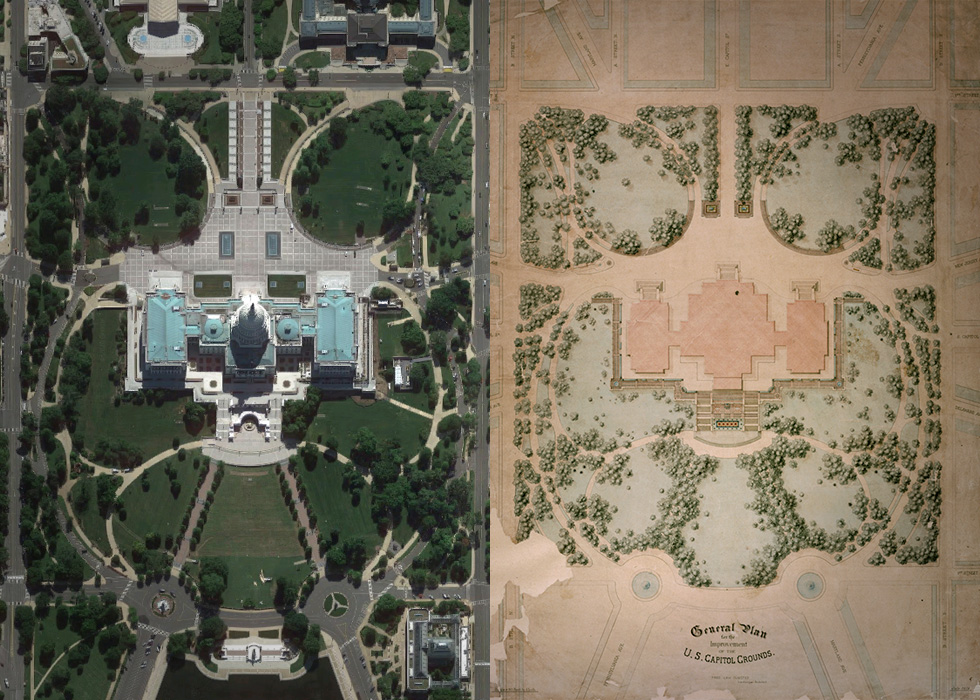
To ensure his design principles outlived him, Olmsted created a “corporate identity” for his firm. His sons, John Charles Olmsted and Frederick Law Olmsted Jr., continued the business under the name “Olmsted Brothers.” They carried the brand forward, designing thousands of projects across North America, including the grounds of the U.S. Capitol, the National Zoo, and the master plans for entire university campuses like Stanford and UC Berkeley.
The firm’s ability to maintain a consistent quality and “look” across decades and continents is a masterclass in brand management. Whether you are in a park in Seattle, a suburb in Maryland, or a campus in California, you can often “feel” the Olmsted influence. This consistency turned the “Olmsted” name into a trusted mark of excellence in the design world.
Modern Brand Equity: Why the “Olmsted” Name Still Commands a Premium
Today, over a century after his death, the Olmsted brand remains one of the most powerful in the world of urban planning and real estate. The presence of an Olmsted-designed park is not just a historical curiosity; it is a major driver of economic and social value.
The “Olmsted Effect” on Real Estate and Urban Value
In branding terms, “brand equity” refers to the premium a name adds to a product. In real estate, the “Olmsted Effect” is the measurable increase in property values for homes located near Olmsted-designed spaces. From the very beginning, Olmsted argued that parks would pay for themselves through increased tax revenues from adjacent properties.
History has proven him right. The areas surrounding Central Park, Prospect Park in Brooklyn, and the parks of the Emerald Necklace are some of the most expensive and sought-after real estate in the world. Developers today still use the “Olmsted” name in marketing materials to signal prestige, longevity, and a commitment to quality of life. The brand has become a shorthand for “enduring value.”
Lessons for Modern Brand Strategists and Designers
What can modern brand strategists learn from what Frederick Law Olmsted designed? First, that a brand must solve a real-world problem—in his case, the suffocating density of the industrial city. Second, that a brand must have a clear and consistent visual and philosophical language. And third, that a brand’s greatest strength is its ability to evolve while remaining true to its core promise.
Olmsted didn’t just design landscapes; he designed the way we perceive the relationship between humanity and the built environment. He created a brand of public space that was inclusive yet elegant, functional yet poetic. As we look to the future of our cities—facing challenges of climate change and social isolation—the Olmsted brand of “healing landscapes” is more relevant than ever. He taught us that the best way to design a brand is to design a better way for people to live.
aViewFromTheCave is a participant in the Amazon Services LLC Associates Program, an affiliate advertising program designed to provide a means for sites to earn advertising fees by advertising and linking to Amazon.com. Amazon, the Amazon logo, AmazonSupply, and the AmazonSupply logo are trademarks of Amazon.com, Inc. or its affiliates. As an Amazon Associate we earn affiliate commissions from qualifying purchases.